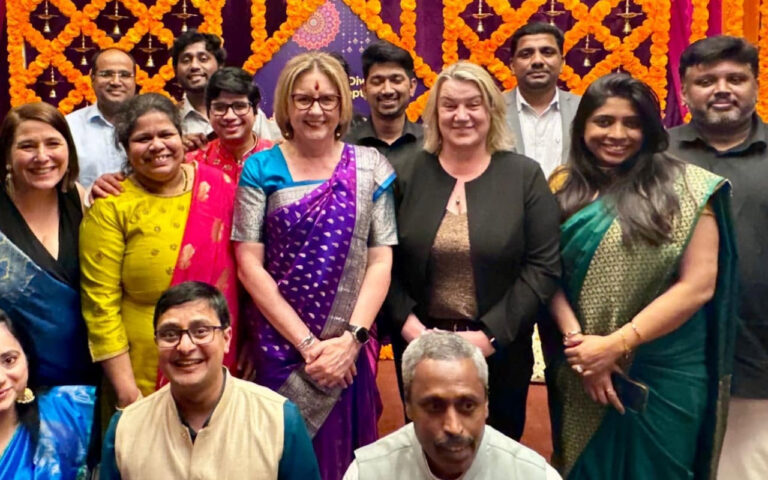

FUNDING DIVERSITY: Victoria’s $4.9 Million Investment in Multicultural Communities
The Victorian Labor government, led by Premier Jacinta Allan, has announced a $4.9 million funding package to support nearly 200 multicultural and multifaith organisations across the state. The allocation, confirmed this week, forms part of the 2025–26 Multicultural Capacity Building Program and is designed to strengthen community groups, expand services, and reaffirm the government’s commitment to diversity ahead of the November state election.
According to the Premier’s office, the funding will support groups representing 46 different ethnic backgrounds and 15 faith communities, covering everything from education and wellbeing programs to operational support and cultural initiatives. Around $1.6 million of the total sum is specifically directed toward “new and emerging communities,” including people from Afghanistan, Iran, South Sudan, Ukraine, Syria, Myanmar, and many other nations.
Among the recipients are well-established and newer organisations alike:
- Australian Iranian Society of Victoria: to build a sustainable base and expand education and engagement work.
- South Sudanese Australian Academic Society: to deliver programs focused on education and mental health support.
- Gurdwaras Council of Victoria: to improve capacity and provide culturally appropriate services for the Sikh community.
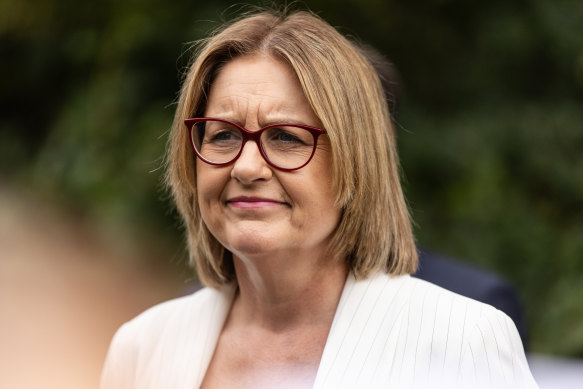
In announcing the measure, Premier Jacinta Allan framed it as a clear statement of values. “At a time when our diversity is under attack, the Allan Labor Government is reaffirming our commitment to multicultural and multifaith communities,” her office said. “We don’t just tolerate diversity — we embrace it, and we will continue to work with our proud multicultural communities to make Victoria stronger, safer and fairer.”
Multicultural Minister Ingrid Stitt added that these groups are the “lifeblood” of the state. “They help new arrivals settle, build connections, and ensure everyone feels they belong. This funding helps them continue that vital work,” she said.
The announcement comes at a politically sensitive moment. With the election just months away, recent opinion polls show Labor trailing both the Liberal-National Coalition and One Nation in key areas, as issues of cost of living, housing, and law and order dominate voter concerns. Critics argue the funding is a strategic move to shore up support among multicultural voters, while supporters say it is a necessary investment in social cohesion.
Perspective – Purpose, Politics, and Public Value
As someone who has reported on community policy and multicultural affairs in Australia for many years, I know that funding programs like this are rarely just about money — they are about how a society chooses to support its diversity, and how politics and policy intersect.
What This Funding Does
On the practical level, the goals are clear. When people arrive in a new country, they face many challenges: learning the language, understanding laws and systems, finding work, and adjusting to a new culture. Community organisations are often the first point of contact. They provide information, support, and a sense of belonging — which in turn helps reduce isolation, improve mental health, and encourage participation in society. By funding their operations, the government is effectively investing in integration and stability.
The focus on “new and emerging communities” is also important. These groups often have smaller memberships, fewer resources, and less established networks than longer-standing communities. Supporting them early can help prevent disadvantage and ensure they have the same opportunities to contribute.
The Political Context
However, it is impossible to ignore the timing. With an election approaching and Labor facing pressure in the polls, every major policy announcement is viewed through a political lens. Critics argue that this funding is a targeted appeal to ethnic voters, designed to remind them of the party’s commitment to inclusion. They also raise questions about accountability: how will the government measure whether this money delivers real results? Are the programs monitored for effectiveness, and what happens if outcomes fall short?
Opposition voices and some commentators have also asked whether this approach risks creating divisions — by directing funds specifically to certain groups rather than broader community services available to everyone. Supporters counter that these services fill gaps that general government programs often cannot, because they are delivered in languages and cultural contexts that people understand.
The Wider Debate
This decision also reflects a broader national conversation. Across Australia, there is ongoing discussion about how best to manage diversity. Some argue that the way forward is to support cultural identity and community organisations, believing this builds trust and unity. Others believe that resources should be focused on shared systems like schools, hospitals, and housing, rather than group-specific programs.
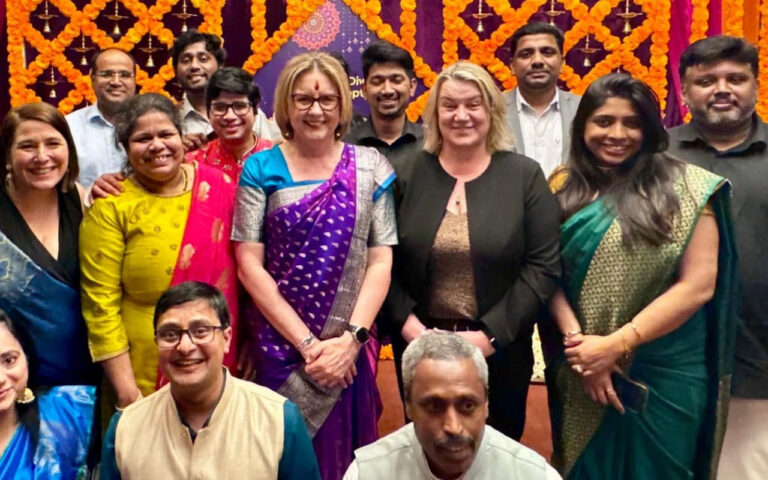
In reality, both approaches are needed. Integration does not require people to abandon their culture — but it does require access to the same opportunities and services as everyone else. When community groups help people navigate those systems, they are helping them become fully part of Australian society.
Conclusion – More Than Just a Handout
Victoria’s $4.9 million funding package is a significant statement about the role of government in a diverse society. It shows that supporting multicultural communities is seen as part of building a stronger, more inclusive state — though it also raises questions about politics, priorities, and accountability.
We have learned that these organisations play a vital role in helping people settle, connect, and contribute. We have seen that such funding always sits at the intersection of policy and politics, especially in an election year. And we have been reminded that the success of multiculturalism is not guaranteed by laws or funding alone — it depends on both support for cultural identity and equal access to opportunity for all.
Whether this investment delivers long-term benefits will depend not just on how much money is spent, but on how well the programs are run, how results are measured, and whether they help build a society where people feel both proud of their background and part of the wider community.
As Victoria heads toward the election, this decision will remain part of the debate — a reminder that diversity is one of the state’s greatest assets, but also one of its most complex challenges.