
SYMBOLS, VALUES, AND DIVISION: Labor’s New Platform and the Fight Over Australia’s Identity
The Australian Labor Party is preparing to update its official national platform, adding formal support for Welcome to Country and Acknowledgement of Country ceremonies, as well as a commitment to develop a national anti-racism strategy. The changes, outlined in a draft document ahead of the party’s 50th National Conference in Adelaide later this month, come as these issues have moved to the center of Australia’s cultural and political divide.
According to the draft text, Labor states it “recognises the importance of Welcome to Country and Acknowledgement of Country ceremonies as opportunities to show respect to First Nations people.” It also reaffirms support for the Aboriginal and Torres Strait Islander flags as official symbols of the nation’s Indigenous heritage. Alongside these cultural commitments, the party declares it is “very concerned by the rise of racism and division” and will create a comprehensive strategy to tackle discrimination, promote inclusion, and strengthen multiculturalism across the country.
In a separate economic provision, the draft also proposes changing the party’s stance on monetary policy, describing interest rate increases as a “blunt instrument which hurts workers and vulnerable Australians first and hardest,” rather than an effective tool to target inflation.
A senior party source confirmed that the updates are partly a response to the growing popularity of Pauline Hanson and One Nation, which have campaigned against the ceremonies. Hanson has repeatedly called for them to be scrapped, arguing they are “divisive” and should be replaced with tributes to those who served in the nation’s defense forces. In a speech at the National Press Club last month, she said: “I would rather acknowledge the men and women who have sacrificed their lives for Australia’s democracy and freedom.”
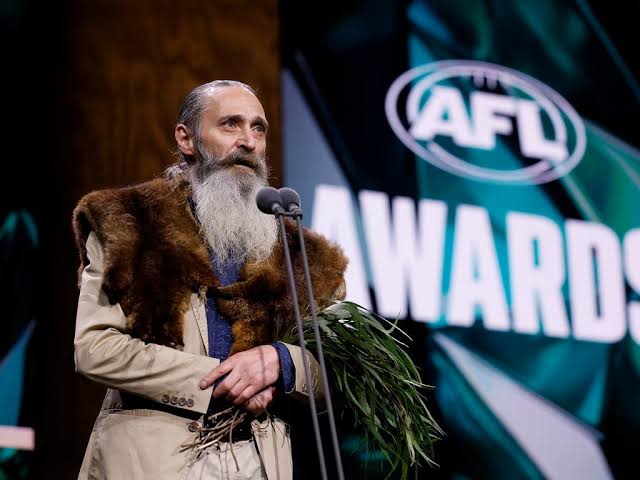
The debate has spilled into public events in recent months. Welcome to Country ceremonies were booed at Anzac Day dawn services in Sydney, Melbourne, Adelaide, and Perth, while right-wing senator Ralph Babet walked out of a ceremony at the opening of a new gallery at the Australian War Memorial in Canberra, saying it was inappropriate for the setting.
Supporters of Labor’s changes say they are a necessary step toward reconciliation and respect, reflecting the history and culture of Australia’s First Peoples. Critics, however, argue that the ceremonies have become overused, politicized, and a source of resentment among some sections of the community.
After decades reporting on Indigenous affairs, national identity, and political culture in Australia, I have seen how symbols and ceremonies often become the focus of far deeper arguments — arguments about history, belonging, and what kind of nation Australia wants to be.
What Are These Ceremonies, and Why the Controversy?
First, it is important to clarify the difference:
- Welcome to Country: A formal ceremony performed only by a Traditional Owner of the land where the event takes place, acknowledging their continuing connection to the land.
- Acknowledgement of Country: A shorter statement that can be given by anyone, recognizing that the gathering is taking place on land belonging to First Nations peoples.
For supporters, these are simple acts of respect — a way to recognize that Australia’s history did not begin in 1788, and that Indigenous people have lived on this continent for more than 60,000 years. They are seen as a foundation for reconciliation, helping to build understanding between Indigenous and non-Indigenous Australians.
For critics, however, they have come to represent something different. Many feel the ceremonies are now mandatory, overused, and used as a political statement rather than a genuine act of respect. Some argue they create division by emphasizing difference rather than shared identity, and that they exclude people who do not agree with their framing.
Politics and Symbolism
Labor’s decision to formally enshrine these commitments in its platform is clearly a response to the current political climate. With Hanson and other conservative voices gaining traction by questioning these symbols, Labor is positioning itself as the defender of inclusion and reconciliation. But it is also a risky move: it risks further alienating voters who feel the party is out of touch with their views, while reinforcing its support base among progressive and multicultural communities.
This is not just about ceremonies — it is about control of the national narrative. Hanson and her allies frame the debate as “uniting around shared values and history,” while Labor frames it as “respecting the full truth of Australia’s past.” Both claim to be working for a stronger, more united nation — but they have very different ideas about what that unity looks like.
The Anti-Racism Strategy
The proposed anti-racism strategy adds another layer. It acknowledges that discrimination and division are real problems in Australian society. If designed well, such a strategy could help address prejudice, support victims, and promote education. But it will also face criticism: opponents may argue it will be used to police speech and limit freedom of expression, while supporters will say it is long overdue to protect vulnerable communities.
Economic Shift
The proposed change on interest rates also reflects a broader political trend. As cost-of-living pressures remain high, both major parties are looking for ways to show they understand the financial pain many households are feeling. Labeling rate rises as unfair is a way to connect with voters who feel the burden of inflation falls unequally.
Labor’s proposed platform changes bring into sharp focus two of the most important questions facing Australia today: How do we acknowledge our history without dividing our present? And how do we build a society that is both inclusive and united?
We have learned that simple ceremonies and symbols can carry enormous weight, because they represent deeper beliefs about identity and history. We have seen that political parties often use these issues to define themselves against their opponents, turning cultural questions into political battles. And we have been reminded that there is no single view of Australia’s story — different people see the past, present, and future through very different lenses.
The challenge ahead is to find a way forward where respect for history does not become a source of resentment, and where unity does not require ignoring or rewriting the past. Whether Labor’s new commitments will help achieve that, or simply deepen the divide, will depend not just on the words in the platform, but on how they are explained, implemented, and lived out in communities across the country
As the national conference approaches, one thing is clear: this debate is not going away. It is part of a much larger conversation about who belongs in Australia, what values hold the nation together, and how it reconciles its complex history with its future.