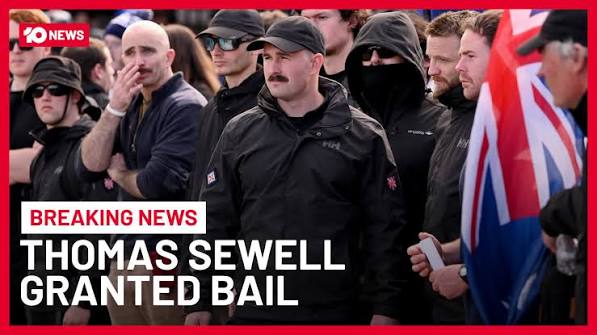
Thomas Sewell Launches High Court Challenge Over Ban On White Australia Party Amid Explosive National Debate. u1

The State vs. The Fringe: Inside Australia’s High Court Showdown Over Hate Laws and Executive Power
Background: A New Era of Anti-Extremism Laws
In January 2026, following heightened national security concerns and high-profile incidents of public extremism, the Australian Parliament passed the Combatting Antisemitism, Hate and Extremism (Criminal and Migration Laws) Act 2026. Passed with bipartisan backing from both the Labor government and the Coalition opposition, the sweeping legislation granted the Executive Government unprecedented powers to specify and outlaw “prohibited hate groups” under Part 5.3B of the Criminal Code Act 1995.
Unlike traditional counter-terrorism frameworks that require evidence of planned or executed physical violence, the 2026 Act permits the Minister for Home Affairs to proscribe an organisation if the Minister believes the group has incited racial hatred, promoted extremism, or caused severe social and psychological harm to the community.
The new framework was put to immediate use in March 2026 when the Islamist collective Hizb ut-Tahrir was listed as Australia’s first prohibited hate group. However, the legislation’s second major target sparked an immediate constitutional crisis.
┌────────────────────────────────────────────────────────────────────────┐
│                   THE PROHIBITED HATE GROUP ARCHITECTURE               │
├────────────────────────────────────────────────────────────────────────┤
│  EXECUTIVE ACTION                    LEGAL & CRIMINAL CONSEQUENCES     │
│  ────────────────                    ─────────────────────────────     │
│  • ASIO & AFP Intelligence Advice    • Maximum Penalty: Up to 15 Years  │
│  • Ministerial Declaration (No prior   Imprisonment for directing,     │
│    court conviction required)          funding, or joining.       │
│  • Governor-General Regulation       • Mandatory steps required to     │
│  • Proscription in Criminal Code       cease membership immediately. │
└────────────────────────────────────────────────────────────────────────┘
Main Events: The Ban and the High Court Challenge
On May 15, 2026, Home Affairs Minister Tony Burke officially announced that the neo-Nazi collective operating under the name “White Australia”—also known as the White Australia Party (WAP), European Australian Movement, and formerly the National Socialist Network (NSN)—had been formally listed as a prohibited hate group.

The government argued that the NSN had deliberately “phoenixed”—disbanded its original structure in January to evade imminent proscription, only to re-emerge on Anzac Day under the guise of an incorporated political party attempting to register with the Australian Electoral Commission (AEC).
                              CHRONOLOGY OF THE ESCALATION

 JAN 2026             APRIL 2026            MAY 15, 2026          MAY–JUNE 2026
  │                    │                     │                     │
  ├─ Parliament passes ┼─ NSN leaders apply  ┼─ Minister Burke ────┼─ Sewell files High
  │  Anti-Extremism    │  for AEC political  │  lists "White       │  Court challenge;
  │  Act 2026.        │  party status. │  Australia" as      │  Chief Justice Gageler
  │                    │                     │  hate group.   │  refuses injunction.
Under the listing, directing, funding, recruiting for, or remaining a member of the White Australia Party instantly became a federal offence carrying penalties of up to 15 years in prison.
Within hours of the midnight decree, lawyers representing Thomas Sewell—National President of WAP and former leader of the NSN—filed an urgent application in the High Court of Australia. Sewell sought an interlocutory injunction to block the Commonwealth from enforcing the ban, arguing the law was unconstitutional and deprived members of their implied freedom of political communication.
The High Court moved swiftly. After initial directions before Justice Jayne Jagot, Chief Justice Stephen Gageler formally dismissed Sewell’s application for emergency injunctive relief in June 2026, ruling that there were no “compelling grounds” to suspend a legislative enactment before its constitutional validity was fully tried. The full High Court bench is scheduled to hear the substantive constitutional challenge in September 2026.
Important People & Key Figures
┌────────────────────────────────────────────────────────────────────────┐
│                        KEY STAKEHOLDER MATRIX                          │
├───────────────────────┬──────────────────────┬─────────────────────────┤
│ INDIVIDUAL / BODY     │ ROLE                 │ CORE POSITION           │
├───────────────────────┼──────────────────────┼─────────────────────────┤
│ Anthony Albanese      │ Prime Minister       │ Champions laws to       │
│                       │ of Australia         │ dismantle extremist     │
│                       │                      │ networks and hate.    │
├───────────────────────┼──────────────────────┼─────────────────────────┤
│ Tony Burke            │ Minister for         │ Executed the ban based  │
│                       │ Home Affairs         │ on security advice      │
│                       │                      │ from ASIO.        │
├───────────────────────┼──────────────────────┼─────────────────────────┤
│ Thomas Sewell         │ National President,  │ Lead applicant; claims  │
│                       │ White Australia      │ laws create "executive  │
│                       │                      │ tyranny".         │
├───────────────────────┼──────────────────────┼─────────────────────────┤
│ Stephen Gageler       │ Chief Justice,       │ Denied injunction; set  │
│                       │ High Court           │ full trial for          │
│                       │                      │ September 2026.    │
└───────────────────────┴──────────────────────┴─────────────────────────┘
Key Facts and Legal Benchmarks
-
The Historical Precedent (Communist Party Case): Sewell’s legal team relies heavily on Australian Communist Party v Commonwealth (1951). In that landmark 6–1 decision, the High Court struck down Prime Minister Robert Menzies’ attempt to outlaw the Australian Communist Party via executive declaration, establishing that Parliament cannot grant the Executive power to unilaterally declare an association illegal without judicial review of the underlying facts.
-
The Implied Freedom of Political Communication: Australia’s Constitution contains no explicit bill of rights. However, High Court jurisprudence (beginning with Nationwide News and Lange v ABC) established an implied constitutional freedom protecting communication on political and government matters necessary for representative democracy.
-
Civil Liberties Criticisms: The Queensland Council for Civil Liberties (QCCL) and eminent constitutional scholars—including Professor Emerita Anne Twomey—have raised deep concerns regarding the 2026 Act. They note that allowing a Minister to criminalise political associations based on executive assessment of “psychological harm” without judicial supervision sets a precedent capable of being weaponized against conventional political opposition.
My Professional Perspective
==========================================================================
                     JOURNALISTIC DEEP-DIVE ANALYSIS
==========================================================================
"The true test of a constitutional democracy is not how it treats the
ideas it respects. It is whether it can resist breaking its own fundamental
rules when confronting the ideas it despises."
==========================================================================
Having spent thirty years covering constitutional crises, national security expansions, and political extremism across the globe, I have observed a recurring legal paradox: the most dangerous laws are almost always written with the best of intentions.

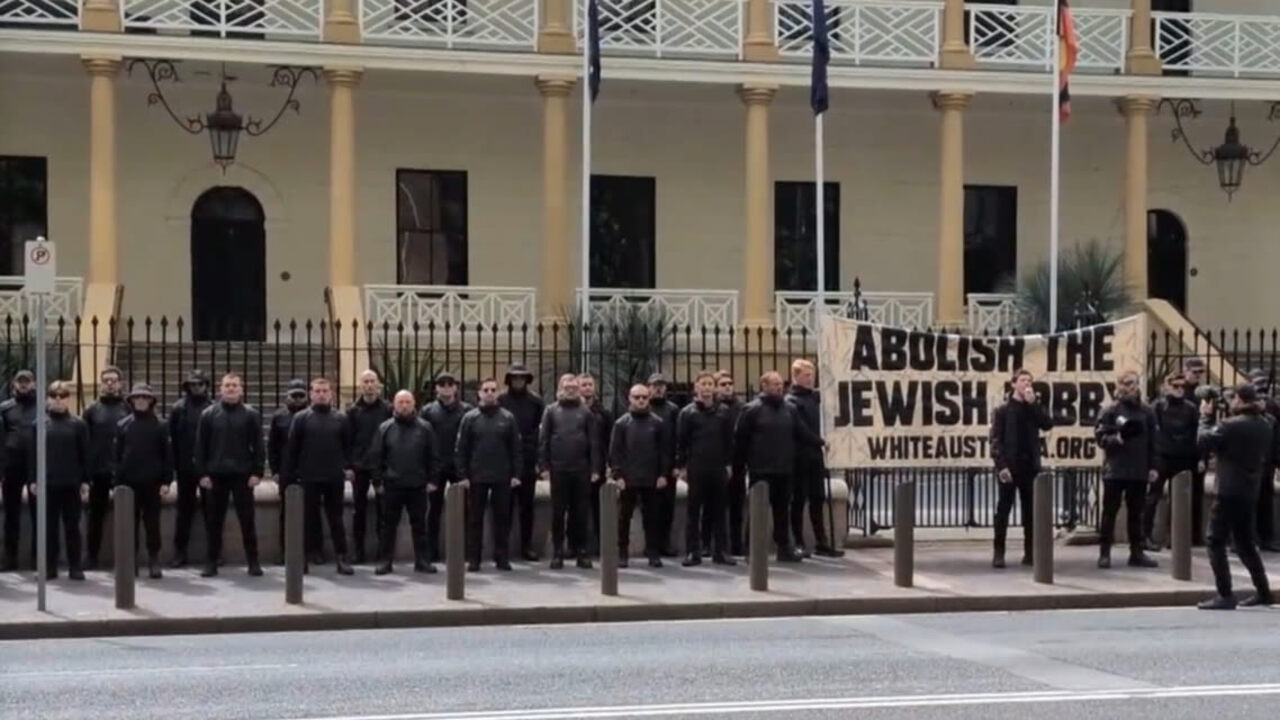
No reasonable observer in Australia questions the abhorrent nature of Thomas Sewell’s ideology. The National Socialist Network and its “White Australia” successor have openly embraced racial supremacy, conducted intimidating rallies, and engaged in violent confrontations such as the August 2025 attack on Camp Sovereignty. The government’s impulse to protect social cohesion from explicit neo-Nazism is both understandable and politically popular.
However, as an investigative journalist, my role is not to assess whether an organization is morally repugnant. My role is to look at the structural mechanics of state power. When you look past the headlines surrounding Thomas Sewell, you realize that White Australia Party v Commonwealth is not fundamentally about neo-Nazism. It is a battle over whether the Australian Executive branch can bypass Chapter III of the Constitution to unilaterally outlaw political movements.
What Important Details Have People Overlooked?
1. The Erasure of Judicial Fact-Finding
The most critical detail lost in mainstream reporting is the absence of judicial oversight within the proscription process.
Under standard criminal law, the state must present evidence to a judge or jury, prove beyond a reasonable doubt that an individual or group committed a specific crime, and secure a conviction before imposing criminal penalties.
┌────────────────────────────────────────────────────────────────────────┐
│                   DUE PROCESS VS. EXECUTIVE POWER                      │
├────────────────────────────────────────────────────────────────────────┤
│  TRADITIONAL CRIMINAL JUSTICE        2026 ANTI-HATE FRAMEWORK          │
│  ────────────────────────────        ────────────────────────          │
│  • Investigation by Law Enforcement  • ASIO / Security Agency Advice   │
│  • Public Court Trial                • Ministerial "Belief" Threshold  │
│  • Judicial Finding of Guilt         • Executive Proscription Order    │
│  • Penalty Assessed on Conviction    • Immediate Criminalisation  │
└────────────────────────────────────────────────────────────────────────┘
Under the Combatting Antisemitism, Hate and Extremism Act 2026, the Minister for Home Affairs can outlaw an entire organization based on ministerial “belief” that the group incites racial hatred or causes psychological harm. The court enters the picture only after the ban is declared, when a citizen is charged with up to 15 years in prison simply for maintaining membership or providing support.
2. The Unintended Alignment with Civil Libertarians
The legal battle has produced an extraordinary and uncomfortable alignment. Independent constitutional scholars like Professor Anne Twomey and advocacy bodies like the Queensland Council for Civil Liberties (QCCL) harbor utter contempt for Sewell’s neo-Nazi ideology. Yet, they have raised alarm bells over the legislation.
Why? Because constitutional precedents do not stay contained within the boxes where they were created. If the High Court rules that the Executive Government has the constitutional authority to declare a political party illegal based on executive assessments of “harm,” that same power becomes available to every future government. A conservative government could hypothetically use the precedent to target radical environmental groups; a progressive government could target hard-right immigration reform movements.
What Deeper Meaning Is Behind This Event?
The Ghost of Robert Menzies and 1951
To understand the legal gravity of September’s High Court trial, one must understand 1951.
┌────────────────────────────────────────────────────────────────────────┐
│                 THE HISTORICAL ECHO: 1951 VS. 2026                     │
├───────────────────────────────┬────────────────────────────────────────┤
│ 1951: COMMUNIST PARTY CASE    │ 2026: WHITE AUSTRALIA CASE             │
├───────────────────────────────┼────────────────────────────────────────┤
│ • PM Robert Menzies attempts  │ • PM Anthony Albanese passes laws      │
│   to ban the Communist Party. │   allowing hate group proscription.  │
│ • Justified by Cold War red   │ • Justified by rising extremism and    │
│   scare and national security.│   social cohesion threats.        │
│ • High Court STRIKES DOWN law │ • High Court testing whether the       │
│   as executive overreach.   │   Executive can bypass courts.     │
└───────────────────────────────┴────────────────────────────────────────┘
In 1950, at the height of the Cold War, Prime Minister Robert Menzies passed the Communist Party Dissolution Act. Menzies argued that communism was an existential threat to Australia that required immediate executive proscription.
In 1951, Chief Justice Sir John Latham was the sole dissent; six High Court justices ruled that Parliament could not give the Executive the power to recite itself into constitutional authority. As Justice Wilfred Fullagar famously wrote: “The stream cannot rise higher than its source.” The government could not simply declare that a group was a threat to the nation and thereby grant itself the power to ban it without judicial proof.
Sewell’s legal team is gambling that Chief Justice Gageler’s court will uphold the fundamental principle of the 1951 ruling: that the Executive cannot act as judge, jury, and executioner of political organizations.
Why Does This Story Matter?
This case matters because it tests whether a modern democracy can maintain its core constitutional structure under the pressure of online radicalization and social polarization.
┌────────────────────────────────────────────────────────────────────────┐
│                      THE DEMOCRATIC TENSION MODEL                      │
├────────────────────────────────────────────────────────────────────────┤
│                                                                        │
│   OPTION A: UNRESTRICTED FREEDOM                                       │
│   Permit extremist groups to organize politically until overt         │
│   physical violence occurs. (Risk: Social harm & radicalisation)      │
│                                                                        │
│                                 VS.                                    │
│                                                                        │
│   OPTION B: PRE-EMPTIVE EXECUTIVE BAN                                  │
│   Grant the State power to criminalise groups based on speech         │
│   and ideology. (Risk: Executive tyranny & erosion of liberty)         │
│                                                                        │
└────────────────────────────────────────────────────────────────────────┘
When a government adopts pre-emptive banning powers, it shifts the democratic social contract. It moves Australia away from the traditional Westminster model of punishing actions toward a model of punishing association and ideology.
What Questions Remain Unanswered?
-
How Will the High Court Define “Political Communication”? Does an organization whose explicit platform advocates white supremacy and racial exclusion qualify for protection under the implied freedom of political communication? Or will the court find that promoting hatred is fundamentally incompatible with the system of representative government the Constitution protects?
-
The Phoenix Problem: If the High Court strikes down the legislation, how does the state prevent extremist groups from repeatedly changing names and registering as formal political parties to gain electoral immunity?
-
The Intelligence Disclosure Dilemma: Because ministerial listings rely heavily on classified ASIO advice, how can an accused group defend itself in court if the evidence supporting its proscription is withheld for national security reasons?
A Powerful Summary
The High Court battle between Thomas Sewell and the Commonwealth of Australia is a landmark constitutional confrontation. While the Albanese government has enacted these laws to crush rising neo-Nazism and protect social cohesion, the legal mechanism it chose—executive proscription without judicial conviction—has reopened foundational constitutional questions that have sat dormant since 1951.
Emotional Reflection
Over thirty years in journalism, I have learned that the health of a democracy is measured by how it handles its worst actors. It is easy to defend freedom of speech and association when the speaker is reasonable, polite, and mainstream. The true test arrives when the speaker is abhorrent.
If Australia allows executive panic to erode constitutional safeguards, it risks damaging the very democratic framework it is trying to protect. Striking down hate groups is essential for a peaceful society—but doing so by handing unrestricted banning powers to politicians in Canberra is a dangerous tradeoff.
A Final Thought-Provoking Question
As Australia awaits the High Court’s final decision in September, every citizen must weigh a profound constitutional question:
When we give the government the power to outlaw political groups to protect us from hate, are we safeguarding our democracy—or are we building the legal machinery that a future regime could use against us?