
The Fractured Shield: Inside the Conservative Schism Over Andrew Hastie, Ben Roberts-Smith, and One Nation
The Political Explosion in Canning
A fierce, deeply personal political conflict has erupted across the Australian conservative landscape, transforming a historic military controversy into a frontline electoral battleground. James Ashby, chief strategist for Pauline Hanson’s One Nation, delivered an explicit warning to Liberal frontbencher and Deputy Opposition Leader Andrew Hastie over his involvement as a witness in legal proceedings involving decorated war veteran Ben Roberts-Smith.
Appearing on Sky News, Ashby publicly confirmed that One Nation is actively laying the groundwork to target Hastie in his Western Australian electorate of Canning at the upcoming federal election.
                     THE CANNING ELECTORAL FLASHPOINT
                                     |
    +--------------------------------+--------------------------------+
    |                                                                 |
 ANDREW HASTIE (Liberal MP)                        ONE NATION STRATEGY
 - Deputy Leader of the Opposition                 - James Ashby threatens electoral assault
 - Former SAS Troop Commander                      - 430+ registered members in Canning
 - Testified in Roberts-Smith proceedings          - Mobilizes nationalist/veteran base
    |                                                                 |
    +--------------------------------+--------------------------------+
                                     |
                           THE CORE CONFLICT
             Institutional accountability & legal oath vs.
             populist loyalty & veteran solidarity.
“We stand by all of our defence force members, and that is one thing Andrew Hastie is forgetting,” Ashby declared, revealing that One Nation already has over 430 registered members in Canning.
Key Figures and the Criminal Milestone
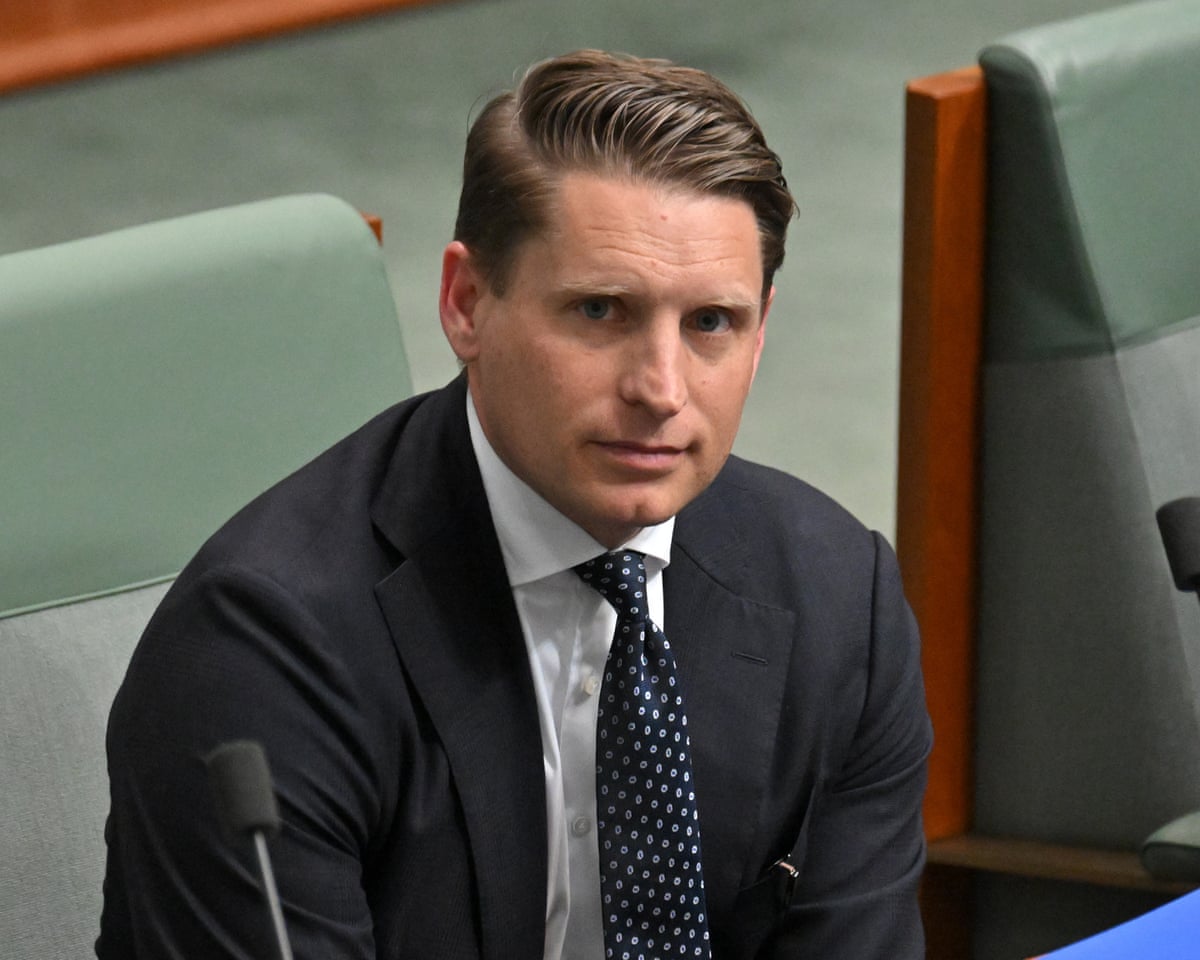
The escalation marks a decisive transition in the Ben Roberts-Smith affair from a media defamation trial to a criminal proceeding:
-
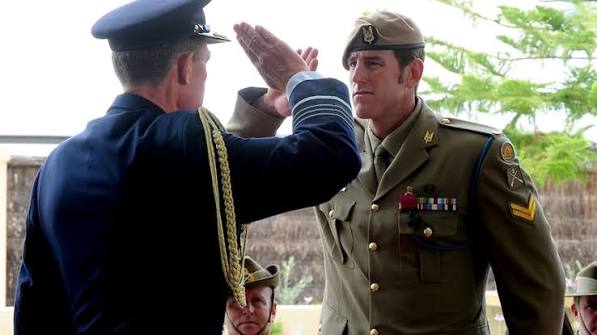
Ben Roberts-Smith VC: Once revered as Australia’s most decorated living soldier, the former Special Air Service Regiment (SASR) corporal lost a landmark civil defamation suit against Nine Entertainment newspapers in 2023, where a Federal Court judge found, on the balance of probabilities, that allegations of war crimes were substantially true. In April 2026, the Australian Federal Police arrested Roberts-Smith at Sydney Airport, formally charging him under the Commonwealth Criminal Code with five counts of murder related to alleged unlawful killings in Afghanistan between 2009 and 2012.
-
Andrew Hastie MP: A former SASR troop commander who served in Afghanistan during the same operational era, Hastie provided truthful evidence under subpoena during the defamation proceedings. Following the criminal charges, Hastie emphasized his duty to comply with judicial processes while calling for the presumption of innocence.
-
The One Nation Offensive: Led by Pauline Hanson and James Ashby, One Nation has aggressively aligned itself with Roberts-Smith. During regional by-elections and rallies, the party distributed campaign literature bearing the slogan: “HE FOUGHT FOR US. ONE NATION STANDS WITH HIM”.
       CHRONOLOGY OF AN INSTITUTIONAL COLLISION

 [ 2020: Brereton Inquiry ] ---> [ 2023: Defamation Defeat ] ---> [ April 2026: AFP Arrest ]
   Uncovers credible evidence     Federal Court finds war crime    Roberts-Smith charged with 5
   of unlawful SAS killings.      allegations substantially true.   counts of war crime murder.
                                                                                 |
                                                                                 v
 [ Re-election Commitment ] <--- [ Conservative Schism ] <--- [ May-June 2026: Ashby Threat ]
   Hastie vows to fight back    Social media attacks mount        One Nation threatens Canning
   against One Nation.          against Hastie over testimony.    seat over veteran "betrayal."
Responding on Sydney radio station 2GB, Hastie refused to retreat, questioning why One Nation was targeting a centre-right conservative instead of the Albanese Labor government:
“I am here to stay and I will recontest the next election… I’ve decided that I need to fight for the Liberal Party, and if I’m getting attacked by Pauline Hanson and James Ashby, then it looks weak to not respond.”
“My Professional Perspective”
Having spent thirty years dissecting national security apparatuses, electoral mechanics, and party factions across parliamentary democracies, I have learned that the most destructive political battles are rarely fought between traditional ideological opponents. They erupt inside political movements when loyalty to an institution collides with loyalty to a tribe.
“When a former Special Forces officer turned political leader is condemned by his own conservative base for honoring a legal oath, the dispute is no longer about military history—it is an existential war over the definition of patriotism.”
                         THE MODERN CONSERVATIVE SCHISM

     +-----------------------------------------------------------------+
     |                     INSTITUTIONAL RIGHT                         |
     |         Rule of law, judicial integrity, statutory duty,        |
     |         and military code of ethics (Andrew Hastie).            |
     +-----------------------------------------------------------------+
                                    VS
     +-----------------------------------------------------------------+
     |                     POPULIST NATIONALIST RIGHT                  |
     |         Unconditional veteran loyalty, anti-establishment        |
     |         distrust, and resistance to "elite" oversight (One Nation).|
     +-----------------------------------------------------------------+
What Important Details Have People Overlooked?
1. The Weaponization of Military Duty vs. Political Oaths
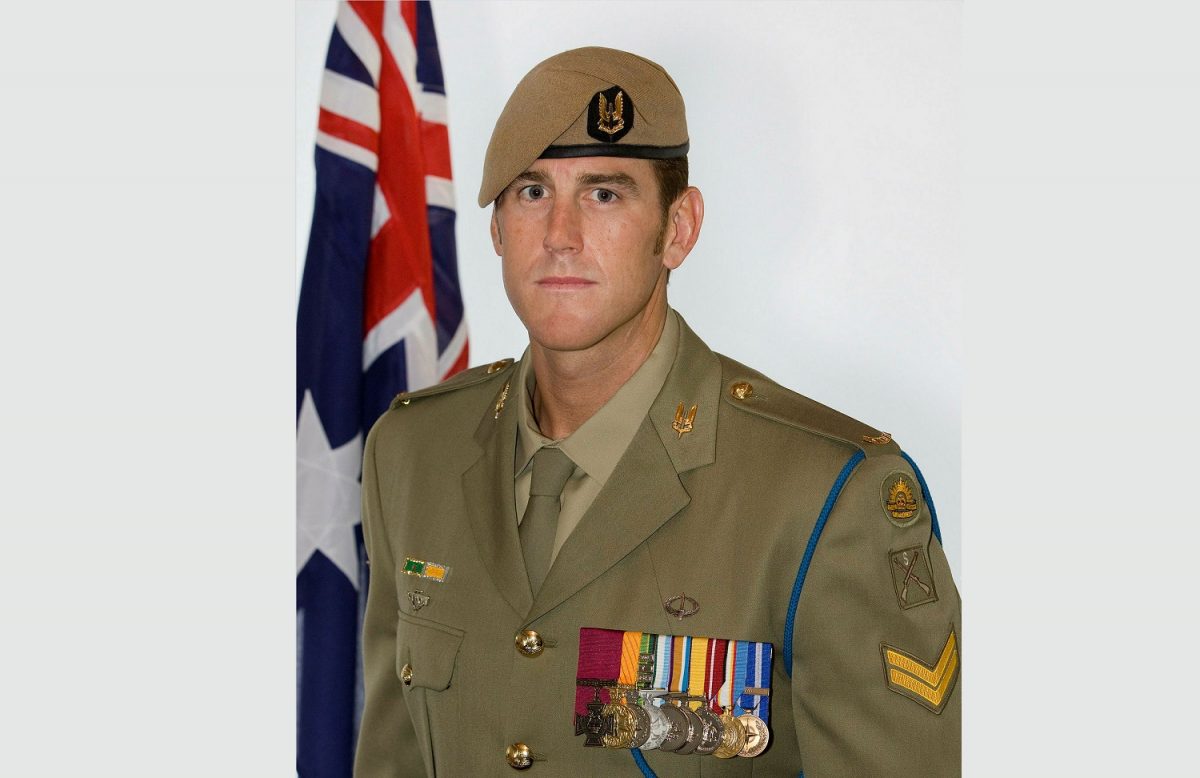
The attack on Andrew Hastie relies on a false dichotomy: that providing truthful testimony regarding operational misconduct constitutes a personal “betrayal” of military comrades.
In Special Forces culture, the ultimate loyalty is sworn to the nation and the lawful military chain of command—not to individual operators who violate the laws of armed conflict. As a former officer, Hastie’s testimony was not a political choice; it was a legal and moral obligation under military law. By reframing a soldier’s adherence to his oath as an act of political opportunism, One Nation is attempting to rewrite the fundamental ethics of Australian military service to suit a populist narrative.
2. The WA Electoral Calculus and the Preference Trap
Why target Canning? Western Australia remains a deeply volatile landscape for the federal Coalition following disastrous swing patterns in recent election cycles.
                    THE WESTERN AUSTRALIAN PREFERENCE TRAP
                                       |
    +----------------------------------+----------------------------------+
    |                                                                     |
 COALITION PRIMARY VOTE DILUTION                             PREFERENCE FLOW UNCERTAINTY
 - One Nation runs aggressive local candidate                - Preferences leak away from Liberals
 - Directs preferences against Hastie in Canning             - Labor retains structural advantage
 - Exploits regional veteran resentment                      - Splits conservative base in WA
By directing One Nation’s preferences away from Hastie or running an aggressive primary campaign in Canning, James Ashby does not necessarily expect to win the seat. The objective is to bleed the Liberal primary vote, force the Coalition to direct campaign resources into a previously safe outer-peril seat, and punish the Liberal leadership for maintaining an institutional posture on war crimes prosecutions.
3. The Silence of the Major Parties
While One Nation and the Liberal Right wage open warfare, the Albanese Labor government has maintained a disciplined, strategic silence. By stepping back and allowing the Commonwealth Director of Public Prosecutions (CDPP) and the Australian Federal Police to handle the Roberts-Smith trial, Labor avoids alienating veteran communities while watching its political opponents fracture over national security identity.
Comparative Structural Breakdown
To understand the mechanics driving this feud, we can evaluate the conflicting doctrines, operational levers, and political vulnerabilities of the primary actors:
| Structural Dimension | Andrew Hastie & Institutional Liberals | James Ashby & One Nation | Labor / Federal Government |
| Core Philosophy | Rule of Law, military discipline, institutional integrity. | Unconditional populist nationalism, anti-establishment anger. | Judicial independence, statutory process, quiet execution. |
| Strategic Lever | Personal combat record, parliamentary stature, centre-right policy. | Grassroots mobilization, veteran grievance, preference distribution. | Executive authority, independent prosecution mechanisms (CDPP/AFP). |
| Primary Risk | Preference loss in Canning; alienation of nationalist grassroots. | Being viewed as interfering in active criminal murder proceedings. | Accusations of administrative delay in resolving historical SAS allegations. |
What Deeper Meaning Lies Behind This Event?
This conflict marks the arrival of American-Style Identity Politics in Australian National Security.
                       THE BROKEN CONSERVATIVE CONSENSUS

     +-----------------------------------------------------------------+
     |                     HISTORICAL TRADITION                        |
     |         Bipartisan reverence for the ADF, respect for           |
     |         judicial processes, and institutional decorum.          |
     +-----------------------------------------------------------------+
                                    VS
     +-----------------------------------------------------------------+
     |                     CULTURE WAR REALITY                         |
     |         Military figures weaponized as partisan symbols;        |
     |         legal institutions framed as "deep state" enemies.      |
     +-----------------------------------------------------------------+
Historically, national defense and the Australian Defence Force (ADF) were treated as sacred ground in federal politics—protected by an unwritten agreement that military operations would not be converted into partisan culture wars.
That consensus has disintegrated. By turning Ben Roberts-Smith’s criminal prosecution into a litmus test for patriotism, One Nation is importing a hyper-polarized political model. In this framework, judicial evidence, military inquiries, and witness testimonies are dismissed as “elite establishment attacks” on national heroes.
Unanswered Questions
As the criminal proceedings against Ben Roberts-Smith move toward a jury trial, several pivotal questions remain unanswered:
-
The Sub Judice Boundary: At what point will public political statements and campaign signage regarding an active murder trial cross the legal line into contempt of court or jury contamination?
-
Coalition Preference Directives: Will federal Liberal leadership issue a formal directive on preference flows regarding One Nation in Western Australia if Ashby follows through on his threat?
-
The SASR Community Impact: How will the ongoing criminal trial affect operational morale and veteran support networks within the Special Air Service Regiment as former team members are called to testify under oath against one another?
The Unforgiving Mirror
The battle between Andrew Hastie and One Nation over Ben Roberts-Smith is a defining moment for Australian conservatism. It exposes a deep rift between those who believe national strength rests on the integrity of democratic institutions and those who believe it rests on unquestioning tribal loyalty.
Andrew Hastie’s refusal to back down under electoral threat demonstrates a willingness to defend the rule of law even when it carries severe political cost. But as One Nation mobilizes its grassroots machinery across Western Australia, the Liberal Party faces a dangerous dilemma: hold the line on institutional ethics or risk losing a crucial segment of its conservative base.
As Australia prepares for both a historic war crimes trial and a federal election, the outcome in Canning will send a clear message about the future of Australian democracy: whether political leadership requires defending difficult truths or bowing to populist rage.
A Question for Reflection
When a nation’s political leaders are forced to choose between defending judicial integrity and satisfying the emotional demands of their political base, which choice ultimately preserves the nation’s democratic character?