
Digital Lifelines or Smuggling Facilitators? The Hidden Ecosystem Behind the Channel Small Boat Crisis
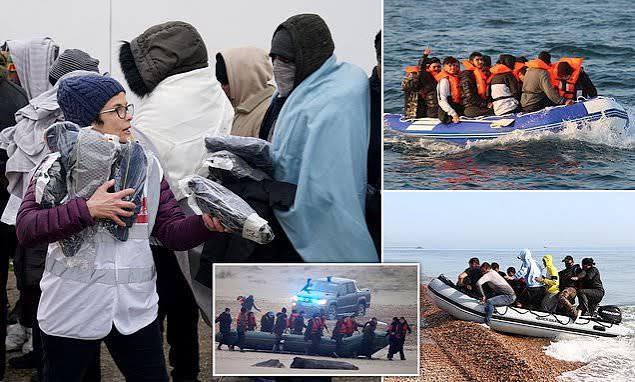
Along the windswept, rain-slicked coastlines of northern France—stretching from the scrubland of Dunkirk to the industrial fringes of Calais—thousands of individuals gather in makeshift encampments. They wait in mud-caked tents and under plastic tarpaulins, eyes fixed on the narrow, treacherous strip of water separating them from the white cliffs of Dover.
================================================================================
               THE ENGLISH CHANNEL SMALL BOAT CORRIDOR (2020–2026)
================================================================================
  METRIC / ISSUE             OFFICIAL DATA / METRICS
--------------------------------------------------------------------------------
  Primary Transit Route      Calais / Dunkirk beaches to Kent Coastline
  Transit Vehicle            Overcrowded rigid inflatable boats (RIBs / "Taxi boats")
  Key Humanitarian NGO       Care4Calais (UK Registered Charity #1169048)
  Controversial Aid Items    2,000+ SIM cards w/ 6-month preloaded data, phones
  Primary Conflict Point     Humanitarian relief vs. facilitating illegal entry
================================================================================
For nearly a decade, the English Channel small boat crisis has remained one of Western Europe’s most volatile political flashpoints. Despite successive bilateral agreements between London and Paris, billions of pounds pledged for French beach patrols, and harsher penal codes aimed at human traffickers, the flow of informal crossings has proven stubbornly resilient.

At the center of this human tide lies a sprawling, informal support architecture powered by non-governmental organizations (NGOs) and British charities operating on French soil. Prominent among them is Care4Calais, a high-profile UK-registered charity that advocates for open borders, safe passage, and the expanded acceptance of asylum seekers in Great Britain.
┌─────────────────────────────────────────────────────────────────────────────┐
│                         CARE4CALAIS FIELD OPERATIONS                        │
├─────────────────────────────────────────────────────────────────────────────┤
│                                                                             │
│   [FOUNDATIONAL MISSION]         [PRIMARY ACTIVITIES]                       │
│   Advocate for open borders,      - Distribution of clothes, tents, food    │
│   safe passage, and asylum        - Provision of mobile phones & power banks│
│   rights in the United Kingdom.   - Handout of 2,000+ preloaded SIM cards   │
│                                   - Legal interventions against pushbacks   │
│                                                                             │
└─────────────────────────────────────────────────────────────────────────────┘
Main Events: The Handout Disclosures
A major investigative disclosure by GB News exposed the extraordinary scale of material aid being distributed directly to prospective cross-Channel migrants by British aid workers in northern France.
According to the reporting, Care4Calais has distributed hundreds of thousands of individual items along the French coast. The aid packages include winter clothing, sleeping bags, hygiene products, and emergency rations. However, the revelation that triggered intense political backlash and national security scrutiny was the distribution of more than 2,000 free mobile phone SIM cards, preloaded with up to six months of high-speed cellular data.
The distribution program went beyond basic SIM cards. Reports highlighted fundraising drives and distribution efforts aimed at placing smartphones, high-capacity portable power banks, and communications accessories directly into the hands of individuals waiting in informal coastal encampments.
Care4Calais defended these provisions as essential humanitarian aid designed to keep vulnerable “people on the move” connected with family members, legal advisors, and emergency services in the event of life-threatening distress at sea.
┌─────────────────────────────────────────────────────────────────────────────┐
│                   SUMMARY OF DISCLOSED AID DISTRIBUTIONS                   │
├─────────────────────────────────────────────────────────────────────────────┤
│  1. SIM CARDS: 2,000+ units equipped with 6 months of pre-paid mobile data. │
│  2. HARDWARE: Mobile handsets, smartphones, and high-capacity power banks.  │
│  3. SURVIVAL GEAR: Tents, sleeping bags, waterproof outerwear, footwear.     │
│  4. LOGISTICAL AID: Portable chargers and field battery-station access.     │
└─────────────────────────────────────────────────────────────────────────────┘
Key Figures and Counter-Arguments
The disclosure immediately ignited a fierce clash between border security analysts, political figures, and humanitarian advocates.
-
Nigel Farage and Reform UK Representatives: Argued that handing out preloaded SIM cards and smartphones in France acts as a powerful “pull factor,” effectively subsidizing the logistics of illegal migration and lowering the operational costs for criminal gangs.
-
Chris Phillips (Former Head of the UK National Counter Terrorism Security Office): Raised grave security concerns regarding unmonitored communications devices being distributed in informal migrant hubs without identity verification, warning that such hardware can be weaponized by criminal networks or individuals posing security risks.
-
Steve Smith (CEO of Care4Calais) and Charity Activists: Maintained that digital connectivity is a fundamental human right in the modern world. They argued that denying migrants access to mobile communications does not stop small boat crossings, but merely leaves vulnerable people isolated, unable to call for rescue when overloaded dinghies capsize in frigid international waters.
┌─────────────────────────────────────────────────────────────────────────────┐
│                      THE POLITICAL & LEGAL FLASHPOINTS                      │
├─────────────────────────────────────────────────────────────────────────────┤
│                                                                             │
│   CRITICS & SECURITY ANALYSTS              HUMANITARIAN & NGO LEADERS       │
│   - SIM cards act as a digital "pull"      - Connectivity is a basic human  │
│     incentive for illegal crossings.         right in the digital age.      │
│   - Hardware aids human smugglers in       - Phones provide lifesaving GPS   │
│     coordinating offshore departures.        SOS signals during capsizings. │
│   - Unverified SIMs pose counter-          - Lack of safe legal routes forces│
│     terrorism & security risks.              recourse to informal aid.      │
│                                                                             │
└─────────────────────────────────────────────────────────────────────────────┘
Political Fallout and Oversight Questions
The revelations have put intense pressure on the Charity Commission for England and Wales, the statutory regulator responsible for overseeing registered charities.
Lawmakers across the political spectrum have raised fundamental questions regarding the legal boundaries of charitable work. Specifically, critics are questioning whether a UK-registered charity, enjoying tax-exempt status and public donations, should be permitted to provide logistical and technological equipment to non-citizens in a foreign jurisdiction who are actively preparing to violate UK border controls.
Meanwhile, French law enforcement officials along the Pas-de-Calais coastline find themselves caught in the middle. While French authorities face escalating pressure from London to halt “taxi boats” launching from shallow estuaries, local police guidelines historically restricted interventions once dinghies entered deep water. The presence of British NGOs handing out advanced communications gear right under their noses adds yet another layer of friction to Anglo-French diplomatic relations.
================================================================================
           MY PROFESSIONAL PERSPECTIVE: THE HIDDEN MECHANICS OF THE CRISIS
================================================================================
  1. The Overlooked Reality   ──► The modern phone as an indispensable navigation tool
  2. The Deeper Meaning      ──► The unintentional symbiosis between NGOs and smugglers
  3. Why This Story Matters  ──► The breakdown of national borders vs. privatized aid
  4. Unanswered Questions    ──► Telecom funding, identity verification, & legal immunity
  5. The Essential Insight   ──► Compassion without strategic boundaries fuels chaos
================================================================================
As an investigative journalist who has spent thirty years embedded in conflict zones, border crossings, and refugee corridors from the Balkans to the Rio Grande, I have learned that the most dangerous stories are rarely black-and-white. They live in the gray zone where noble intentions, criminal enterprise, and geopolitical failure overlap.
When mainstream outlets broadcast footage of charity workers handing out plastic bags filled with clothes and SIM cards on a muddy French beach, the public sees one of two caricatures: either saintly humanitarians relieving human suffering, or anti-national activists abetting an illegal invasion.
Both caricatures miss the real story. What we are witnessing in Calais is not merely a charitable outreach program; it is the emergence of a privatized, parallel infrastructure that unwittingly stabilizes and lubricates a multi-million-pound human smuggling trade.
Here is the deeper side of the story that news headlines routinely fail to analyze.
1. The Overlooked Detail: A Smartphone Is Not a “Freebie”—It Is Maritime Navigation Infrastructure
To understand why the distribution of 2,000 preloaded SIM cards is such an explosive revelation, one must understand how a Channel crossing actually occurs in 2026.
The public often envisions small boat crossings as primitive, desperate gambles where migrants simply pile into a dinghy and hope the wind carries them toward Dover. That era ended years ago. Today, Channel crossings are high-tech, precision-timed logistical operations orchestrated by sophisticated Kurdish, Albanian, and North African criminal syndicates.
┌─────────────────────────────────────────────────────────────────────────────┐
│                 THE ANATOMY OF A MODERN SMALL BOAT CROSSING                 │
├─────────────────────────────────────────────────────────────────────────────┤
│  STAGE 1: ASSEMBLY & BRIEFING                                               │
│  Migrants assemble in scrubland using encrypted messaging apps (WhatsApp /  │
│  Signal) to receive GPS coordinates for launch sites.                      │
│                                                                             │
│  STAGE 2: OFFSHORE TACTICAL LAUNCH                                          │
│  "Taxi boats" push off from French estuaries; passenger groups move into    │
│  shallow surf guided by real-time mobile pin drops.                         │
│                                                                             │
│  STAGE 3: MID-CHANNEL NAVIGATION & RESCUE TRIGGER                          │
│  Navigators use smartphone GPS to follow shipping lanes; upon entering UK   │
│  waters, automated distress calls are broadcast to Coastguard / RNLI.       │
└─────────────────────────────────────────────────────────────────────────────┘
In a modern small boat crossing, a smartphone equipped with six months of high-speed roaming data is not a luxury item for personal entertainment. It is the boat’s primary navigation system, tactical communications link, and rescue beacon.
-
GPS Navigation: Overcrowded rubber dinghies rarely carry marine compasses or dedicated radar systems. Navigators—often migrants offered discounted passage by smugglers in exchange for steering the vessel—rely entirely on Google Maps or marine navigation apps running on smartphones.
-
Launch Coordination: Smugglers do not gather fifty migrants on an open beach hours in advance; French police patrols would spot them immediately. Instead, passengers are held in surrounding woodlands and sent real-time location pins via encrypted messaging platforms minutes before a “taxi boat” arrives in the surf.
-
Distress Beaconing: The moment a boat crosses the invisible maritime border into UK territorial waters, passengers use their phones to broadcast immediate Mayday calls, transmit exact latitude/longitude coordinates to the HM Coastguard or Border Force, and trigger statutory search-and-rescue protocols that ensure safe escort into Dover harbor.
When an NGO provides a migrant with a smartphone, a high-capacity power bank, and a six-month preloaded data SIM, they are not merely giving them a phone; they are supplying the vital digital hardware necessary to complete the transit.
┌─────────────────────────────────────────────────────────────────────────────┐
│                   THE UNINTENDED LOGISTICAL SUBSIDY                         │
├─────────────────────────────────────────────────────────────────────────────┤
│                                                                             │
│   SMUGGLING SYNDICATE EXPENSES            NGO PROVIDED HARDWARE             │
│   - Rigid Inflatable Boats (RIBs)         - Smartphone & GPS interface      │
│   - Outboard Motors                       - High-speed 6-month SIM data     │
│   - Fuel canisters                        - Power banks & charging kits     │
│   [OPERATIONAL SAVINGS: Smugglers offload communications costs onto charities]│
│                                                                             │
└─────────────────────────────────────────────────────────────────────────────┘
The tragedy of this ecosystem is that while charity volunteers distribute these devices out of genuine concern for human safety, they simultaneously subsidize the operational overhead of organized crime networks. The smugglers no longer need to provide navigation equipment or satellite phones—the British charity sector has unknowingly covered that cost for them.
2. The Deeper Meaning: The Unwitting Symbiosis Between NGOs and Organized Crime
This brings us to the most uncomfortable truth in modern border reporting: the structural symbiosis between humanitarian organizations and criminal smuggling networks.
Neither side wants to admit this alliance exists. Humanitarians despise the smugglers, viewing them as ruthless extortionists who prey on human misery. Smugglers view NGO volunteers with quiet amusement, treating them as useful idiots who provide free catering, clothing, and telecommunications to their paying clients.
Yet, functional operational dependency binds them together:
┌─────────────────────────────────────────────────────────────────────────────┐
│                  THE FUNCTIONAL CYCLE OF CANAL MIGRATION                    │
├─────────────────────────────────────────────────────────────────────────────┤
│                                                                             │
│     ┌─────────────────────────────────────────────────────────────────┐     │
│     │  1. Smugglers charge £2,000–£5,000 per head for Channel transit.│     │
│     └────────────────────────────────┬────────────────────────────────┘     │
│                                      │                                      │
│                                      ▼                                      │
│     ┌─────────────────────────────────────────────────────────────────┐     │
│     │  2. Migrants arrive in Calais woodland camps stripped of funds. │     │
│     └────────────────────────────────┬────────────────────────────────┘     │
│                                      │                                      │
│                                      ▼                                      │
│     ┌─────────────────────────────────────────────────────────────────┐     │
│     │  3. NGOs step in with tents, food, power banks, & preloaded SIMs.│     │
│     └────────────────────────────────┬────────────────────────────────┘     │
│                                      │                                      │
│                                      ▼                                      │
│     ┌─────────────────────────────────────────────────────────────────┐     │
│     │  4. Migrant stability & connectivity restored; transit proceeds. │     │
│     └─────────────────────────────────────────────────────────────────┘     │
└─────────────────────────────────────────────────────────────────────────────┘
If Care4Calais and other NGOs withdrew from northern France tomorrow, the immediate result would not be the sudden disappearance of migrants. The result would be severe humanitarian distress: malnutrition, hypothermia, untreated infections, and extreme vulnerability.
However, that severe distress would force two things to happen:
-
The French state would be forced to take full, aggressive responsibility for housing, clearing, or deporting people in Calais, rather than relying on British charities to manage the humanitarian fallout on French soil.
-
The smuggling syndicates would have to spend their own massive profits to feed, shelter, and equip their clients to keep them alive and viable for transit.
By stepping into the vacuum, British charities effectively relieve both the French state and the smuggling syndicates of the financial and logistical burden of maintaining thousands of people in northern France. The charity sector becomes an unofficial, tax-subsidized maintenance department for the small boat supply chain.
3. Why This Story Matters: The Collapse of Democratic Consent and the Crisis of Charity
This story matters far beyond the shores of Kent and Pas-de-Calais because it strikes at the heart of public trust in the charitable sector and the integrity of democratic law-making.
In the United Kingdom, charitable status is a prized legal privilege. Charities receive significant tax exemptions, gift-aid top-ups funded directly by British taxpayers, and a high degree of public deference. That privilege is granted on the implicit assumption that charities act for the broader public benefit and operate within the spirit of the law.
When a UK charity engages in activities that actively undermine national border enforcement policies established by an elected Parliament, a dangerous rift opens between charitable activism and democratic consent.
┌─────────────────────────────────────────────────────────────────────────────┐
│                       THE TRIANGLE OF INSTITUTIONAL TENSION                 │
├─────────────────────────────────────────────────────────────────────────────┤
│                                                                             │
│   ELECTED PARLIAMENT                CHARITY COMMISSION      NGO ACTIVISTS   │
│   - Enacts border laws.             - Enforces statutory    - Operates on   │
│   - Allocates enforcement funds.     oversight rules.       moral mandates  │
│   - Accountable to voters.          - Trapped in middle.    over border law.│
│                                                                             │
└─────────────────────────────────────────────────────────────────────────────┘
If a charity’s leadership decides that its moral mandate (“open borders and universal free movement”) supersedes the statutory laws passed by the country’s sovereign parliament, it ceases to function as a conventional aid organization. It becomes a political pressure group operating a covert foreign logistical arm.
This dynamic creates intense cynicism among the public. Working-class communities in the UK, grappling with stretched local services, housing shortages, and stagnating wages, watch tax-incentivized charities provide free smartphones, data plans, and clothing to non-citizens who are preparing to enter the country illegally. The result is a dangerous erosion of social cohesion and growing hostility toward the entire concept of international humanitarian relief.
4. What Questions Remain Unanswered?
As an investigative analyst, I am trained to follow the money and look for institutional blind spots. In the wake of the GB News disclosures, several crucial questions remain entirely unanswered:
-
Who is supplying the wholesale SIM contracts? Distributing 2,000 SIM cards preloaded with six months of high-speed international roaming data is a massive financial transaction. Which telecommunications providers are partnering with Care4Calais? Are these corporate donations, or are they being purchased using public donations? Do the telecom providers conduct Know Your Customer (KYC) identity checks before activating thousands of roaming SIMs?
-
What counter-terrorism and security screening exists for hardware distribution? When a charity worker hands a smartphone and an active SIM card to an unvetted individual in an informal camp, who verifies that individual’s true identity or background? In an era of heightened national security threats, how does the Charity Commission ensure that UK-funded communications hardware is not being utilized by human traffickers, terror suspects, or organized criminals?
-
Why do French authorities permit unverified mobile infrastructure distribution on their soil? French law enforcement strictly regulates SIM card registration within France to prevent anonymous burner phones from being used in organized crime. Why are foreign NGOs allowed to distribute thousands of roaming foreign SIM cards within French territory without local law enforcement oversight?
┌─────────────────────────────────────────────────────────────────────────────┐
│                     UNANSWERED INVESTIGATIVE QUESTIONS                      │
├─────────────────────────────────────────────────────────────────────────────┤
│  1. TELECOM ORIGIN: Which mobile networks are fulfilling these data contracts?│
│  2. SECURITY CLEARANCE: Are identity checks performed prior to SIM activation?│
│  3. REGULATORY JURISDICTION: Why does French law permit unvetted SIM handouts?│
│  4. TAXPAYER OVERSIGHT: Are Gift Aid tax relief funds subsidizing hardware?  │
└─────────────────────────────────────────────────────────────────────────────┘
5. What Audiences Must Understand Beyond the Headline
Beyond the sensationalist soundbites, the public must confront a fundamental reality: you cannot solve a border crisis by pretending that aid is politically neutral.
Providing water, basic emergency medical care, and winter coats to starving human beings in a muddy field is an act of basic human decency that no civil society should ever criminalize.
However, providing operational technology—smartphones, preloaded multi-month data roaming plans, power banks, and legal tactics designed to evade maritime interceptions—crosses the line from emergency aid into active logistical support.
Until society learns to distinguish between humanitarian relief that keeps a person alive and logistical facilitation that enables an illegal crossing, the crisis in the English Channel will continue to escalate.
Summary: The Paralysis of the Moral High Ground
The disclosure of Care4Calais’s massive SIM card distribution scheme along the French coast represents a microcosm of the modern Western immigration dilemma.
On one side stands an NGO sector convinced of its absolute moral superiority, operating under the banner of open borders and universal rights, willing to deploy technological tools to circumvent national immigration controls. On the other side stands a frustrated electorate and a struggling national government, watching its sovereign borders rendered porous by a combination of criminal gang audacity and NGO logistical support.
================================================================================
                    THE STALEMATE ON THE FRENCH COAST
================================================================================
  FOR THE NGOs:       An imperative to protect "people on the move" and
                      provide digital connectivity regardless of border laws.
  FOR THE STATE:      A statutory duty to enforce border security, prevent human
                      trafficking, and maintain public trust in charities.
  THE VICTIMS:        The migrants risking their lives in rubber dinghies and
                      the citizens whose faith in the rule of law is shattered.
================================================================================
Emotional Reflection
If you stand on the beach at Cap Gris-Nez at three o’clock in the morning, the silence is broken only by the crash of the surf and the distant drone of an outboard motor pushing into the pitch-black void of the shipping lanes.
In that cold dark water, human lives are on the line. No sane person wants to see a rubber dinghy capsize, or watch frightened men, women, and children drown in freezing waters within sight of the English coast. The instinct to help, to reach out a hand, to hand over a coat or a phone so someone can call for rescue, is deeply human.
But compassion divorced from strategic reality is not kindness—it is chaos.
When well-meaning charity volunteers hand out the very tools that allow human smugglers to launch overcrowded dinghies into storm-tossed seas, they become part of the machinery that puts those lives in danger in the first place. By smoothing the path for an illegal journey, they ensure that another boat will launch tomorrow, another smuggler will collect a fortune, and another family will risk everything in the dark.
Until we have the courage to confront the unintended consequences of our own goodwill, the English Channel will remain what it is today: a liquid graveyard built on good intentions and criminal profits.
A Thought-Provoking Question for Discussion
As Western democracies struggle to balance humanitarian ethics with national sovereignty, we must ask ourselves:
When an aid organization provides technological equipment that actively facilitates the violation of border laws, where does humanitarian relief end and criminal facilitation begin?