
The Rhetorical Shield: How Sadiq Khan Pivot From Crime Statistics to Identity Politics Under Pressure
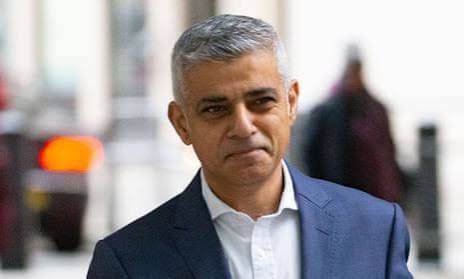
The political atmosphere in London flared dramatically following an Open Iftar event hosted in Trafalgar Square during Ramadan. The gathering, organized by the Ramadan Tent Project to break the daily fast and allow open-air Muslim prayer, saw thousands of attendees alongside London Mayor Sir Sadiq Khan.
What was framed by City Hall as a celebration of civic inclusion rapidly turned into a fierce ideological flashpoint. Shadow Justice Secretary Nick Timothy ignited a media storm by publishing a video of the public prayer on social media, describing mass ritual prayer in landmark civic spaces as an “act of domination and division” and claiming it was drawn “straight from the Islamist playbook”.
================================================================================
                    THE TRAFALGAR SQUARE IFTAR CONTROVERSY
================================================================================
  EVENT / LOCATION           Open Iftar & Mass Prayer / Trafalgar Square, London
  KEY PARTICIPANTS           Mayor Sadiq Khan, Ramadan Tent Project, 1,000s of attendees
  CRITICS & CLAIMS           Nick Timothy (Shadow Justice Sec.): "Act of domination & division"
                             Danny Kruger (Reform UK MP): "Claiming the civic realm"
  DEFENDERS & CLAIMS         Sadiq Khan (Mayor): "Heartbroken", warned of alienation
                             Keir Starmer (Prime Minister): Called comments "utterly appalling"
================================================================================
The political reaction was swift and polarizing. Conservative Leader Kemi Badenoch backed Timothy, arguing that public expressions of faith must align with British cultural norms and raising concerns about gender separation during prayers. Conversely, Prime Minister Keir Starmer branded the comments “utterly appalling” and called for Timothy’s dismissal.

The Rebuttal: The “Second-Class Citizen” Warning
Responding forcefully to the criticism, Sadiq Khan asserted that such political rhetoric makes British Muslims feel like “second-class citizens” in their own country. Expressing dismay over the hostility directed at a peaceful community event, Khan argued that framing public worship as a threat delegitimizes minority communities and fuels rising anti-Muslim hatred.
This phrasing echoed warnings Khan delivered years earlier, notably in 2019 during debates over revoking the citizenship of British-born individuals linked to foreign extremist groups, where he similarly cautioned against creating tiers of legal and social citizenship.
┌─────────────────────────────────────────────────────────────────────────────┐
│                     THE CLASH OVER CRIME STATISTICS                         │
├─────────────────────────────────────────────────────────────────────────────┤
│  MAYORAL CLAIMS (CITY HALL):                                                │
│  - 12% Fall in Violent Offences across all 32 London Boroughs (2-year trend).│
│  - 17% Drop in Homicide Rates since Khan took office in 2016.              │
│  - London framed as one of the "safest major global cities."                │
│                                                                             │
│  OPPOSITION & CRITIC CLAIMS:                                                │
│  - Neil Garratt (London Assembly): Accuses Mayor of "cherry-picking stats." │
│  - Public Perception Gap: High concern over knife crime, phone-snatching,    │
│    and retail theft out of sync with official police figures.               │
└─────────────────────────────────────────────────────────────────────────────┘
The Statistical Shield: Defending the Crime Record
Intertwined with the debate on identity and public space is Khan’s ongoing campaign to defend his administration’s record on public safety. Facing persistent criticism over knife crime, gang activity, and street safety, the Mayor pointed to Metropolitan Police data indicating:
-
A 12% reduction in violent offenses across all 32 London boroughs over a two-year evaluation period.
-
A 17% decline in the overall homicide rate since he assumed office in 2016.
Khan routinely attributes public anxiety over crime to an “outrage economy” fueled by right-wing media outlets, social media algorithms, and US political commentators. However, London Assembly members, including Conservative representative Neil Garratt, counter that the Mayor uses selective data to “gaslight Londoners,” arguing that official stats fail to capture the reality of low-level street crime, retail theft, and public disorder experienced by residents daily.
================================================================================
           MY PROFESSIONAL PERSPECTIVE: ANALYSIS OF THE RHETORICAL COUNTER
================================================================================
  1. The Overlooked Reality   ──► The shift from administrative metric to identity shield
  2. The Deeper Meaning      ──► Tactical usage of the "Second-Class Citizen" motif
  3. Why This Story Matters  ──► The weaponization of civic public spaces in modern UK
  4. Unanswered Questions    ──► The gap between official crime stats & street-level fear
  5. The Essential Insight   ──► Deflecting policy scrutiny behind community defense
================================================================================
As a veteran political analyst who has spent thirty years dissecting the mechanics of municipal power, press operations, and electoral strategy across London and Washington, I have learned that when a politician shifts an argument from policy metrics to moral injury, they are executing a deliberate tactical pivot.
Sadiq Khan is one of the most durable political figures in modern Britain. His third-term mandate as Mayor of London is a testament to his ability to navigate hyper-polarized political terrain. Yet, examining the fallout from the Trafalgar Square Iftar reveals a strategic pattern that deserves rigorous, unvarnished analysis.
┌─────────────────────────────────────────────────────────────────────────────┐
│                      THE MECHANICS OF THE RHETORICAL PIVOT                  │
├─────────────────────────────────────────────────────────────────────────────┤
│                                                                             │
│   [STAGE 1: SCRUTINY OF POLICY]     ──►   [STAGE 2: IDENTITY COUNTER]       │
│   Critics challenge crime metrics,        Mayor re-frames criticism as an   │
│   policing efficacy, or public space      attack on minority community      │
│   usage (Trafalgar Square).               belonging ("Second-class status").│
│                                                                             │
└─────────────────────────────────────────────────────────────────────────────┘
Here is the deeper side of the story that standard news reports miss.
1. The Overlooked Detail: The Strategic Utility of the “Second-Class Citizen” Motif
The phrase “second-class citizen” is one of the most potent weapons in a politician’s lexicon. It immediately shifts the battleground from administrative accountability to civil rights and existential harm.
Notice the sequence of events:
-
Opposition MPs critique the scale and optics of a mass public prayer in a historic civic square.
-
Instead of engaging in a purely constitutional debate regarding public space usage, municipal guidelines, or religious neutrality, the Mayor elevates the debate to a claim that millions of British Muslims are being systematically marginalized.
By invoking the concept of second-class citizenship, Khan accomplishes two strategic goals simultaneously:
-
He consolidates his core constituency: Re-framing criticism as an attack on an entire faith group mobilizes voter solidarity within British Muslim communities, turning a localized controversy into an electoral rallying cry.
-
He places critics on the defensive: Opponents who raise legitimate, albeit awkwardly expressed, questions about civic cohesion or public space regulations are instantly coded as bigoted or exclusionary.
This is not an accidental emotional reaction; it is a battle-tested communications strategy that Khan has deployed repeatedly throughout his political career when facing institutional pressure.
2. The Deeper Meaning: The Disconnect Between Crime Data and Citizen Experience
While the Mayor defends his administration by citing a 12% drop in violent crime and a 17% drop in homicides, he faces a persistent challenge: a complete breakdown in public perception.
┌─────────────────────────────────────────────────────────────────────────────┐
│                   THE STATISTICAL VS. PERCEIVED CRIME GAP                   │
├─────────────────────────────────────────────────────────────────────────────┤
│  CITY HALL DATA (THE MACRO):                                                │
│  - Homicides down 17% since 2016.                                           │
│  - Violent crime down 12% across 32 boroughs over two years.                │
│                                                                             │
│  STREET-LEVEL REALITY (THE MICRO):                                          │
│  - Phone snatching & e-bike robberies up significantly in Central London.   │
│  - Retail shoplifting & anti-social behavior going unpunished by police.    │
│  - Low public confidence in Met Police response times for volume crime.     │
└─────────────────────────────────────────────────────────────────────────────┘
Why does official data fail to reassure ordinary Londoners? Because the nature of urban crime has evolved:
-
Volume Crime Invisibility: While homicides and serious gun/knife violence may show statistical declines due to targeted intelligence operations, low-level “quality of life” crimes—phone-snatching by e-bike gangs, open-air drug dealing, high-street shoplifting, and residential burglaries—have effectively been decriminalized through low police response rates.
-
The Atmosphere of Disorder: When citizens witness brazen theft on Oxford Street or encounter aggressive panhandling in public transport hubs without police intervention, their sense of safety collapses, regardless of what City Hall’s homicide charts show.
When Khan dismisses public concern over crime as the result of a “MAGA-backed outrage economy,” he makes a major strategic miscalculation. He tells citizens that their lived experience is an illusion generated by foreign algorithms—a claim that fuels charges of “gaslighting” from Assembly members like Neil Garratt.
3. Why This Story Matters: The Weaponization of Civic Spaces
Trafalgar Square is not merely an open plaza; it is Britain’s preeminent national civic stage. Historically built to commemorate naval victory and national independence, it has served for centuries as a venue for public protest, royal celebrations, and religious festivals across faiths.
┌─────────────────────────────────────────────────────────────────────────────┐
│                       THE TRAFALGAR SQUARE PRECEDENT                        │
├─────────────────────────────────────────────────────────────────────────────┤
│                                                                             │
│   TRADITIONAL CIVIC MODEL                  PLURALIST MULTICULTURAL MODEL    │
│   - Space reserved for national            - Space open to all major faith  │
│     memorials, civic rallies, and            traditions for public display  │
│     Christian holiday traditions.            and community integration.     │
│                                                                             │
│   THE FRICTION POINT: When mass religious observances in civic space are     │
│   interpreted by opponents as political posturing or cultural displacement. │
└─────────────────────────────────────────────────────────────────────────────┘
The dispute between Nick Timothy and Sadiq Khan reveals that the UK’s multicultural settlement is entering a far more volatile phase.
For critics like Timothy and Reform UK’s Danny Kruger, mass public prayers in national landmarks represent an assertion of religious presence that challenges the historic Christian character of the civic realm. For supporters of the Open Iftar, the event is an expression of pluralism, showing that British Muslims are an integral part of modern London’s public life.
When municipal leaders choose to participate in and champion these events, they must anticipate that in a polarized political climate, public space will become an ideological battlefield.
4. What Questions Remain Unanswered?
To cut through the political theater surrounding both the Iftar row and the crime debate, several critical questions must be asked:
-
How are Metropolitan Police resources allocated to volume crime? If violent crime rates are indeed falling, why have charge rates for street robberies and phone thefts in central London remained historically low?
-
What are the precise guidelines for religious events in public spaces? Does City Hall apply uniform criteria to all religious, political, and cultural organizations seeking permits for Trafalgar Square, and how is gender segregation during public religious events evaluated under equality laws?
-
What is the true impact of anti-Muslim hatred in the capital? Beyond rhetorical claims, what do Metropolitan Police reporting figures show regarding the rise of hate crimes targeting both Muslim and Jewish communities since recent geopolitical escalations?
Summary: The Entrenched Political Divide
The clash over the Trafalgar Square Iftar and London’s crime statistics illustrates a fundamental rift in modern British politics. Sadiq Khan has demonstrated a consistent ability to frame administrative and cultural criticism as part of a broader ideological assault on minority inclusion. In doing so, he successfully rallies his base while frustrating political opponents who feel their policy critiques are unfairly tarred as prejudice.
================================================================================
                    THE BALANCING ACT OF MUNICIPAL LEADERSHIP
================================================================================
  THE MAYORAL STRATEGY:   Defend administrative record using macro stats while
                           framing cultural criticism as community marginalization.
  THE OPPOSITION COUNTER:  Challenge street-level safety realities and question the
                           expansion of mass religious observances in civic spaces.
  THE ULTIMATE RESULT:    A deeply polarized electorate where basic facts about crime
                           and community cohesion are viewed through partisan lenses.
================================================================================
Emotional Reflection
Walking through London—a city of incredible diversity, ancient history, and intense modern friction—you realize that urban peace is built on a delicate balance of mutual respect, public safety, and shared civic norms.
When political leaders and their critics reduce complex issues like street crime, religious expression, and community belonging into weaponized soundbites, the ordinary citizens of the capital lose out. A city cannot thrive if its residents feel unsafe walking home at night, nor can it flourish if entire communities are told that practicing their faith in public makes them a threat to the nation’s heritage.
Leadership requires bridging these divides with transparency and accountability, rather than retreating into the comforting armor of identity politics.
A Thought-Provoking Question for Discussion
As Western capitals grapple with shifting demographics, public safety concerns, and cultural integration, we must confront a fundamental question:
How can a modern, multicultural city celebrate religious diversity in public spaces without turning national civic landmarks into battlegrounds for culture-war politics?