
RNLI Lifeboats Denied Port Access in South Coast Migration Clash
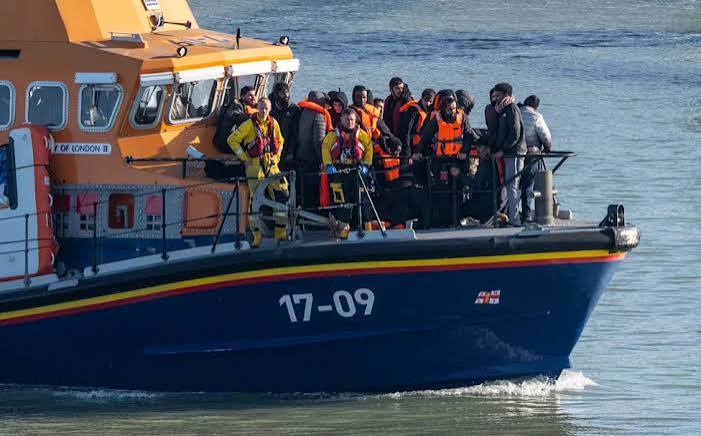
Two RNLI lifeboats carrying around 120 people rescued from the English Channel were turned away from Portsmouth and Southampton, triggering a chaotic landing at Eastney Marina and violent protests that left seven police officers injured.
What Happened
A maritime rescue operation off England’s south coast escalated into a fierce national security and public order crisis after two RNLI lifeboats carrying approximately 120 rescued individuals were denied entry to two major ports.
The incident unfolded after a large migrant vessel was intercepted near the Isle of Wight.
Requests were made for the rescue lifeboats to dock at Portsmouth Harbour and the Port of Southampton, but both port authorities declined access.
The vessels ultimately headed to Eastney in Langstone Harbour, where the group was brought ashore.
The landing immediately drew anti-migrant demonstrators, leading to a tense standoff, blocked roads, and violent clashes that resulted in injuries to seven police officers.
While the arrivals were transferred to standard immigration processing facilities, the chaotic sequence has ignited intense scrutiny over port contingency plans, border security, and the safety of volunteer rescue crews.
Why It Matters
The episode lays bare the growing friction between maritime safety obligations and border enforcement pressures in Britain.
When major commercial ports refuse entry to rescue vessels carrying large numbers of people, it exposes operational gaps in handling unusual mass arrivals.
Furthermore, the violent protests at Eastney highlight how public frustration over small-boat crossings is increasingly spilling over into civil unrest.
The incident also places volunteer lifeboats directly into the crosshairs of a polarized political debate, raising urgent questions about how emergency responders are treated when carrying out life-saving duties at sea.
Why Southampton and Portsmouth Refused Entry
The decisions by port operators to turn away the lifeboats were rooted in operational realities rather than political statements.
Associated British Ports (ABP), which operates the Port of Southampton, confirmed it declined the request because Southampton was not the closest port during an immediate safety-of-life emergency and lacked suitable reception facilities for the group.
ABP noted it would have acted if it were the nearest safety-of-life location or if formally directed by authorities.
Similarly, the King’s Harbour Master in Portsmouth declined a Coastguard request to permit entry into the harbour, though operational specifics were not publicly detailed.
These rejections left lifeboats carrying vulnerable people circling with nowhere to dock, forcing authorities to improvise an alternative landing site at Eastney Marina.
The Explosion of Violence at Eastney
What began as an administrative dispute over port access quickly transformed into a high-tension public disorder incident upon landing.

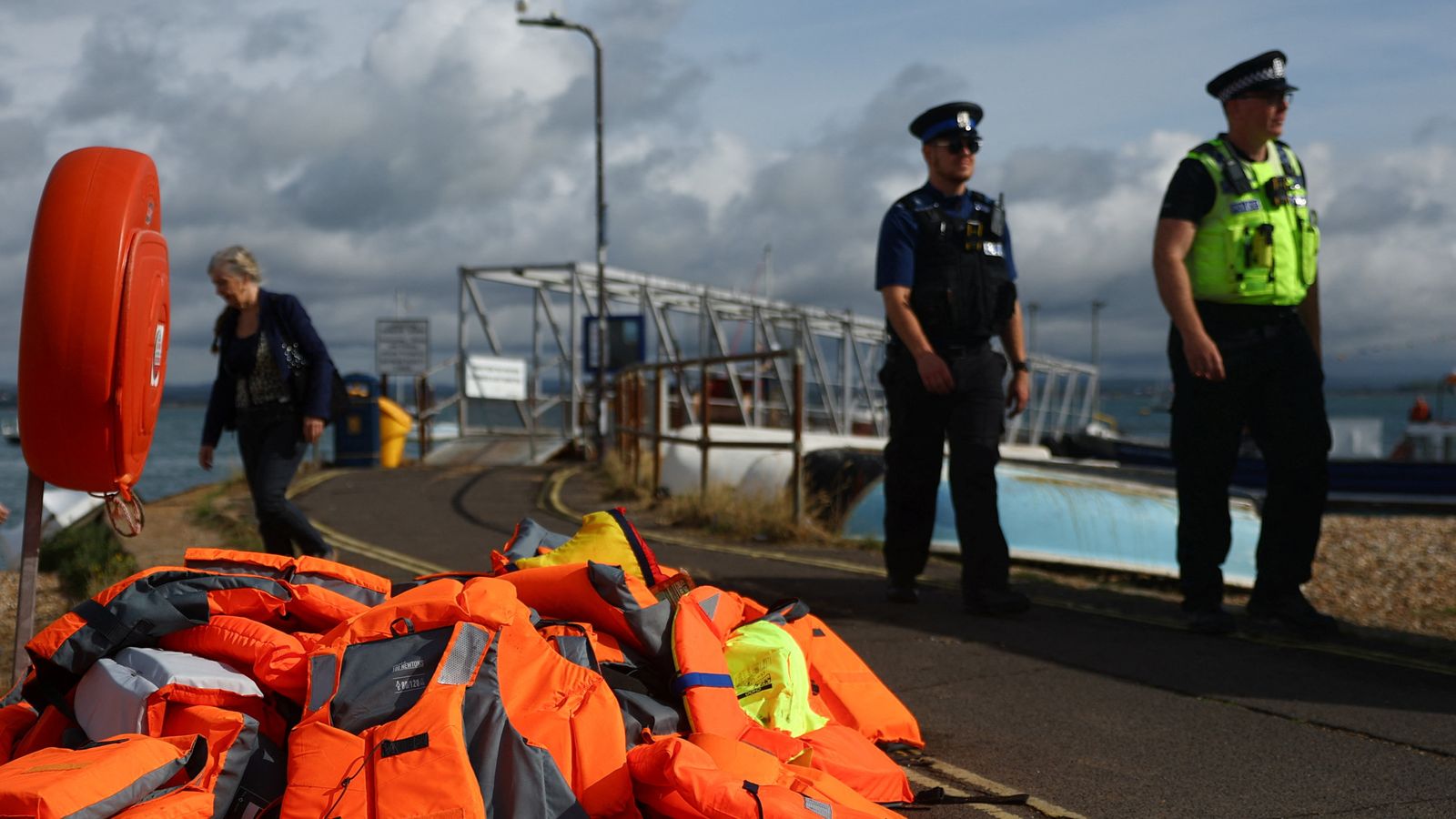
Protesters blocked the road leading away from the Portsmouth RNLI station as coaches arrived to transport the individuals for immigration processing.
Hampshire Police deployed officers in protective gear to maintain order, but the situation deteriorated rapidly.
Demonstrators threw stones and bricks at police, pushed officers from motorcycles, and damaged property.
Subsequent investigations confirmed that seven police officers sustained injuries during the clashes, prompting widespread condemnation from local officials and calls to identify those responsible for the violence.
RNLI Volunteers Caught in the Political Crossfire
The RNLI voiced strong dissatisfaction with how the communication and port denials were handled, emphasizing the strain placed on its volunteer crews.
Unlike state agencies, the RNLI’s core mandate is saving lives at sea when tasked by HM Coastguard, regardless of nationality or legal status.
However, the charity has increasingly found itself targeted by public anger surrounding Britain’s migration policies.
In the wake of the protests, volunteers faced online intimidation and harassment, prompting condemnation from government officials such as Digital Secretary Lisa Nandy regarding abusive commentary on social media platforms.
Defenders of the organisation stress that lifeboat crews do not write asylum laws or manage borders; their sole responsibility is preventing drowning at sea.
What Different Sides Are Saying
-
Port Operators and Authorities: Maintain that decisions to deny entry were based on logistical constraints, lack of specialized reception facilities, and maritime proximity rules.
-
Immigration Critics: Argue that the growing frequency of large-scale Channel arrivals highlights systemic failures in border control and stopping illegal crossings.
-
Humanitarian and Rescue Advocates: Insist that maritime life-saving duties must remain separate from political debates over asylum, urging protection for volunteer crews.
What Happens Next
Police investigations into the violent disorder at Eastney remain ongoing as authorities work to identify individuals responsible for injuring officers and damaging property.
Meanwhile, pressure is mounting on HM Coastguard, Border Force, port operators, and the Home Office to establish clear, predetermined contingency protocols for managing mass-rescue landings.
Without formalized procedures, emergency responders risk facing similar logistical deadlocks—and public flashpoints—whenever large groups are intercepted in the Channel.
How do you think ports and maritime authorities should manage emergency landing requests when large numbers of people are rescued at sea?