Manufactured Outrage or Genuine Crisis? The Fierce Battle Over Border Narratives, Public Trust, and the Future of Immigration Policy. n1

The Architecture of Outrage: Inside the Algorithmic, Political, and Legal Battles Shaping the Western Border Debate
The modern iteration of Britain’s migration debate cannot be understood without examining the aftermath of the 2016 Brexit referendum. A central promise of the Leave campaign was the restoration of sovereign control over national borders—summarized by the slogan “Take Back Control.” The subsequent termination of free movement with the European Union successfully altered the demographic composition of arrivals, shifting legal migration toward points-based frameworks for non-EU skilled workers, health sector personnel, and international students.
However, the post-Brexit landscape also severed Britain’s access to key European Union administrative frameworks, most notably the Dublin III Regulation, which allowed member states to request that other EU nations take back asylum seekers if they had first entered or applied for protection there.
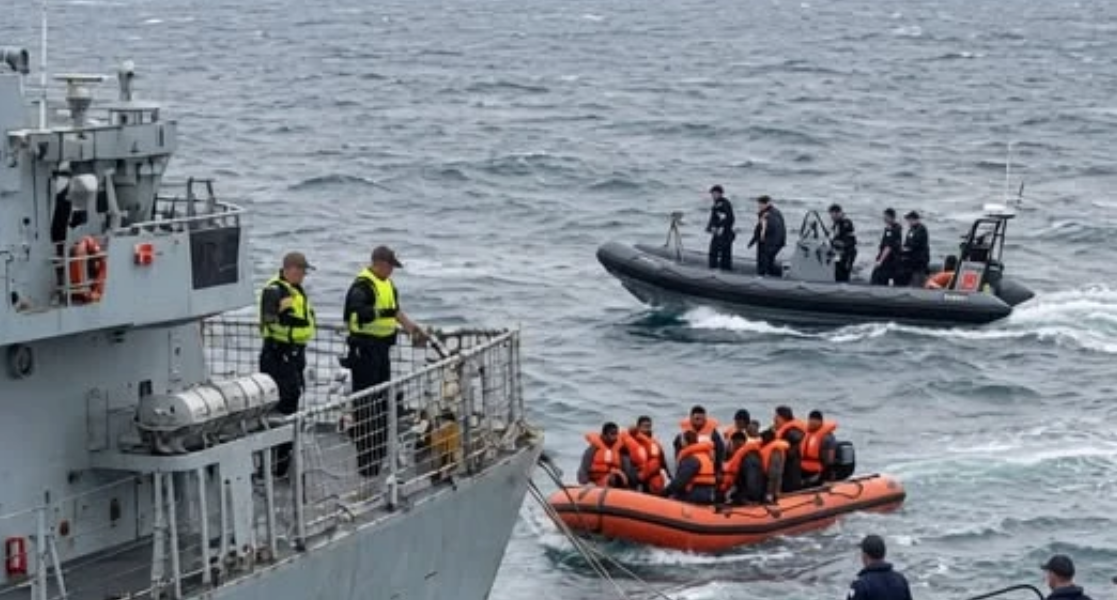
Coinciding with this administrative shift was the rapid emergence of organized human-smuggling networks operating across northern France, which abandoned traditional clandestine truck crossings in favor of high-volume, low-cost inflatable craft across the English Channel.
       ┌─────────────────────────────────────────────────────────┐
       │             THE POST-BREXIT STRUCTURAL SHIFT            │
       └────────────────────────────┬────────────────────────────┘
                                    │
    ┌───────────────────────────────┼───────────────────────────────┐
    ▼                               ▼                               ▼
┌────────────────────────┐  ┌────────────────────────┐  ┌────────────────────────┐
│   FREE MOVEMENT ENDS   │  │   DUBLIN REGULATION    │  │  CHANNEL ROUTE RE-RIG  │
├────────────────────────┤  ├────────────────────────┤  ├────────────────────────┤
│ Shift to points-based  │  │ UK exits EU return     │  │ Organized syndicates   │
│ legal migration for    │  │ mechanisms for first-  │  │ pivot from trucks to   │
│ non-EU skilled labor.  │  │ entry processing.      │  │ inflatable craft.      │
└────────────────────────┘  └────────────────────────┘  └────────────────────────┘
The Small Boats as Political Lightning Rods
Statistically, small boat crossings account for a minority fraction of total net migration into the United Kingdom, which remains overwhelmingly driven by legal, visa-sanctioned pathways. Yet politically, the small boats carry disproportionate symbolic weight.
For proponents of strict border enforcement, the sight of unmonitored vessels landing on Southern beaches represents a visible breakdown of territorial sovereignty. It fuels perceptions that criminal cartels dictate who enters the country, undermining public trust in the rule of law and creating anxieties over unvetted arrivals.
For human rights advocates and legal scholars, the focus on small boats risks obscuring the human realities of international displacement. They emphasize that a significant percentage of individuals embarking on dangerous sea crossings originate from conflict-affected or autocratic nations—such as Afghanistan, Syria, Iran, and Eritrea—where formal, legal humanitarian visa pathways to the UK are either extraordinarily narrow or non-existent.
The Information Ecosystem: Algorithms and Asymmetric Warfare
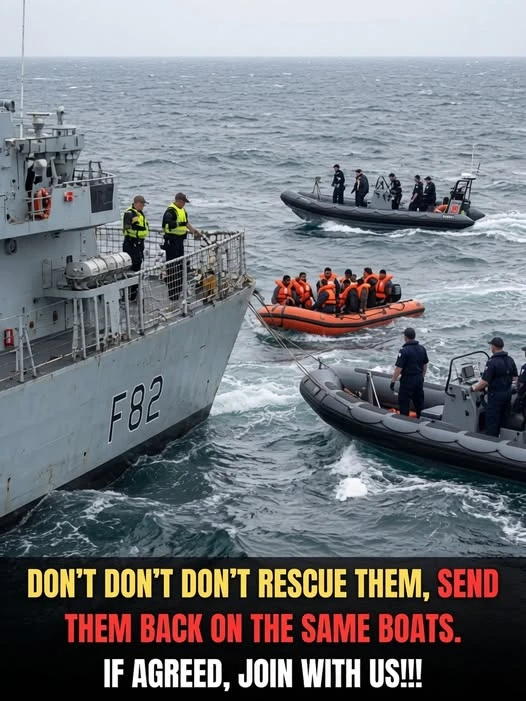
The modern border debate is no longer mediated primarily through official parliamentary reports or traditional investigative journalism. Instead, it plays out in real time across digital platforms optimized for maximum emotional engagement.
Social media algorithms are structurally engineered to amplify content that triggers immediate cognitive reactions—principally fear, outrage, and tribal defensiveness. A ten-second video clip showing a confrontational moment outside a processing center or a police interaction on a beach can accrue millions of views within hours, stripped of temporal or legal context.
Simultaneously, national security agencies across Western democracies have repeatedly warned of foreign information operations. Hostile state actors actively deploy automated networks, deepfake media, and targeted bot farms not necessarily to champion one specific side of the migration debate, but to hyper-polarize existing domestic fault lines, erode faith in public institutions, and destabilize democratic consensus.
┌────────────────────────────────────────────────────────────────────────┐
│                   THE DIGITAL INFORMATION WARFARE CYCLE                │
├────────────────────────┬───────────────────────┬───────────────────────┤
│    ALGORITHMIC BIAS    │    EMOTIONAL ENGAGEMENT│   INSTITUTIONAL DECAY │
├────────────────────────┼───────────────────────┼───────────────────────┤
│ Platforms prioritize   │ High-viscosity rage & │ Public loses faith in │
│ high-friction, viral   │ fear content spreads  │ official statistics,  │
│ video fragments.       │ 6x faster than text.  │ media, and state data.│
└────────────────────────┴───────────────────────┴───────────────────────┘
To evaluate this crisis like an experienced investigative analyst, one must reject the comforting narrative that this entire debate is either a complete political fiction or a simple story of good versus evil.
The uncomfortable truth is that both realities exist simultaneously: Western border systems are under profound, unprecedented structural strain, and that strain is being aggressively exploited, exaggerated, and weaponized by political actors, media networks, and digital algorithms.
Here is the deeper, unvarnished analysis of what is driving this crisis beneath the surface.
       ┌─────────────────────────────────────────────────────────┐
       │             THE DUAL REALITY OF THE CRISIS              │
       └────────────────────────────┬────────────────────────────┘
                                    │
                        ┌───────────┴───────────┐
                        ▼                       ▼
            ┌───────────────────────┐ ┌───────────────────┐
            │  STRUCTURAL REALITY   │ │ MANUFACTURED NOISE│
            ├───────────────────────┤ ├───────────────────┤
            │ • Backlogged courts   │ │ • Algorithmic rage│
            │ • Housing deficits    │ │ • Political props │
            │ • 1951 legal obsol-   │ │ • Foreign bot     │
            │   escence             │ │   amplification   │
            └───────────┬───────────┘ └─────────┬─────────┘
                                                │
                                                ▼
                                    ┌───────────────────┐
                                    │ PUBLIC PARALYSIS  │
                                    ├───────────────────┤
                                    │ Collapse of civic │
                                    │ trust and policy  │
                                    │ consensus         │
                                    └───────────────────┘
The Systemic Strain Is Real: The Administrative Collapse
It is a mistake to dismiss public concern over border integrity as mere prejudice or media manipulation. The operational pressures facing state infrastructure are tangible and well-documented.
-
The Asylum Processing Bottleneck: Over the past decade, administrative processing capacity inside the UK Home Office and European interior ministries has suffered from chronic backlogs. When initial asylum assessments take twelve to thirty-six months rather than weeks, the state is forced to procure costly temporary accommodation—such as commercial hotels or repurposed barges—at immense taxpayer expense.
-
Local Infrastructure Friction: While overall national economies often benefit from immigration over multi-decade horizons, the immediate costs are almost always localized. When a high volume of new arrivals is placed in economically depressed or infrastructure-starved municipalities, local GP surgeries, school admission boards, and municipal housing registers experience immediate pressure. Ignoring this localized friction creates fertile ground for populist backlash.
-
The Smuggling Cartel Monopoly: Human trafficking is no longer an informal, ad-hoc network; it is a multi-billion-dollar international logistics industry. Smuggling syndicates utilize encrypted communications, offshore financial networks, and sophisticated supply chains to move human beings across borders. Treating this challenge as a simple administrative matter ignores the criminal realities operating on the ground.
The Manufactured Outrage: The Political Weaponization of Discontent
While the operational challenges are genuine, the political utilization of these challenges is often deeply cynical.
Political figures across the spectrum have discovered that immigration provides an inexhaustible supply of political capital. For right-wing populists, pointing to small boats offers an immediate explanation for broader, systemic national failings—such as declining public services, housing unaffordability, or wage stagnation—redirecting public anger away from complex fiscal choices and onto an easily identifiable external group.
For progressive commentators, there is an equally destructive temptation to dismiss all public anxiety regarding border control or rapid demographic change as inherently bad-faith or xenophobic. By failing to acknowledge the legitimate security and logistical concerns of working-class communities, progressive institutions have historically ceded the entire national security conversation to populist actors.
┌────────────────────────────────────────────────────────────────────────┐
│                        THE POLITICAL WEAPONIZATION                     │
├────────────────────────┬───────────────────────┬───────────────────────┤
│    POPULIST STRATEGY   │  PROGRESSIVE BLINDNESS │    POLITICAL OUTCOME   │
├────────────────────────┼───────────────────────┼───────────────────────┤
│ Reduces complex social │ Dismisses legitimate  │ Total destruction of  │
│ decay to border        │ infrastructure anxiety│ bipartisan policy     │
│ enforcement failure.   │ as bad-faith.         │ center ground.        │
└────────────────────────┴───────────────────────┴───────────────────────┘
The Legal Anachronism: 1951 Law in a 2026 World
The central legal dilemma facing modern Western nations is that international asylum law was built for an entirely different century.
The 1951 UN Refugee Convention was drafted in the wake of World War II to address static, state-sponsored displacement within Europe. It was designed in an era before commercial air travel, encrypted mobile communication, globalized smuggling syndicates, and mass economic disparities between the Global North and Global South.
Under current international legal frameworks, if an individual reaches the physical territory of a signatory state and utters the word “asylum,” the state is legally obligated to admit them into an extensive judicial processing framework, regardless of how they arrived or whether they passed through multiple safe third countries.
This creates an irreconcilable conflict:
-
The Legal Mandate: States must respect individual human rights, prohibit summary pushbacks, and afford due process to every applicant.
-
The Sovereign Mandate: States must maintain territorial integrity and determine who enters and remains within their borders.
When international legal treaties prevent democratic governments from swiftly returning individuals who do not meet protection standards, democratic electorates begin to view international law itself as an obstacle to national security.
┌────────────────────────────────────────────────────────────────────────┐
│                   THE LEGAL & OPERATIONAL CONFLICT                     │
├────────────────────────┬───────────────────────┬───────────────────────┤
│ 1951 CONVENTION OBLIGATION │ DEDICATED STATE REALITY │ CONSTITUTIONAL IMPACT │
├────────────────────────┼───────────────────────┼───────────────────────┤
│ Universal right to     │ Inability to manage   │ Public demand to      │
│ territorial access upon│ volume or return non- │ override international│
│ protection claim       │ qualifying arrivals   │ court rulings         │
└────────────────────────┴───────────────────────┴───────────────────────┘
The border crisis gripping Britain and the wider Western world will not be resolved by viral outrage, political theatricality, or simplistic campaign slogans.
The tragic reality of the modern immigration debate is that it forces democratic societies to confront an agonizing trade-off between two core values: the ethical obligation to provide sanctuary to the persecuted, and the democratic duty to maintain secure, law-governed borders that command the trust of the citizenry.
┌────────────────────────────────────────────────────────────────────────┐
│                        THE TRIPLE TRILEMMA                             │
├────────────────────────┬───────────────────────┬───────────────────────┤
│   HUMANITARIAN DUTY    │   SOVEREIGN CONTROL   │    CIVIC TRUST        │
├────────────────────────┼───────────────────────┼───────────────────────┤
│ Upholding international│ Enforcing physical    │ Maintaining public    │
│ protection standards   │ border security and   │ faith in democratic   │
│ for genuine refugees   │ legal return pathways │ institutions          │
└────────────────────────┴───────────────────────┴───────────────────────┘
When governments rely on statistical manipulation or performative enforcement measures, they do not restore calm—they deepen public cynicism. Conversely, when critics dismiss genuine anxieties over local infrastructure and border integrity, they accelerate the breakdown of social cohesion.
Restoring sanity to this debate requires intellectual honesty. It demands acknowledging that borders cannot be left unmanaged, that international legal frameworks require modernization for the 21st century, and that human beings fleeing war cannot be reduced to political props.
Until Western democracies develop the courage to build immigration systems that are both operationally firm and humanely efficient, citizens will remain trapped in an endless, algorithmically generated cycle of outrage—watching the headlines explode while the underlying crisis remains unresolved.
A Thought for Discussion:
If a democratic society allows its immigration debate to be dictated by digital algorithms that reward fear and political performance over operational reality, can it ever build a border system that is both legally secure and morally defensible?