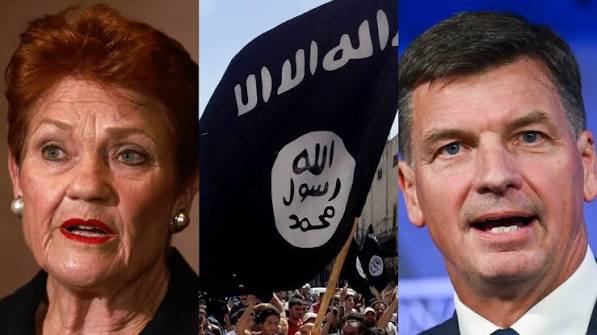

Shadows of Sovereignty: Inside the Political Battle Over Australia’s Returning Foreign Fighters
In the corridors of Parliament House in Canberra, national security is rarely just a matter of statutes, border checks, and intelligence briefs. It is the ultimate political arena—a high-stakes chessboard where legal precedent, voter sentiment, and existential questions of citizenship collide.
A fresh tactical war has erupted across Australia’s political right over how the nation should handle returning foreign terrorist fighters. The catalyst was a bold, hardline legislative maneuver by Senator Pauline Hanson, the long-serving leader of Pauline Hanson’s One Nation. Hanson circulated a draft private member’s bill directly to members of parliament, proposing sweeping new statutory prohibitions designed to permanently bar Australian citizens who have fought for, supported, or aligned themselves with designated overseas terrorist organizations—most notably remnants of ISIS in the Middle East—from ever setting foot on Australian soil again.
                     AUSTRALIA'S COUNTER-TERRORISM TRIANGLE
                                ┌─────────────────┐
                                │ ALBANESE GOVT   │
                                │ (Labor)         │
                                └────────┬────────┘
                                         │
                   Executive Power vs.   │  Constitutional &
                   Judicial Oversight    │  Rule-of-Law Limits
                                         │
             ┌───────────────────────────┴───────────────────────────┐
             ▼                                                       ▼
   ┌───────────────────┐                                   ┌───────────────────┐
   │ OPPOSITION LEADER │ ◄────── Legislative Clash ──────► │ ONE NATION        │
   │ Angus Taylor      │      Unity vs. Fragmentation      │ Pauline Hanson    │
   │ (Coalition)       │                                   │ (Crossbench)      │
   └───────────────────┘                                   └───────────────────┘
The response from Opposition Leader Angus Taylor, who assumed the leadership of the Liberal Party, was swift and calculated. Rather than embracing Hanson’s draft legislation or engaging in a public arms race over who could draft the harsher text, Taylor publicly pushed back. He urged Hanson and her crossbench colleagues to abandon their standalone bill and instead throw their parliamentary weight behind the Coalition’s existing, pre-packaged counter-terrorism framework.
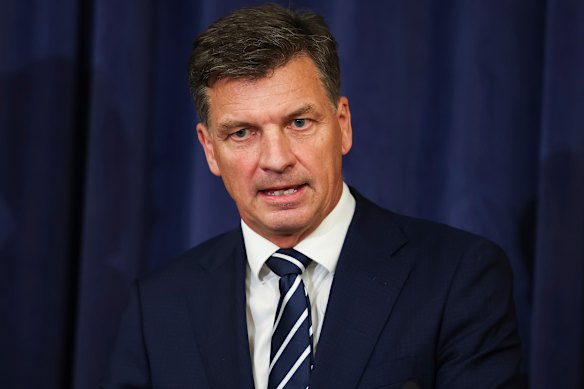
Taylor argued that duplicating legislative attempts risks fragmenting conservative political pressure, creating legal loopholes, and diluting the opposition’s ability to hold the government to account. His message to One Nation was unambiguous: national security demands operational cohesion and legislative discipline, not competing private members’ bills that face near-certain procedural blockage in the Senate.
Key Figures and the Political Standoff
The unfolding debate brings into sharp focus three distinct political philosophies competing for dominance in Australian national security policy:
-
Angus Taylor (Leader of the Opposition & Liberal Party): Positioning the Coalition as a ready-to-govern alternative, Taylor insists that the Coalition already possesses a battle-tested, constitutional blueprint to prevent foreign fighters from returning. By urging minor parties to align with the Coalition’s established platform, Taylor seeks to keep the conservative base united under a single banner.
-
Pauline Hanson (Leader of One Nation): Operating from the populist right, Hanson has consistently championed absolute border restrictions. Her bill seeks an unyielding, absolute ban on the repatriation of Australians linked to overseas terror groups, challenging both major parties to match her uncompromising stance.
-
The Albanese Labor Government: Occupying the treasury benches, Prime Minister Anthony Albanese’s administration maintains that any executive action, border control measure, or citizenship control must remain strictly anchored within existing constitutional limits, international obligations, and judicial oversight.
┌─────────────────────────────────────────────────────────────────────────────┐
│                       THREE COMPETITIVE PERSPECTIVES                        │
├───────────────────┬───────────────────────────┬─────────────────────────────┤
│ Political Actor   │ Primary Legislative Goal  │ Core Operational Philosophy │
├───────────────────┼───────────────────────────┼─────────────────────────────┤
│ Pauline Hanson    │ Absolute, blanket ban on  │ Unconditional exclusion;    │
│ (One Nation)      │ foreign fighter returns   │ uncompromising border stance│
├───────────────────┼───────────────────────────┼─────────────────────────────┤
│ Angus Taylor      │ Unified Coalition framework│ Structured, constitutional, │
│ (Coalition)       │ with executive controls   │ ready-to-enact legislation  │
├───────────────────┼───────────────────────────┼─────────────────────────────┤
│ Labor Government  │ Executive discretion under│ Strict adherence to rule of │
│ (Albanese)        │ current statutory powers  │ law & judicial review       │
└───────────────────┴───────────────────────────┴─────────────────────────────┘
The Emerging Points of Friction
At the heart of this confrontation lies a fundamental distinction in methodology. Hanson’s proposal seeks an absolute prohibition—a legal mechanism intended to permanently sever an individual’s right of entry based on executive or intelligence assessments of overseas involvement with terrorist entities.
Conversely, Taylor’s Coalition advocates for a structured system that relies on pre-existing statutory mechanisms, such as Temporary Exclusion Orders (TEOs), controlled return protocols, and stringent law-enforcement monitoring upon arrival. The Coalition maintains that an overly blunt instrument—such as Hanson’s proposed total ban—risks being struck down by the High Court of Australia as unconstitutional, ultimately leaving the nation more exposed than before.
The Albanese Government, meanwhile, points out that Australian intelligence agencies and the Australian Federal Police (AFP) already operate under existing national security statutes, insisting that any new measures must withstand rigorous judicial review to avoid setting dangerous executive precedents.
“My Professional Perspective”
1. The High Court Shadow: The Details Overlooked in the Chamber
Having spent three decades covering national security battles from Washington to London and Canberra, I have learned that the loudest political debates are rarely about the text of the bill itself. They are about the invisible constitutional boundaries that govern what a democracy can legally do to its own citizens.
What many observers overlook in the current skirmish between Angus Taylor and Pauline Hanson is the long shadow cast by the High Court of Australia. In recent years, Australia’s highest court has repeatedly demonstrated a willingness to invalidate national security legislation that oversteps executive authority or attempts to strip citizens of fundamental common-law rights without judicial process.
                     THE LEGAL TIGHTROPE FOR PARLIAMENT
┌─────────────────────────────────────────────────────────────────────────────┐
│                      HIGH COURT CONSTITUTIONAL LIMITS                       │
├─────────────────────────────────────────────────────────────────────────────┤
│  • Section 51(vi) (Defense Power): Subject to strict proportionality tests │
│  • Chapter III (Judicial Power): Executive cannot impose punitive measures │
│  • International Law Constraints: Allegiance vs. Statelessness risks         │
└─────────────────────────────────────────────────────────────────────────────┘
                                       │
                                       ▼
┌─────────────────────────────────────────────────────────────────────────────┐
│                         LEGISLATIVE RISK COMPARISON                         │
├──────────────────────────────────────┬──────────────────────────────────────┤
│ ONE NATION'S ABSOLUTE PROHIBITION    │ COALITION'S TENSION MANAGEMENT       │
│ High probability of High Court       │ Utilizes Temporary Exclusion Orders  │
│ invalidation under Chapter III.      │ (TEOs) to survive legal challenge.   │
└──────────────────────────────────────┴──────────────────────────────────────┘
When Pauline Hanson proposes an absolute, ironclad ban on Australian citizens returning from foreign conflict zones, she is proposing an executive power that faces immense constitutional hurdles. Under Australian constitutional law, the executive government cannot simply banish a citizen or render them functionally stateless without a criminal conviction handed down by an independent Chapter III court.
Angus Taylor understands this legal reality intimately. His call for One Nation to back the Coalition’s plan is not merely a play for political dominance; it is a calculated effort to prevent conservative national security policy from being anchored to a statutory mechanism that would likely collapse upon its first challenge in the High Court.
If a law passed by Parliament is subsequently struck down as unconstitutional, the result is an operational vacuum—one where suspected foreign fighters could potentially re-enter the country with zero legal restrictions or monitoring frameworks in place.
                           THE LEGAL FAILURE SPIRAL
┌─────────────────────────────────────────────────────────────────────────┐
│ [1] Enactment of Ultra Vires "Absolute Ban" Legislation                │
│                                │                                        │
│                                ▼                                        │
│ [2] High Court Invalidation under Chapter III Judicial Review           │
│                                │                                        │
│                                ▼                                        │
│ [3] Operational Vacuum: Cancellation of Executive Orders                │
│                                │                                        │
│                                ▼                                        │
│ [4] Unregulated Re-entry of Suspected Threats Without Conditions       │
└─────────────────────────────────────────────────────────────────────────┘
2. The Mechanics of Exclusion: TEOs vs. Blanket Bans
To appreciate the deeper conflict between Taylor and Hanson, one must examine the operational mechanics of managing foreign terrorist fighters.
| Feature | Pauline Hanson’s Draft Bill | Coalition Counter-Terror Framework | Labor Government Approach |
| Primary Mechanism | Blanket Prohibition of Entry | Temporary Exclusion Orders (TEOs) | Existing Statutory & Intelligence Protocols |
| Legal Basis | Executive Discretion / Private Bill | Structured Statutory Discretion | Constitutional / Rule of Law Safeguards |
| High Court Vulnerability | Extremely High (Risk of unconstitutionality) | Moderate to Low (Calibrated for legal survival) | Low (Relies on established precedent) |
| Operational Outcome | Total exclusion at the border | Managed return, arrest, & surveillance | Case-by-case intelligence management |
| Political Positioning | Populist Right / Disruption | Alternative Government / Alternative Power | Incumbent / Institutional Integrity |
The Coalition’s framework relies heavily on Temporary Exclusion Orders (TEOs). A TEO does not permanently ban an Australian citizen; instead, it delays their return for up to two years, giving law enforcement and intelligence agencies the time needed to gather admissible evidence, prepare criminal indictments, and establish round-the-clock surveillance before the individual arrives on domestic soil.
Hanson’s model, by contrast, seeks immediate exclusion at the perimeter. While this approach carries strong political appeal, intelligence officials privatize a worrying side effect: if a nation completely cuts off its foreign fighters, those individuals remain in unstable regions—such as Syrian refugee camps or stateless border corridors—where they can re-engage with militant networks beyond the reach of Western intelligence services.
3. Political Strategy: The Battle for the Right
Beyond the legal mechanics lies a tactical battle for political territory. For Angus Taylor, who took the helm of the Liberal Party during a period of intense political recalibration, managing the right flank is an existential priority.
                     THE CONSERVATIVE ELECTORAL REALIGNMENT
┌─────────────────────────────────────────────────────────────────────────┐
│                         AUSTRALIAN ELECTORATE                           │
└────────────────────────────────────┬────────────────────────────────────┘
                                     │
           ┌─────────────────────────┴─────────────────────────┐
           ▼                                                   ▼
┌─────────────────────────────────────┐             ┌─────────────────────┐
│      MAINSTREAM CONSERVATIVE        │             │   POPULIST RIGHT    │
│            COALITION                │             │     ONE NATION      │
├─────────────────────────────────────┤             ├─────────────────────┤
│ • Focuses on governance credibility │ ◄─────────► │ • Pushes absolute,  │
│ • Targets suburban swing voters     │   Voter     │   hardline stances  │
│ • Seeks unified parliamentary block │ Drift Risk  │ • Exploits friction │
└─────────────────────────────────────┘             └─────────────────────┘
When minor parties like One Nation outflank the Coalition on national security, they threaten to fragment the conservative vote. If Taylor allows Hanson to dominate the narrative on foreign fighters, the Coalition risks appearing indecisive to voters who prioritize tough border control.
By publicly instructing One Nation to back the Coalition’s plan, Taylor is attempting to establish clear leadership over the right side of politics. He is signaling to conservative voters that while One Nation generates headlines, only the Coalition possesses the parliamentary discipline and legislative rigor required to turn security policy into law.
4. The Human and Geopolitical Reality Beyond the Headline
Behind the parliamentary debates lie the complex human and geopolitical realities of conflict zones in the Middle East.
In camps like Al-Hol and Al-Roj in northeastern Syria, dozens of individuals—including Australian women and children who traveled to or were born within ISIS-controlled territory—remain in security detention under Kurdish control.
                     THE HUMAN AND GEOPOLITICAL EQUATION
┌─────────────────────────────────────────────────────────────────────────┐
│                       AL-HOL & AL-ROJ DETENTION CAMPS                   │
├─────────────────────────────────────────────────────────────────────────┤
│  • Detainees: Australian citizens, spouses, and children born in Syria  │
│  • Strategic Threat: Potential radicalization incubators                │
│  • Regional Ally Pressure: Kurdish SDF requests Western repatriations   │
│  • Security Dilemma: Prosecution upon return vs. Security risk          │
└─────────────────────────────────────────────────────────────────────────┘
Kurdish authorities have repeatedly called on Western nations, including Australia, to repatriate their nationals, warning that holding thousands of radicalized individuals in temporary camps creates a breeding ground for a potential ISIS resurgence.
This presents a difficult dilemma for any Australian prime minister:
-
Repatriate: Fulfill international obligations and secure detainees under local law enforcement surveillance, but face severe domestic political backlash and high monitoring costs.
-
Refuse Repatriation: Satisfy domestic demands for exclusion, but risk destabilizing allied security partners in the Middle East and leaving citizens in environments where they pose an unmanaged long-term threat.
5. Unanswered Questions in the Security Calculus
As this debate unfolds across parliament, several crucial questions remain unanswered by all sides:
-
Evidentiary Thresholds: How do Australian law enforcement agencies gather court-admissible evidence from active conflict zones to secure convictions once a foreign fighter returns?
-
The Status of Minors: How will proposed bans distinguish between adult combatants who voluntarily joined terrorist entities and children who were taken to conflict zones by their parents?
-
Resource Allocation: Is the Australian Federal Police adequately resourced to maintain 24/7 control orders on returning individuals who cannot be immediately convicted in court?
-
Constitutional Resiliency: Has the Coalition’s proposed framework been calibrated to withstand immediate High Court scrutiny if challenged by civil liberties advocates?
The Balance of Security and Democratic Principles
The clash between Angus Taylor and Pauline Hanson over Australia’s foreign terrorist fighter legislation is a defining test of national security strategy. It exposes the enduring political tension in liberal democracies between the immediate urge to seal borders against threats and the long-term necessity of maintaining constitutional integrity.
┌─────────────────────────────────────────────────────────────────────────┐
│                      THE DEMOCRATIC SECURITY TRILEMMA                   │
├─────────────────────────────────────────────────────────────────────────┤
│                                                                         │
│                         POPULAR DEMAND FOR CONTEXT                      │
│                         (Ironclad Border Controls)                      │
│                                    ▲                                    │
│                                   ╱ ╲                                   │
│                                  ╱   ╲                                  │
│                                 ╱     ╲                                 │
│                                ╱       ╲                                │
│                               ╱         ╲                               │
│                              ▼           ▼                              │
│         CONSTITUTIONAL LIMITS ◄─────────► OPERATIONAL PRAGMATISM        │
│         (Rule of Law & High Court)        (Intelligence & Prosecution)  │
│                                                                         │
└─────────────────────────────────────────────────────────────────────────┘
One Nation’s proposal offers a simple, uncompromising response to a complex threat. But as Angus Taylor and the Coalition argue, simplicity in national security often creates legal vulnerabilities. An invalid security law offers no protection at all.
As Parliament continues to debate these competing bills, the nation faces a broader question about its security architecture and democratic values:
In the pursuit of absolute safety, how far can a constitutional democracy push executive authority before it undermines the very legal principles it seeks to protect?
For a direct look at the political debate surrounding these legislative proposals, watch Hanson pushes for tougher ISIS fighter laws | 7NEWS. This coverage highlights the ongoing parliamentary debate over strengthening counter-terrorism frameworks and managing returning foreign fighters.