
Angela Rayner Condemns Face Coverings at Protests as “Intimidatory Behavior”
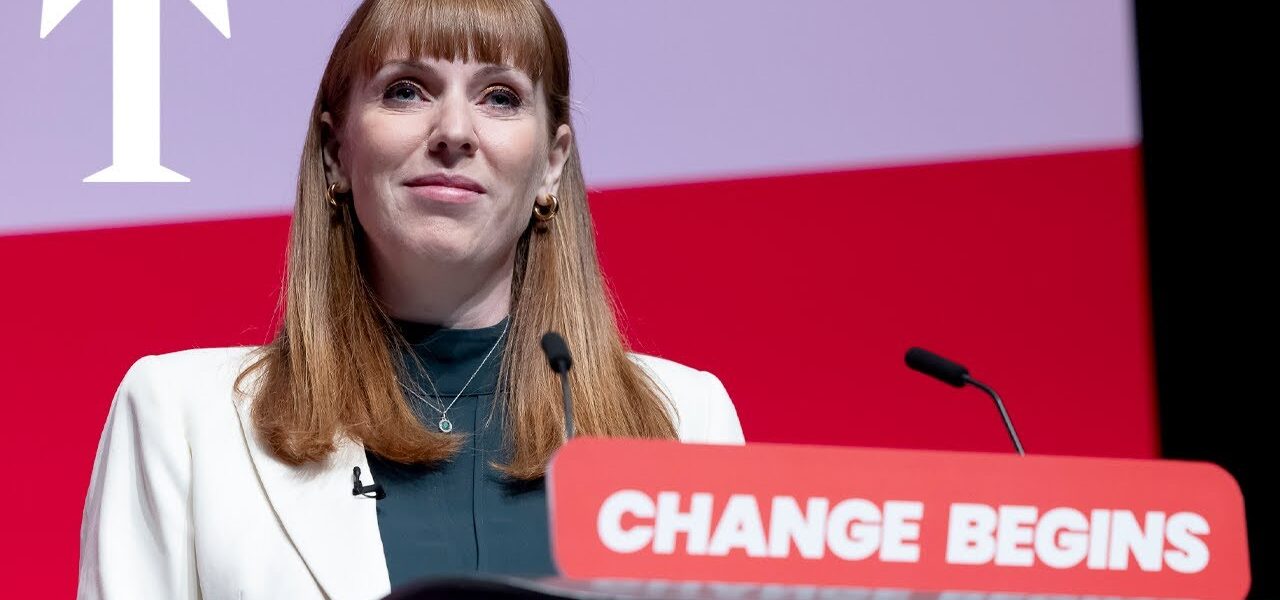
Senior Labour figure Angela Rayner has drawn a sharp line between lawful protest and intimidation, condemning the use of balaclavas and dark clothing during recent anti-migration demonstrations.
Senior Labour figure Angela Rayner has strongly condemned the use of face coverings and dark clothing during recent political demonstrations, categorizing such actions as intimidatory behavior that crosses the line of legitimate democratic expression.
In a recent interview with journalist Nick Robinson, Rayner addressed the tactics observed over a weekend of highly scrutinized anti-migration protests in Dover and Portsmouth.
During those demonstrations, groups of participants were spotted marching in balaclavas and dark clothing, sparking widespread public debate over public order and police powers.
“Balaclavas… going down the street in balaclavas in, you know, dark clothing is intimidatory behavior,” Rayner told Robinson during the broadcast.

The comments land at a sensitive intersection of British politics, where questions of free speech, public safety, and police enforcement have taken center stage amid rising tensions over immigration and street-level activism.
The Boundary Between Democratic Protest and Intimidation
Drawing on her extensive background in trade union activism, Rayner defended the foundational right to peaceful protest as a cornerstone of British democracy.
“We’ve always had protest. I’ve been on a fair few myself as a union rep, been on a picket line… that’s part of our democracy,” she stated.
At the same time, she drew a firm distinction between expressing political dissent and employing tactics designed to frighten local residents or opponents.
“Intimidation or acting illegally or threatening—that is not what we’re about as a country,” Rayner argued.
She emphasized that robust political debate and sharp disagreements are entirely healthy in a democratic society.
She pointed to her own parliamentary friction with political opponents, including Conservative figures like Kemi Badenoch.
“She has every right to be there and to have her voice heard… and that is an important part of our democracy. So is protest,” Rayner said.
“But not intimidation, not being divisive in a way that is dangerous, that is intimidatory, and that is unlawful.”
Why the Debate Over Face Coverings Matters Now
Rayner’s remarks echo a broader government pushback against specific tactics used by agitators during recent public demonstrations.
Ministers have increasingly focused on public order strategies as protests surrounding immigration, foreign policy, and domestic issues frequently spill into town centers across Britain.
Under existing legislation, police forces possess powers that allow officers to compel individuals to remove face coverings at protests if there are reasonable grounds to believe they are being used to conceal identity to avoid accountability.
However, these powers exclude face coverings worn for legitimate medical or religious reasons, presenting practical challenges for law enforcement on the ground.
Critics of the government have seized on the issue, accusing Labour ministers of applying selective outrage.
Detractors argue that while officials are quick to condemn face coverings at anti-migration rallies, they are less vocal when masked participants appear at other demonstrations, such as pro-Palestinian marches or environmental protests.
Opponents contend that an inconsistent application of political condemnation risks undermining public trust in how authorities manage public order.
Context: The Rising Tension in British Street Politics
The weekend protests in Dover and Portsmouth highlighted a volatile climate surrounding immigration debates in coastal and working-class communities.
Anti-migration rallies, counter-protests, and police deployments have become regular occurrences, testing local resources and community relations.
When participants conceal their faces behind dark clothing and balaclavas, law enforcement agencies face heightened difficulties in identifying individuals who commit offenses or engage in violent disorder.
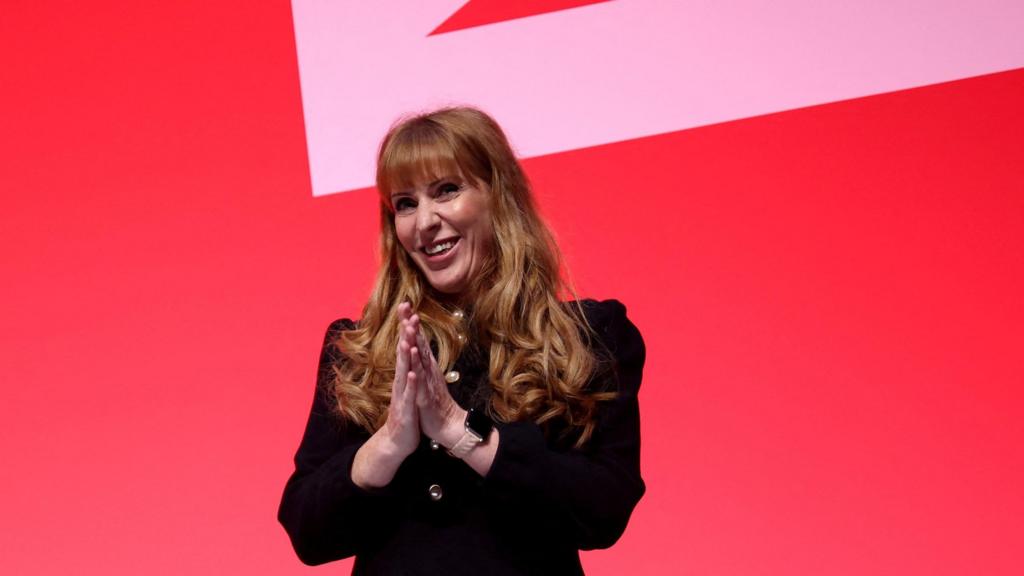
Police and community leaders have frequently warned that anonymity emboldens aggressive behavior, turning peaceful assemblies into flashpoints for confrontation.
At the same time, civil liberties advocates remain wary of expanding police powers to demand the removal of face coverings, arguing that such measures could infringe upon the right to protest safely.
What Different Sides Are Saying
The political fallout from Rayner’s interview reflects deep divisions over how the state should police modern demonstrations.
-
Government and Labour Figures: Maintain that wearing face coverings to hide identity is a deliberate tactic of intimidation designed to evade accountability rather than express a political view.
-
Protest Organizers and Supporters: Often argue that face coverings serve as protection against surveillance or harassment by ideological opponents and state authorities.
-
Critics and Political Opponents: Accuse government figures of double standards, arguing that public order policies should apply equally regardless of the political cause being championed.
What Happens Next in the Public Order Debate
As parliamentary scrutiny intensifies, policing strategies surrounding demonstrations are expected to remain a major point of political contention.
Law enforcement agencies will continue to balance the protection of free speech with the enforcement of public safety laws designed to prevent masked intimidation.
For the government, the challenge lies in framing consistent rules that command public confidence without alienating citizens who rely on the traditional right to peaceful assembly.
The debate over balaclavas on British streets is ultimately about more than dress codes—it touches on the fundamental rules of engagement in a deeply divided public square.
How do you think police should handle protesters wearing face coverings during high-tension demonstrations?