
Tanya Plibersek says buy now, but an average Sydney couple is $154,000 short of the median unit. u1

The Mirage of the Front Door: Inside the Dangerous Math of Australia’s Housing Promise
The Political Promise Meets the Ledger
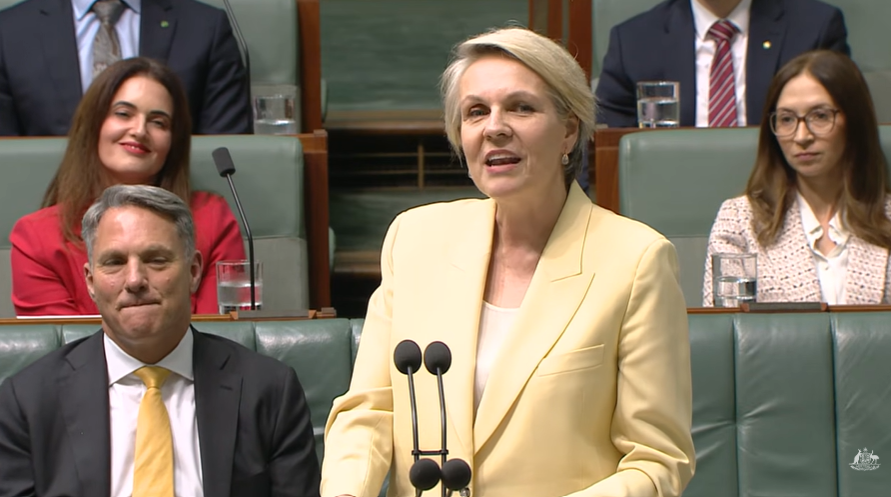
The rhetoric echoing from Canberra’s parliamentary suites paints an optimistic picture for the next generation of Australian homeowners. Social Services Minister Tanya Plibersek ignited a national debate by asserting on public television that “there’s never been a better time to be a first home buyer,” defending the federal government’s expanded 5% deposit initiative.
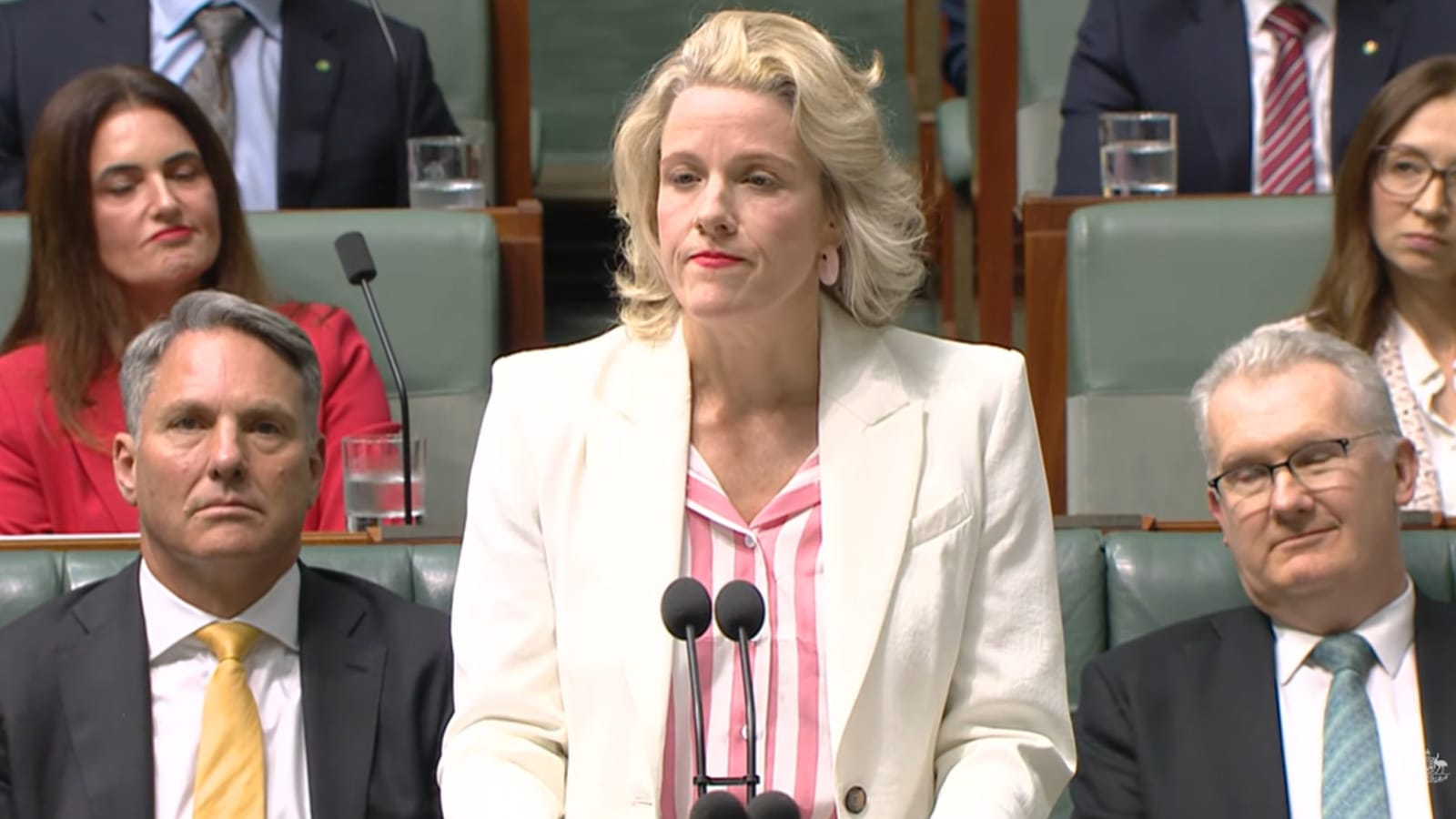
Yet, across kitchen tables and banking apps in suburban Sydney, the arithmetic tells an entirely different story. When Housing Minister Clare O’Neil appeared on national television’s Sunrise, host Natalie Barr asked her four consecutive times to clarify the administration’s baseline objective: does the government want property prices to fall so younger Australians can afford them, or does it want prices to rise?
                               THE CLARE O'NEIL SUNRISE EXCHANGE
                                               │
    ┌──────────────────────────────────────────┴──────────────────────────────────────────┐
    ▼                                                                                     ▼
QUESTION 1: "How much does the government want property prices to fall?"
ANSWER:     "Well, that's not what the government wants and that's not the effect of the
             government's policies."
                                               │
    ▼                                          ▼                                          ▼
QUESTION 2 & 3: "So you want them to go up?"
ANSWER:         "What we want to see is sustainable growth, Nat."
                                               │
    ▼                                          ▼                                          ▼
QUESTION 4: Host notes confusion over the contradictory policy posture.
ANSWER:         "But I do want to see property prices grow. I want to see them grow sustainably
                 for the country."
The exchange laid bare a fundamental policy paradox. While social policy ministers proclaim an unprecedented window of opportunity for young aspirants, the minister stewarding housing policy explicitly champions continued price inflation.
Meanwhile, real-world macroeconomic forces have diverged from both political narratives: Australian property prices have tracked downward for four consecutive months amid escalating interest rates, stranding prospective first-time buyers in a volatile financial landscape where borrowing capacities are contracting faster than property values are adjusting.
+--------------------------------------------------------------------------------------------------+
|                                    KEY ECONOMIC & POLICY PLAYERS                                 |
+----------------------------+-----------------------+---------------------------------------------+
| Stakeholder / Official     | Institutional Role    | Public Stance / Policy Reality              |
+----------------------------+-----------------------+---------------------------------------------+
| Tanya Plibersek            | Minister for Social   | Defends low-deposit schemes; claims current |
|                            | Services              | market offers optimal entry conditions.     |
+----------------------------+-----------------------+---------------------------------------------+
| Clare O'Neil               | Minister for Housing  | Confirms administration desire for ongoing  |
|                            |                       | property price appreciation ("sustainable").|
+----------------------------+-----------------------+---------------------------------------------+
| Michele Bullock            | Governor, Reserve     | Notes cash rate (4.35%) may reach 4.60%;    |
|                            | Bank of Australia     | observes market floor has yet to stabilize. |
+----------------------------+-----------------------+---------------------------------------------+
| APRA                       | Prudential Regulator  | Enforces 3.00% mortgage serviceability test |
|                            |                       | buffer above market assessment rates.       |
+----------------------------+-----------------------+---------------------------------------------+
| Scott Phillips             | Chief Investment      | Warns low-deposit buyers face "mortgage     |
|                            | Officer, Motley Fool  | prison" as falling equity halts refinance.  |
+----------------------------+-----------------------+---------------------------------------------+
| Chris Read                 | Chief Economist,      | Forecasts potential 10% market correction   |
|                            | Morgan Stanley        | following negative gearing/CGT policy shifts|
+----------------------------+-----------------------+---------------------------------------------+
The Baseline Scenario: Running the Numbers on Average Young Earners
To understand the mechanics of the market, consider a baseline demographic model: two 30-year-old professionals attempting to purchase their first property in metropolitan Sydney.
According to data compiled by the Australian Bureau of Statistics (ABS), the median individual total income for an Australian worker aged 25 to 34 stands at $63,382 per annum. Combined, this dual-income household generates a gross annual income of $126,764. After accounting for Pay-As-You-Go (PAYG) income taxation and the statutory 2.0% Medicare levy, their pooled net disposable income is approximately $8,719 per calendar month.
                    DUAL-INCOME HOUSEHOLD CASH FLOW BREAKDOWN (AGE 30)
                                            │
           ┌────────────────────────────────┴────────────────────────────────┐
           ▼                                                                 ▼
   GROSS ANNUAL INCOME                                             NET MONTHLY TAKE-HOME
   Individual: $63,382                                             Combined: $8,719 / month
   Combined:   $126,764                                            (Net of Tax & Medicare Levy)
When this couple approaches a retail commercial bank or authorized deposit-taking institution (ADI), their maximum borrowing capacity is assessed between $570,000 and $660,000.
This ceiling is not determined by their willingness to make sacrifices, but by two non-negotiable financial metrics:
-
The Prevailing Standard Variable Rate: Reserve Bank of Australia (RBA) data establishes the standard new variable owner-occupier mortgage rate at approximately 6.15%.
-
The APRA Serviceability Buffer: The Australian Prudential Regulation Authority mandates that all commercial lenders stress-test mortgage applications by adding a compulsory 3.00 percentage point buffer over the loan product’s headline rate.
Consequently, retail banks do not assess whether this couple can afford payments at 6.15% ($4,021 monthly). Instead, they evaluate whether the household budget could withstand stress at 9.15% ($5,382 monthly).
+--------------------------------------------------------------------------------------------------+
|                              THE BORROWING APPARATUS & TESTING MATRIX                            |
+------------------------------------+-----------------------------+-------------------------------+
| Metric / Financial Variable        | Maximum Capacity Purchase   | Median Sydney Unit Assessment |
+------------------------------------+-----------------------------+-------------------------------+
| Total Property Value               | $694,737                    | $849,068                      |
+------------------------------------+-----------------------------+-------------------------------+
| 5% Buyer Deposit Contribution      | $34,737                     | $42,453                       |
+------------------------------------+-----------------------------+-------------------------------+
| Total Mortgage Required            | $660,000                    | $806,615                      |
+------------------------------------+-----------------------------+-------------------------------+
| Monthly Repayment (at 6.15% RBA)   | $4,021                      | $4,914                        |
+------------------------------------+-----------------------------+-------------------------------+
| Proportion of Net Take-Home Pay    | **46.1%**                   | **56.4%**                     |
+------------------------------------+-----------------------------+-------------------------------+
| APRA Stress Test Rate (at 9.15%)   | $5,382 / month              | $6,577 / month                |
+------------------------------------+-----------------------------+-------------------------------+
| Proportion Under Stress Test       | **61.7%**                   | **75.4%**                     |
+------------------------------------+-----------------------------+-------------------------------+
| Lending Assessment Outcome         | Marginally Approved         | **Universally Rejected**      |
+------------------------------------+-----------------------------+-------------------------------+
(Calculations modeled over a standard 30-year principal-and-interest amortization term against ABS median net take-home earnings of $8,719 per month.)
At the absolute limit of their capacity ($660,000 debt), the actual monthly repayment of $4,021 immediately consumes 46.1% of their total net monthly earnings. By standard economic and banking definitions, any household allocating more than 30.0% of gross or net earnings toward shelter costs is in official mortgage stress. Under APRA’s mandatory 9.15% stress-testing scenario, those repayments escalate to consume 61.7% of their monthly net income, leaving the household with minimal disposable buffers to absorb broader cost-of-living increases.
The Inventory Squeeze: What $695,000 Buys in Greater Sydney
Pairing their maximum borrowing ceiling of $660,000 with a 5% cash deposit ($34,737) provides this couple with a total purchasing power of $694,737.
According to Domain’s June market analytics, the median price for a residential apartment across Greater Sydney is $849,000, while the median freestanding house stands at $1.73 million.
                           GREATER SYDNEY MEDIAN VALUATIONS (DOMAIN)
                                               │
    ┌──────────────────────────────────────────┴──────────────────────────────────────────┐
    ▼                                                                                     ▼
FREESTANDING HOUSE: $1,730,000                                      STRATA APARTMENT: $849,000
Couple's Shortfall: $1,035,263                                      Couple's Shortfall: $154,263
Status: Completely Inaccessible                                     Status: Rejected by Lenders
This structural gap creates severe market constraints:
-
The Apartment Deficit: The couple falls $154,263 short of purchasing an entry-level, middle-tier apartment in Sydney. Purchasing a median-priced unit ($849,000) requires an $806,615 loan, which would demand $4,914 per month at standard rates (56.4% of take-home pay) and $6,577 under stress-testing (75.4% of take-home pay)—a liability no regulated Australian bank will underwrite.
-
Geographic Displacement: The couple is priced out of inner-city, eastern, and lower-north-shore corridors. Their search radius is pushed to one-bedroom established apartments in middle-ring Western suburbs such as Parramatta, Granville, Auburn, or Lakemba, or two-bedroom configurations in outer-ring districts like Blacktown, Penrith, Liverpool, or Campbelltown.
-
The Grant Paradox: Because all viable properties in this price envelope are established dwellings, the buyers are automatically disqualified from the state’s signature direct cash subsidy. Revenue NSW administers a $10,000 First Home Owner Grant, but enforces strict statutory conditions: the transaction must not exceed $600,000, and the grant is entirely unavailable for existing, established residences. It applies exclusively to new construction, substantial redevelopments, or off-the-plan contracts.
+--------------------------------------------------------------------------------------------------+
|                                ENTRY PATHWAYS & ASSISTANCE FRAMEWORKS                            |
+--------------------------+--------------------+---------------------+----------------------------+
| Scheme / Program         | Cash Required      | Core Mechanism      | Critical Regulatory Catch  |
+--------------------------+--------------------+---------------------+----------------------------+
| Federal Help to Buy      | $13,895            | Shared equity: Govt | Capped at 10,000 slots/yr; |
| Scheme (2% Deposit)      | (2.0% Deposit)     | co-owns up to 30%   | strict combined income     |
|                          |                    | (existing) or 40%   | ceiling of $160,000; govt  |
|                          |                    | (new build).        | maintains equity stake.    |
+--------------------------+--------------------+---------------------+----------------------------+
| Federal Home Guarantee   | $34,737            | Govt guarantees the | No income caps or volume   |
| Scheme (5% Deposit)      | (5.0% Deposit)     | 15% deposit balance;| limits; highly exposed:    |
|                          |                    | waives LMI fees.    | a 5% price decline wipes   |
|                          |                    |                     | out all initial equity.    |
+--------------------------+--------------------+---------------------+----------------------------+
| Standard Commercial      | $138,947           | Traditional private | Deposit requirement        |
| Mortgage (20% Deposit)   | (20.0% Deposit)    | equity structure;   | exceeds entire annual net  |
|                          |                    | avoids LMI costs.   | household take-home pay    |
|                          |                    |                     | by over $34,000.           |
+--------------------------+--------------------+---------------------+----------------------------+
While the NSW government provides full relief from transfer duties (stamp duty) for first-home purchases valued up to $800,000—delivering cash savings exceeding $20,000—the systemic barriers embedded in low-deposit programs present significant downstream financial risks.
2. My Professional Perspective
==================================================================================================
                               THE ANATOMY OF SYSTEMIC EXPOSURE
==================================================================================================
  THE LEGISLATIVE STIMULUS           THE REGULATORY SQUEEZE              THE DOWNTURN TRAP
  Expanding low-deposit guarantees   RBA rate hikes + APRA 3% buffer     Sub-5% equity position
  artificially inflates demand at    drastically compresses borrowing    evaporates; borrower enters
  the entry-level margin.      ───>  capacity despite rising income.─>   "mortgage prison," unable
                                                                         to refinance or exit.
==================================================================================================
What Important Details Have People Overlooked?
In thirty years of investigative journalism tracking the intersection of public policy, real estate markets, and financial regulation, few phenomena are as striking as the normalization of extreme leverage as a substitute for structural reform.
The mainstream commentary surrounding low-deposit schemes consistently focuses on accessibility: how quickly a young buyer can transition from tenant to titleholder by bypassing the years required to accumulate a standard 20% equity buffer. What the political soundbites omit is the severe asymmetry of risk transferred directly onto the citizen.
When the federal government removed income caps and allocation quotas from the 5% Home Guarantee Scheme on October 1, 2025, the policy was branded as democratic access. In practice, it lowered the structural shock absorber of the home loan to razor-thin margins.
                       THE REALITY OF A FIVE PERCENT EQUITY BUFFER
                                            │
    ┌───────────────────────────────────────┴───────────────────────────────────────┐
    ▼                                                                               ▼
PURCHASE AT MARKET VALUE ($694,737)                               MARKET CORRECTION: -5.0% ($660,000)
Buyer Cash Equity: $34,737 (5.0%)                                 Buyer Cash Equity: $0.00 (0.0%)
Bank Mortgage:     $660,000 (95.0%)                               Bank Mortgage:     $660,000 (100.0%)
                                                                  Status: ZERO EQUITY BUFFER
Consider the arithmetic of a mild market contraction:
-
On a $694,737 acquisition, a 5.0% deposit amounts to $34,737.
-
A modest price correction of just 5.0% reduces the property’s gross valuation to $660,000—the exact quantum of the outstanding mortgage principal.
-
If prices soften by 10.0%—a baseline scenario outlined by Morgan Stanley chief economist Chris Read following modifications to federal property tax frameworks—the home’s valuation drops to $625,263.
-
Under this scenario, the owners are plunged into negative equity, carrying $34,737 in unbacked debt. Should the household face sudden life disruptions (such as illness, redundancy, or relationship breakdown) requiring a sale, liquidating the property results in a total loss of roughly $49,242 once statutory legal disbursements, conveyancing costs, and standard 2.0% real estate commissions are deducted.
+--------------------------------------------------------------------------------------------------+
|                              THE ANATOMY OF NEGATIVE EQUITY EXPOSURE                             |
+------------------------------+--------------------+-----------------------+----------------------+
| Market Trajectory Scenario   | Asset Market Value | Outstanding Loan Debt | Realized Net Equity  |
+------------------------------+--------------------+-----------------------+----------------------+
| Baseline (At Purchase)       | $694,737           | $660,000              | +$34,737 (Intact)    |
+------------------------------+--------------------+-----------------------+----------------------+
| 5.0% Market Decline          | $660,000           | $660,000              | **$0.00 (Evaporated)**|
+------------------------------+--------------------+-----------------------+----------------------+
| 10.0% Morgan Stanley Shift   | $625,263           | $660,000              | **-$34,737 (Deficit)**|
+------------------------------+--------------------+-----------------------+----------------------+
| Forced Liquidation (-10%)    | $625,263           | $660,000              | **-$49,242 (Loss)**  |
+------------------------------+--------------------+-----------------------+----------------------+
(Forced liquidation modeling incorporates 2.0% agent commission of $12,505 plus standard legal and marketing costs totaling $2,000.)
The “Mortgage Prison” Mechanism
In Australia, residential mortgage lending is full-recourse. Unlike specific US jurisdictions where underwater borrowers can legally surrender the physical deed to the lender and walk away clear of remaining liabilities, Australian debt follows the individual.
When a borrower enters negative equity, they become trapped in what Motley Fool Chief Investment Officer Scott Phillips describes as a mortgage prison:
-
Refinancing Lockout: As macroeconomic conditions evolve and the Reserve Bank eventually eases monetary policy, borrowers carrying negative or sub-standard equity cannot transition to lower-rate competitors. Commercial lenders will not refinance an underwater security without demanding immediate cash injections to restore standard loan-to-value ratios (LVRs).
-
The Disadvantaged Class: The very households that require cash flow relief the most—those that stretched their borrowing capacity to enter the market on minimal deposits—are structurally locked out of competitive market repricing.
-
The Trapdoor of Off-The-Plan Schemes: The only mechanism by which an entry-level buyer can capture the state’s $10,000 First Home Owner Grant is by signing an off-the-plan contract for a new dwelling under $600,000. This requires committing to a fixed contract price today for an asset delivered eighteen to twenty-four months into the future. If broader valuations decline throughout construction, the completed property may appraise below the agreed contract price at settlement. The buyer must then cover the valuation shortfall in cash before the lender will advance the balance of the funds.
+-------------------------------------------------------------------------------+
|                        THE DUAL REALITY OF FIRST-HOME BUYING                  |
+-------------------------------------------------------------------------------+
|  POLITICAL PROSE                                      MARKET REALITY          |
|  "There has never been a better time."        ──────> 46% of take-home pay    |
|                                                       swallowed by mortgage.  |
|                                                                               |
|  "No income caps on government guarantees."   ──────> 5% decline wipes out    |
|                                                       entire initial deposit. |
|                                                                               |
|  "Help to Buy shared equity creates access."  ──────> Excludes average        |
|                                                       dual full-time earners. |
+-------------------------------------------------------------------------------+
The Wage Distribution Distortion
A crucial contradiction within current housing policy is the gap between policy thresholds and real wage distributions.
The $126,764 household income figure reflects the ABS median earnings for the broad 25–34 age cohort, a demographic sample that captures part-time, casual, and seasonal workers. However, when evaluating two young professionals working full-time, the financial profile shifts markedly.
According to ABS Average Weekly Earnings metrics, the mean full-time adult salary is approximately $107,000 per year. A dual full-time professional household earns roughly $214,000 before tax:
-
The Shared-Equity Threshold: The federal Help to Buy scheme enforces a strict household income cap of $160,000 for couples. This dual-earner professional couple exceeds the ceiling by $54,000, shutting them out of the 2% deposit shared-equity framework entirely.
-
The Perverse Policy Incentive: The system directs households with lower earning capacity into high-leverage products with negligible equity buffers, while higher-earning full-time peers are pushed into larger private debt obligations in a volatile rate cycle.
+--------------------------------------------------------------------------------------------------+
|                                HOUSEHOLD INCOME VS SCHEME ACCESS                                 |
+-----------------------------+---------------------+-------------------+--------------------------+
| Demographic Cohort          | Gross Income (Dual) | Net Monthly Yield | Access to Shared Equity  |
+-----------------------------+---------------------+-------------------+--------------------------+
| Combined Median Cohort      | $126,764            | $8,719            | **Eligible** (Under      |
| (Includes Part-Time/Casual) |                     |                   | $160k statutory cap)     |
+-----------------------------+---------------------+-------------------+--------------------------+
| Dual Full-Time Professional | $214,000            | $12,680           | **Ineligible** (Exceeds  |
| Earner Baseline             |                     |                   | threshold by $54,000)    |
+-----------------------------+---------------------+-------------------+--------------------------+
Market Sentiment and the Disengagement of First-Time Buyers
Despite government interventions, first-home buyers are beginning to pull back from the market.
ABS lending data for the March quarter reveals that the volume of new first-home buyer loan originations fell by 4.3%, while the total value of these commitments dropped by 6.7%. Simultaneously, the average first-home loan settlement size in New South Wales reached $860,000—a figure $200,000 above the maximum borrowing ceiling of an average-income couple ($660,000).
This $200,000 divergence confirms an uncomfortable structural reality: the buyers securing entry into the NSW residential property market are not representative median-income earners relying solely on their paychecks. They are disproportionately supported by private generational wealth transfers (the “Bank of Mum and Dad”), substantially higher corporate salaries, or high personal debt loads.
                  THE HOUSING AFFORDABILITY PARTICIPATION GAP
                                       │
    +----------------------------------+----------------------------------+
    |                                                                     |
    v                                                                     v
AVERAGE NSW FIRST HOME LOAN: $860,000                     MEDIAN COUPLE BORROWING CAP: $660,000
Driven by:                                                Constrained by:
• Intergenerational family wealth.                        • 6.15% headline assessment rates.
• Top-tier professional dual wages.                       • APRA 3.00% serviceability test.
• Elevated personal leverage.                             • Zero margin for asset depreciation.
Auction clearance metrics further reflect this broader market tension. Sydney’s clearance rates have settled around 48.0%—levels reminiscent of early 2020 disruptions—while auction withdrawal rates have reached 29.3%, indicating that vendors are increasingly pulling properties rather than accepting lower market bids.
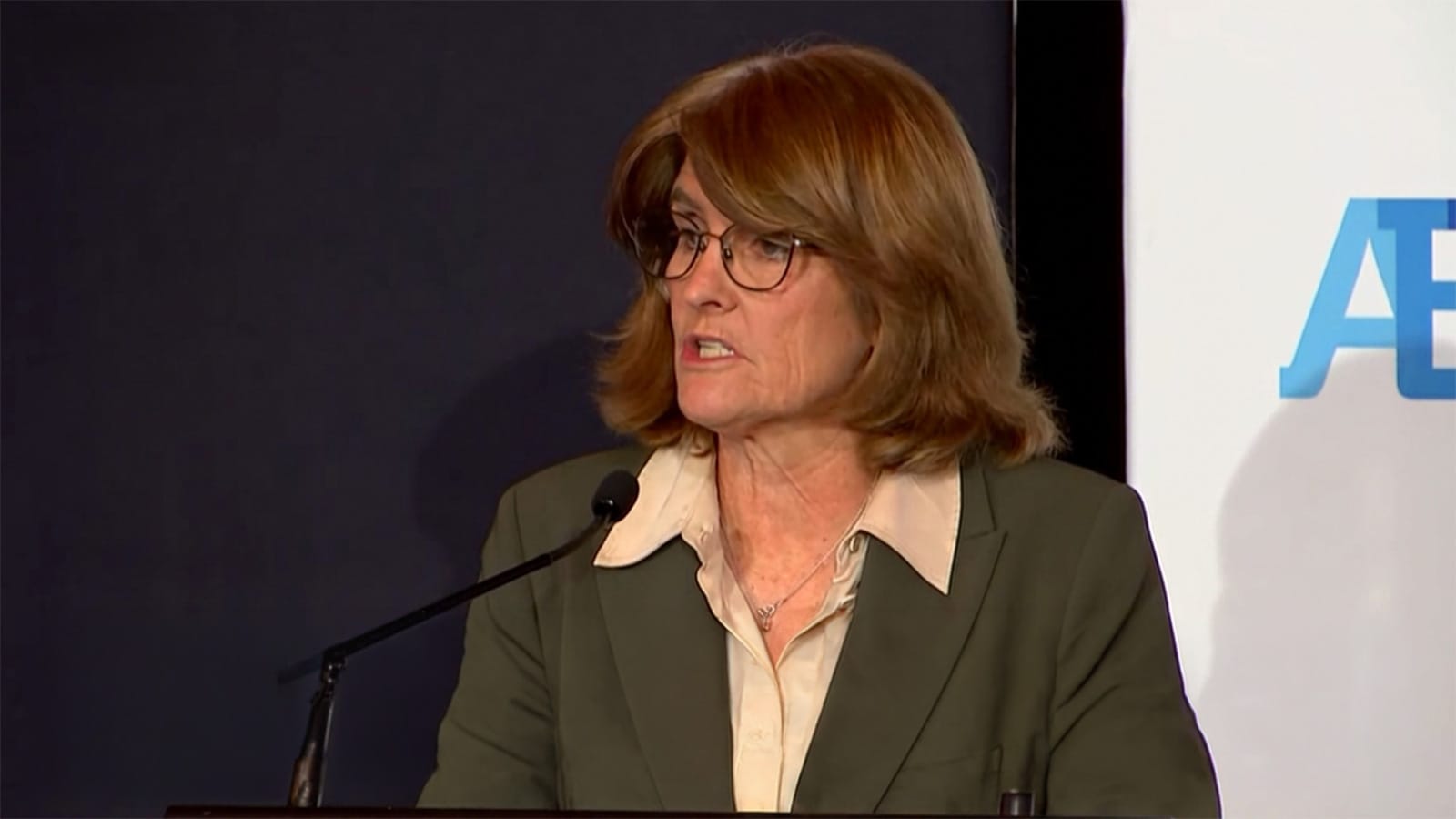
With RBA Governor Michele Bullock holding the official cash rate at 4.35% and leaving further rate increases on the table to combat persistent inflation, the economic floor remains unstable.
Critical Unanswered Questions
-
The Fiduciary Dilemma: Is it ethically defensible for government policy to encourage young, low-equity buyers to enter the property market on 5% deposit margins at a stage in the macroeconomic cycle when prudential regulators and central bankers are actively working to suppress demand and cool asset valuations?
-
The Liquidity Shortfall: If an entry-level buyer acquiring an off-the-plan apartment encounters an appraisal shortfall at settlement due to broader market softening, who absorbs the loss when the consumer lacks the capital to bridge the bank’s revised valuation?
-
The Intergenerational Divestment: Why does the federal policy framework continue to prioritize subsidizing demand through equity guarantees and shared-ownership vehicles rather than dismantling the structural tax mechanisms that reward property speculation at the expense of owner-occupiers?
The modern housing landscape across metropolitan Australia has evolved into a structural conflict between political messaging and economic reality.
For decades, homeownership served as the primary vehicle for intergenerational wealth creation and financial security for everyday Australians. Today, for a median-earning couple in Sydney, taking that first step onto the property ladder on a 5% deposit does not represent a clear path to financial stability; it represents an exercise in high financial exposure.
+-------------------------------------------------------------------------------+
|                       THE DIVERGENT PATHWAYS FOR BUYERS                       |
+-------------------------------------------------------------------------------+
|  ENTER AT 5% DEPOSIT                                  AWAIT MARKET STABILITY  |
|  • High debt burden (46% take-home).          • Preserves liquidity & cash.   |
|  • Vulnerable to negative equity.             • Avoids negative equity risk.  |
|  • Risk of entering "mortgage prison."        • Temporary loss of borrowing   |
|  • Limited to outer-ring properties.            capacity during high-rate cycle.|
+-------------------------------------------------------------------------------+
When high-ranking ministers tell young workers that “there has never been a better time to buy,” while simultaneously celebrating policies designed to keep property values growing, they are asking young families to take on significant financial risk in an uncertain market.
Real affordability is not achieved by helping buyers take on more debt with thinner equity margins. It is achieved when home prices align with sustainable, organic wage growth. Until that structural adjustment occurs, the promise of easy market entry remains an illusion—and the arithmetic will continue to tell the real story.
When government policy uses taxpayer-backed debt guarantees to encourage young Australians into volatile housing markets on razor-thin margins, is it genuinely helping them secure their financial future—or is it simply using the next generation of buyers to prop up a housing market that has moved beyond the reach of everyday wages?