Police Watchdog Investigates Whether Previous Migrant Hotel Protests Influenced Officers in Henry Novak Case. n1

Police Watchdog Examines Whether Previous Migrant Hotel Protests Influenced Officers in Henry Novak Investigation
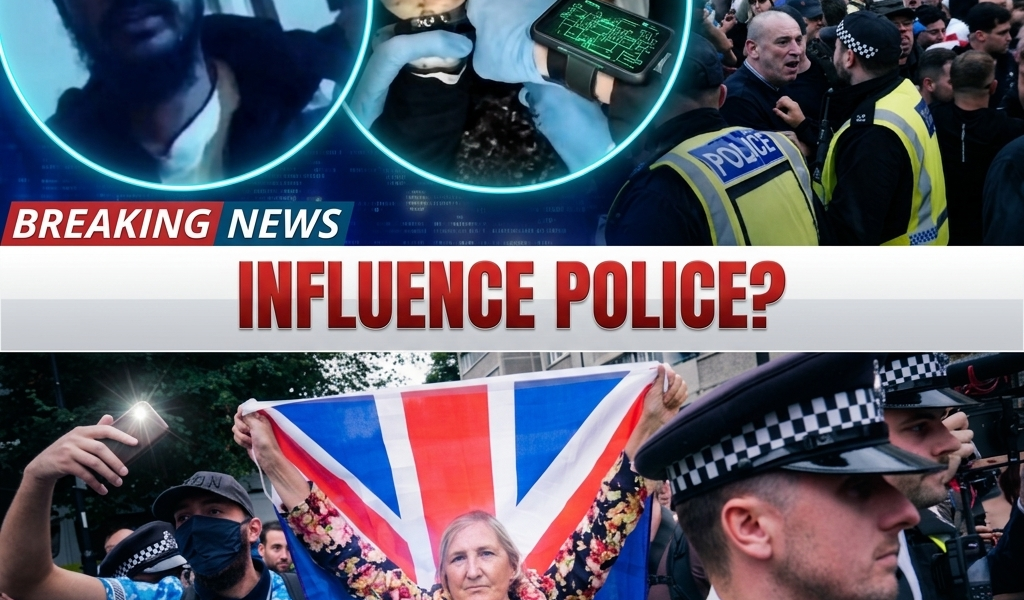
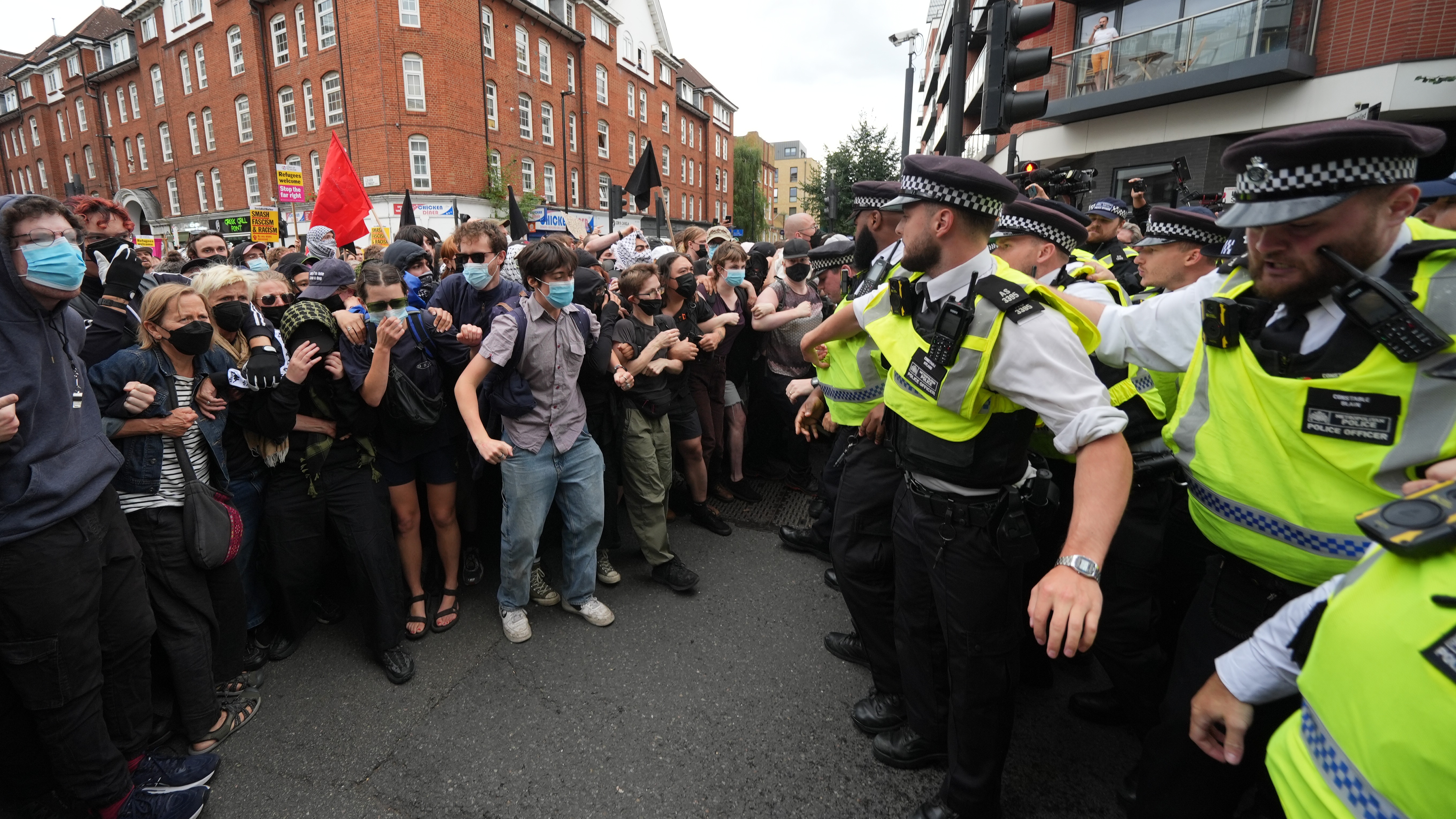
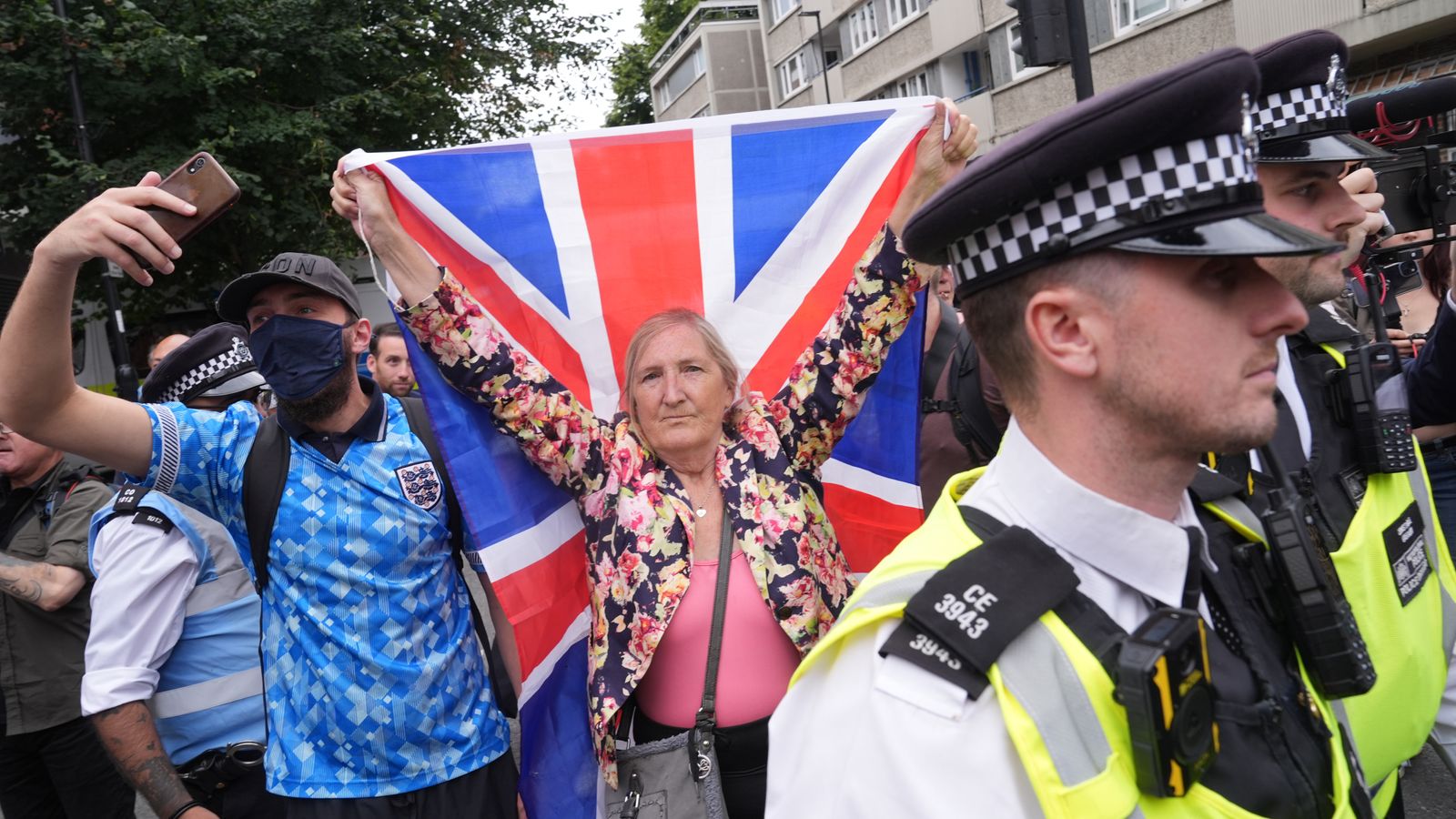
An independent investigation into the death of Henry Novak has entered a new phase after Britain’s police watchdog confirmed it is examining whether the broader policing environment—including months of demonstrations outside a migrant accommodation hotel—may have influenced officers’ decision-making during their initial response.
The inquiry is being conducted by the Independent Office for Police Conduct> (IOPC), the body responsible for investigating serious complaints and incidents involving police in England and Wales.
Importantly, the IOPC has not indicated that officers deliberately acted improperly, nor has it reached any conclusions regarding individual responsibility. Instead, investigators are examining a broader operational question: whether previous experiences policing protests and counter-protests near an asylum hotel may have unintentionally shaped how officers assessed and responded to the situation they encountered.
The distinction is significant.
Rather than focusing solely on the actions of individual officers, the investigation is also exploring whether institutional context, operational briefings, or accumulated experience from earlier deployments affected real-time judgment during a rapidly evolving incident.
The Incident
The case attracted widespread public attention after body-worn camera footage was released showing Novak telling attending officers that he had been stabbed.
During the same encounter, another individual reportedly told officers that he had been the victim of a racist attack.

Faced with multiple competing claims, officers began attempting to establish exactly what had occurred while simultaneously managing the scene.
The footage has generated sharply differing interpretations.
Critics argue that the recordings raise difficult questions about whether officers immediately appreciated the seriousness of Novak’s medical condition during those crucial first moments.
Supporters of the officers caution against reaching conclusions based solely on edited or limited video footage, noting that frontline officers routinely make split-second decisions amid confusion, incomplete information and competing priorities.
The IOPC’s investigation is expected to examine the entire sequence of events rather than relying on isolated moments captured on camera.
Why Previous Protests Are Being Examined
One of the most notable aspects of the investigation is its focus on operational context.
According to the IOPC, investigators are considering whether months of policing demonstrations and counter-demonstrations surrounding a nearby asylum hotel influenced officers’ approach when responding to Novak.
The watchdog has not suggested that previous protest operations caused the incident.
Instead, investigators are examining whether repeated exposure to politically sensitive public order situations may have influenced officers’ initial assessment of risk, priorities or decision-making.
This reflects a broader principle within modern policing reviews.
Major investigations increasingly examine not only individual actions but also organisational culture, operational planning, previous deployments and institutional learning.
Understanding those wider influences is often considered essential when identifying whether improvements to training or operational procedures are needed.
Broader Debate Over Modern Policing
The investigation has also reignited discussion about how policing has evolved over recent decades.
Former police and security professionals argue that the responsibilities placed upon frontline officers have expanded considerably.
In addition to responding to crime, officers are now expected to navigate issues including:
- Community relations
- Safeguarding responsibilities
- Equality legislation
- Human rights obligations
- Public order management
- Hate crime reporting
- Counter-protest policing
Supporters of these developments argue they reflect a more accountable and community-focused model of policing.
They contend that effective policing requires maintaining public confidence across diverse communities while protecting individual rights alongside public safety.
Critics, however, argue that these additional responsibilities may complicate decision-making during emergencies where officers must rapidly prioritise immediate threats.
Henry Bolton’s Comments
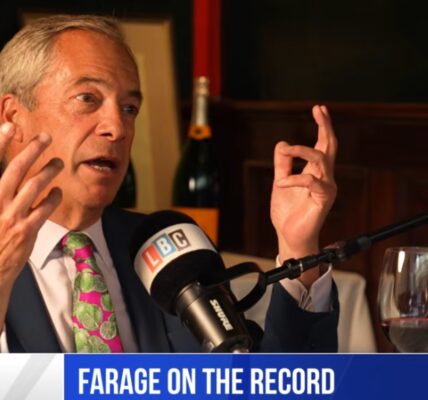
Former police officer and security commentator Henry Bolton has suggested the Novak investigation raises questions extending well beyond one individual incident.
Bolton argues that successive policing reforms have altered operational culture by placing greater emphasis on consultation with local authorities, community organisations and advocacy groups.
In his view, investigators should consider whether these broader institutional changes have affected operational independence or altered frontline priorities.
His comments reflect one perspective within a wider national debate.
Others strongly disagree.
Many policing experts caution against drawing broad conclusions about the entire police service based on one ongoing investigation.
They argue that individual operational errors—if any are ultimately identified—should not automatically be interpreted as evidence of systemic failure.
Competing Interpretations of the Body-Camera Footage
Much public discussion has centred on what officers prioritised during the initial encounter.
Some commentators believe the footage suggests officers devoted excessive attention to allegations concerning offensive or racist language before fully assessing Novak’s injuries.
Others dispute that interpretation.
They point out that officers arriving at violent incidents frequently receive multiple allegations simultaneously and are legally required to investigate all relevant claims while maintaining scene safety.
Body-worn camera footage, they argue, captures only one perspective within a fast-moving incident and rarely provides a complete understanding of everything officers knew—or believed—at each moment.
This is precisely why investigators examine dispatch records, witness statements, radio communications, forensic evidence and medical timelines alongside video recordings.
What the Investigation Is Reviewing
The IOPC has confirmed that its investigation remains ongoing.
Evidence under review includes:
- Body-worn camera footage
- Officer statements
- Emergency dispatch records
- Operational logs
- First aid provided at the scene
- The decision to use handcuffs
- Other relevant documentary and forensic evidence
At present, the officers involved are being treated as witnesses rather than suspects while the investigation continues.
The watchdog has also expressed its sympathies to Novak’s family and reiterated its commitment to conducting an independent examination of all police contact before his death.
My Professional Perspective
This investigation illustrates an important shift in how modern police oversight operates.
Years ago, inquiries often focused almost exclusively on one question:
Did an individual officer make the correct decision?
Today’s investigations frequently ask a much broader question:
What influenced that decision in the first place?
That difference matters.
Policing rarely occurs in isolation.
Officers carry into every incident the experience accumulated from previous deployments, training, operational briefings and organisational culture.
Those experiences inevitably shape how risks are perceived and how priorities are established under pressure.
Examining those influences is not an accusation of misconduct.
Rather, it reflects a recognition that institutional context can affect operational judgment, sometimes in subtle ways.
Another issue deserves careful attention.
Body-camera footage has transformed public accountability, but it has also changed public expectations.
Video recordings often create an impression of complete transparency.
In reality, they present only one part of a much larger evidential picture.
A camera records what is visible from one angle.
It cannot capture every radio transmission, intelligence briefing, officer observation, medical assessment or evolving situational awareness.
For that reason, investigators routinely compare footage with numerous additional sources before reaching conclusions.
The broader political debate surrounding this case also reflects a longstanding tension within democratic policing.
Modern police services are expected to pursue several objectives simultaneously:
- Prevent crime.
- Protect life.
- Preserve public order.
- Safeguard vulnerable people.
- Uphold equality before the law.
- Maintain public confidence across diverse communities.
These goals are not mutually exclusive, but in rapidly evolving emergencies they can compete for officers’ immediate attention.
Determining which priority should come first in any particular situation is often extraordinarily difficult.
This is why comprehensive training, clear operational doctrine and effective supervision remain so important.
Perhaps the most overlooked aspect of the Novak investigation is its potential impact beyond this individual case.
Whatever conclusions the IOPC ultimately reaches may influence future officer training, public order planning, emergency medical response protocols and operational guidance across police forces.
In that sense, the investigation is not only about establishing what happened to Henry Novak.
It is also about identifying whether existing procedures require improvement.
Finally, it is important to distinguish between legitimate scrutiny and premature judgment.
Independent oversight exists precisely because public confidence depends on credible, evidence-based investigations rather than speculation.
Questions should be asked.
Evidence should be examined.
But lasting conclusions should rest on the complete factual record rather than on isolated clips or partisan interpretations.
Conclusion
The IOPC’s investigation into police contact with Henry Novak has evolved into more than an examination of a single emergency response. By considering whether previous policing operations and the broader operational environment influenced officers’ decisions, investigators are exploring questions that reach into the culture, training and priorities of modern policing.
Supporters of the current policing framework argue that officers routinely make difficult decisions under immense pressure and deserve to be assessed on the full evidence rather than isolated moments. Critics contend that the case highlights the need to examine whether institutional practices or competing operational priorities can affect frontline judgment in life-threatening situations.
For now, many of the central questions remain unresolved. The investigation has yet to determine how officers assessed the incident, whether existing procedures were followed appropriately, or whether any lessons should be drawn for future policing.
Whatever its eventual findings, the case is likely to shape discussions well beyond one tragic event. It may influence future training, operational guidance and public expectations about how police respond when faced with multiple competing responsibilities during fast-moving emergencies.
The most important question is therefore not simply whether mistakes were made, but what the evidence ultimately reveals about how police services can best balance rapid medical intervention, investigative responsibilities and public safety when every second matters.