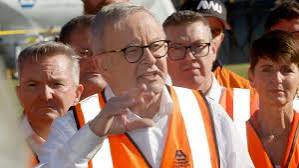
Pauline Hanson calls the $2.5 billion Tomago rescue a band-aid on Labor’s own net zero policy. u1

The $2.5 Billion Power Trap: Why the Tomago Smelter Rescue Exposes Australia’s Broken Energy Transition
┌────────────────────────────────────────────────────────────────────────┐
│               THE TOMAGO ALUMINIUM RESCUE AT A GLANCE                  │
│                                                                        │
│   FACILITY:             Tomago Aluminium Smelter (Hunter Valley, NSW)  │
│   OWNERSHIP:            Rio Tinto (51.55%), Gove Aluminium Finance     │
│                         (36.05%), Norsk Hydro (12.4%)                  │
│   POWER CONSUMPTION:    ~950 MW continuous load (~10% of NSW grid)     │
│                                                                        │
│   TAXPAYER RESCUE:      $2.5 Billion (50/50 Commonwealth & NSW split)  │
│   DURATION:             10-year contract (January 2029 – Dec 2038)     │
│   TRANSITION MILESTONE: 100% firmed renewable power by 2033            │
│   CORPORATE COMMITMENT: $1.1 Billion reinvestment ($100M decarbonized) │
│                                                                        │
│   DIRECT WORKFORCE:     ~1,000 direct jobs, 200 contractors            │
│   SUPPLY ECOSYSTEM:     ~5,000 indirect regional jobs                  │
└────────────────────────────────────────────────────────────────────────┘
Background: The Smelting Machine Built on Black Coal
On the banks of the Hunter River near Newcastle, the Tomago aluminium smelter has hummed continuously since 1983. It was built in the Hunter Valley for a singular economic reason: rich black coal beneath the soil and giant coal-fired power stations sitting right above it.
An aluminium smelter is not a standard factory; it is an industrial machine that turns electrical current into liquid metal through intense electrochemical reduction. Tomago draws roughly 950 megawatts of electricity every hour of every day—consuming roughly 10 to 12 percent of the entire electricity supply of New South Wales.
Smelting pots cannot be switched on and off like assembly lines. If power is interrupted for more than a few hours, the molten electrolyte bath cools and solidifies into blocks of rock, destroying the potlines and causing structural damage worth hundreds of millions of dollars. For four decades, Tomago survived on long-term, low-cost electricity contracts pegged to baseload coal generators.
┌────────────────────────────────────────────────────────────────────────┐
│                   THE CRUMBLING BASELOAD COAL NETWORK                  │
│                                                                        │
│   LIDDELL POWER STATION   ──▶ Shut Down April 2023                     │
│   ERARING POWER STATION   ──▶ Slated for 2025; State subsidizes Origin │
│                               Energy to delay closure to April 2029    │
│   BAYSWATER POWER STATION ──▶ Supplies current Tomago contract; closes │
│                               between 2030 and 2033                    │
└────────────────────────────────────────────────────────────────────────┘
That coal-fired foundation is disappearing:
-
Liddell Power Station closed its boilers in April 2023.
-
Eraring Power Station, the country’s largest coal plant, was scheduled to shutter in 2025 until the New South Wales government stepped in to underwrite Origin Energy’s operating losses, delaying its exit until April 2029.
-
Bayswater Power Station, which underpins Tomago’s current electricity supply contract with AGL, is scheduled for decommissioning between 2030 and 2033.
With Tomago’s existing coal-backed contract with AGL Energy expiring on December 31, 2028, majority-owner Rio Tinto warned federal and state governments that the smelter faced closure. The cost of replacing coal with market-rate wind, solar, and battery firming was significantly higher than the facility could pay while remaining globally competitive.
Main Events: The $2.5 Billion Lifeline
On Thursday, August 13, 2026, Prime Minister Anthony Albanese, Federal Energy Minister Chris Bowen, and NSW Premier Chris Minns gathered inside the heat of Tomago’s potrooms to announce a $2.5 billion taxpayer bailout package.
                               THE TOMAGO BAILOUT MECHANISM
                                             │
               ┌─────────────────────────────┴─────────────────────────────┐
               ▼                                                           ▼
   COMMONWEALTH GOVERNMENT                                     NSW STATE GOVERNMENT
   • $1.275B+ open-ended commitment                            • Capped at $1.225B over 10 yrs
   • CEFC concessional debt pipeline                           • Clean Energy Guarantee
   • Snowy Hydro state-backed PPA                              • Grid demand-response pact
               │                                                           │
               └─────────────────────────────┬─────────────────────────────┘
                                             ▼
                          SNOWY HYDRO WHOLESALE POWER BROKER
                   (Buys 3GW Wind/Solar + Firming Storage; sells
                    to Tomago at subsidized below-market rate)
                                             │
                                             ▼
                             TOMAGO ALUMINIUM SMELTER (RIO TINTO)
                   (Agrees to $1.1B plant upgrades & 2033 green shift)
The ten-year intervention, spanning January 1, 2029, through December 31, 2038, bridges the gap between what Tomago can commercially afford and the market cost of building and delivering renewable energy.
-
The Power Structure: Government-owned utility Snowy Hydro will act as the intermediary power manager, sourcing roughly 3 gigawatts (3,000 MW) of new renewable generation and firming assets (wind, solar, batteries, and pumped hydro) across NSW.
-
The Trajectory: The smelter will transition from coal to hybrid power in 2029, achieving 100 percent firmed renewable operation by 2033. This is projected to cut 7.1 million tonnes of carbon emissions annually—roughly 1.5 percent of Australia’s entire emissions profile.
-
The Corporate Stake: Tomago’s joint-venture owners agreed to inject $1.1 billion in capital expenditure through 2038. This includes $1 billion for equipment refurbishments and $100 million for an enhanced demand-response program allowing the potlines to dial down power consumption by up to 600 MW during critical grid stress periods.
Important People & Political Stakes
┌───────────────────────────┬────────────────────────────────────────────────────────┐
│ KEY FIGURE                │ ROLE & STATED POSITION                                 │
├───────────────────────────┼────────────────────────────────────────────────────────┤
│ Anthony Albanese          │ Defends the bailout as a strategic national priority:  │
│ (Prime Minister)          │ "We cannot afford to be at the end of supply chains.  │
│                           │ We need to be a country that makes things".            │
├───────────────────────────┼────────────────────────────────────────────────────────┤
│ Chris Bowen               │ Argues the future of heavy industry is decarbonization │
│ (Federal Climate & Energy)│ and that Snowy Hydro and the CEFC will build the       │
│                           │ required 3GW renewable portfolio.               │
├───────────────────────────┼────────────────────────────────────────────────────────┤
│ Chris Minns               │ Pledges that NSW will not abandon industrial towns,    │
│ (NSW Premier)             │ capping state liability at $1.225 billion.              │
├───────────────────────────┼────────────────────────────────────────────────────────┤
│ Jérôme Pécresse           │ Rio Tinto Aluminium CEO; welcomes the 10-year pathway  │
│ (Rio Tinto Executive)     │ to "cost-competitive, low-carbon power".               │
├───────────────────────────┼────────────────────────────────────────────────────────┤
│ Angus Taylor &            │ Opposition leaders criticize soaring energy costs, with│
│ Pauline Hanson            │ Hanson declaring the bailout a "band-aid" for failed   │
│ (Opposition & Crossbench) │ net-zero policies.                                     │
└───────────────────────────┴────────────────────────────────────────────────────────┘
The political leaders presenting the deal hold the offices driving Australia’s climate and energy targets.
Minister Bowen is the architect of the Commonwealth’s statutory target to source 82 percent of the National Electricity Market’s energy from renewables by 2030. At the close of last year, Australian Energy Market Operator (AEMO) data showed renewables accounted for roughly 51 percent.
Premier Minns leads the state government that spent hundreds of millions underwriting Eraring’s operational losses to avert blackout risks.
The opposition seized on the package as evidence of economic mismanagement. Shadow Treasurer and Liberal leadership figures argued the bailout was necessitated by escalating wholesale electricity costs, while One Nation leader Pauline Hanson condemned the rescue: “This Tomago band-aid won’t fix the net-zero policy that’s destroying the country.”
Key Facts: The Heavy Industry Rescue Roll
┌────────────────────────────────────────────────────────────────────────┐
│             AUSTRALIA'S $7.7B INDUSTRIAL BAILOUT WAVE                  │
│                                                                        │
│  1. TOMAGO SMELTER (NSW):         $2.50 Billion (Renewables subsidy)   │
│  2. WHYALLA STEELWORKS (SA):      $2.40 Billion (Transition & debt)    │
│  3. BOYNE ALUMINIUM SMELTER (QLD):$2.00 Billion (Energy price bridge)  │
│  4. GLENCORE COPPER (MT ISA, QLD):$0.60 Billion (Smelter support)      │
│  5. NYRSTAR SMELTERS (TAS & SA):  $0.24 Billion (Metals processing)    │
│  ────────────────────────────────────────────────────────────────────  │
│  TOTAL TAXPAYER EXPOSURE:         $7.74 Billion across 5 facilities    │
└────────────────────────────────────────────────────────────────────────┘
Tomago is the fifth major heavy industrial facility to receive a government rescue package since early last year:
-
Boyne Smelter (Gladstone, QLD): In March 2026, the Commonwealth and Queensland governments committed $2.0 billion in a split arrangement running through 2040 to close its energy price gap.
-
Whyalla Steelworks (SA): GFG Alliance received $2.4 billion in state and federal financing guarantees.
-
Mount Isa Copper Smelter (QLD): Glencore secured $600 million in state transition aid.
-
Nyrstar Zinc/Lead Operations (Hobart & Port Pirie): Received $240 million in multi-jurisdictional assistance.
The combined industrial rescue ledger now sits at $7.74 billion.
================================================================================
                    THE HIDDEN ANATOMY OF THE $2.5B RESCUE
================================================================================
  1. THE CORPORATE WEALTH PARADOX:
     Rio Tinto's US$6.7B profit vs. public underwriting of its power bill.

  2. THE BUDGET OFF-BALANCE-SHEET SLEIGHT OF HAND:
     Why a multi-billion commitment leaves zero trace in the Budget papers.

  3. THE SNOWY HYDRO CAPITAL BLACK HOLE:
     Entrusting a 3GW delivery contract to a builder facing 500% cost blowouts.

  4. THE UNRESOLVED CARBON LEAKAGE TRAP:
     The Safeguard Mechanism baselines grinding down while subsidies scale up.
================================================================================
When you spend three decades investigating the intersection of natural resources, Treasury balance sheets, and industrial policy, you learn to look past the political theater of ministers wearing high-visibility vests.
The narrative delivered to the Australian public is that governments stepped in to protect 1,000 manufacturing jobs in Newcastle and secure a “green aluminium” future.
That framing hides the core reality: This bailout is an admission that Australia’s rapid thermal retirement is outpacing the physical construction of replacement firmed power, creating an energy price crisis that threatens to de-industrialize the nation unless the state permanently subsidizes electricity for private corporations.
Let us pull apart the mechanics of what was signed at Tomago.
I. The Corporate Welfare Dilemma: Rio Tinto’s Windfall
The most uncomfortable dynamic in the Tomago agreement is the corporate balance sheet sitting on the receiving end of the taxpayer cheque.
Tomago Aluminium is not a struggling family business; it is 51.55 percent owned and operated by Rio Tinto, one of the largest and most profitable mining multinationals on earth.
┌────────────────────────────────────────────────────────────────────────┐
│              RIO TINTO HALF-YEAR 2026 FINANCIAL REALITY                │
│                                                                        │
│   • NET HALF-YEAR EARNINGS:     US$6.70 Billion (Up 47%)               │
│   • ALUMINIUM DIVISION EBITDA:  US$3.30 Billion (Up 38%)               │
│   • INTERIM DIVIDEND PAYOUT:    US$3.40 Billion to Shareholders        │
│   • PILBARA IRON ORE REVENUE:   US$14.6 Billion on 157.7M tonnes       │
│                                                                        │
│   TAXPAYER INTERVENTION:        $2.50 Billion public subsidy to        │
│                                 cover electricity operating expenses.  │
└────────────────────────────────────────────────────────────────────────┘
Two weeks before standing with the Prime Minister to receive a $2.5 billion public lifeline, Rio Tinto posted net earnings of US$6.7 billion for the first six months of the year—a 47 percent surge. Its dedicated aluminium and lithium division alone generated US$3.3 billion in underlying EBITDA, while the board distributed US$3.4 billion in cash dividends to private shareholders.
When reporters pressed Prime Minister Albanese on why Australian taxpayers should subsidize the utility bills of a company earning billions in net profit, his answer rested on employment and sovereign manufacturing: “What this is about is protecting Australia’s national interest… It comes back to jobs, point one”.
                 THE PER-JOB ARITHMETIC

   [ $2,500,000,000 Public Subsidy ]  ÷  [ 1,000 Direct Employees ]
                                     =
             $2.5 MILLION OF TAXPAYER MONEY PER WORKER
Even when factoring in 200 on-site contractors and the 5,000 indirect supply-chain jobs cited by regional business councils, the public cost represents roughly $416,000 per indirect job.
Rio Tinto executed a textbook corporate maneuver: it leveraged the political liability of a plant closure in a marginal election corridor (the Hunter Valley) to force governments to absorb its commercial power-price risks.
II. The Off-Balance-Sheet Shell Game
The second major omission is how this massive expenditure is accounted for in federal finances.
Prime Minister Albanese assured reporters that “This commitment is included in our Budget.” Yet a comprehensive search across the 700-plus pages of Budget Papers 1, 2, and 3 for the 2026–27 fiscal year reveals that Tomago is not named a single time.
┌────────────────────────────────────────────────────────────────────────┐
│                 HOW TO HIDE A $2.5 BILLION RESCUE                      │
│                                                                        │
│   1. THE "INVESTMENT" CARVEOUT:                                        │
│      Clean Energy Finance Corporation (CEFC) provides loans to wind/   │
│      solar developers. Loans are treated as capital investments, not   │
│      budget deficit spending.                                          │
│                                                                        │
│   2. THE SNOWY HYDRO LOSS SHELTER:                                     │
│      Snowy Hydro sells power below cost. The losses are absorbed as    │
│      reduced dividends and equity impairments inside a GBE, avoiding   │
│      line-item departmental spending entries.                          │
│                                                                        │
│   3. THE FORWARD-ESTIMATES HORIZON:                                    │
│      The contract starts January 2029; forward estimates in the May    │
│      Budget stop at 2029–30. The bulk of the 10-year liability sits    │
│      in the unmapped decade between 2030 and 2038.                     │
└────────────────────────────────────────────────────────────────────────┘
While other regional interventions—such as the Boyne Smelter in Gladstone ($1.0 billion line item) and Whyalla Steelworks ($222.6 million)—were explicitly scheduled or placed in the Treasury Contingency Reserve as “Not For Publication” (NFP) commercial entries, Tomago was omitted entirely.
By deploying Government Business Enterprises (GBEs) like Snowy Hydro and the Clean Energy Finance Corporation (CEFC), the Commonwealth can direct billions in below-market power procurement without booking direct grant expenses against the headline fiscal deficit in the current forward estimates.
The taxpayer still bears the full financial risk; the bill is simply hidden behind state-owned corporate veils.
III. The Snowy Hydro Risk: Betting on a Troubled Builder
The most critical operational risk in the entire 10-year plan sits with the entity chosen to deliver the power: Snowy Hydro.
┌────────────────────────────────────────────────────────────────────────┐
│                 THE SNOWY 2.0 COST AND TIMELINE SPIRAL                 │
│                                                                        │
│   2017 ORIGINAL ESTIMATE:   $2.0 Billion ──▶ 4-Year Build (No Tax $)   │
│   2023 REVISED BENCHMARK:   $12.0 Billion ──▶ Completion Dec 2028      │
│   2026 FINANCIAL REALITY:   $11.1B spent by March; costs to exceed     │
│                             $12B; $4.5B federal loan injected.         │
│                                                                        │
│   THE MANDATE ASSIGNED:     Source, firm, and supply 3GW of 24/7 power │
│                             to Australia's largest industrial consumer.│
└────────────────────────────────────────────────────────────────────────┘
Under the agreement, Snowy Hydro has committed to sourcing 3 GW of new wind, solar, and battery hybrid projects to power Tomago around the clock.
Yet Snowy Hydro’s flagship pumped-hydro asset, Snowy 2.0, stands as one of the most troubled engineering projects in Australian infrastructure history. Originally marketed in 2017 as a $2 billion project taking four years, costs have escalated past $12 billion, requiring billions in taxpayer-backed loans and equity bailouts.
If Snowy Hydro fails to bring online the required generation and storage capacity by the time the coal units at Bayswater shut down in the early 2030s, who absorbs the wholesale market exposure?
When wholesale spot prices surge to $15,000/MWh during winter calm periods, Snowy Hydro will be legally bound to supply Tomago with 950 MW every hour at a discounted, fixed rate.
The financial gap will fall on Snowy Hydro’s balance sheet—and ultimately, the Australian taxpayer.
IV. The Safeguard Mechanism Paradox
While the federal government provides $2.5 billion to keep Tomago open, its own regulatory architecture continues to penalize the facility.
Under the Commonwealth’s reformed Safeguard Mechanism, Australia’s top 215 industrial polluters must cut their emissions intensity baselines by 4.9 percent each year through 2030.
| Regulatory Architecture | The Safeguard Mechanism | The Tomago Carbon Reality |
| Emissions Mandate | Facilities must cut emissions by 4.9% annually or buy carbon credits (ACCUs). | Primary smelting is hard-to-abate; direct process emissions cannot be cut overnight. |
| Trade-Exposed Relief | Facilities at risk of “carbon leakage” can apply for a concession rate (as low as 1%/year). | Tomago will still exceed baselines unless it buys offsets or completes plant re-engineering. |
| The Transition Lag | Clean power will not be fully deployed until 2033. | For the next 7 years, Tomago remains dependent on an emissions-heavy grid. |
┌───────────────────────────────────────────────────────────────┐
│                 THE CIRCULAR POLICY CONTRADICTION             │
│                                                               │
│   1. Central Government gives Tomago $2.5B to cover energy.   │
│   2. Clean Energy Regulator cuts Tomago's emissions baseline. │
│   3. Tomago must use funds to buy Australian Carbon Credit    │
│      Units (ACCUs) to cover unavoidable process emissions.    │
│   4. Taxpayer dollars flow in a circle: Treasury ──▶ Smelter  │
│      ──▶ Carbon Market.                                       │
└───────────────────────────────────────────────────────────────┘
The government created a special “carbon leakage” provision precisely because it knew trade-exposed smelters would be forced offshore to China, Indonesia, or India if compliance costs rose too high. The Tomago bailout illustrates the friction between ambitious decarbonization timelines and the physics of heavy manufacturing.
V. The Critical Questions That Remain Unanswered
As investigative journalists, our obligation is to identify the crucial financial and technical details omitted from the joint press releases:
┌────────────────────────────────────────────────────────────────────────┐
│                   CRITICAL UNANSWERED INVESTIGATIVE PROBES             │
│                                                                        │
│  ? What is the strike price Tomago is paying per megawatt-hour, and    │
│    what market reference price determines the government subsidy gap?  │
│                                                                        │
│  ? What are the exact terms, interest rates, and repayment conditions  │
│    of the Clean Energy Finance Corporation's debt facilities?          │
│                                                                        │
│  ? What is the uncapped downside exposure for the Commonwealth if      │
│    wholesale generation and firming costs surge past projections?      │
└────────────────────────────────────────────────────────────────────────┘
-
The Concealed Power Price: What is the actual dollar figure per megawatt-hour that Tomago will pay? Analysts estimate its historical coal deal sat around $55–$60/MWh. If the replacement firmed renewable cost is $95–$110/MWh, taxpayers are underwriting a subsidy of roughly $35 to $50/MWh around the clock for ten years. Why is the exact strike price hidden behind commercial-in-confidence agreements?
-
The Profit-Share Trigger: Ministers mentioned a mechanism to recover funds if global aluminium prices surge. What London Metal Exchange (LME) price floor activates this clawback, and how many millions can the public realistically expect to recover?
-
The Precedent Cascade: If Tomago, Boyne, Whyalla, Mount Isa, and Nyrstar all require multi-billion-dollar state interventions to survive the energy transition, what happens when Australia’s chemical manufacturers, cement kilns, and brickworks demand identical power subsidies?
The joint press conference at Tomago was presented as a victory for domestic manufacturing and clean technology.
       ═══════════════════════════════════════════════════════
       THE CYCLE OF INDUSTRIAL SUBSIDIZATION

       Accelerated Coal Closures ──▶ Soaring Wholesale Power Costs
                   ▲                               │
                   │                               ▼
       Mounting Deficits & Open- ◀── Heavy Industry Threatened;
       Ended State Bailout Pacts     Demands $7.7B+ Public Rescues
       ═══════════════════════════════════════════════════════
Keeping 1,000 workers employed in the Hunter Valley is a vital social and economic outcome for Newcastle. Retaining domestic primary aluminium production protects Australia from total reliance on international supply chains for a metal critical to solar panels, high-voltage transmission lines, and electric vehicles.
However, the necessity of a $2.5 billion bailout exposes a structural reality: Australia has not yet built an energy transition that can sustain heavy industry on commercial terms.
When the market cannot supply affordable, reliable electricity to the nation’s largest manufacturing assets, the state is forced into an open-ended role as industrial power broker and financial guarantor.
Australia has crossed an economic threshold: our heavy industrial sector no longer runs on cheap fossil fuels, nor does it run on cheap renewables. It runs on the public balance sheet.
As the bulldozers move into the Hunter Valley to assemble wind turbines, solar fields, and battery banks, the country must confront the fundamental question at the core of our economic future:
If Australia must spend $7.7 billion propping up five industrial plants through the first phase of the energy transition, how many tens of billions will taxpayers have to spend to keep the rest of the nation’s manufacturing base alive?