
UK Right-Wing Leaders Clash Over Dover Protests and Masked Demonstrations
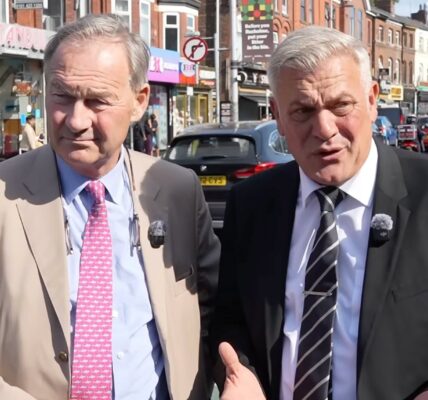
A high-profile blockade in Dover has exposed a sharp ideological divide among British populist leaders, with Nigel Farage condemning masked protesters and Rupert Lowe defending their actions as a response to a “police state.”
A weekend of disruptive anti-immigration protests in Dover has triggered an intense political fallout on the British right.
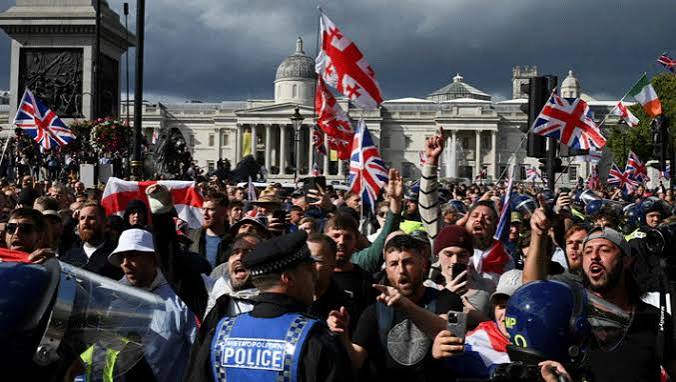
Hundreds of masked individuals blockaded access routes to cross-Channel ferries, halting traffic on the M20 and stranding holidaymakers in their vehicles.
The chaotic demonstration was designed to draw national attention to ongoing border control debates.

Instead, it quickly became the catalyst for a public disagreement between two prominent figures on the political right: Reform UK leader Nigel Farage and Restore Britain leader Rupert Lowe.
What Happened During the Dover M20 Blockade
The protest unfolded over the weekend as demonstrators used vehicles and barricades to block key transport arteries leading to the Port of Dover.
The disruption left families, freight drivers, and tourists stuck on the motorway for hours, causing significant delays across regional travel networks.
Police managing the scene faced volatile conditions as demonstrators, many wearing balaclavas to obscure their identities, confronted authorities and chanted anti-immigration slogans.
The blockade was organized to protest current government policies on asylum and illegal immigration.
However, the tactics employed by the demonstrators immediately drew conflicting verdicts from political leaders who claim to champion similar anti-establishment constituencies.
Nigel Farage Condemns ‘Sinister’ Tactics
Nigel Farage moved swiftly to distance his party from the disruptive demonstration, issuing a direct and unvarnished condemnation of the protesters’ methods.
Speaking to reporters, Farage focused heavily on the use of face coverings, labeling the demonstration “disgusting.”
“Nobody in any political protest, whether they’re on the left or the right, should appear in balaclavas,” Farage stated.
He emphasized the psychological impact on everyday citizens caught in the gridlock, pointing out that families sitting in cars on the M20 had to witness the intimidation firsthand.
“It is wrong, sinister, and worrying for people there,” Farage added, drawing a hard line between acceptable political expression and masked intimidation.
Rupert Lowe Offers Defiance and Defense
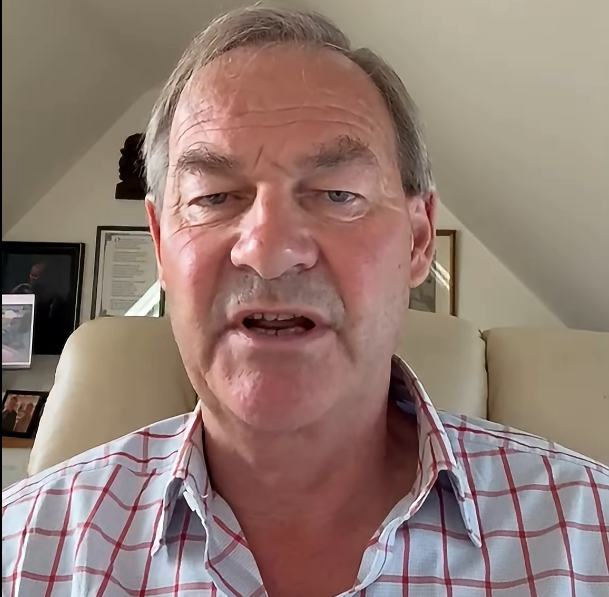
In stark contrast to Farage’s condemnation, Restore Britain leader Rupert Lowe published a video address offering a robust defense of the demonstrators.
Lowe stated he felt “compelled” to support the turnout, describing the participants as “patriots” reacting to an unaddressed crisis.
“They are responding to an illegal invasion that is undermining the interests of those who’ve paid their taxes,” Lowe argued in his address.
He directed sharp criticism at both current and past administrations, accusing them of failing to secure national borders and protect the fabric of British society.
While acknowledging that face coverings are “undesirable,” Lowe justified their use by attacking the state itself.
“In the end, if you live in a police state such as the one we have now, where you have two-tier policing… I think it’s perfectly fair for people living in this Orwellian age of facial recognition and prison for social media posts… to turn out and express their view,” Lowe said.
He concluded his remarks by explicitly contrasting his position with other political figures, stating, “I’m coming out, unlike other people, in support of those patriots.”
Why This Ideological Split Matters for the British Right
The public disagreement between Farage and Lowe illustrates a deeper strategic fault line within the populist movement in the United Kingdom.
For years, Farage has sought to professionalize his political operations, steering Reform UK toward mainstream electoral viability by condemning heavy-handed or aggressive public disorder that alienates suburban voters.
By calling out the balaclavas, Farage signaled that optics and public order matter for a party seeking to form a credible parliamentary opposition.
Lowe’s counter-strategy targets a different demographic: voters who feel deeply alienated by state institutions, surveillance, and law enforcement.
By framing masked anonymity as a defensive necessity against an overreaching government, Lowe appeals directly to anti-establishment sentiment that views mainstream political caution as a betrayal.
Broader Context on Immigration and Protests
The Dover blockade arrives at a time of heightened social tension across Britain.

Small-boat arrivals, housing pressures for asylum seekers, and debates over free speech and public safety have dominated the national conversation for months.
Police forces across the UK have struggled to balance the right to peaceful protest with the necessity of maintaining public order and preventing infrastructure gridlock.
Critics of the government argue that political inaction on immigration creates a vacuum where disruptive protests inevitably thrive.
Conversely, civil liberties groups and community leaders warn that allowing masked blockades to proceed without strong legal consequences threatens public safety and democratic norms.
What Happens Next as Political Pressures Mount
The rift between Reform UK and Restore Britain highlights the growing competition for leadership of the UK’s right-of-centre electorate.
As political parties prepare for future electoral contests, the debate over how to handle radical street protests will remain a critical test of leadership.
For Farage, maintaining a disciplined public image is essential for broader electoral growth.
For emerging challengers like Lowe, capturing the anger of disillusioned activists offers a pathway to consolidate a dedicated base.
Whether this ideological divergence strengthens the populist movement or fractures its voter base remains one of the most consequential questions in contemporary British politics.
How do you think political leaders should draw the line between legitimate public protest and disruptive actions that impact everyday citizens?