The Silent Majority Wakes: Great Yarmouth and the Fracturing of the British Right. N1

The Silent Majority Wakes: Great Yarmouth and the Fracturing of the British Right
The wind whipping off the North Sea in Great Yarmouth carries more than just the scent of salt and decaying pier wood; it carries the unmistakable static of political upheaval. On the doorsteps of this quintessential English seaside town, a new and more potent brand of nationalism is taking root, one that views the established political order—and even the recent insurgents of Reform UK—as part of a “woke” consensus that has failed the native population. Here, the name on everyone’s lips is Rupert Lowe, and the banner they are rallying behind is Restore Britain, a movement that prides itself on being the “unfiltered” voice of a disenfranchised working class.
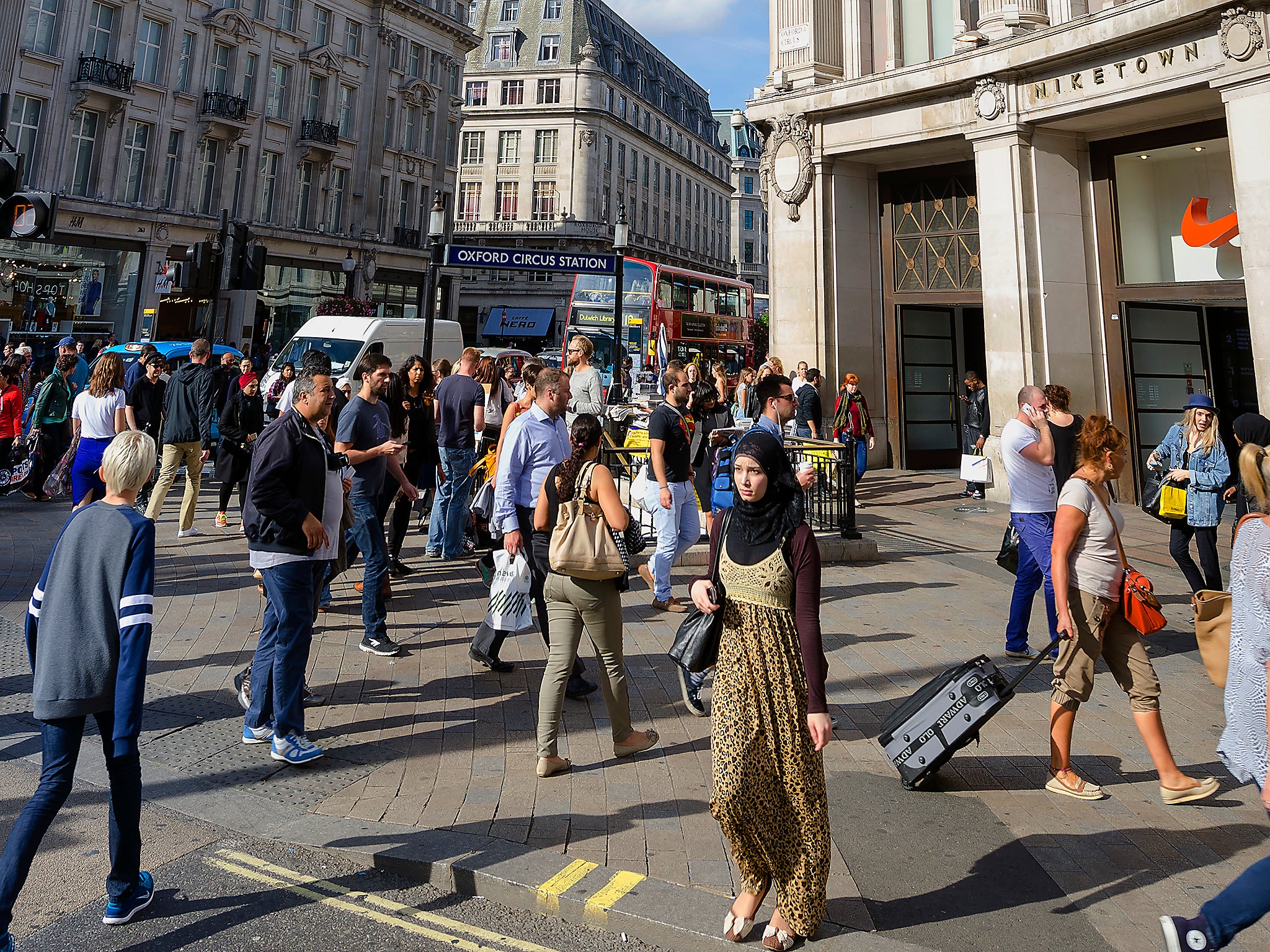
For decades, Great Yarmouth has been a bellwether for British discontent. It was a stronghold for UKIP and then the Brexit Party, but the current mood feels markedly different. It is no longer just about Brussels or even the abstract idea of sovereignty. It is about a visceral sense of cultural loss. “Do you think British people have lost their sense of identity? 100 percent,” says one voter, gesturing vaguely toward the town center. “You see these lot here? Trying to take over. Our government is woke, Labour is woke. The only thing that can save us now is Restore Britain.”
This sentiment is backed by a growing anxiety over the demographic shifts revealed in the most recent census data. In cities like London, Manchester, and Birmingham, the “White British” population has officially become a minority. In London, the 2021 Census recorded the White British group at 36.8%, down from 44.9% in 2011. In Birmingham, the figure stands at 42.9%. For the patriots canvassing in Great Yarmouth, these statistics are not just data points; they are a prophecy of a future they are desperate to avoid. They speak of a “native British” minority being “taken over” by 2045, a fear that fuels the momentum of Rupert Lowe’s campaign.
Rupert Lowe, a former MEP and businessman, has become the focal point for this energy. To his supporters, he is a figure of uncompromising integrity in a sea of political shapeshifters. Interestingly, many here have already turned their backs on Nigel Farage’s Reform UK, claiming the party has “turned a bit left” or become “woke” in its attempt to achieve mainstream respectability. For this emerging faction, the “illegal immigrant” crisis is not just a policy issue to be managed; it is an existential threat that requires a total systemic overhaul. The demand is no longer for “managed migration,” but for a radical “restoration” of British identity.
The movement is finding unexpected allies in the mainstream media ecosystem, most notably Sharon Osbourne. The “Osbourne effect” is causing significant headaches for Prime Minister Keir Starmer’s administration. By lending her platform to the “patriot” cause, Osbourne bridges the gap between the disgruntled working class and the celebrity establishment. Her involvement suggests that the movement is no longer easily dismissed as a “far-right” fringe. When a figure who has been invited to the palace and graced countless magazine covers speaks out, the government’s ability to “weaponize” labels like “extremist” begins to lose its efficacy.
Central to the anger on the streets is the perceived “erasure” of ethnicity in crime reporting. Protesters point to what they call “D-notices” and government censorship that obfuscates the identity of suspects in violent crimes. They argue that the media’s habit of describing suspects merely as a “24-year-old man from Birmingham” without mentioning ethnicity is a deliberate attempt to protect the narrative of successful multiculturalism. This lack of transparency, they claim, hides the true scale of social friction and prevents a “peaceful, democratic conversation” about the costs of rapid integration.
The tension reached a fever pitch this week outside Westminster Magistrates Court. Members of the English Constitution Society gathered to protest what they described as a “state cover-up” regarding the death of a 93-year-old man with dementia. The details of the case, as alleged by the protesters, are harrowing: a disabled veteran tasered, pepper-sprayed, and batoned by police during a welfare check, dying three weeks later in the hospital. The protesters claim the officers involved were charged with the “lesser” offense of Actual Bodily Harm (ABH) rather than torture under the Criminal Justice Act 1988, Section 134.
“Justice needs to be seen to be done,” shouted one activist outside the court. “They’ve hidden the names. They’re not on the boards, not on the lists. If a member of the public did that to a cop, their name would be plastered everywhere.” This perceived “two-tier” justice system—where the state protects its own while aggressively prosecuting “patriots”—is a central pillar of the Restore Britain platform. It reinforces the belief that the British establishment has “lied to the international community” and is now actively hostile to the people it is supposed to serve.
The demographic reality of modern Britain provides a complex backdrop to these protests. The UK’s total population in 2021 was roughly 82% White (including White British, Irish, and other White groups), with Asian groups making up 9.3% and Black groups 4.0%. However, the concentration of these populations in urban centers creates a visual and cultural disconnect for those in rural and coastal towns. In Great Yarmouth, where the White British population remains significantly higher than the national average at approximately 89%, the fear is not of what has happened, but of what “is coming.”
Keir Starmer’s government has attempted to counter this movement by branding it “far-right,” a label that the canvassers in Great Yarmouth wear with increasing indifference or outright derision. They argue that the label is used to “censor and distort” legitimate concerns about national survival. The “momentum” they speak of is driven by a feeling of being “disillusioned and disenfranchised” by decades of both Tory and Labour rule. For many here, the act of voting for Rupert Lowe is the first time they have felt represented in their adult lives.
The “sleepy voter”—the citizen who had given up on the democratic process—is the primary target for Restore Britain. In Great Yarmouth, the campaign is about “capturing” those who felt like they were “never represented.” By running candidates who have lived in the town for generations, they are challenging the “carpetbagger” reputation of mainstream politicians. The response at the doorsteps suggests that this strategy is working, as lifelong non-voters pledge their support to “Great Yarmouth First.”
The friction between Restore Britain and Reform UK is also a defining feature of this new landscape. Canvassers for Lowe are increasingly frustrated by Reform’s presence, accusing them of “splitting the vote” and lacking the courage to take the necessary “hard line” on remigration. The splintering of the British right suggests that the populist energy unleashed by Brexit has moved beyond the control of its original architects. Farage is now seen by some as an “establishment” figure, a stunning reversal for the man who once bragged about being the “most hated man in Britain.”
As the 2029 general election looms in the distance, Restore Britain is positioning itself as a “force to be reckoned with.” They are not waiting for the traditional election cycle; they are building a “permanent campaign” based on local engagement and a relentless social media presence. The goal is to create a political infrastructure that can survive being ignored or “suppressed” by the mainstream media. They are encouraging supporters to bypass traditional news outlets and look directly to “patriots and insiders” for the “real” story of what is happening to the country.
The international dimension of this struggle is also becoming more visible. Activists are encouraging citizens to send letters to the United Nations in Switzerland, alleging human rights abuses and the “torture” of elderly citizens by the British state. By appealing to international bodies, they are attempting to shame the British government on the global stage, using the very “human rights” frameworks that the left has traditionally championed. It is a sophisticated use of “lawfare” that mirrors the tactics of their political opponents.
The scene outside the magistrates’ court, with elderly veterans and young activists standing side-by-side, illustrates the multi-generational nature of the movement. It is not just “angry old men” mourning a lost past; it is a coalition of people who believe the “social contract” has been shredded. They see a state that is quick to “taser and baton” a 93-year-old man with dementia but slow to deport those who enter the country illegally. This perceived inversion of priorities is the “engine room” of the Restore Britain movement.
Back in Great Yarmouth, the canvassing continues as the sun dips below the horizon. The candidates talk of a “Great Reset” for the town, focusing on local jobs, local heritage, and “British values.” They are betting that the “identity crisis” facing the country can be solved by returning to a more localized, protective form of politics. Whether Rupert Lowe can turn this localized energy into national power remains the central question of British politics in the mid-2020s.
The mainstream media’s attempt to “go for any celebrity” that supports the movement appears to be backfiring. In an age of decentralized information, the “shaming” of figures like Sharon Osbourne only serves to harden the resolve of those who already distrust the press. The movement views itself as “unstoppable,” fueled by a belief that the “deep state” is in a state of panic because it can no longer control the narrative of national decline.
If Britain is to find a way through this polarization, it will require a level of honesty about demographics, crime, and identity that the current political class seems ill-equipped to provide. As long as “White British” people feel like their identity is being “erased” or “taken over,” the fertile ground for movements like Restore Britain will only expand. The “Battle of Great Yarmouth” is just the beginning of a much larger struggle for the soul—and the face—of the United Kingdom.
As the activists from the English Constitution Society pack up their banners and head home, their message remains clear: they are “the only people standing up” for a forgotten version of Britain. They are convinced that the “momentum” is on their side and that the era of “managed decline” is over. Whether one views them as patriots saving the nation or a “danger to the country,” there is no denying that they have fundamentally changed the political conversation.
The wind in Great Yarmouth isn’t just cold; it’s a harbinger of a storm that has been brewing for a long time. The “lot here trying to take over,” as the voter put it, and the “patriots” trying to stop them are locked in a struggle that will define the next twenty years of British life. In 2045, when the children of today are the leaders of tomorrow, they will look back at these seaside doorsteps and these courtrooms as the place where the new Britain—or the old one—was finally decided.