
RNLI Lifeboats Carrying 140 Migrants Blocked From Major English Ports Before Landing at Eastney
Two RNLI lifeboats carrying approximately 140 migrants rescued from the Solent were reportedly denied entry to Southampton and Portsmouth before bringing the group ashore in Hampshire, triggering angry local protests and national political fallout.
The weekend incident has thrust the Royal National Lifeboat Institution into the center of Britain’s immigration debate.
Marine communications revealed that port authorities blocked the charity vessels after they intercepted an inflatable vessel believed to have traveled an unusually long distance from the Normandy coast.
The episode highlights mounting friction between local authorities, maritime agencies, and humanitarian responders as small-boat arrivals continue to strain southern English coastal communities.
What Happened During the Solent Rescue
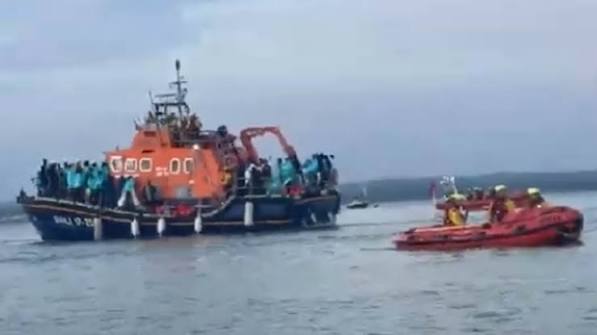
On Sunday, two RNLI lifeboats responded to a distress call in the Solent, picking up about 140 migrants from a single inflatable craft.
Unlike the more frequent short crossings targeting the Kent coastline, this vessel had reportedly navigated a much longer route across the Channel from northern France.
Following the rescue, the lifeboat crews attempted to dock at nearby major ports to process the individuals safely.
However, open marine VHF radio transmissions indicated that Southampton Vessel Traffic Service and the King’s Harbour Master Portsmouth refused entry to the vessels.
Associated British Ports later confirmed that access to Southampton was denied because the port lacked suitable reception facilities at the time.
The company stated that normal protocol would have allowed entry in an immediate life-or-safety emergency, if it were the closest available haven, or if official authorities had formally directed the port to accept the boats.
None of those conditions were met, according to port operators.
Unable to dock at Southampton or Portsmouth, the RNLI boats redirected toward Eastney.
Protests Erupt as Migrants Come Ashore
The landing at Eastney quickly drew a hostile crowd.
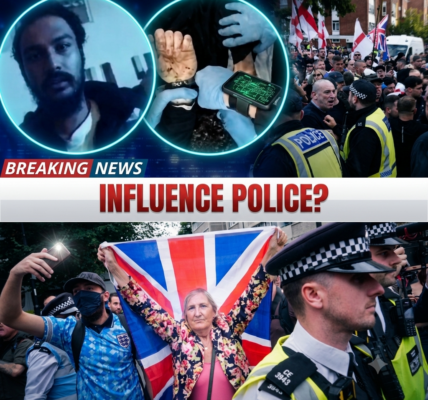
Hundreds of local residents gathered near the RNLI Portsmouth Lifeboat Station to demonstrate against the arrival.
Tensions escalated as some protesters blocked roadways, prompting police officers in riot gear to form lines and manage the crowd.
Downing Street subsequently condemned the unrest as intimidating and thuggish, while reiterating that peaceful protest remains a fundamental right.
The Home Office confirmed that the individuals brought ashore were promptly transferred away from the landing site for standard asylum processing.
The RNLI Responds Amid Growing Hostility
The decision to bar the lifeboats has drawn sharp criticism from the humanitarian organization.
An RNLI spokesman expressed deep frustration over how the operational situation was handled, stating the charity is working with authorities to understand why access was refused and voicing disappointment at the tone used toward volunteer crews.
The organization reiterated its founding principle: its volunteers give their time exclusively to save lives at sea, operating under maritime law that treats vessels in distress as an emergency regardless of the occupants’ legal status.
RNLI Chief Executive Peter Sparkes warned that volunteers have increasingly faced online abuse and even physical harassment due to misinformation surrounding Channel rescue operations.
Sparkes emphasized that public anger regarding national immigration policy should never be redirected at rescue crews answering distress calls.
Political Flashpoint Over Borders and Lifesaving
The weekend incident quickly reverberated through Westminster, intensifying long-running political divisions over border management and the role of humanitarian charities.
Reform MP Suella Braverman seized on the event, arguing that ports should refuse entry to lifeboats carrying illegal migrants and accusing the government of losing control of national borders.
Braverman revived the controversial label describing the RNLI as a “taxi service”—a characterization the charity strongly rejects.
Conversely, some political figures with anti-immigration platforms defended the humanitarian work of the crews.
Former RNLI volunteer and Reform councillor David Wimble argued that the charity remains strictly neutral, existing solely to pull drowning people from the water.
The Broader Impact on Coastal Communities
The confrontation at Eastney underscores the widening chasm between national immigration policy and the local realities faced by coastal towns.
For critics of current government policy, the visible influx of migrants reinforces a narrative of systemic failure at the border.
For the RNLI and emergency responders, the operational dilemma of where to safely land rescued individuals remains unresolved.
As the debate intensifies, the question of which ports bear the responsibility for receiving rescued maritime passengers is expected to drive further policy clashes in Parliament.
How do you think ports and maritime authorities should handle the logistical challenges of receiving large groups of rescued migrants?