
The Political Firestorm Over Immigration: Pauline Hanson’s High-Stakes Perth Manifesto
The Perth Business Breakfast Address
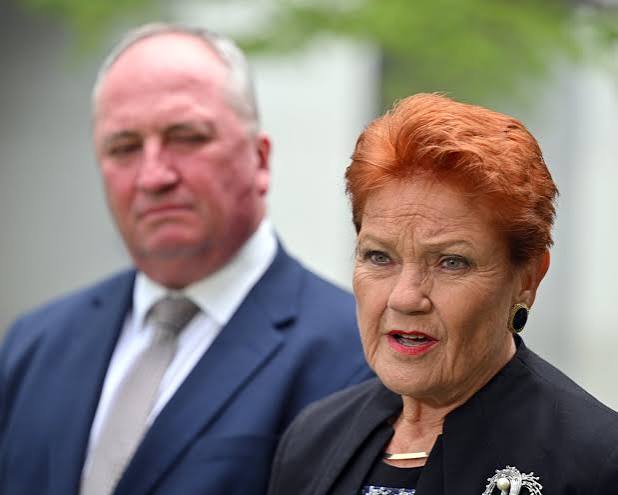
In a fiery address delivered before a packed business breakfast in Perth, Western Australia, One Nation leader Senator Pauline Hanson reignited one of the nation’s most sensitive political debates, declaring that Muslim migration is the “elephant in the room” in modern Australia.
Buoyed by a noticeable surge in national opinion polls, Hanson used the platform to present herself as a credible contender for executive office, explicitly declaring her readiness to lead the country if political momentum continues to swing toward her party.
“If I was ever in that position, which could happen at the next election, to take on the position of being prime minister of this country, I could do it. I have no doubt about that,” Hanson told the cheering audience.
┌────────────────────────────────────────────────────────────────────────┐
│                   HANSON'S PERTH SPEECH KEY PILLARS                    │
├───────────────────┬────────────────────────────────────────────────────┤
│ POLICY AREA       │ CORE DECLARATION                                   │
├───────────────────┼────────────────────────────────────────────────────┤
│ Immigration       │ Freeze migration from radical Islamic nations;     │
│                   │ offer free one-way tickets for illegal migrants.   │
├───────────────────┼────────────────────────────────────────────────────┤
│ Security          │ Cites 18,000 watch-list subjects; references the   │
│                   │ December 2025 Bondi terror attack.                 │
├───────────────────┼────────────────────────────────────────────────────┤
│ Foreign Policy    │ Opposes Gaza refugee arrivals; calls for banning   │
│                   │ street-level Palestinian protest marches.          │
├───────────────────┼────────────────────────────────────────────────────┤
│ Background        │ Roots credibility in running a small takeaway shop │
│                   │ rather than lifelong Canberra politics.            │
└───────────────────┴────────────────────────────────────────────────────┘
The Security Claims and the Bondi Reference
Framing her anti-immigration stance through national security, Hanson pointed to counter-terrorism watch lists and violent events, invoking the December 2025 terrorist attack at Bondi Beach—where Islamic State-inspired gunmen targeted a public Hanukkah gathering—as justification for tighter border controls.

“We’ve got 18,000 people on watch list,” Hanson stated. “We’ve got a real problem that’s grown in this country of radicalisation. We’ve had a number of terrorist attacks by Muslims in Australia. We’ve just had the biggest one ever last December at Bondi. You’ve got to call out the elephant in the room. And I’m sorry to say this, but I don’t want people coming to this country from radical Islamic countries, I don’t want that here.”
Taking inspiration from US border policies, Hanson suggested Australia consider offering free one-way international airfares to illegal immigrants willing to self-deport voluntarily.
                     ┌──────────────────────────────┐
                     │ HANSON'S SECURITY DIRECTIVE  │
                     └──────────────┬───────────────┘
                                    │
           ┌────────────────────────┴────────────────────────┐
           │                                                 │
┌──────────▼────────────────────┐         ┌──────────────────▼───────────┐
│     BORDER & MIGRATION        │         │    DOMESTIC PUBLIC ORDER     │
├───────────────────────────────┤         ├──────────────────────────────┤
│ • Cease Gaza visa issuances   │         │ • Outlaw Palestinian flag    │
│ • Restrict radical-zone entry │           marches on public streets     │
│ • Voluntary deportation fares │         │ • Increase watch-list focus  │
└───────────────────────────────┘         └──────────────────────────────┘
The Clash over the White Australia Policy
The mood inside the venue grew tense when The West Australian editor Chris Dore challenged Hanson directly on her rhetoric, asking whether restricting immigration based on religion or origin was a return to the historic “White Australia policy.”
Hanson forcefully rejected the comparison:
“No, it’s not. No, it’s not,” she bristled. “No, it’s got nothing to do with that. That’s not to do with the White Australia policy at all. So don’t go there with me. I’ll tell you what, because I won’t stand for it.”
She defended her opposition to humanitarian visas for individuals fleeing conflict zones like Gaza, claiming that background security checks conducted in war zones were insufficient:
“I wouldn’t have brought any of those people out from Gaza. There was only a 24-hour investigation into them. How do we know who they are? Go and ask Britain, Germany, France… Go and ask them if it’s working out for them. Those people arriving – and I tell you, it’s not, and they’ve had a gutful.”
Hanson also called for a ban on public pro-Palestinian demonstrations across Australian capital cities, arguing that protesters should express their grievances overseas rather than on domestic streets.
┌────────────────────────────────────────────────────────────────────────┐
│                   THE UK TRIP & FUNDING INTERROGATION                  │
├────────────────────────────────────────────────────────────────────────┤
│ THE UK ENGAGEMENT                                                      │
│ • Defends meeting controversial figures, including Tommy Robinson.     │
│ • Chief of staff James Ashby frames Channel 7 'Spotlight' interview    │
│   as a "stitch up."                                                    │
│                                                                        │
│ THE FINANCIAL INTEGRITY EXCHANGE                                       │
│ • Dore asks if taxpayers or billionaire Gina Rinehart funded the trip. │
│ • Hanson responds directly: "It didn't cost the taxpayer one cent."    │
│ • Defends Rinehart as a patriotic self-made icon providing jobs.       │
└────────────────────────────────────────────────────────────────────────┘
The Small Business Narrative and Defending Gina Rinehart
Earlier in her address, Hanson contrasted her real-world background as a former takeaway shop owner in Ipswich with the career politicians dominating Canberra. She argued that managing payroll, paying rent, and balancing books in small business provided her with a pragmatic understanding of economic pressures that career bureaucrats lack.
When Dore raised her close relationship with mining magnate Gina Rinehart and questioned who funded her recent trip to the United Kingdom—asking whether taxpayers or Rinehart covered the expenses—the audience grumbled. Hanson delivered a sharp response:
“Chris, look straight at my eyes. It didn’t cost the taxpayer one cent for my trip overseas. Not one cent,” Hanson declared, before defending Rinehart as a self-made patriot whose mining investments generate royalties, taxes, and employment across Western Australia.
“Over thirty years covering national campaigns, security crises, and political realignments across Australia, I have learned that when a populist leader addresses a room of business executives and demands a total shift in immigration policy, they aren’t just giving a speech—they are testing how far the political center has shifted. Pauline Hanson’s Perth address was a calculated bid to move her party from the margins of protest straight into the mainstream of national power.”
To understand why Pauline Hanson’s comments generated such intense reaction in Perth, one must look past the immediate outrage and analyze the strategic messaging at play.

Here is the deeper political analysis behind the headlines.
┌────────────────────────────────────────────────────────────────────────┐
│                   THE ARCHITECTURAL POPULIST FORMULA                  │
├────────────────────────────────────────────────────────────────────────┤
│ CLASS AUTHENTICITY (The Takeaway Shop)                                 │
│ [Small Business Background] ──► Appeals to Squeezed Working Class      │
│                                                                        │
│ NATIONAL SECURITY FEAR (The Border Threat)                             │
│ [Refers to Bondi & Global Unrest] ──► Leverages Anxiety over Cohesion  │
│                                                                        │
│ ANTI-ESTABLISHMENT ALIGNMENT (The Rinehart Alliance)                   │
│ [Defends Mining Capital] ──► Bridges Populism with Resource Wealth    │
└────────────────────────────────────────────────────────────────────────┘
Detail 1: The Tactical Weaponization of National Security Anxiety
The core strategy behind Hanson’s speech lies in linking broader public anxiety over national security and social cohesion directly to immigration intake.
By citing specific numbers—such as the 18,000 subjects on security watch lists—and explicitly invoking high-profile domestic security events like the December 2025 Bondi Beach terror attack, Hanson bypasses traditional economic arguments about skilled labor shortages. She re-frames immigration not as an economic lever managed by the Treasury, but as an existential cultural and security risk.
┌────────────────────────────────────────────────────────────────────────┐
│                   THE STRATEGIC RE-FRAMING OF MIGRATION                │
├───────────────────────────┬────────────────────────────────────────────┤
│ CANBERRA ESTABLISHMENT    │ HANSON'S POPULIST MODEL                    │
├───────────────────────────┼────────────────────────────────────────────┤
│ • Focus on GDP growth     │ • Focus on public safety & integration     │
│ • Skilled labor pipelines │ • Risk mitigation against radicalism       │
│ • International diplomacy │ • Protection of domestic social cohesion   │
└───────────────────────────┴────────────────────────────────────────────┘
When Hanson appeals to European examples—pointing to public debates in Britain, France, and Germany—she is tapping into a global populist narrative. This approach allows her to present her policy demands not as isolated Australian positions, but as part of a wider Western realignment toward tighter national borders.
Detail 2: The Takeaway Counter vs. The Canberra Bubble
Hanson’s decision to ground her economic authority in her past experience running an Ipswich fish and chip shop remains one of her most effective political tools.
                     ┌──────────────────────────────┐
                     │ THE CLASS-BASED CONTRAST     │
                     └──────────────┬───────────────┘
                                    │
           ┌────────────────────────┴────────────────────────┐
           │                                                 │
┌──────────▼────────────────────┐         ┌──────────────────▼───────────┐
│     THE CANBERRA CLASS        │         │   THE REAL-WORLD SMALL BIZ   │
├───────────────────────────────┤         ├──────────────────────────────┤
│ University degrees, political │         │ Balancing weekly payroll,    │
│ staffers, life-long civil     │         │ paying commercial rent, and  │
│ service careers in bureaucracy│         │ dealing with inflation firsthand│
└───────────────────────────────┘         └──────────────────────────────┘
In an era defined by sticky inflation, rising commercial rents, and cost-of-living pressures, voters often view career politicians in Canberra as detached from real-world financial friction. By reminding audiences that she handed out free Mars bars to local kids and balanced weekly books as a single mother, Hanson presents herself as uniquely qualified to understand the everyday economic pressures facing Australian households.
Detail 3: The Gina Rinehart Axis and Western Australia’s Economic Engine
Hanson’s passionate defense of mining billionaire Gina Rinehart highlights an essential structural partnership that underpins One Nation’s political viability in Western Australia.
┌────────────────────────────────────────────────────────────────────────┐
│                  THE WA POPULIST-RESOURCES ALLIANCE                    │
├────────────────────────────────────────────────────────────────────────┤
│ MINING CAPITAL (Rinehart) ──► Provides industrial validation & backing  │
│                                   ▲                                    │
│                                   │ MUTUAL POLITICAL INTEREST          │
│                                   ▼                                    │
│ POPULIST VOTES (One Nation) ──► Defends mining royalties, jobs, & tax  │
└────────────────────────────────────────────────────────────────────────┘
Western Australia’s economy relies heavily on resource extraction, mining royalties, and regional employment generated by iron ore giants like Hancock Prospecting. By defending Rinehart against media scrutiny regarding travel funding, Hanson reinforces her alignment with the state’s primary economic engine. She presents the alliance between a populist politician and a mining leader not as elite deal-making, but as two patriotic Australians protecting local jobs from federal taxation and regulation.
Unanswered Questions That Will Shape the Political Landscape
As One Nation continues to rise in public opinion polls ahead of the next federal election, several critical questions remain unaddressed:
-
How Will the Major Parties Respond to Border Scrutiny? Will the Labor Government and the Coalition tighten security vetting protocols for humanitarian intake to neutralize One Nation’s attacks, or will they directly confront Hanson’s proposals as discriminatory?
-
Can One Nation Translate Poll Numbers into House Seats? While One Nation routinely polls strongly in Senate contests across Western Australia and Queensland, can Hanson’s personal popularity deliver lower house seats under Australia’s preferential voting system?
-
What Are the Diplomatic Implications? If One Nation gains significant legislative power or balance-of-power leverage in the Senate, how will Hanson’s proposed restrictions on migration and protest rights affect Australia’s trade and diplomatic relations across the Indo-Pacific and Middle East?
Pauline Hanson’s Perth address demonstrates her ability to set the national political agenda. By directly linking immigration policy to national security, referencing the Bondi terror attack, defending resource capital, and framing her working-class background as an alternative to professional politicians, the One Nation leader has staked out an uncompromising position ahead of the upcoming election.
Whether one views her speech as a necessary defense of national sovereignty or an unacceptable escalation of divisive rhetoric, one reality is clear: Pauline Hanson is no longer operating on the fringes of Australian politics. As economic uncertainty and security fears continue to weigh on voters, her unapologetic brand of populism is reshaping the national debate on immigration, identity, and state power.
A Question for Discussion
Does framing immigration policy around national security and integration represent a necessary response to changing global conditions, or does targeting specific communities risk damaging national unity and Australia’s multicultural model? What do you think?