
The Battle Over the Banner: Inside the AMWU’s Push to Strip the Union Jack
The Union Blueprint and the National Conference
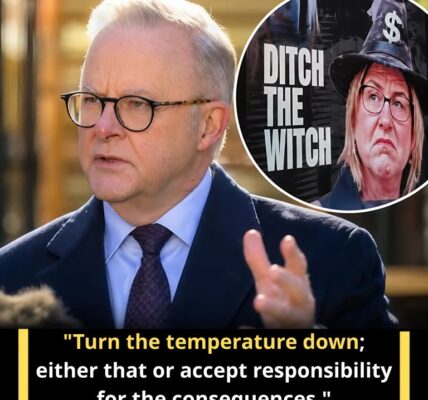
On the eve of the Australian Labor Party’s 50th National Conference in Adelaide, one of the nation’s most influential industrial organizations—the Australian Manufacturing Workers’ Union (AMWU)—ignited a fierce political row by demanding the complete removal of the Union Jack from the Australian national flag.
In its policy manifesto, titled the Union Blueprint of Action, the far-left aligned union explicitly labeled the Union Jack a “symbol of oppression,” arguing that its continued presence on the national flag celebrates the colonial violence and dispossession inflicted upon First Nations peoples.
┌────────────────────────────────────────────────────────────────────────┐
│                   AMWU BLUEPRINT KEY DEMANDS                           │
├───────────────────┬────────────────────────────────────────────────────┤
│ POLICY DEMAND     │ CORE STATEMENT / RATIONALE                         │
├───────────────────┼────────────────────────────────────────────────────┤
│ National Flag     │ Remove the Union Jack; label it a "symbol of       │
│                   │ oppression" and old ruling-class empire.           │
├───────────────────┼────────────────────────────────────────────────────┤
│ Colonial Monuments│ Remove "offensive colonial statues" from public    │
│                   │ spaces across Australia.                           │
├───────────────────┼────────────────────────────────────────────────────┤
│ Indigenous Voice  │ Re-implement an Indigenous Voice to Parliament     │
│                   │ despite the failed 2023 referendum.                │
├───────────────────┼────────────────────────────────────────────────────┤
│ Historical Framing│ Formally characterize Australia's foundation as     │
│                   │ built on "colonial crimes" and "stolen land."      │
└───────────────────┴────────────────────────────────────────────────────┘
High-Profile Labor Connections
The AMWU’s demand carries significant political weight inside the government because the union serves as a key organizational and financial pillar of the Labor Left faction.
Multiple senior government figures and parliamentarians maintain direct membership ties to the AMWU, including:
-
Tim Ayres: Minister for Industry and Innovation.
-
Jenny McAllister: Minister for the National Disability Insurance Scheme (NDIS).
-
Senators: Ellie Whiteaker, Nita Green, and Anne Urquhart.
In a section of the blueprint titled “Solidarity with First Nation peoples” outlining a “four-step pathway to justice,” the union pulls no punches regarding Australia’s heritage:
“We need to strip away the constant reminders of the old ruling class and colonial empire. Symbols of oppression – like the Union Jack on our flag and offensive colonial statues – must be removed from public life,” the document states. “A fair country should not celebrate the very symbols used to commit violence and dispossession against its First Peoples.”
                     ┌──────────────────────────────┐
                     │  AMWU FACTIONAL INFLUENCE    │
                     └──────────────┬───────────────┘
                                    │
           ┌────────────────────────┴────────────────────────┐
           │                                                 │
┌──────────▼────────────────────┐         ┌──────────────────▼───────────┐
│     KEY UNION MEMBERS         │         │   POLICY LEVERAGE AT CONFER. │
├───────────────────────────────┤         ├──────────────────────────────┤
│ • Innovation Minister Tim Ayres│         │ Delegation controls bloc     │
│ • NDIS Minister Jenny         │         │ votes on draft platform;     │
│   McAllister                  │         │ drives party's progressive   │
│ • Key Labor Left Senators     │         │ constitutional agenda.       │
└───────────────────────────────┘         └──────────────────────────────┘
The Draft Platform and the Adelaide Conference
The three-day National Conference in Adelaide brings together 400 delegates to debate and vote on a 126-page draft platform.
In addition to the AMWU’s flagship demand, the broader draft platform includes proposals to integrate an anti-racism strategy directly into the party’s constitution, formalize support for “Welcome to Country” protocols, and express opposition to Reserve Bank interest rate hikes.
With the conference taking place amid rising poll numbers for Pauline Hanson’s One Nation and ongoing volatility for the Liberal-National Coalition, Prime Minister Anthony Albanese and party strategists are eager to manage factional disputes and present a picture of stability to the Australian public.
“Over thirty years covering national party conferences, union battles, and constitutional debates in Canberra, I have learned that when a major union publishes a controversial manifesto right before a National Conference, they aren’t expecting immediate legislative changes. They are engaging in a classic factional maneuver: setting a radical policy anchor to pull the party’s official platform further to the left.”
To understand why the AMWU chose this moment to target the national flag, one must look beyond the immediate media reaction and examine the internal dynamics of the Labor movement.
Here is the deeper political analysis behind the headline debate.
┌────────────────────────────────────────────────────────────────────────┐
│                   THE FACTIONAL ANCHORING STRATEGY                     │
├────────────────────────────────────────────────────────────────────────┤
│ RADICAL OUTSIDE DEMAND (AMWU Blueprint)                                │
│ [Demands Flag Change & Removing Statues] ──► Sets Progressive Baseline │
│                                                                        │
│ FACTIONAL COMPROMISE (Conference Floor)                                │
│ [Adopts Broad Anti-Racism Policies] ──► Appears Moderate by Comparison │
└────────────────────────────────────────────────────────────────────────┘
Detail 1: The Factional Power Dynamics of the AMWU
The AMWU is not a fringe activist group; it is an industrial heavyweight within the Labor Left.
By taking a firm stance on the Union Jack, colonial statues, and a renewed Voice to Parliament, union leadership is communicating directly to its progressive rank-and-file members. Following the failure of the 2023 Voice to Parliament referendum, many left-leaning union members felt the government backed away too quickly from constitutional reform.
┌────────────────────────────────────────────────────────────────────────┐
│                   THE TWO-FRONT STRATEGIC BALANCE                      │
├───────────────────────────┬────────────────────────────────────────────┤
│ GOVERNMENT LEADERSHIP     │ INDUSTRIAL LEFT (AMWU)                     │
├───────────────────────────┼────────────────────────────────────────────┤
│ • Seeks middle-ground     │ • Demands clear progress on identity,      │
│   stability for voters.   │   reconciliation, and symbols.             │
│ • Avoids divisive culture │ • Uses conference delegate strength to     │
│   war topics.             │   push progressive commitments.            │
└───────────────────────────┴────────────────────────────────────────────┘
By putting these demands in writing, the AMWU forces cabinet ministers holding union cards—such as Tim Ayres and Jenny McAllister—to navigate a delicate balancing act between loyalty to their industrial base and their cabinet duties under Anthony Albanese.
Detail 2: The Electorate’s Sensitivity to Flag Debates
From a purely electoral perspective, launching an attack on the national flag ahead of a federal election carries substantial political risk for Labor.
                     ┌──────────────────────────────┐
                     │ THE ELECTORAL RISK PROFILE   │
                     └──────────────┬───────────────┘
                                    │
           ┌────────────────────────┴────────────────────────┐
           │                                                 │
┌──────────▼────────────────────┐         ┌──────────────────▼───────────┐
│   SUBURBAN & REGIONAL SEATS   │         │    OPPOSITION REACTION       │
├───────────────────────────────┤         ├──────────────────────────────┤
│ Working-class voters favor    │         │ One Nation & Coalition seize │
│ economic stability over symbol│         │ on flag demands as proof     │
│ and flag controversies.       │         │ of elite culture-war focus.  │
└───────────────────────────────┘         └──────────────────────────────┘
While symbolic changes appeal to progressive voters in inner-city electorates, working-class voters in suburban and regional seats—particularly those currently considering One Nation amid cost-of-living pressures—often view attacks on the flag as out-of-touch culture-war politics. Opposition parties and populist leaders like Pauline Hanson will undoubtedly use the AMWU manifesto to argue that Labor’s union base is more focused on changing national symbols than managing inflation and housing costs.
Detail 3: Managing the Conference Floor in Adelaide
Prime Minister Anthony Albanese’s primary objective in Adelaide is discipline. Modern national party conferences are carefully managed events designed to avoid public spats that opposition media outlets can weaponize.
┌────────────────────────────────────────────────────────────────────────┐
│                   CONFERENCE MANAGEMENT PROTOCOL                       │
├────────────────────────────────────────────────────────────────────────┤
│ 1. AMWU submits radical blueprint to satisfy internal progressive base. │
│ 2. Factional leaders negotiate watered-down language behind closed doors.│
│ 3. Final vote passes settled platform without live floor fights.       │
└────────────────────────────────────────────────────────────────────────┘
Expect party organizers to work behind closed doors to ensure the final, voted-on party platform emphasizes broad principles of social inclusion and anti-racism, while keeping explicit pledges to change the flag or remove colonial statues out of the official binding policy document.
Unanswered Questions That Will Define This Conference

As delegates assemble in Adelaide, several key questions remain unanswered:
-
Will Senior Ministers Publicly Distance Themselves? How will union-affiliated ministers like Tim Ayres and Jenny McAllister respond when asked directly whether they support their own union’s call to strip the Union Jack from the flag?
-
How Will the Opposition Capitalize? Will the Liberal Party and One Nation use the AMWU blueprint to push for parliamentary motions reaffirming the status of the Australian flag?
-
What Is the Future of Constitutional Reform on Labor’s Platform? Despite the 2023 Voice referendum result, how far will the National Conference go in preserving commitments to Treaty, Truth-Telling, and First Nations representation in its binding policy?
The AMWU’s demand to strip the Union Jack from the Australian flag highlights the ongoing tension at the heart of the Labor movement: balancing the radical symbolic ambitions of its industrial left with the practical electoral discipline required to govern.
While the union’s manifesto reflects a desire among progressive delegates to challenge Australia’s colonial legacy, the government leadership knows that opening a debate on the national flag during an economic crisis is political dynamite.
As the Adelaide conference gets underway, Anthony Albanese’s challenge will be keeping his party focused on cost-of-living messaging while preventing union-backed symbolic debates from handing his political opponents an easy victory.
A Question for Discussion
Should major political parties use national conferences to debate fundamental symbols like the national flag, or does focusing on culture-war issues alienate voters who care primarily about economic stability and everyday living costs? What do you think?