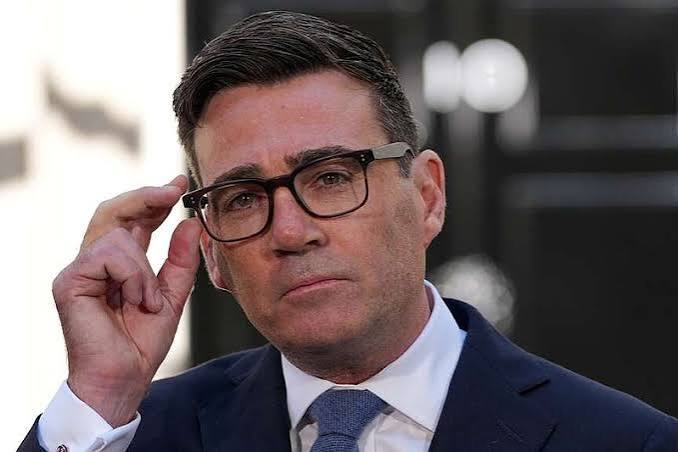
Burnham Defends Cabinet Shakeup and Reprioritization in Early Days of Premiership. n1

The Anatomy of a First Act: Inside Andy Burnham’s High-Stakes Gamble for Britain
The Setting: A Turbulent Transfer of Power
In July 2026, the iron gates of 10 Downing Street opened to receive Britain’s seventh Prime Minister in a decade. Andy Burnham—the former Mayor of Greater Manchester who had spent nearly nine years building a regional power base in the industrial North—returned to Westminster not as an outsider making noise from the provinces, but as the chief executive of the United Kingdom. He stepped into power following the abrupt resignation of Keir Starmer, inheriting a nation battered by a persistent cost-of-living crisis, crumbling public infrastructure, and deep voter cynicism.
Burnham’s initial address on the steps of Downing Street was calculated to signal a stark break from the past. Ditching the formal lectern and adopting a conversational tone, he promised a “circuit breaker” for British politics—a shift away from ideological factionalism, centralized London-centric rule, and economic austerity.
Yet within days of crossing the threshold of No. 10, the rhetoric of national unity collided with the harsh realities of governing. Burnham found himself forced onto the defensive, fielding sharp interrogation over sweeping cabinet purges, fiscal sleight-of-hand, and a damaging early ethics controversy that threatened to derail his honeymoon period before it had truly begun.
       Timeline of the Power Transition (July 2026)

  [By-Election Victory] ──> [Starmer Resigns] ──> [Burnham Sweeps Leadership]
     June 18, 2026            June 22, 2026              July 16, 2026
                                                               │
  [First Domestic Suite] <── [Cabinet Reshuffle] <── [Takes Office as PM]
     July 21-23, 2026           July 20, 2026             July 20, 2026
The Reshuffle: Administrative Realignment or Factional Purge?
The first seismic wave of Burnham’s premiership hit Whitehall within hours of his meeting with King Charles III. In a swift execution of authority, Burnham removed 11 senior members of Keir Starmer’s cabinet. High-profile departures included major Starmer allies: former Chancellor Rachel Reeves, Foreign Secretary David Lammy, and key administrative architects like Darren Jones.
The scale of the dismissal immediately drew accusations of political score-settling and factional purge from within his own party—a direct challenge to Burnham’s explicit pledge to end internal party warfare.
Burnham moved aggressively to reject the factional narrative during his first major broadcast interviews. Framing the clear-out not as ideological retribution, but as an indispensable operational adjustment, he argued:
“Obviously, there’s a need to bring in change to give the government that new direction that I’ve called for. That’s just a reality of politics, it’s not about factionalism.”
To soften the blow and maintain continuity, Burnham highlighted that he personally conducted the exit interviews with dismissed ministers. He also pointed to key Starmer-era figures who retained their posts, including Home Secretary Shabana Mahmood and Transport Secretary Heidi Alexander. Furthermore, he elevated former Defense Secretary John Healey to the position of Chancellor of the Exchequer—a move designed to project stability to financial markets while signaling a pivot toward strategic domestic investment.
The Fiscal Dilemma: “Reprioritizing” Under Strict Rules
The second major battleground for Burnham’s young administration lies in the treasury. Burnham entered office with a heavy list of progressive spending commitments:
-
Comprehensive social care reform.
-
Increased national defense spending.
-
A massive surge in municipal council housing construction.
However, these ambitions are constrained by his explicit promise to adhere to strict national fiscal rules.
When pressed on whether tax increases or expanded national borrowing were inevitable to close the structural deficit, Burnham noticeably declined to promise a tax freeze ahead of his upcoming autumn budget. Instead, he introduced a key governing phrase for his administration: “reprioritization.”
                 Burnham's "Reprioritization" Model

    Scrapped / Diverted Budgets            Immediate Cost-of-Living Relief
  ┌─────────────────────────────┐        ┌──────────────────────────────┐
  │  Digital ID Card Scheme     │ ─────> │  VAT Removal on Electricity  │
  │  (£1.8B Estimated Savings)  │        │  National Bus Fare Cap       │
  └─────────────────────────────┘        └──────────────────────────────┘
  ┌─────────────────────────────┐        ┌──────────────────────────────┐
  │  £39B Existing Housing Fund │ ─────> │  Direct Construction of      │
  │  (Reallocated Proportions)  │        │  New Council Housing         │
  └─────────────────────────────┘        └──────────────────────────────┘
Burnham insisted that his first three major policy rollouts were fully funded through this mechanism:
-
Ending Rough Sleeping: A targeted £340 million initiative aimed at street homelessness.
-
National Bus Fare Cap: Protecting regional transit subsidies.
-
VAT Removal on Electricity Bills: Direct relief for household energy expenses.
To finance these measures without immediate tax spikes, Burnham announced the total cancellation of Starmer’s controversial digital identity card program. Originally designed to monitor employment eligibility and curb illegal migration, the £1.8 billion digital ID initiative was rebranded by Burnham’s team as an unnecessary expenditure that could be better deployed to ease kitchen-table inflationary pressures.
Simultaneously, on the housing front, Burnham confirmed he had directed civil servants to reallocate a significantly larger percentage of the government’s existing £39 billion housing fund exclusively toward building new council homes. He argued that public council housing yields the single “biggest return on investment” for the state by lowering long-term temporary accommodation costs and stabilizing local communities.
The “Hot Mic” Crisis: An Early Ethics Test
Policy disputes were quickly overshadowed by an unexpected operational crisis. A “hot mic” recording caught senior cabinet members laughing and making light remarks regarding the government’s early prisoner release program—a policy inherited from the previous administration to alleviate severe prison overcrowding.
The timing of the recording was devastating. Public attention was focused on high-profile offender reviews, including reports that accomplices involved in the tragic 2019 killing of Police Constable Andrew Harper could be eligible for early release under the scheme.
Burnham was forced into immediate damage control:
“Is it acceptable? No, it’s not,” Burnham stated plainly, confirming that formal apologies had been issued by the ministers involved.
In an effort to reassure a furious public, the Prime Minister clarified that the main perpetrator in the murder of PC Harper would remain barred from early release, though he acknowledged that minor accomplices might legally fall under the scheme’s criteria. Burnham concluded by announcing that he and his newly appointed Justice Secretary would undertake an immediate, formal review of the early release criteria.
“My Professional Perspective”
By a Veteran Political Reporter and Investigative Analyst
Having spent three decades walking the corridors of Westminster, Capitol Hill, and international capitals, I have watched prime ministers and presidents take office under every conceivable circumstance. I have seen the polished idealists who crumble at the first touch of departmental bureaucracy, and I have seen the cold technocrats who build policy systems that completely lack a human heart.
When you look beyond the sensational headlines of Andy Burnham’s opening week, you realize this isn’t just another routine leadership transition in a tired political cycle. This is a fundamental collision between two entirely different philosophies of power: the insular, lawyerly technocracy of the Westminster establishment versus the populist, executive regionalism forged in the post-industrial North.
To truly understand what unfolded during these turbulent first few days, we must pull back the curtain on four critical layers that the daily news cycle missed.
Layer 1: The Myth of the “Non-Factional” Purge
Political reporters love to talk about “purges,” but what Burnham executed in his first 48 hours was something far more surgical.
When Burnham stood outside 10 Downing Street and declared an end to factionalism, commentators treated his subsequent dismissal of 11 cabinet ministers as a blatant self-contradiction. But that assessment misunderstands how modern political machinery works.
┌────────────────────────────────────────────────────────────────────────┐
│                        THE CABINET RESTRUCTURING                       │
├──────────────────────────────────┬─────────────────────────────────────┤
│      PURGED STARMER ALLIES       │         RETAINED STARMERITES        │
├──────────────────────────────────┼─────────────────────────────────────┤
│ • Rachel Reeves (Ex-Chancellor) │ • Shabana Mahmood (Home Secretary)  │
│ • David Lammy (Ex-Foreign Sec)   │ • Heidi Alexander (Transport Sec)   │
│ • Darren Jones (Ex-Chief Sec)    │                                     │
│ • Steve Reed, Peter Kyle, etc.   │                                     │
└──────────────────────────────────┴─────────────────────────────────────┘
Burnham did not dismiss Rachel Reeves, David Lammy, or Darren Jones because of old ideological grudges. He removed them because they represented the institutional architecture of Starmerism—a management style characterized by extreme central control, cautious incrementalism, and deep risk aversion.
During his nine years as Mayor of Greater Manchester, Burnham operated like a metro mayor in an American-style executive system. He ran a cabinet where results mattered more than ideological alignment, but where loyalty to the core executive vision was non-negotiable. By keeping figures like Shabana Mahmood and Heidi Alexander, Burnham sent a deliberate signal: If you can adapt to an aggressive, interventionist governing style, you have a place at the table. If your instinct is to check with central treasury officials before making a move, you are out.
It wasn’t a factional purge in the traditional left-versus-right sense. It was an operational purge—the systematic replacement of cautious process-managers with executive doers.
Layer 2: The Mirage of the “Digital ID” Savings
The central economic trick of Burnham’s opening week was his decision to fund electricity VAT cuts and bus subsidies by scrapping Keir Starmer’s digital identity card scheme. On paper, it sounds like brilliant kitchen-table governance: Cancel a billion-pound government IT project and give the money straight back to struggling families.
Except, as any seasoned investigative financial reporter knows, that is rarely how public sector accounting works.
                     The Digital ID Accounting Reality

    Official Cabinet Narrative             Treasury Reality & Friction
  ┌────────────────────────────┐         ┌────────────────────────────┐
  │ Scrapping the £1.8B scheme │         │ The scheme was unfunded;   │
  │ directly unlocks liquid    │  VS.    │ departments were meant to  │
  │ cash for VAT cuts on energy│         │ absorb costs internally.   │
  └────────────────────────────┘         └────────────────────────────┘
                                                       │
                                                       ▼
                                         [Darren Jones Public Dispute]
                                         No "pot of gold" sitting in a
                                         vault ready to be spent.
Darren Jones, the ousted Chief Secretary to the Treasury, blew the whistle on this illusion within hours of his dismissal. Jones pointed out a critical detail that No. 10 hoped the public would ignore: the digital ID scheme was largely unfunded in real time. It was a long-term capital allocation plan that relied on future departmental efficiencies rather than a giant vault of unspent cash sitting in Whitehall.
By claiming that scrapping digital IDs instantly frees up revenue to eliminate VAT on electricity bills, Burnham engaged in classic political arbitrage. He took an abstract, unpopular future project and “converted” its paper savings into immediate, tangible subsidies.
This creates a dangerous financial precedent. You can only cancel a major IT program once. When the autumn budget arrives, the bond markets will not accept phantom paper savings in place of real, structural revenue generation. Burnham’s refusal to rule out tax hikes is the clearest admission that he knows his initial accounting tricks have a very short shelf-life.
Layer 3: The Housing Paradigm Shift
If there is one area where Burnham’s analysis is historically and economically sound, it is his reallocation of the £39 billion housing fund.
For four decades—under both Conservative and Labour administrations—British housing policy operated under a central dogma: use public money to subsidize private developers in the hope that a fraction of the build-out trickles down as “affordable housing.”
                         UK HOUSING POLICY PIVOT

   THE HISTORICAL MODEL (1980s-2026)          THE BURNHAM MODEL (2026-Present)
  ┌─────────────────────────────────┐        ┌──────────────────────────────────┐
  │ Public Subsidies -> Private     │        │ Direct State Investment ->       │
  │ Developers -> Minimal "Afford-  │  ───>  │ Direct Construction of Council   │
  │ able" Private Housing Allocations│        │ Housing Stock (£39B Reallocated) │
  └─────────────────────────────────┘        └──────────────────────────────────┘
The results of that four-decade experiment have been catastrophic:
-
Skyrocketing private rents.
-
Depleted social housing stock.
-
Local councils spending billions of pounds annually placing homeless families in temporary, substandard hotel rooms.
Burnham’s decision to mandate that the majority of the existing £39 billion fund go directly to council housing construction represents a structural pivot. Council housing isn’t just a social safety net; it is an economic asset that generates long-term, inflation-indexed rental yields directly for local government while driving down state expenditures on temporary housing subsidies.
This is the Manchester approach brought to London. In Manchester, Burnham saw firsthand that direct public investment in municipal assets creates economic resilience. The real question isn’t whether the policy is right; it’s whether Britain’s depleted construction industry and slow local planning authorities can actually deliver those homes before the next election cycle.
Layer 4: The Anatomy of a “Hot Mic” Disaster
The “hot mic” incident—where cabinet ministers were recorded laughing about early prisoner releases—is far more than a temporary public relations blunder. In documentary storytelling, we look for moments that symbolize deeper structural flaws. This was one of those moments.
                         THE "HOT MIC" CRISIS CHAIN

     Systemic Issue:              Inappropriate Tone:            Public Impact:
  Overcrowded Prisons    ──>   Ministers Caught Laughing   ──>  Erosion of Public
  & Early Releases             on "Hot Mic" Recording           Trust & Re-trauma
                                                                for Victims' Families
The early release of prisoners is a policy born out of administrative desperation. Britain’s prisons are at physical capacity—a crisis inherited after years of underinvestment in criminal justice infrastructure. But when political leaders treat systemic failure as a lighthearted topic behind closed doors, it reveals an alarming disconnect between top-level decision-makers and the lived reality of ordinary citizens.
For the family of PC Andrew Harper—and for millions of citizens worried about law and order—the idea that individuals connected to violent crime could walk free while ministers joke about administrative logistics was deeply damaging.
Burnham’s immediate public condemnation (“Is it acceptable? No, it’s not”) showed political instinct, but the damage was done. It exposed the central vulnerability of his administration: an over-confident political class that risks appearing out of touch with basic public sensitivities even while declaring a “new era” of politics.
Key Questions That Remain Unanswered
As an investigative journalist looking beyond the daily headlines, five critical questions must be asked:
-
Where does the real money come from when paper savings run out? Scrapping digital IDs provides short-term political cover, but how will Chancellor John Healey fund long-term social care reform without triggering a backlash from taxpayers or financial markets?
-
Can the “King of the North” govern Whitehall? Burnham built his reputation as an executive mayor who could blame London for regional shortcomings. Now that he is London, who does he point to when civil service inertia slows down his initiatives?
-
What is the true cost of the Starmer clear-out? By purging 11 experienced cabinet ministers, has Burnham destroyed party unity in the House of Commons, creating a bitter backbench faction waiting for him to stumble?
-
How will Burnham handle foreign policy and international instability? Burnham made his career on domestic kitchen-table issues. How will he handle complex global diplomacy, national security crises, and volatile relations with foreign superpowers?
-
Will the early release review actually fix the prison crisis? Pausing or altering early prisoner release satisfies public anger, but without rapid investment in new detention facilities, where will the justice system put newly sentenced offenders?
The Honeymoon That Never Was
Andy Burnham entered 10 Downing Street promising a “circuit breaker”—a decisive break from a decade of political chaos, revolving-door leadership, and institutional decay. He presented himself not as another career politician climbing the ladder, but as a battle-tested regional executive coming to restore basic common sense to a dysfunctional capital.
Yet his first week in power delivered a sobering lesson: In modern politics, there are no honeymoon periods.
                     THE PRIMESHIP BALANCING ACT

         PROMISES                              REALITIES
 ┌──────────────────────┐               ┌──────────────────────┐
 │ • Circuit Breaker    │               │ • Fractured Party    │
 │ • Public Reinvesting │   VS.         │ • Tight Fiscal Rules │
 │ • Regional Focus     │               │ • Institutional Inertia│
 └──────────────────────┘               └──────────────────────┘
Within days, the idealism of his campaign met the unforgiving realities of statecraft. He was forced to defend a cabinet purge that looked suspiciously like the very factionalism he condemned. He had to rely on creative accounting to fund his immediate cost-of-living relief. And he was dragged into damage control over a insensitive, off-guard moment that exposed the lingering gap between Whitehall politicians and the public.
Burnham’s early maneuvers demonstrate undeniable political skill and a clear, pragmatic strategy. Reallocating housing funds, freezing VAT on energy, and capping bus fares are moves designed to deliver immediate, visible relief to working-class communities. But these early victories are built on delicate financial scaffolding.
Britain does not need another leader who excels at managing the daily news cycle; it needs a leader capable of repairing the structural foundations of a struggling nation. Burnham has shown he can move fast and break with tradition. Now, he must prove he can build something that lasts.
A Final Thought for the Reader
As we watch this new administration take shape, we are left with a fundamental question about the state of modern democracy:
Can a leader truly reform a centralist government from within, or does the machinery of state power eventually transform even the most radical reform-minded outsider into another manager of national decline?
What are your thoughts? Has Andy Burnham demonstrated the necessary toughness to reset Britain’s political course, or are his early policies simply short-term quick fixes for long-term structural problems? Let’s discuss in the comments below.