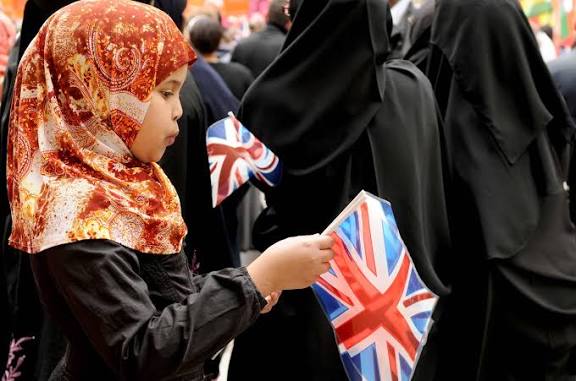

UK Draws Harder Line as Integration and Extremism Spark National Debate
A viral claim that Britain has expelled communities for refusing to submit to religious law lacks evidence, but it highlights a fierce national debate over extremism, integration, and the supremacy of British law.
A provocative claim has recently swept across social media, suggesting that Britain has decisively turned the page on extremist demands by driving out individuals who expected the country to submit to religious law.
In some online versions, the confrontation is painted almost as a historic uprising against multiculturalism.
Yet reality is more complex than the viral headlines suggest.
There is no evidence of a coordinated nationwide operation to expel Muslims or members of any other religious community simply for practising their faith.
Instead, Britain is engaged in a much deeper and increasingly urgent debate over integration, the boundaries of religious freedom, and the absolute supremacy of national law over religious doctrine.
Parliamentary Law First: The Core British Principle
At the center of the ongoing national discussion is a constitutional rule that remains non-negotiable: British law always comes first.
The United Kingdom protects religious freedom, allowing millions of Muslims, Christians, Hindus, Sikhs, and members of other faiths to worship and structure their private lives according to conscience.
However, religious traditions do not replace Acts of Parliament or the rulings of British courts.
Islamic principles may guide the personal and moral conduct of Muslim citizens—just as Christian or Jewish traditions guide believers—but no religious institution has the authority to override UK criminal law.
While online debates frequently blur voluntary religious practice with the claim that Britain is submitting to a parallel legal system, the boundary remains anchored in statute.
The Complex Reality of Sharia Councils
Much of the public anxiety surrounding this issue centers on the existence of Sharia councils in parts of the UK.
These bodies operate informally to advise Muslims on religious matters, such as Islamic marriage and divorce.
They have long generated controversy, particularly concerning whether vulnerable individuals, especially women, face social pressure to accept religious rulings.
However, these councils do not function as state courts.
They hold no power to create criminal offences, enforce physical punishments, or legally override a British judge.
Critics argue that even voluntary parallel systems require strict government oversight to protect vulnerable people.
Defenders maintain that adults should remain free to seek faith-based mediation provided participation is entirely voluntary and subordinate to national law.
Drawing the Red Line at Extremism, Not Faith
A critical distinction in the British debate is separating peaceful religious practice from ideological extremism.
Millions of British Muslims live ordinary lives, working across every sector of society, including healthcare, education, law enforcement, and the armed forces.
Attending a mosque, wearing religious attire, eating halal food, or adhering to Islamic moral teachings does not constitute extremism.
The political and legal clash begins when ideological movements seek to justify violence, systematic intimidation, hatred, or the dismantling of democratic rights.
A democratic state must confront those behaviors without treating an entire faith community as a security threat.
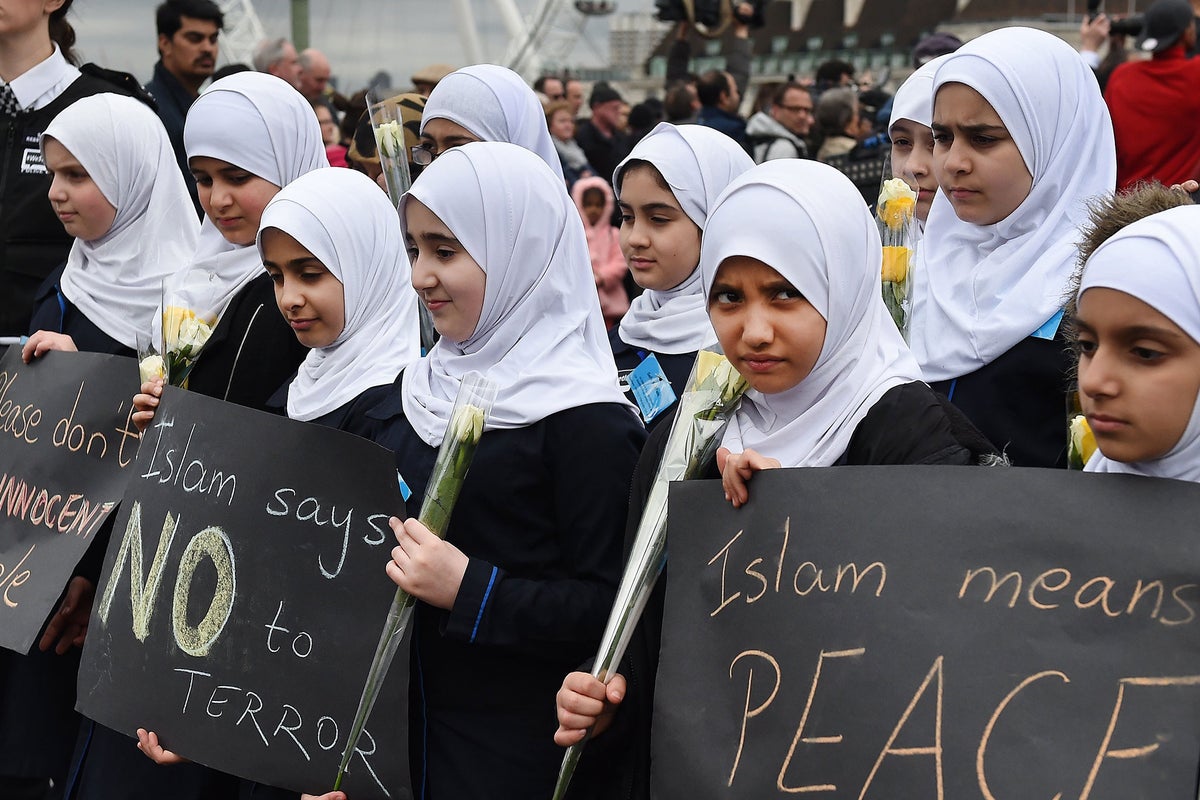
Balancing aggressive counter-extremism measures with the protection of minority rights remains one of the state’s most delicate challenges.
Why Integration Has Become a Flashpoint
Decades of immigration have transformed British society, making integration one of the most sensitive subjects in domestic politics.
Critics of previous administrations argue that policymakers focused too heavily on celebrating diversity while failing to articulate the civic obligations of citizenship.
They point to persistent language barriers, isolated communities, and social attitudes that conflict with liberal democratic norms.
The argument from mainstream figures is simple: tolerance cannot mean unlimited accommodation.
A society proud of its diversity must also possess the confidence to insist that core principles—such as gender equality, freedom of speech, and protection against violence—apply equally to everyone.
The Challenges of Deportation and Free Speech
As political rhetoric intensifies, calls to deport extremists frequently surface in public debates.
In practice, British law makes such actions far more complex.
British citizens cannot be deported simply for holding offensive or unpopular political and religious views.
While foreign nationals can face removal under specific public-good criteria—particularly in terrorism or serious criminal cases—they remain protected by domestic legal safeguards and human rights obligations.
Similarly, the UK’s commitment to free speech complicates enforcement.
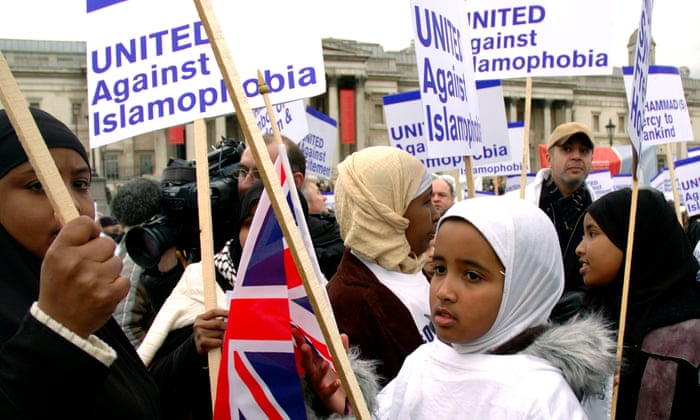
Protecting a broad spectrum of political and religious expression means tolerating unpopular opinions, provided speech does not cross into the unlawful incitement of violence or terrorist activity.
Reaffirming the Rule of Law
Ultimately, the national conversation goes beyond immigration slogans.
Britain is wrestling with how to preserve its identity as an open, multi-faith democracy while drawing an unmistakable boundary: religious freedom is fully protected, but no doctrine stands above the law of the land.
How do you think multicultural democracies can best balance the protection of religious freedom with the enforcement of universal civic laws?