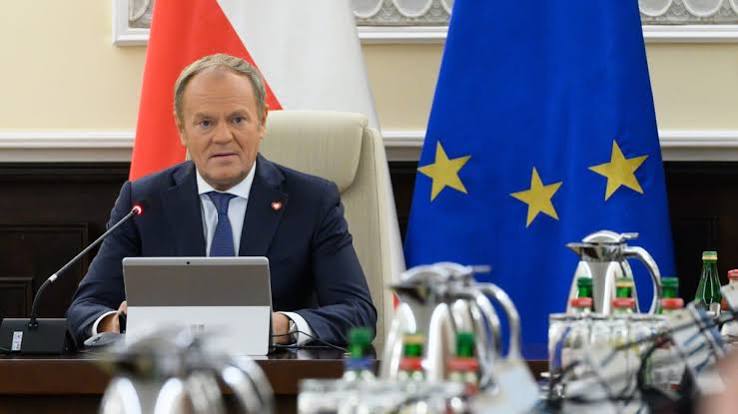
Poland and the EU Face Off Over Migration Policy Tensions between Poland and European institutions continue to grow as disagreements over migration and national authority remain unresolved. n1

The Sovereignty Siege: Inside Poland’s High-Stakes Border Showdown with Brussels
In the quiet halls of the Belweder Palace in Warsaw and the pristine corridors of the Berlaymont in Brussels, a geopolitical fault line that has slumbered for a decade has erupted into an existential confrontation.
As the European Union’s long-negotiated Pact on Migration and Asylum reached full operational status, a firm, non-negotiable message echoed from the banks of the Vistula River: Poland will not comply.
================================================================================
                    THE EU MIGRATION PACT STANDOFF (2026)
================================================================================
  METRIC / ISSUE             BRUSSELS (EU COMMISSION)     WARSAW (POLAND)
--------------------------------------------------------------------------------
  Core Mechanism             Mandatory Solidarity /       Strict Border Sovereignty
                             Relocation Quotas            & National Self-Determination
  Alternative Option         €20,000 per refused migrant  Exemption requested based on
                             or capacity building         Ukrainian refugee burden
  Primary Concern            Uniform rules & shared       State-orchestrated hybrid
                             responsibility across bloc  warfare on Belarus border
  Public Backing             EU-wide consensus push       ~75% Polish opposition to
                                                          forced migrant relocation
================================================================================
At the epicenter of this clash is a fundamental dispute over authority: Does the ultimate right to determine who crosses a nation’s borders and resides within its territory belong to elected national governments, or to supranational institutions in Brussels?
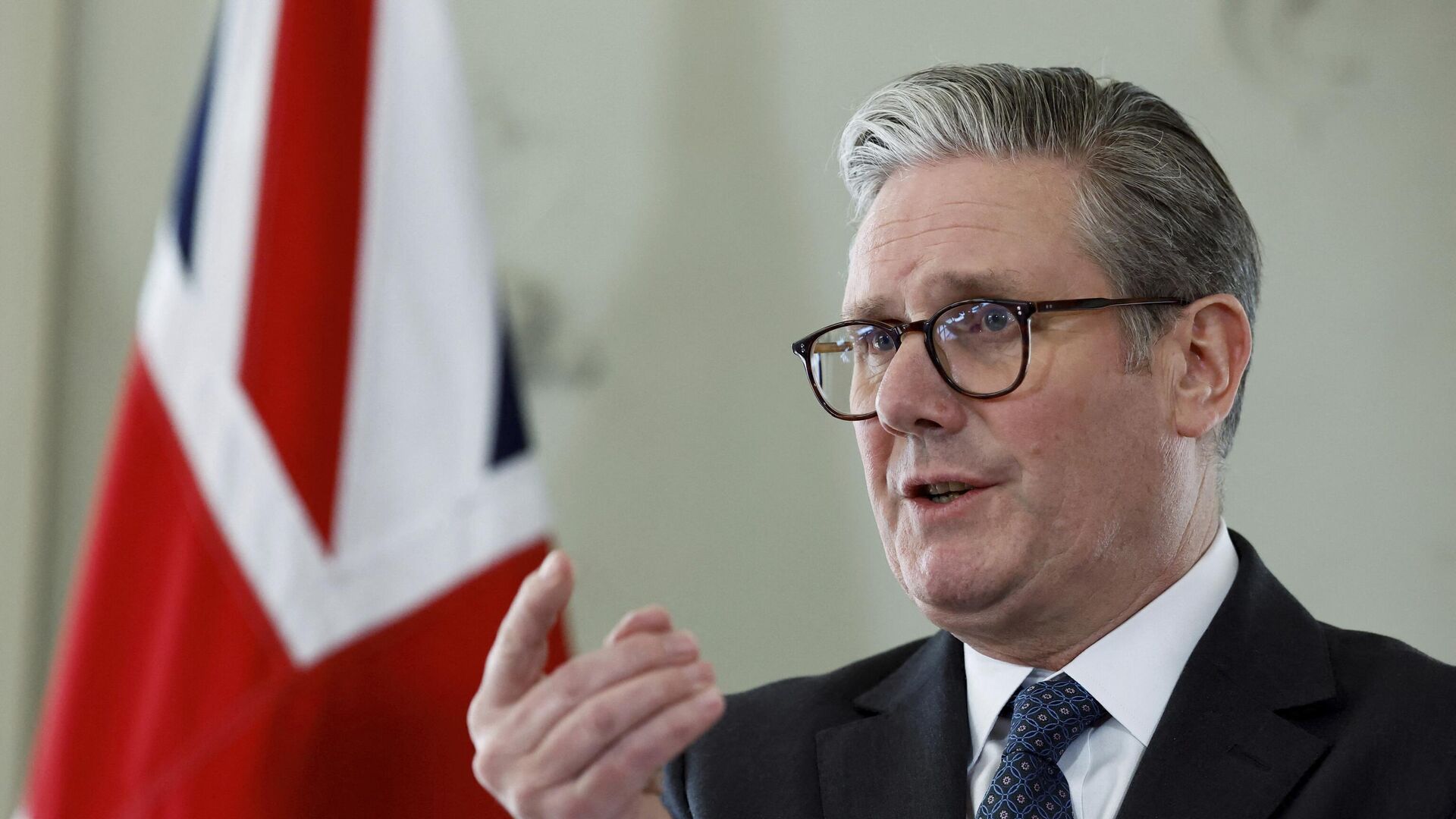
While European officials insist that irregular migration represents a collective European challenge requiring mandatory solidarity mechanisms, Polish leadership across the political spectrum has closed ranks. From the pro-European government of Prime Minister Donald Tusk to the conservative presidency of Karol Nawrocki, Warsaw has drawn an unyielding red line.
┌─────────────────────────────────────────────────────────────────────────────┐
│                       KEY PLAYERS IN THE POLISH-EU CLASH                   │
├─────────────────────────────────────────────────────────────────────────────┤
│                                                                             │
│   [DONALD TUSK]                [KAROL NAWROCKI]        [URSULA VON DER LEYEN]│
│   Prime Minister of Poland     President of Poland     EU Commission President│
│   - Former EU Council Pres.    - Conservative nationalist- Head of EU Executive│
│   - Vowed no forced migrants   - Wrote directly to EU  - Enforcing Pact rules │
│                                                                             │
└─────────────────────────────────────────────────────────────────────────────┘
The Arc of Conflict: From Law and Justice to the Tusk-Nawrocki Alignment
To understand the gravity of the current standoff, one must trace the turbulent history of Warsaw’s relations with the European Union over the past decade.
During the reign of the nationalist Law and Justice (PiS) party from 2015 to 2023, clashes between Poland and Brussels were a routine feature of European politics. Disputes raged over judicial independence, media freedom, and the primacy of EU law. When Donald Tusk—a former President of the European Council and quintessential European insider—returned to power as Prime Minister in late 2023, many in Western Europe assumed Warsaw would fall back into harmony with the EU consensus.
That assumption proved deeply flawed.
While Tusk repaired diplomatic bridges and unblocked billions in frozen EU recovery funds, the migration issue revealed an unbridgeable gulf. The entry into force of the Migration and Asylum Pact laid bare the reality that on matters of territorial integrity, national security, and demographic policy, Tusk’s government and President Karol Nawrocki—a conservative elected with PiS backing—share virtually identical non-negotiable lines.
President Nawrocki escalated the diplomatic struggle by dispatching a formal letter directly to European Commission President Ursula von der Leyen. In the letter, Nawrocki explicitly declared that Poland would not consent to any executive or administrative measures aimed at settling irregular migrants on Polish soil under EU relocation schemes. He emphasized that decisions regarding national entry and citizenship must remain the exclusive, sovereign prerogative of the nation-state.
┌─────────────────────────────────────────────────────────────────────────────┐
│                    POLAND'S DUAL FRONTLINE BURDEN (2022–2026)               │
├─────────────────────────────────────────────────────────────────────────────┤
│                                                                             │
│  1. THE HUMANITARIAN SHIELD (UKRAINE)                                       │
│     - Welcomed over 1.5 million displaced Ukrainian refugees.                │
│     - Absorbed housing, schooling, healthcare costs without EU mandates.    │
│                                                                             │
│  2. THE HYBRID WARFARE FRONTIER (BELARUS/RUSSIA)                            │
│     - State-orchestrated migration weaponized by Minsk & Moscow.            │
│     - Fortified 400km border with physical barriers & electronic sensors.   │
│     - Defense spending scaled to 4.48% of GDP (highest in NATO).             │
│                                                                             │
└─────────────────────────────────────────────────────────────────────────────┘
The Eastern Flank Argument: Weaponized Migration and Refugee Realities
Poland’s argument against the EU pact rests on two distinct, highly formidable facts:
First, Warsaw points to the vast humanitarian burden it has borne since Russia’s full-scale invasion of Ukraine in February 2022. Without waiting for European quotas, bureaucratic directives, or financial guarantees, Polish society absorbed millions of Ukrainian refugees. Nearly one million Ukrainians remain integrated into Polish towns and cities, attending Polish schools, entering the labor force, and drawing on national health services. To penalize Poland for refusing migrants from Southern Europe or Africa while it hosts Europe’s largest displaced war population, Polish leaders argue, is absurd.
Second, Poland is fighting a live, hostile hybrid war along its 400-kilometer eastern border with Belarus. Since 2021, the regime of Alexander Lukashenko in Minsk, actively backed by the Kremlin in Moscow, has systematically funneled thousands of third-country migrants from the Middle East and Africa to the Polish frontier. This is not a natural migration flow; it is a state-orchestrated operation engineered to destabilize European social cohesion and test NATO’s border security.
In response, Poland has built high-tech steel barriers, deployed military units alongside border guards, and temporarily suspended the right to claim asylum at specific border crossings—a move that drew sharp criticism from human rights organizations and European legal scholars, but received overwhelming approval from the Polish electorate.
┌─────────────────────────────────────────────────────────────────────────────┐
│                     THE EU MIGRATION PACT LEGAL MECHANISM                   │
├─────────────────────────────────────────────────────────────────────────────┤
│  MANDATORY SOLIDARITY RULE:                                                 │
│  - EU Member states must accept a minimum share of 30,000 asylum seekers    │
│    relocated annually from frontline arrival states (Italy, Greece, Spain). │
│                                                                             │
│  THE FINANCIAL PENALTY CLAUSE:                                              │
│  - Nations refusing physical relocation must pay €20,000 per rejected       │
│    applicant into a central EU fund or provide equivalent technical support.│
│                                                                             │
│  THE CONSTITUIONAL COLLISION:                                               │
│  - Warsaw refuses both physical relocations and financial penalties,        │
│    claiming border security and defense investments outweigh EU quotas.     │
└─────────────────────────────────────────────────────────────────────────────┘
Public Sentiment and the Impassable Political Wall
Inside Poland, political resistance to Brussels on this issue is backed by public sentiment. Public opinion polls consistently reveal that over 75 percent of Polish citizens—spanning the entire ideological spectrum from liberal urban voters to conservative rural communities—oppose the implementation of mandatory EU migrant redistribution schemes.

For European Commission officials, however, allowing an individual member state to selectively pick and choose which binding EU regulations to enforce risks unraveling the legal foundation of the single market and the Schengen free-travel zone. Commission spokespeople have warned that persistent non-compliance could trigger formal infringement procedures, financial sanctions, or the withholding of structural funds.
Yet, as legal reviews loom, neither side shows any willingness to yield. The stage is set for a constitutional and political confrontation that will reverberate far beyond Warsaw.
================================================================================
           MY PROFESSIONAL PERSPECTIVE: ANALYSIS OF THE WARSAW-BRUSSELS RIFT
================================================================================
  1. The Overlooked Reality   ──► 1951 Refugee Framework vs. 21st-Century Hybrid War
  2. The Deeper Meaning      ──► The Unraveling of Post-National European Hegemony
  3. Why This Story Matters  ──► The Shift of Europe's Geopolitical Gravity Eastward
  4. The Unanswered Question ──► Can Brussels Sanction NATO's Primary Eastern Shield?
  5. The Essential Insight   ──► Sovereignty is non-negotiable under existential threat
================================================================================
As an investigative journalist who has spent three decades reporting from war-torn borders, diplomatic corridors, and press rooms across Europe, I have watched the European Union attempt to navigate crisis after crisis. I covered the bitter fallout of the 2015 migration shock, the painful rupture of Brexit, and the emergency summits following Russia’s 2022 invasion of Ukraine.
When you strip away the sanitized press releases and diplomatic jargon coming out of Brussels and Warsaw, you realize that this standoff is not merely a technical disagreement over migration quotas or administrative rules. It is a structural collision between two fundamentally irreconcilable visions of what the European Union is, and who it ultimately serves.
Here is the deeper side of the story that mainstream headlines fail to grasp.
1. The Overlooked Detail: An Anachronistic Framework Collides with State-Sponsored Warfare
The most critical detail overlooked in Western reporting is that the European legal framework governing asylum—rooted in the 1951 UN Refugee Convention and expanded through successive EU directives—was designed for a world that no longer exists.
The 1951 convention was crafted in the shadow of World War II to protect individuals fleeing totalitarian persecution or war as desperate, spontaneous refugees. It assumed that migrants were civilians seeking safety from a hostile state.
What is happening along the dense, freezing pine forests of the Polish-Belarusian border in Podlasie bears zero resemblance to that post-war humanitarian model.
┌─────────────────────────────────────────────────────────────────────────────┐
│              ANATOMY OF WEAPONIZED MIGRATION (THE BELARUS MODEL)            │
├─────────────────────────────────────────────────────────────────────────────┤
│  STEP 1: STATE CONSCRIPTION                                                 │
│  Lukashenko's regime issues travel visas to third-country nationals in      │
│  the Middle East and Africa via state-owned travel agencies.                │
│                                                                             │
│  STEP 2: DIRECT TRANSPORTATION                                              │
│  Commercial flights land in Minsk; migrants are transported directly to the │
│  Polish border in state-managed buses and tactical vehicles.                │
│                                                                             │
│  STEP 3: TACTICAL ESCALATION                                                │
│  Belarusian border guards equip migrant groups with wire-cutters, ladders,  │
│  and tear gas, forcing them toward Polish border fences under armed escort.  │
└─────────────────────────────────────────────────────────────────────────────┘
The migration flows managed by Minsk and Moscow are not spontaneous human movements; they are military-grade demographic weaponry.
When Russian and Belarusian intelligence services facilitate travel visas, charter flights, and armed escorts to push thousands of young men toward Polish razor-wire fences, they are engaging in asymmetric warfare designed to strain Polish public services, ignite domestic political conflict, and force the EU into paralysis.
When Brussels bureaucrats demand that Warsaw adhere strictly to standard international asylum processing for individuals used as tactical pawns by hostile foreign intelligence services, they are asking Poland to disarm itself in the middle of a hybrid war. Polish leaders understand what many in Western Europe refuse to admit: you cannot apply 20th-century peacetime legal codes to 21st-century state-sponsored aggression.
2. The Deeper Meaning: The Failure of Post-National Illusion and the Return of Realism
Behind this conflict lies a profound philosophical divide between Western and Central Europe.
For decades, the dominant political ideology in Western European capitals—particularly in Berlin, Paris, and Brussels—was built on a post-national vision. The European project was viewed as a gradual process of erasing borders, diluting national sovereignty, and handing key state functions over to legal frameworks and supranational courts.
For Poland, a nation that was erased from the map of Europe for 123 years, occupied by Nazi Germany, and subjected to four decades of Soviet domination, sovereignty is not an abstract political concept—it is a matter of national survival.
┌─────────────────────────────────────────────────────────────────────────────┐
│                   THE PHILOSOPHICAL DIVIDE: BRUSSELS VS. WARSAW             │
├─────────────────────────────────────────────────────────────────────────────┤
│                                                                             │
│   BRUSSELS (SUPRANATIONALISM)              WARSAW (WESTPHALIAN REALISM)     │
│   - Sovereignty is shared & pooled.        - Sovereignty is non-negotiable. │
│   - Border management is bureaucratic.    - Border security is national     │
│   - Legal uniformity overrides local         survival.                      │
│     democratic sentiment.                  - Democratic consensus within    │
│                                              the nation-state is supreme.   │
│                                                                             │
└─────────────────────────────────────────────────────────────────────────────┘
When Donald Tusk—a politician who made his career as a pro-EU centrist—aligns with conservative President Karol Nawrocki to defy Brussels, it sends a clear signal: The post-national illusion in Central Europe is dead.
Polish political leaders, regardless of party affiliation, recognize that if a state loses the ability to determine who enters its territory, it ceases to function as a sovereign nation. The unanimity between Tusk and Nawrocki proves that when national security is at risk, domestic political rivalry stops at the border.
3. Why This Story Matters: The Eastward Tilt of European Geopolitical Gravity
This standoff matters because it marks a historic transition in where political power resides inside the European Union.
Historically, the Franco-German axis dictated European policy, setting the agenda on finance, integration, and security. However, the war in Ukraine and the resurgence of Russian imperialism have exposed the profound strategic errors made by Paris and Berlin over the past two decades—from energy dependence on Moscow to the systematic underfunding of national armed forces.
Today, Poland spends 4.48% of its GDP on defense—the highest proportion of any NATO member state, including the United States. It possesses one of the largest land armies in Europe, guards the NATO military gateway to the Baltic states, and hosts the essential logistics hubs supplying the Ukrainian military.
┌─────────────────────────────────────────────────────────────────────────────┐
│                  DEFENSE SPENDING AS A PERCENTAGE OF GDP (2025–2026)        │
├─────────────────────────────────────────────────────────────────────────────┤
│  POLAND       ██████████████████████████████████████████████ 4.48%          │
│  UNITED STATES████████████████████████████████ 3.38%                        │
│  GERMANY      ████████████████████ 2.12%                                    │
│  FRANCE       ██████████████████ 2.06%                                      │
│  EU AVERAGE   █████████████████ 1.90%                                       │
└─────────────────────────────────────────────────────────────────────────────┘
Poland is no longer a junior partner or a post-communist supplicant waiting for directives from Western capitals. It is the military centerpiece of European security.
When a nation that forms the frontline military shield of Europe says “No” to Brussels, the European Commission lacks the geopolitical leverage it once possessed. Threatening Poland with financial penalties or legal action over migration while simultaneously relying on Polish soil to secure the continent against Russian aggression is a contradiction that Brussels cannot sustain.
4. What Questions Remain Unanswered?
As this confrontation unfolds through 2026, several critical, dangerous questions remain unanswered:
-
Can Brussels actually enforce financial sanctions on a frontline state during wartime? If the European Commission attempts to deduct fine penalties (€20,000 per refused migrant) from Poland’s EU regional development funds, how will Warsaw retaliate? Will Poland withhold its own contributions to the EU budget, creating a constitutional deadlock?
-
What happens when national constitutional courts clash with the European Court of Justice? If the ECJ rules that Poland’s temporary suspension of asylum rights along the Belarusian border violates EU law, will Polish courts reject the ECJ’s authority on security matters, triggering a systemic legal crisis across the Schengen area?
-
Will Central and Eastern Europe form a permanent rejection bloc? With Hungary, Slovakia, and now Poland actively challenging core provisions of the Migration Pact, are we witnessing the emergence of an impenetrable eastern regional bloc that will permanently block supranational integration?
5. What Audiences Must Understand Beyond the Headline
Beyond the immediate political rhetoric, the international public must understand one fundamental truth: Poland’s stance is not born of a rejection of European solidarity, but of a different definition of what solidarity means.
From Warsaw’s perspective, true European solidarity was demonstrated when ordinary Polish citizens opened their spare bedrooms, schools, and hospitals to millions of Ukrainian women and children fleeing Russian artillery.
┌─────────────────────────────────────────────────────────────────────────────┐
│                 THE DUAL DEFINITION OF "SOLIDARITY" IN EUROPE               │
├─────────────────────────────────────────────────────────────────────────────┤
│                                                                             │
│   THE BRUSSELS DEFINITION                  THE WARSAW DEFINITION            │
│   - Bureaucratic distribution of risk.     - Direct, organic response to   │
│   - Enforced quotas and monetary payments.   existential threats.           │
│   - Equal management of irregular flows    - Sacrifices made to host 1.5M+  │
│     across all state borders.                Ukrainian war refugees.        │
│                                            - Absorbing heavy defense costs  │
│                                              to secure the EU border.       │
│                                                                             │
└─────────────────────────────────────────────────────────────────────────────┘
To Polish citizens, an EU rule that ignores these massive sacrifices while demanding that Poland build detention centers or pay fines for migrants processed in Western Europe does not represent solidarity—it represents bureaucratic overreach that penalizes those on the front line.
Summary: The Immovable Object Meets the Unstoppable Force
The standoff between Poland and the European Union over the Migration and Asylum Pact is the ultimate test of the European project.
On one side stands the European Commission, armed with legal texts, binding directives, and a commitment to supranational governance. On the other stands a united Polish nation, backed by an overwhelming democratic consensus, fortified border infrastructure, and the moral weight of a country defending NATO’s eastern frontier.
================================================================================
                    THE STAKEHOLDERS & THE REALITIES
================================================================================
  FOR BRUSSELS:     Enforcing uniform policy is essential to preserve the legal
                    integrity of the EU Single Market and Schengen zone.
  FOR WARSAW:      Retaining control over national borders and defense is an
                    existential requirement that overrides bureaucratic rules.
  THE RESULT:       An intractable political stalemate that will define the
                    future trajectory of European integration.
================================================================================
Emotional Reflection
If you stand at the border outpost near Terespol or Kuźnica as night falls, the cold wind blowing across the Belarusian plains carries a quiet, harrowing weight.
On one side of the razor wire are desperate human beings, manipulated by cynical dictators into believing that a border fence is merely an obstacle on a ticket to Western Europe. On the other side stand young Polish soldiers and border guards, dressed in military fatigue jackets, watching the dark tree line through thermal night-vision optics. They know that behind them lies not just Warsaw, but the security of an entire continent.
The tragic reality of modern European politics is that the noble ideals of universal human rights and open borders—crafted in the peaceful optimism of the late 20th century—are fracturing against the hard realities of 21st-century geopolitical conflict. Poland is not turning its back on Europe; it is standing on Europe’s wall, bearing the heavy cost of a world where security must be fought for every single day.
A Thought-Provoking Question for Discussion
As modern democracies confront an era defined by state-sponsored hybrid warfare, economic volatility, and mass displacement, we are forced to confront a question that goes to the heart of free societies:
Can a supranational union survive if it forces democratic nation-states to choose between obeying centralized laws or defending their own territorial sovereignty?