
Beyond the Screen: The Polarization of Public Figures and the Battle for Britain’s Political Discourse
Carol Vorderman, widely recognized for her long-standing television career, has undergone a notable public transformation over recent years. Transforming her widespread public familiarity into a prominent political megaphone, Vorderman has used platforms like X (formerly Twitter), podcasting, and media appearances to launch detailed critiques of government transparency, public service funding, economic inequality, and right-wing political movements.
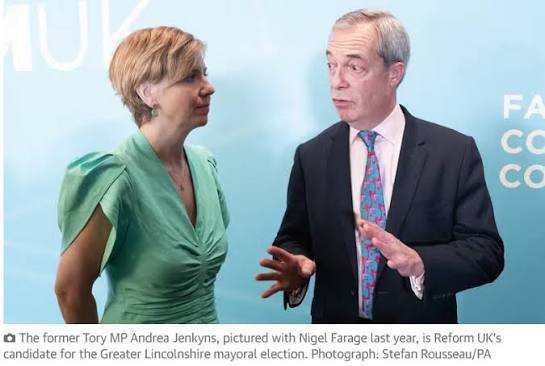
Nigel Farage, Member of Parliament for Clacton and leader of Reform UK, has spent nearly thirty years operating at the center of British political disruption. As the primary political force behind the UK’s exit from the European Union and the leader of an insurgent right-wing movement, Farage has built a dedicated grassroots base while simultaneously drawing sharp condemnation from political opponents.
                 ┌───────────────────────────────────────────────┐
                 │       THE MODERN CULTURAL & POLITICAL CLASH    │
                 └───────────────────────┬───────────────────────┘
                                         │
                  ┌──────────────────────┴──────────────────────┐
                  ▼                                             ▼
    ┌───────────────────────────┐                 ┌───────────────────────────┐
    │      CAROL VORDERMAN      │                 │       NIGEL FARAGE        │
    ├───────────────────────────┤                 ├───────────────────────────┤
    │ • Media Personality       │                 │ • Party Leader & MP       │
    │ • Anti-Populist Campaigner│                 │ • Insurgent Populist      │
    │ • Focus: Accountability,  │                 │ • Focus: Sovereignty,     │
    │   Public Services, Ethics │                 │   Immigration, Reform     │
    └───────────────────────────┘                 └───────────────────────────┘
The Friction: Online Warfare and Political Fallout
Exchanges involving Vorderman, Farage, and their respective supporters frequently escalate due to the high visibility of both individuals. Recent controversies—such as Vorderman calling out offensive online conduct and misogynistic commentary from political candidates associated with Reform UK—have reignited broader debates about online standards, political discourse, and how public figures interact.
The dynamic follows a consistent pattern:
-
The Catalyst: A public critique, social media post, or media interview challenging specific political platforms, personal conduct, or campaign statements.
-
The Digital Reaction: Thousands of social media users mobilize. Supporters of Vorderman praise her willingness to challenge powerful political actors, while defenders of Farage accuse commentators of elite bias, personal hostility, and snobbery toward right-leaning voters.
-
The Wider Media Echo: Talk radio, opinion columns, and television panels pick up the exchange, framing it as a micro-manifestation of Britain’s broader “culture war”.
┌────────────────────────────────────────────────────────────────────────┐
│                   THE VIRAL CONFLICT FEEDBACK LOOP                     │
├────────────────────────────────────────────────────────────────────────┤
│ 1. COMMENTARY: High-profile media critique or political intervention.   │
│ 2. AMPLIFICATION: Algorithmic engagement via viral social posts.       │
│ 3. POLARIZATION: Audience splits into opposing ideological camps.       │
│ 4. INSTITUTIONAL ECHO: Debate shifts to news panels and editorials.    │
└────────────────────────────────────────────────────────────────────────┘
To evaluate clashes between media personalities and political leaders like an experienced investigative analyst, one must look past the immediate outrage and examine the structural shifts taking place within democratic communication.
The ongoing debate over Carol Vorderman’s political commentary and her frequent friction with Nigel Farage’s political movement is not merely a transient feud between television and parliamentary personalities. It represents a fundamental shift in how political battles are fought, judged, and consumed in modern Britain.
Here is the deeper analysis of the structural forces driving this phenomenon.
┌────────────────────────────────────────────────────────────────────────┐
│                      THE EVOLVING PUBLIC SQUARE                        │
├────────────────────────┬───────────────────────┬───────────────────────┤
│   TRADITIONAL MEDIA    │   DISRUPTIVE POPULISM │   DIRECT COMMENTARY   │
├────────────────────────┼───────────────────────┼───────────────────────┤
│ Formal interviews,     │ Direct appeal to      │ High-profile figures  │
│ impartial broadcasting │ voters, anti-         │ bypassing traditional │
│ codes, parliamentary   │ establishment rhetoric│ broadcast neutrality  │
│ reporting              │                       │ via social platforms  │
└────────────────────────┴───────────────────────┴───────────────────────┘
The Death of the Neutral Observer
For decades, British broadcast culture operated under strict expectations of political neutrality. On-air personalities were expected to maintain a carefully guarded distance from partisan disputes.
That model has largely fractured. The rise of social media platforms has allowed broadcasters, entertainers, and public figures to build direct, unmediated relationships with millions of followers. When figures like Carol Vorderman decide to speak openly on political matters, they strip away the traditional barrier separating cultural entertainment from political activism.
To her supporters, this represents a healthy democratization of commentary—using a pre-existing public platform to demand accountability from politicians. To her critics, it represents an improper utilization of cultural fame to influence political debates without facing the democratic accountability of running for public office.
The Populist Paradox: Defying Outrage to Build Capital
For Nigel Farage and the broader Reform UK movement, high-profile attacks from media personalities often serve a strategic purpose, regardless of the criticism’s validity.
Populist political movements thrive on an “Us versus the Establishment” narrative. When prominent media figures, journalists, or celebrities sharply attack Farage, his campaign apparatus frequently uses that criticism to validate its core messaging: that the cultural elite is attempting to silence the voices of ordinary voters.
       ┌─────────────────────────────────────────────────────────┐
       │             THE POPULIST NARRATIVE DYNAMIC              │
       └────────────────────────────┬────────────────────────────┘
                                    │
                        ┌───────────┴───────────┐
                        ▼                       ▼
            ┌───────────────────────┐ ┌───────────────────┐
            │ HIGH-PROFILE CRITIQUE │ │ POPULIST RE-FRAME │
            ├───────────────────────┤ ├───────────────────┤
            │ Celebrity or media    │ │ Framed as "Elite  │
            │ personality attacks   │ │ hostility" toward │
            │ political platform    │ │ working-class     │
            │                       │ │ supporters        │
            └───────────┬───────────┘ └─────────┬─────────┘
                                                │
                                                ▼
                                    ┌───────────────────┐
                                    │ BASE MOBILIZATION │
                                    ├───────────────────┤
                                    │ Grassroots base   │
                                    │ rallies behind    │
                                    │ party leadership  │
                                    └───────────────────┘
This creates a self-reinforcing cycle. The more fiercely critics denounce Farage, the more his core supporters view him as a necessary fighter against a hostile cultural establishment. Conversely, the more aggressively Farage’s supporters respond online, the more convinced his critics become that his movement poses a fundamental threat to political norms.
The Algorithmic Incentive: Why Outrage Wins
The architecture of modern digital communication rewards conflict over nuance.
Digital platforms are optimized to maximize user engagement, and engagement is overwhelmingly driven by high-viscosity emotional triggers: anger, indignation, and tribal defensiveness. A nuanced policy breakdown rarely trends on X or TikTok. A sharp, emotionally charged exchange between two recognizable personalities generates millions of impressions, thousands of retweets, and continuous media coverage.
Consequently, high-profile figures on both sides of the political spectrum are incentivized to adopt increasingly sharp, uncompromising language. The medium itself transforms serious national policy discussions regarding economic management, public services, and border control into a continuous series of performance beats designed to energize specific online audiences.
┌────────────────────────────────────────────────────────────────────────┐
│                        THE TRIPLE TRILEMMA                             │
├────────────────────────┬───────────────────────┬───────────────────────┤
│   EXPRESSION FREEDOM   │  CIVIC DECORUM & TONE │ DIGITAL ALGORITHMS    │
├────────────────────────┼───────────────────────┼───────────────────────┤
│ Public figures' right  │ Preserving reasoned,  │ Platforms engineered  │
│ to voice political     │ respectful public     │ to maximize friction  │
│ opinions openly        │ discourse             │ and emotional outrage │
└────────────────────────┴───────────────────────┴───────────────────────┘
The ongoing public friction involving Carol Vorderman and Nigel Farage is far more than a passing celebrity feud or a transient social media spectacle. It is a visible reflection of a profound transformation taking place across modern democracies.
As traditional political institutions lose their monopoly over public messaging, cultural platforms and political activism have permanently merged. Public figures are no longer confined to their original professional lanes, and political leaders no longer rely solely on traditional news outlets to reach the electorate.
Whether citizens view these exchanges as vital civic engagement or damaging political spectacle depends largely on their own political perspectives. But one truth remains unavoidable: in an era where digital platforms reward outrage and penalize moderation, the battle for Britain’s political future will continue to be fought out loud, in public, and without apology.
A Thought for Discussion:
When cultural fame and political activism permanently merge on digital platforms, does it enrich democratic debate by encouraging open participation—or does it reduce complex national challenges into a continuous cycle of viral outrage?