
The Digital Disconnect: Albanese’s Social Media Firestorm and the Boiling Point of Australian Migration Politics
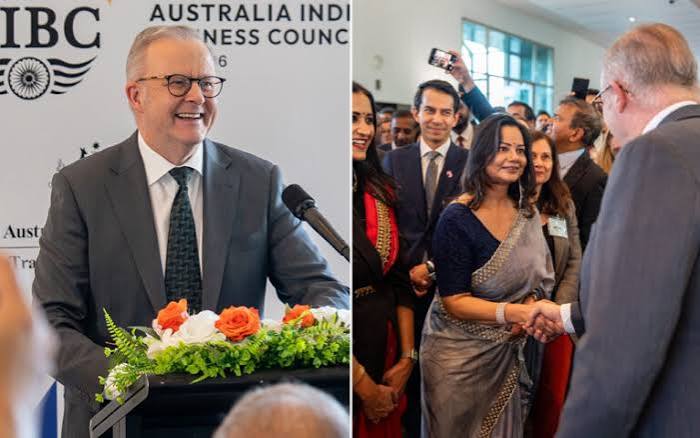
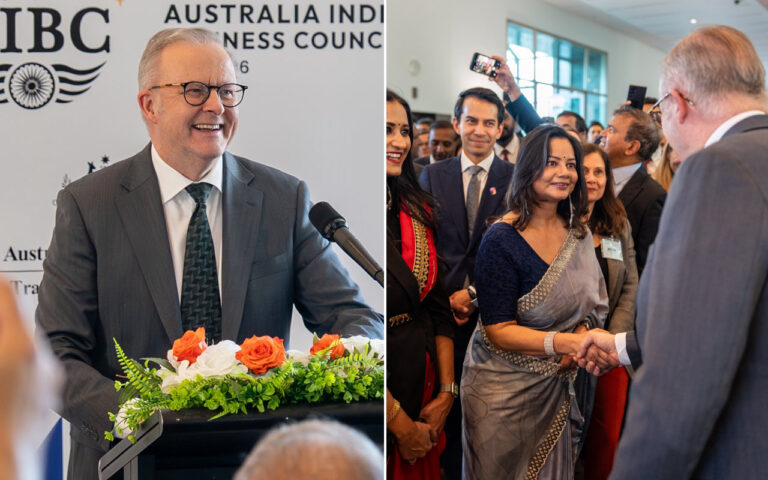
In political communications, platform selection is rarely an accident. It is an intentional, strategic decision designed to curate public perception and control the narrative. On a Monday in Canberra, Prime Minister Anthony Albanese attended a high-profile anniversary event celebrating 40 years of the Australia India Business Council (AIBC). The bilateral council—originally envisioned in 1986 under Prime Minister Bob Hawke and Indian Prime Minister Rajiv Gandhi—marks four decades of expanding commercial, trade, and diplomatic cooperation between the two Indo-Pacific nations.
┌────────────────────────────────────────────────────────────────────────────────────────┐
│                        CHRONOLOGY OF A SOCIAL MEDIA CRISIS                             │
├────────────────────────────────────────────────────────────────────────────────────────┤
│ • 1986:       AIBC established under Hawke and Gandhi to foster bilateral ties.       │
│ • May 2022:   Anthony Albanese elected Prime Minister; post-COVID migration surge.     │
│ • June 2025:  Indian-born residents reach 971,020, becoming largest foreign-born group. │
│ • Mid 2026:   Albanese addresses AIBC 40th anniversary in Canberra.                    │
│ • Post-Event: Albanese posts photos to Facebook and Instagram, deliberately omitting X.│
│ • Immediate:  Facebook post generates thousands of negative comments; backlash erupts. │
└────────────────────────────────────────────────────────────────────────────────────────┘
Following the event, the Prime Minister’s media team uploaded a polished photo gallery to Facebook and Instagram featuring Albanese delivering a speech and shaking hands with business leaders and diaspora representatives.
Accompanying the images was a direct caption praising the community:
“It’s hard to imagine modern Australia without the contributions of our Indian community. Creating jobs. Building businesses. Making our nation stronger and more vibrant. Today we celebrated 40 years of the Australia India Business Council as we build stronger trade ties between our nations.”
Crucially, the post was noticeably omitted from the Prime Minister’s official account on X (formerly Twitter)—a platform where his posts regarding multiculturalism and immigration policy had repeatedly been met with overwhelming public criticism and intense user backlash.
The Main Event: The Comment Section Backlash
Instead of projecting an image of economic confidence and diplomatic harmony, the Prime Minister’s Facebook page became an immediate digital battleground. Within hours, thousands of comments flooded the post, the overwhelming majority of which expressed frustration, sarcasm, and anger over the timing and tone of the statement.
The top-rated comment, accumulating thousands of likes, struck directly at the perceived disconnect between the Prime Minister and the domestic electorate:
“Albo with his people again. Never seen with a Aussie crowd.”
Other top-voted comments echoed similar sentiments of cynicism regarding electoral politics and economic reality:
-
On political motives: “Counting the votes with every handshake.”
-
On national identity: “I find it really easy actually, I’m pretty sure this is Australia, not India.”
-
On economic skepticism: “What jobs do they create that weren’t already here? Just curious?”
-
On cultural tropes: “We’ve got the butter chicken recipe now, we don’t need them any more.”
                     ┌─────────────────────────────────────────┐
                     │     THE FB COMMENT BACKLASH MATRIX      │
                     └────────────────────┬────────────────────┘
                                          │
                                          ▼
                   ELECTORAL CYNICISM: "Counting votes with every
                   handshake" / "Albo with his people again."
                                          │
                                          ▼
                   TIMING CRITICISM (FROM DIASPORA): "Sir... read the room.
                   Half the country is swinging to Liberal/One Nation."
                                          │
                                          ▼
                   ECONOMIC SKEPTICISM: "What jobs do they create
                   that weren't already here?"
Significantly, the backlash was not confined to traditional anti-immigration voices. Members of the Indian diaspora themselves stepped forward to criticize the Prime Minister’s political handling and lack of situational awareness amidst a national housing and inflation crisis.
One prominent comment from a user of Indian heritage highlighted the political miscalculation:
“As someone of Indian heritage myself, even I had to laugh at the timing of this post. When half the country is swinging toward Liberal and One Nation over immigration concerns, Anthony Albanese is on FB posting ‘look how much stronger immigration makes Australia’. Sir… read the room.”
The Context: Demographic Tipping Points and Polling Pressures
The online uproar did not occur in a vacuum. It erupted at a moment of intense national anxiety over net overseas migration, housing affordability, rental shortages, and public infrastructure strain.
Official data from the Australian Bureau of Statistics (ABS) reveals a historic demographic shift. For the first time since record-keeping began in 1901, Indian-born residents have overtaken those born in England to become Australia’s largest overseas-born population group.
┌────────────────────────────────────────────────────────────────────────────────────────┐
│                        AUSTRALIA'S INDIAN DEMOGRAPHIC EVOLUTION                        │
├────────────────────────────────────────────────────────────────────────────────────────┤
│ YEAR      │ INDIAN-BORN POPULATION   │ KEY DEMOGRAPHIC MILESTONE                       │
│ 2000      │ 97,085                   │ Small minority diaspora group.                  │
│ 2015      │ 449,020                  │ Steady growth in skilled migration & students.  │
│ June 2025 │ 971,020                  │ Overtakes England as largest migrant cohort.   │
│ 2026 Est. │ 1,285,938 (Total)        │ Includes 200,971 Aus-born & 113,947 third-born.│
└────────────────────────────────────────────────────────────────────────────────────────┘
Since the Albanese Labor government assumed office in May 2022, more than 2.5 million arrivals have entered the country, delivering a net overseas migration total of approximately 1.5 million people over a four-year window.
As of June 30, 2025, the Indian-born population reached 971,020, marking an increase of 522,000 people since 2015 and a dramatic rise from the 97,085 recorded in 2000. Supplementary demographic estimates for 2024 indicate an additional 200,971 Australian-born individuals of Indian ancestry, alongside 113,947 residents born in third countries who share Indian heritage.
This unprecedented influx coincided directly with soaring inflation, mortgage rate increases, and historically low rental vacancy rates across suburban capitals. Consequently, political polling across major capital cities reflected a sharp rise in support for Pauline Hanson’s One Nation and Peter Dutton’s Liberal-National Coalition, with One Nation either pulling ahead of or sitting within striking distance of Labor in several key regional and outer-suburban electorates.
┌────────────────────────────────────────────────────────────────────────────────────────┐
│                          KEY DEMOGRAPHIC & POLITICAL DATA                              │
├────────────────────────────────────────────────────────────────────────────────────────┤
│ • Net Overseas Migration (Post-May 2022): ~1.5 million people.                         │
│ • Total Arrivals (Post-May 2022):         > 2.5 million people.                         │
│ • Indian-Born Population (2025 ABS):      971,020 (surpassing England's 970,950). │
│ • 10-Year Growth (Indian-Born):          +522,000 residents since 2015.           │
│ • Political Impact:                      One Nation polling near record highs.         │
└────────────────────────────────────────────────────────────────────────────────────────┘
My Professional Perspective
Having spent thirty years covering election campaigns, cabinet room deliberations, and social shifts across Australia, the UK, and North America, I have learned that digital backlash rarely occurs over a single photo or post. What transpired on Prime Minister Anthony Albanese’s social media channels was not a random internet storm; it was the visible eruption of a deep, structural disconnect between government messaging and the economic realities of everyday citizens.
1. Platform Arbitrage: The Calculated Strategy Behind “Platform Curating”
To understand why this incident resonated so deeply, one must look closely at how modern political communications teams operate behind the scenes.
The decision to publish the Australia India Business Council photos on Facebook and Instagram while deliberately bypassing X (formerly Twitter) represents a tactical maneuver known as platform arbitrage.
┌────────────────────────────────────────────────────────────────────────────────────────┐
│                        THE PLATFORM ARBITRAGE STRATEGY                                 │
├────────────────────────────────────────────────────────────────────────────────────────┤
│ FACEBOOK & INSTAGRAM                           X (FORMERLY TWITTER)                    │
│ • Curation Focus: Older voters, family photos. • Curation Focus: Real-time debate.     │
│ • Algorithm: Favors positive engagement loops. • Algorithm: Amplifies controversy.     │
│ • Goal: Project warm, multicultural imagery.  │ • Risk: High vulnerability to backlash. │
└────────────────────────────────────────────────────────────────────────────────────────┘
For years, party strategists viewed Facebook as a safe space for lifestyle political content—a platform where local community handshakes, ribbon-cuttings, and celebratory messages could build positive brand equity without facing intense political pushback. X, by contrast, had become an unmanaged arena where political opponents, independent journalists, and voters challenge government statements in real time.
However, the strategy failed for a simple reason: the economic pressures on the Australian public have become too severe to be contained by algorithmic filters. When housing affordability and living costs reach a critical point, the frustration that previously stayed confined to political forums spills over into mainstream social platforms. The flood of negative comments on Facebook demonstrated that the line between “curated lifestyle posts” and “public policy debate” has completely dissolved.
2. The Demographic Tipping Point and Electoral Mathematics
Beyond the social media commentary lies a major demographic transformation that is reshaping Australian political geography.
For over a century, British migration formed the primary bedrock of Australia’s overseas-born population. The crossing of the threshold in mid-2025—where Indian-born residents (971,020) surpassed English-born residents (970,950)—represents a significant shift in the nation’s cultural and economic landscape.
┌────────────────────────────────────────────────────────────────────────────────────────┐
│                       THE ELECTORAL COMPRESSION PARADOX                                │
├────────────────────────────────────────────────────────────────────────────────────────┤
│ OUTER-SUBURBAN WORKING CLASS                   DIASPORA COMMUNITY GROWTH               │
│ • Facing high interest rates & rental costs.  • High rate of professional integration. │
│ • Receptive to One Nation / Coalition lines.   • Concentrated in key suburban seats.   │
│ • Demands immediate migration caps.            • Expects supportive government tone.   │
└────────────────────────────────────────────────────────────────────────────────────────┘
This demographic shift creates a difficult strategic challenge for the Labor government:
-
The Suburban Diaspora Vote: In critical suburban marginal seats across Western Sydney (e.g., Parramatta, Greenway, McMahon) and Melbourne’s outer north and west (e.g., Calwell, Gorton, Hawke), the Indian-Australian community represents a well-organized, economically active voter base. Celebrating bilateral ties and recognizing business achievements is crucial for retaining these electorates.
-
The Working-Class Backlash: Simultaneously, working-class voters in outer-suburban corridors are facing high mortgage interest rates, rising grocery bills, and intense competition for rental properties. When these voters see post-event photos celebrating high migration numbers without clear explanations of how housing supply will catch up, it fuels political frustration.
The Prime Minister’s post inadvertently brought these two competing political realities into direct conflict.
3. The “Read the Room” Reality: When the Diaspora Rejects the Framing
Perhaps the most significant aspect of this news story is that some of the sharpest critiques came from members of the Indian-Australian community itself.
When an Australian of Indian heritage publicly comments “Sir… read the room,” it highlights a flaw in modern political messaging: the assumption that migrant communities view migration policy solely through an ethnic or cultural lens.
┌────────────────────────────────────────────────────────────────────────────────────────┐
│                   THE MISCONCEPTION OF MIGRANT COMMUNITY VOTING                        │
├────────────────────────────────────────────────────────────────────────────────────────┤
│ ASSUMED POLITICAL MODEL                        REAL-WORLD ECONOMIC REALITY             │
│ • Migrants favor high migration numbers.       • Established migrants face the same    │
│ • Support is tied to identity politics.        │   housing & interest rate pressures.  │
│ • Community acts as a unified voting block.    • Demand infrastructure keep pace.      │
└────────────────────────────────────────────────────────────────────────────────────────┘
Established migrants—many of whom spent years navigating formal visa queues, paying taxes, buying homes, and enrolling children in local schools—are just as affected by overburdened public hospitals, traffic congestion, and soaring house prices as native-born citizens. By assuming that multicultural photo opportunities would win uncritical support from diaspora communities, political strategists underestimated how deeply the cost-of-living crisis affects every Australian resident regardless of background.
4. Critical Unanswered Investigative Questions
As this political incident illustrates broader policy challenges, several crucial questions remain unanswered by the government and economic planners:
┌────────────────────────────────────────────────────────────────────────────────────────┐
│                       CRITICAL UNANSWERED INVESTIGATIVE QUESTIONS                      │
├────────────────────────────────────────────────────────────────────────────────────────┤
│ 1. INFRASTRUCTURE & HOUSING SYNCHRONIZATION                                            │
│    How does the government plan to reconcile a net migration inflow of 1.5M people      │
│    with national housing construction targets that continue to fall short?             │
│                                                                                        │
│ 2. REVISED MULTICULTURAL COMMUNICATIONS PROTOCOLS                                      │
│    Will Labor's media team alter its social media approach to address economic         │
│    concerns directly rather than relying on promotional photo galleries?               │
│                                                                                        │
│ 3. THE ONE NATION PREFERENCE FLOWS                                                     │
│    How significantly will the rise in One Nation primary support impact preference     │
│    distributions in outer-suburban marginal electorates at the next federal election? │
│                                                                                        │
│ 4. DIPLOMATIC & TRADE ENGAGEMENT BALANCING                                            │
│    How will Australia maintain its strategic trade goals under the AIBC framework      │
│    while responding to domestic demands for lower overall migration targets?           │
└────────────────────────────────────────────────────────────────────────────────────────┘
Conclusion
The controversy surrounding Anthony Albanese’s social media post highlights the complexities of modern political communication. What was intended as a routine post celebrating trade ties and community contributions quickly became a flashpoint for broader voter frustration over housing, living costs, and migration settings.
For the Labor administration, the lesson is clear: in an era of economic pressure, polished public relations cannot mask underlying policy challenges. Celebrating demographic and economic partnerships remains an important part of international diplomacy, but doing so without acknowledging domestic pressures risks deepening public cynicism.
As Australia approaches its next political crossroad, leaders across all parties face a clear challenge. They must demonstrate that they can manage complex trade partnerships and diverse communities while delivering on the basic economic needs—housing, stability, and affordability—that every Australian expects.
A Question for Reflection
How can a government balance international trade commitments and multicultural engagement with the practical economic pressures facing domestic housing and infrastructure?