
Klockner fordert Gesetzesänderung nach dem Wahlerfolg der AfD
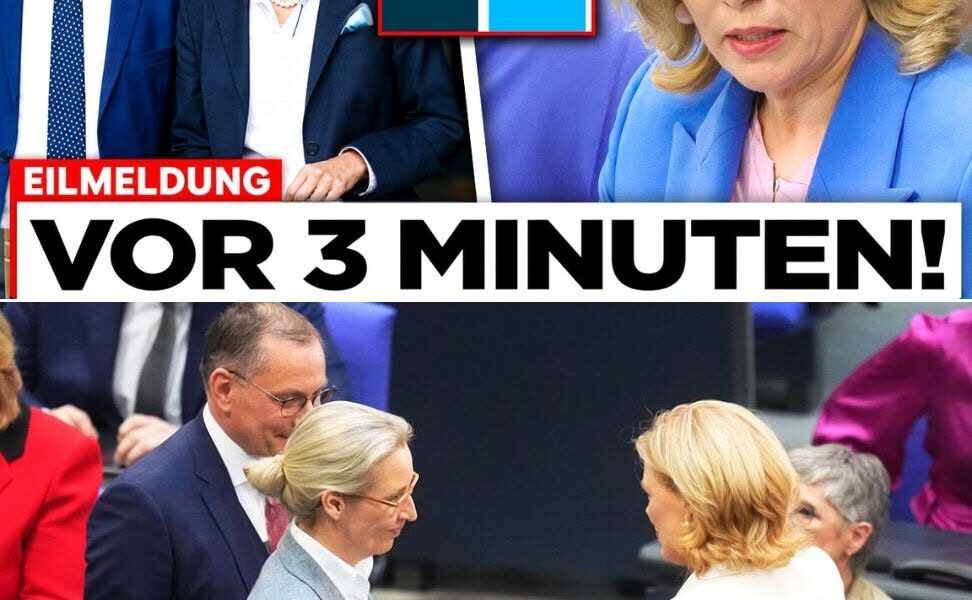
Die CDU fordert eine erneute Änderung des Wahlrechts, das erst 2023 und 2024 von der Ampelregierung reformiert wurde. Hintergrund ist der anhaltende Aufstieg der AfD, die bei der Bundestagswahl im Februar 2025 insbesondere in Ostdeutschland starke Gewinne erzielte. In Thüringen erreichte die AfD 38,6 Prozent, in Sachsen 37,3 Prozent, in Sachsen-Anhalt 37,1 Prozent sowie in Mecklenburg-Vorpommern und Brandenburg jeweils über 32 Prozent. Bundesweit lag die Partei bei 20,8 Prozent.
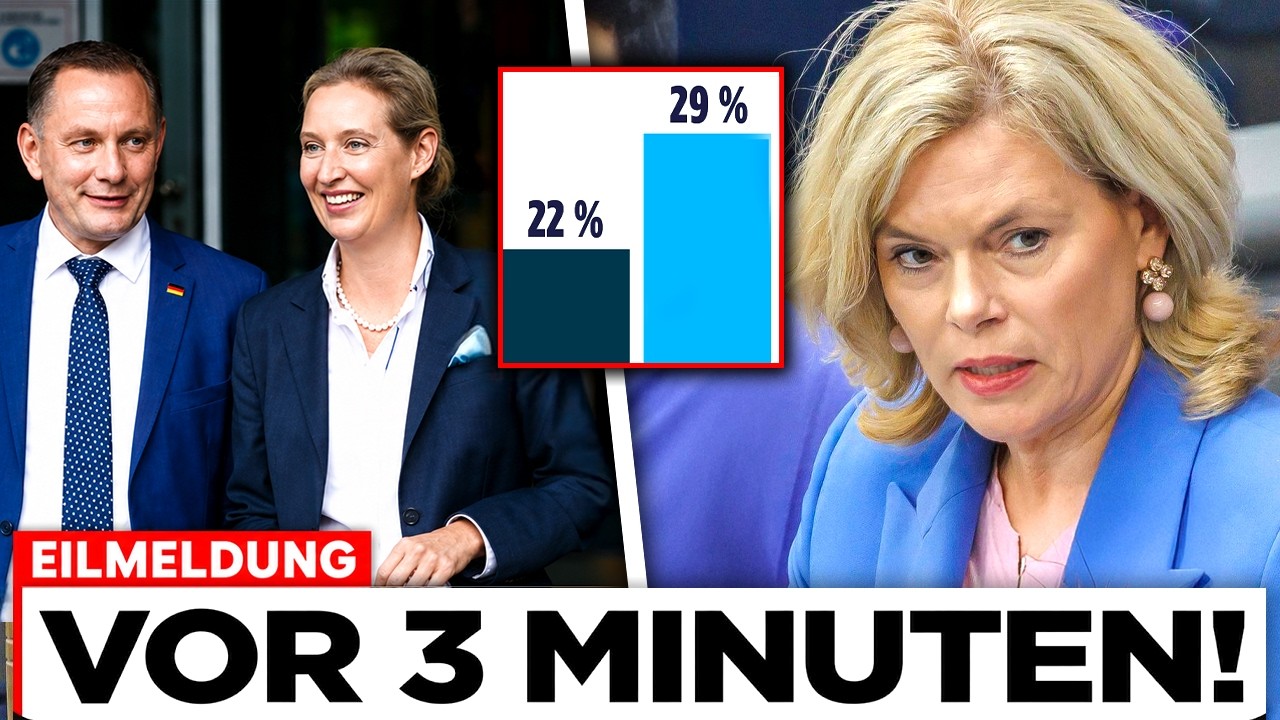
Bundestagspräsidentin Julia Klöckner von der CDU hat sich daraufhin mit einem Brandbrief an die Fraktion gewandt. Sie beklagt Legitimationsprobleme, eine Entwertung der Erststimme und ein ungerechtes Wahlrecht. Kritiker weisen darauf hin, dass die CDU das ursprüngliche Gesetz mitgetragen hatte, in der Annahme, es würde vor allem kleinere Parteien treffen. Das neue Wahlrecht sieht vor, dass nur noch die Zweitstimme zählt und der Bundestag auf 630 Sitze begrenzt wird.

Parallel zu dieser Debatte hat Klöckner einen weiteren Vorstoß unternommen, der sich gezielt gegen die AfD richtet. In einem Brief an alle Fraktionen fordert sie unter anderem eine verstärkte Drohnenabwehr und neue Befugnisse für die Bundestagspolizei. Der Kern des Vorstoßes betrifft jedoch die Mitarbeiter der AfD. Laut Klöckner sollen diese künftig weder Hausausweise noch eine Bezahlung aus Steuermitteln erhalten. Ihr Zitat lautet: „Wer eine Gefahr für das Parlament darstellt, kann nicht vom Parlament bezahlt werden.“ Bereits sieben Hausausweise wurden verweigert, drei weitere Fälle sind für Herbst 2025 bekannt.

Der AfD-Aktionsgeschäftsführer Bernt Baumann spricht von einem tiefen Eingriff ins freie Mandat. Er verweist auf einen Unvereinbarkeitsbeschluss der AfD, wonach Mitglieder oder Mitarbeiter aus der NPD, der Partei „die Heimat“ oder der identitären Bewegung nicht in der AfD sein können. Gleichzeitig kritisiert er die unterschiedliche Behandlung: Während linksextreme Strukturen bei der Linken, den Grünen und Teilen der SPD toleriert worden seien, würden AfD-Mitarbeiter pauschal unter Generalverdacht gestellt. Die Linke fordert zumindest Transparenz bei den Entscheidungen.

Die aktuellen Umfragen vom Mai 2026 zeigen die AfD bundesweit bei 28 Prozent, während die CDU nur noch auf 22 Prozent kommt. In Mecklenburg-Vorpommern liegt die AfD bei 36 Prozent, in Sachsen-Anhalt sogar bei bis zu 41 Prozent. Laut einer Umfrage wollen 48 Prozent der Deutschen das aktuelle Wahlrecht beibehalten, nur 34 Prozent sprechen sich für eine Reform aus. Sogar die Hälfte der CDU-Wähler ist mit dem jetzigen System zufrieden. Parallel dazu gibt es in mehreren Ländern Bestrebungen, die Regeln zu ändern. In Rheinland-Pfalz wollten CDU, SPD und Grüne im April 2026 die Verfassung ändern, um der AfD Untersuchungsausschüsse zu erschweren.
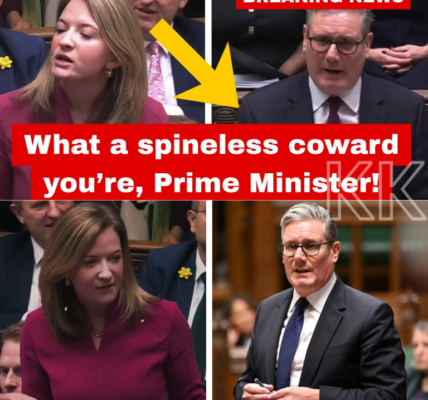
Katie Hopkins Accuses Keir Starmer as Britain Reaches a Breaking Point
The commentary from Katie Hopkins has addressed several recent developments, framing them within her critical perspective on current affairs. Her remarks covered events in Britain, Australia, and the British political sphere, employing a style characterized by strong opinion and satire.

Hopkins began by referencing a decision from the International Olympic Committee, stating it had decided that only women can compete in women’s sports. She presented this as a significant development, praising the athlete Sharon Davies for her stance on the issue. Hopkins claimed Sharon Davies had lost jobs and income as a result of her position and suggested she should be the mascot for the 2028 Olympic Games. The specific timing and full details of the International Olympic Committee’s decision were not provided in the source material.
The commentary then shifted to international matters, focusing on Australia. Hopkins criticized Anthony Albanazi, describing him as one of the worst leaders on the planet. She stated he was trying to return to lockdown measures in response to an oil crisis in Iran, advising people not to go out or use their cars.

Hopkins connected this to a broader narrative about energy control and social manipulation, referencing Ed Miband in the context of energy policy, though the exact nature of his involvement was not detailed. She argued the objective was to train people to accept lockdowns and restrict energy supplies to make the population easier to control.
Finally, Hopkins turned her attention to British politics, using highly critical and satirical language. She referenced a plan to make “Sadique Kunt” a lord in the House of Lords, though the correct identity of this individual is unclear from the source. The commentary included mocking remarks about the creation of a gown for this appointment.
This segment concluded her overview of what she labeled “Batshit Bonkers Britain.”
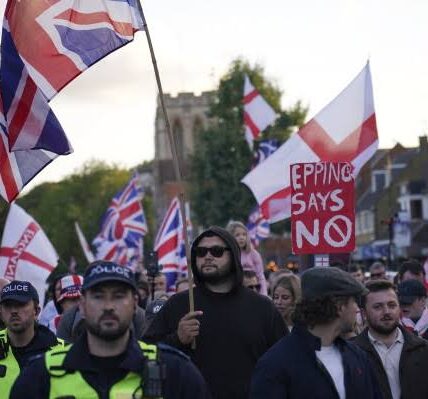
Separately, the source material included an interview with an individual who described their experience at a protest. The individual stated they had informed the Metropolitan Police of their intent to attend a protest as a journalist to observe supporters of the Islamic Republic. They described approaching people carrying the flag of the Islamic Republic, asking if they were Iranian and if they supported the Islamic Republic. The interviewee claimed some individuals, including a child guided by a mother, affirmed their support for the Islamic Republic, which the interviewee linked to the regime’s actions against protesters in Iran.

The individual then described being assaulted during the event. They stated that Metropolitan Police officers approached them and, while escorting them, someone from behind grabbed their neck, causing them to fall into a metal barrier and sustain a hairline fracture to their ribs. The identity of the assailant was not confirmed in the account. The interviewee expressed concern that such support for the Islamic Republic exists within British society. This account was presented as a firsthand testimony of events at the protest.

The overall commentary from Katie Hopkins, combined with the subsequent interview, presented a series of claims and personal accounts focused on political and social controversies. The tone throughout was opinionated and designed to provoke a strong reaction from the audience.