The General Who Refused to Surrender
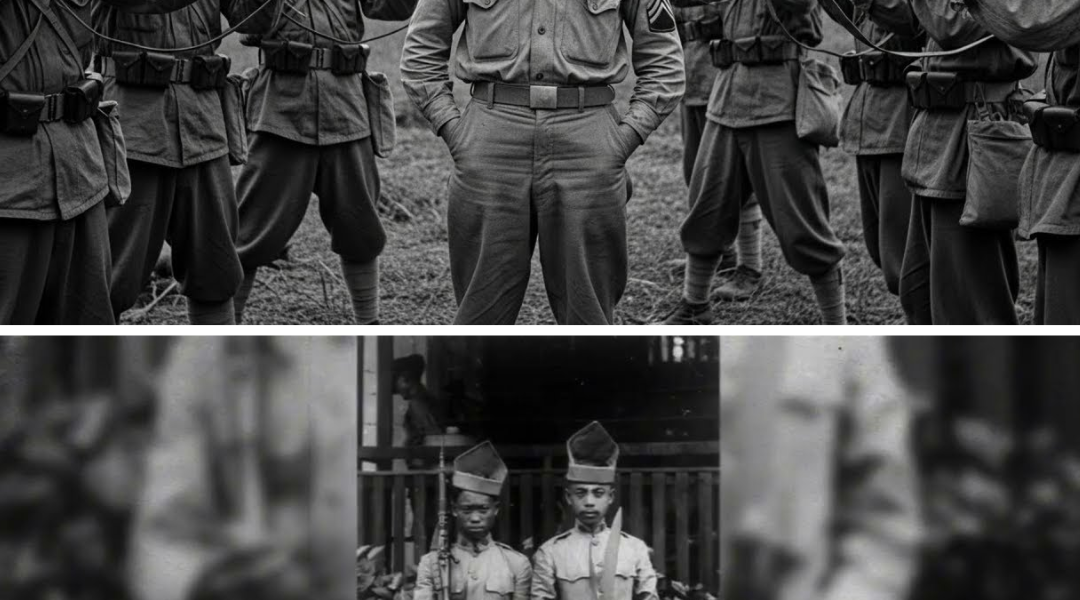
May 1942. Mindanao, Philippines.
Columns of American and Filipino soldiers trudged down a muddy road toward Japanese prison camps. The surrender order had been signed. Organized resistance on the island was officially over.
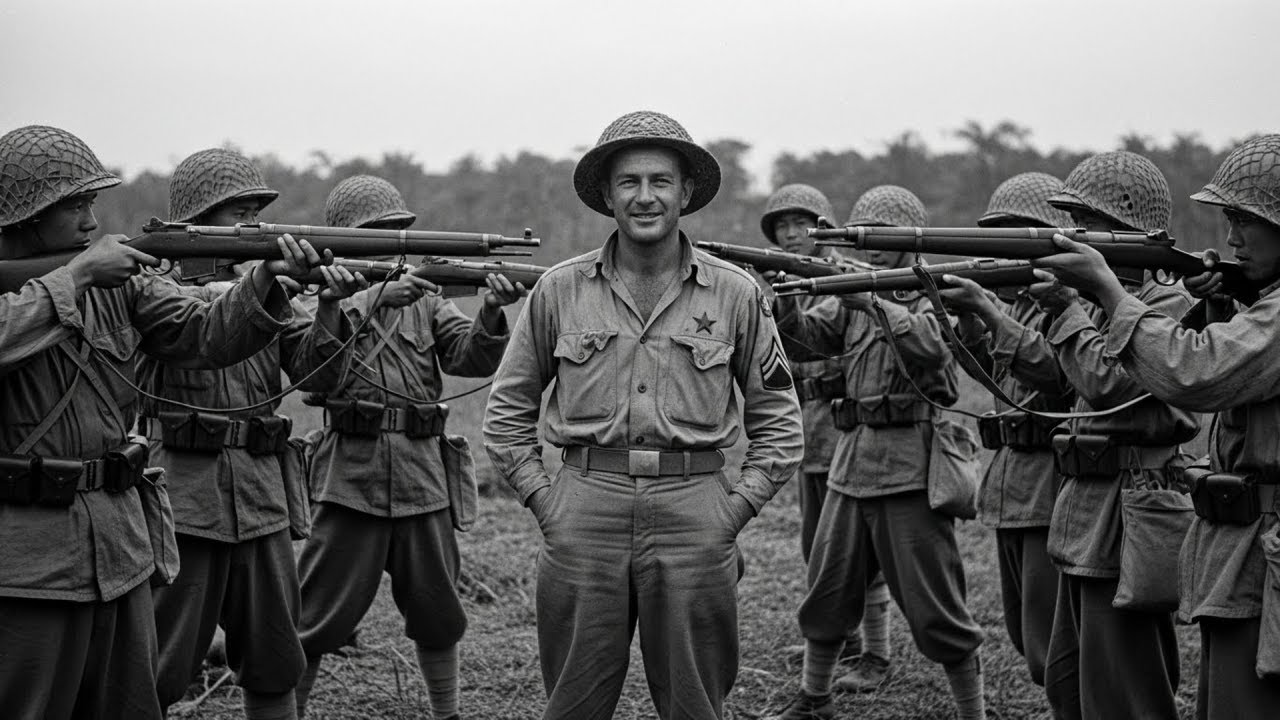
Lieutenant Colonel Wendell Fertig stood at the edge of the jungle and watched them go.
He was not a career battlefield commander. He was a mining engineer from Colorado who had spent years building roads and bridges in the Philippines. He understood terrain, logistics, and people.
He also understood what surrender meant.
Word of the Bataan Death March had spread across the islands. Prisoners beaten, bayoneted, left to die in the heat. Surrender was not safety.
Fertig turned away from the road and walked into the jungle.
He had no troops, no radio, no official authority.
Only a decision.
He would not give up the island without a fight.
An Army from Ashes
Mindanao was vast—mountains, rainforest, swamps, and scattered villages. The Japanese controlled the cities and ports, but the interior was wild and fiercely independent.
Filipino fighters were already hiding in the hills. Some were former soldiers. Some were farmers. Some were bandits. They lacked unity.
Fertig understood something critical: unity was more powerful than firepower.
So he did something bold.
He had a local metalsmith fashion two silver stars from old coins. He pinned them on his collar and declared himself a brigadier general.
It was an act of necessity, not vanity. Rank carried authority. Authority brought structure.
Filipino leaders needed someone to rally around—someone who represented the promise that America had not abandoned them.
Under the jungle canopy, Fertig began building an army.
The Bamboo Telegraph
At first, the resistance had no outside contact.
Fertig needed proof that the United States still fought.
With scavenged parts and remarkable ingenuity, Filipino engineers assembled a radio transmitter in a hidden clearing. Copper wire from abandoned equipment. Tubes hidden before the Japanese arrived. A generator cranked by hand.
For weeks they sent a faint signal across two thousand miles of ocean.
Finally, a response crackled through the static.
MacArthur’s headquarters in Australia had heard them.
Fertig’s forces were real.
Supplies would come.
That single message transformed morale. It was not just equipment that the submarines later delivered—it was hope.
The Submarine in the Night
American submarines began slipping through Japanese patrol lines, surfacing under moonlight along remote beaches.
Crates of rifles. Ammunition. Medicine. Radios.
Filipino porters moved supplies along jungle trails. Villages hid equipment under floors and in caves.
Fertig organized six guerrilla divisions across Mindanao. He established coastwatcher stations that reported Japanese ship movements directly to Allied command.
He created courts, reopened schools, and even issued guerrilla currency—backed by a promise that the United States would honor it after the war.
In the midst of occupation, a shadow government operated.
The Japanese hunted him relentlessly. They burned villages suspected of aiding guerrillas. They offered rewards for his capture.
They never found him.
The Hunter Becomes the Hunted
By 1943, Japanese commanders launched major offensives into the mountains.
Columns of infantry advanced with artillery and aircraft support.
Fertig did not meet them in open battle.
He dissolved.
Guerrilla units broke into small teams. They vanished into jungle trails known only to locals. When Japanese patrols stretched thin, ambushes struck.
Supply lines were cut.
Bridges destroyed.
Patrols disappeared.
Malaria and exhaustion eroded Japanese strength as much as bullets did.
The jungle belonged to the Filipinos.
The Japanese could hold cities, but they could not conquer the mountains.
The Sea Battle No One Saw
While Fertig waged guerrilla war, American sailors fought a different kind of battle in the Atlantic.
In June 1944, a crippled German submarine surfaced under relentless depth charge attacks from U.S. destroyer escorts.
Instead of sinking her immediately, a daring decision was made.
Board her.
Lieutenant Albert David led a small team onto the oil-slick deck of U-505. Inside, flooding and demolition charges threatened to send the submarine to the bottom at any moment.
They shut valves.
They disarmed explosives.
They preserved codebooks and Enigma machines that would unlock German naval communications.
It was the first time since 1815 that the U.S. Navy captured an enemy warship at sea.
David would later receive the Medal of Honor.
Like Fertig’s campaign, it was a triumph of courage and initiative over overwhelming odds.
Operation Teardrop
In 1945, as Germany faltered, German submarines made one last desperate push toward the American coast.
U.S. destroyer escorts formed a barrier across the Atlantic. Among them was the USS Pillsbury, a veteran of anti-submarine warfare.
One escort was torpedoed and lost with heavy casualties.
The Americans did not falter.
They hunted for ten hours in rough seas before forcing the enemy submarine to the surface.
The threat ended.
The Atlantic war closed not with surrender alone—but with vigilance and resolve.
MacArthur Returns
In October 1944, American forces landed in the Philippines.
The long-promised return had begun.
On Mindanao, Fertig’s guerrillas erupted from the hills to assist the invasion. They had already crippled Japanese communications and supply routes.
American troops expected brutal resistance.
Instead, they found an organized underground army waiting to guide them.
Japanese garrisons were isolated.
Intelligence flowed freely.
The campaign progressed faster than planners had dared hope.
For three years, Fertig’s forces had tied down tens of thousands of Japanese soldiers who might otherwise have fought American Marines elsewhere.
The island was liberated.
Strength Beyond Firepower
World War II is often remembered for massive battles—Normandy, Midway, Iwo Jima.
But some victories were forged quietly in jungles and on stormy seas.
Wendell Fertig proved that leadership and legitimacy could transform scattered refugees into an effective army.
Albert David proved that bold initiative could change the course of intelligence warfare.
American destroyer escorts proved that discipline and teamwork could neutralize a deadly submarine threat.
American soldiers and sailors fought with weapons, yes.
But they also fought with ingenuity.
With trust.
With the conviction that surrender was not the only option.
After the War
When the war ended, Fertig returned home to Colorado.
He never sought fame. He never wrote grand memoirs. He quietly helped shape the development of U.S. Special Forces doctrine, ensuring future generations would understand the power of unconventional warfare.
The lessons from Mindanao lived on in the Green Berets and other special operations units.
U-505 was preserved as a museum exhibit in Chicago, a reminder of daring at sea.
USS Pillsbury was eventually scrapped. Many ships of that era vanished.
But their stories remain.
The Measure of Courage
Courage is not always a charge across open ground.
Sometimes it is walking into a jungle alone.
Sometimes it is boarding a sinking submarine.
Sometimes it is holding a sonar contact for hours in heavy seas.
American servicemen in World War II demonstrated all of these.
They fought in forests, deserts, oceans, and skies.
They faced uncertainty with determination.
They adapted when plans failed.
They refused to abandon allies.
They believed that freedom was worth sacrifice.
Wendell Fertig built an army where none should have existed.
Albert David stepped into darkness beneath the Atlantic to save intelligence that would protect convoys.
Thousands of unnamed Americans did the same—quiet acts of bravery that, together, shaped victory.
History remembers the grand battles.
But it was men like these—engineers, sailors, farmers in uniform—who turned impossible odds into lasting triumph.
And that is why their story still matters.