Warren Pickering leads a One Nation ticket built to turn 27% polling into upper house seats. u1

The Outsiders’ Offensive: Behind Pauline Hanson’s High-Stakes Gamble in Victoria
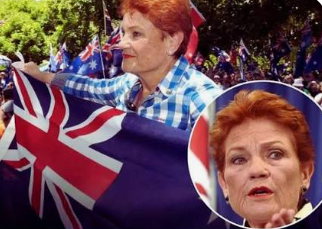
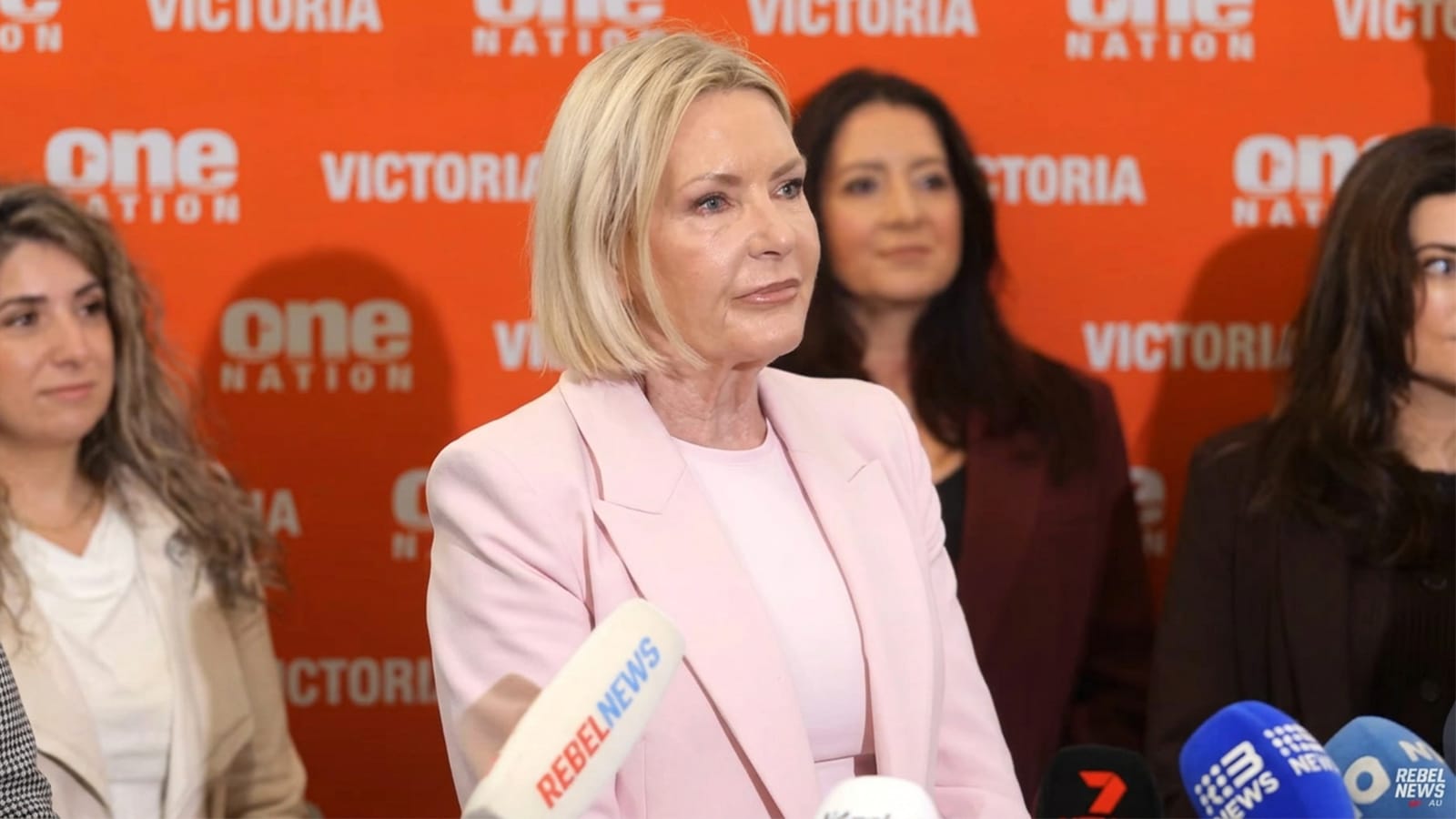
On a brisk Melbourne morning, Australian political veteran Pauline Hanson stood before the press gallery to drop a political depth charge into Victoria’s already turbulent landscape. Unveiling a statewide ticket led by her long-serving state president Warren Pickering, Hanson signaled that One Nation is no longer content playing at the margins of regional protest.
With the Victorian state election approaching on November 28, the party is fielding candidates across all eight Legislative Council regions and targeting up to 76 of the state’s 88 lower house districts. The announcement lands during a period of acute vulnerability for the incumbent government: Labor is adjusting to the premiership of Ben Carroll following the sudden departure of Jacinta Allan, while the Liberal-National Coalition struggles to present a unified, disciplined front.
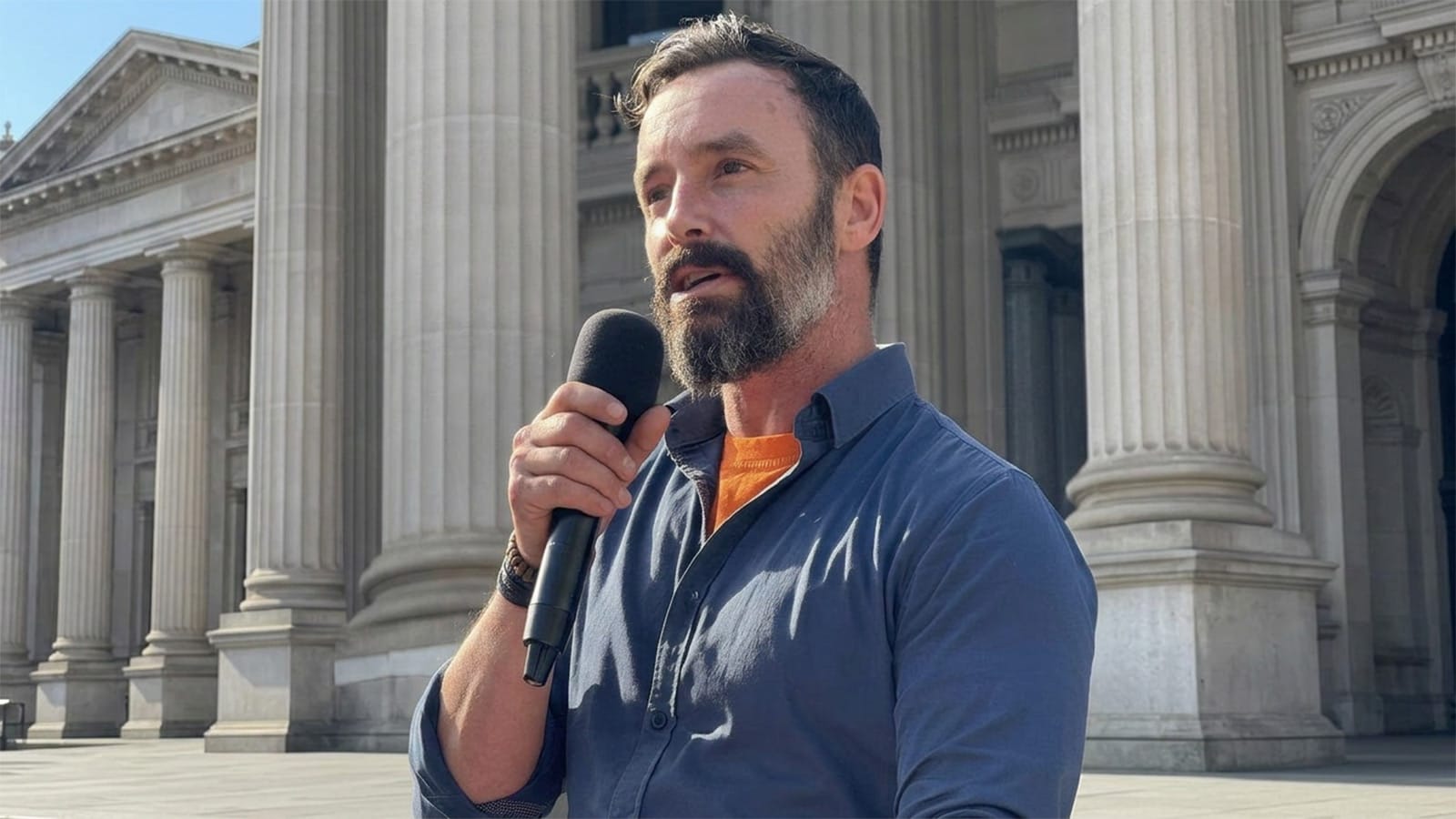
For three decades, One Nation’s footprint in southern politics was largely symbolic—a Queensland-born brand that struggled to gain traction across Melbourne’s cosmopolitan suburbs. But this slate is designed differently. Combining working-class credentials, institutional defectors, cultural provocateurs, and regional organizers, Hanson’s team is mounting a calculated assault on Victoria’s traditional two-party duopoly.
+-----------------------------------------------------------------------------------------+
|                              ONE NATION VICTORIAN TICKET LEADERS                        |
+--------------------------+------------------------------+-------------------------------+
| Candidate                | Target Seat / Region         | Background                    |
+--------------------------+------------------------------+-------------------------------+
| Warren Pickering (Leader)| Pakenham (Lower House)       | Army veteran, coal miner,     |
|                          | & Eastern Victoria           | State President               |
| Chris Burson             | Western Victoria             | Army vet, ex-police officer,  |
|                          |                              | Dan Andrews close protection  |
| Colleen Harkin           | South-Eastern Metropolitan   | Former Liberal state exec,    |
|                          |                              | ex-IPA education director     |
| Rikkie-Lee Tyrrell (MP)  | Northern Victoria (Incumbent)| Dairy farmer, irrigator &     |
|                          |                              | regional advocate             |
| Mark Nicholson           | Northern Metropolitan        | Animator, creator of          |
|                          |                              | "Please Explain" series       |
| Aaron Sanford            | Southern Metropolitan        | Criminal & family violence    |
|                          |                              | defense lawyer                |
| Natalie Adams            | North-Eastern Metropolitan   | Office manager, Bulleen mum   |
| Fiona Lopez              | Western Metropolitan         | HR manager, charity mentor,   |
|                          |                              | community volunteer           |
+--------------------------+------------------------------+-------------------------------+
The Standard-Bearer: Warren Pickering
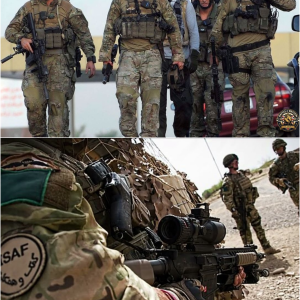
At the helm of the ticket is Warren Pickering, 43, a former army combat engineer and Queensland coal mining worker who has served as One Nation’s Victorian State President. Pickering’s resume reads like a composite sketch of the party’s blue-collar core: leaving school to lay bricks in regional Victoria, spending seven years deployed in military engineering units, and transitioning to heavy industry. His career in mining ended after a public refusal to comply with company-mandated COVID-19 rules, prompting his return to Victoria as a single father.
Rather than seeking safety exclusively in an upper house seat, Pickering is contesting the lower house seat of Pakenham—a booming, outer-southeastern suburban growth corridor vacated by retiring Labor MP Emma Vulin. Pakenham represents precisely the demographic crucible where cost-of-living strain, infrastructure deficits, and mortgage stress converge.

The Defector and The Bodyguard
The ticket’s sharpest edge comes from figures who previously operated inside the very institutions One Nation seeks to dismantle:
-
Chris Burson (Western Victoria): A Geelong city councillor, former infantryman, and ex-police officer, Burson spent the pandemic years serving on the Close Personal Protection Team assigned to guard former Premier Daniel Andrews and his family. Burson broke ranks publicly on independent media, alleging a stark contrast between the heavy police protection detail deployed around the premier and the skeleton policing crews left to patrol Melbourne’s locked-down streets. His personal accounts of private drinking sessions inside the premier’s residence while the broader population lived under curfews remain unverified by independent investigators, but they serve as potent emotional fuel for voters harboring lingering grievances from the lockdown era.
-
Colleen Harkin (South-Eastern Metropolitan): A veteran conservative operative and former Director of Education at the Institute of Public Affairs (IPA), Harkin spent decades fundraising, organizing, and campaigning for the Liberal Party before resigning in protest. In her exit statement, she accused the opposition of “insipid” factionalism and policy drift. Harkin spearheaded a high-profile Supreme Court challenge against her former party’s state executive over a $1.55 million internal loan extended to former leader John Pesutto to cover defamation settlement costs.
Regional Defense and Cultural Warfare
-
Rikkie-Lee Tyrrell (Northern Victoria): The only sitting MP on the ticket, Tyrrell made history in 2022 by winning One Nation’s first-ever seat in the Victorian Parliament. A former dairy farmer from Shepparton, her platform centers heavily on the Murray-Darling Basin Plan, arguing that federal water buybacks have stripped regional agricultural communities of vital irrigation resources and inflated operational costs. Her campaign focuses on unlocking onshore gas exploration, opposing large-scale wind and solar installations on arable farmland, and repairing degraded regional roads.
-
Mark Nicholson (Northern Metropolitan): Co-creator of the viral Please Explain animated satire series, Nicholson is entering hostile political territory by contesting the inner-north electorate that encompasses Fitzroy, Brunswick, and Carlton—long considered the heartland of the Victorian Greens. The strategy relies on converting a massive online satirical following into tangible ballot-box support.
-
Urban Representation: Rounding out the ticket are Aaron Sanford, a 29-year-old criminal and family violence defense attorney running in Southern Metropolitan; Natalie Adams, an office administrator from Bulleen running in North-Eastern Metropolitan; and Fiona Lopez, a human resources manager and community volunteer contesting Western Metropolitan.

Polling Dynamics and Electoral Calculus
The announcement comes amid shifting electoral mechanics. Recent state polling by RedBridge for Victorian Trades Hall recorded One Nation reaching 27% of the primary vote, placing them neck-and-neck with both the Coalition (26%) and Labor (26%), with the Greens sitting at 12%.
Recent Primary Vote Polling Trend (RedBridge / DemosAU)
======================================================
One Nation:   [███████████████████████] 27%
Labor:        [██████████████████████] 26%
Coalition:    [██████████████████████] 26%
Greens:       [████████████████████] 12%
Others/Ind:   [████████] 9%
Under Victoria’s proportional representation system for the Legislative Council, each of the eight regions elects five members, requiring a quota of approximately 16.67% after preferences. If One Nation maintains a statewide primary vote anywhere near current survey figures, the party could secure upper house seats across every region, potentially holding the balance of power in Victoria.
========================================================================================
                               EXECUTIVE INTELLIGENCE BRIEF
========================================================================================
CORE PHENOMENON:
  The transformation of One Nation from a regional agrarian protest vehicle into an
  institutional sanctuary for disillusioned working-class voters and conservative defectors.

PRIMARY DRIVERS:
  1. Post-Pandemic Institutional Fallout (Lingering structural grievances from lockdown mandates).
  2. Outer-Suburban Mortgage & Cost-of-Living Stress (Growth-corridor disconnect).
  3. Opposition Vacuum (Liberal Party factional warfare and legal distractions).
  4. Electoral Reform Impact (The phase-out of Group Voting Tickets elevating raw primary votes).

CRITICAL UNRESOLVED QUESTIONS:
  * Can a protest movement survive parliamentary scrutiny and form coherent legislative coalitions?
  * Will outer-suburban mortgage-belt voters turn protest polling into actual lower house victories?
========================================================================================
Covering politics across three decades teaches you that seismic political shifts rarely begin at the center. They fester in forgotten corridors, gain traction through shared frustration, and erupt the moment traditional institutions take their base for granted.
Looking past the press releases and campaign slogans, several undercurrents define this development:
1. The Weaponization of the “Insider Witness”
The recruitment of Chris Burson and Colleen Harkin represents a calculated evolution in party strategy. For decades, populist insurgencies relied primarily on fiery outsiders railing against an abstract “establishment.” This slate takes a different approach: deploying insider witnesses.
When an ex-police bodyguard speaks about the private conduct of a former premier, or when a former Liberal state executive challenges party financing in the Supreme Court, it bypasses ordinary ideological debate. It provides disaffected voters with perceived eyewitness validation of their deepest suspicions: that governing institutions are insulated, hypocritical, and indifferent to ordinary citizens. Whether these accounts survive forensic scrutiny is secondary to their political utility; they function as narrative dynamite in an era of declining institutional trust.
2. The Battle for the Mortgage Belt
Pickering’s decision to contest Pakenham illustrates where this election will likely be decided. The traditional dividing line between inner-city progressives and rural conservatives has been eclipsed by the pressures facing the outer-suburban growth belt.
In suburbs like Pakenham, Cranbourne, and Melton, residents are navigating the sharp end of national economic pressures: back-to-back interest rate hikes, soaring utility tariffs, crowded arterial roads, and under-resourced public services. Labor has historically treated these mortgage-belt corridors as safe territory, while the Liberal opposition has often struggled to craft an economic message that resonates with young, debt-burdened families. By pairing working-class, blue-collar candidates with direct cost-of-living messaging, One Nation is positioning itself to capture the protest vote of an overburdened middle class.
3. The Collapse of the Traditional Binary
The polling figures pointing to a three-way statistical tie (One Nation 27%, Labor 26%, Coalition 26%) reflect a broader systemic unraveling. Australian voters are increasingly abandoning lifelong party allegiances.
Victoria’s pending legislative push to dismantle Group Voting Tickets (GVTs)—the opaque preference-trading mechanism that allowed micro-parties to win seats on tiny fractions of the vote—was originally intended by the major parties to clean up the upper house and lock out minor competitors. Paradoxically, if an insurgent party can capture a legitimate primary vote above 16.7%, the elimination of GVTs works directly in its favor. Rather than relying on backroom preference swaps, a high primary vote converts directly and cleanly into parliamentary seats.
4. What Remains Unanswered
Despite the momentum, significant strategic hurdles remain:
-
The Transition from Protest to Governance: It is one thing to channel voter discontent from a broadcast studio; it is entirely another to negotiate state budgets, evaluate complex infrastructure bonds, and review intricate pieces of statutory legislation. If One Nation secures balance-of-power status in the Legislative Council, will the party maintain internal voting discipline, or will it succumb to the factional fractures that have historically troubled populist parties?
-
The Durability of the Primary Vote: Early polling often reflects temporary voter frustration rather than hardened voting intentions. As polling day nears and compulsory preferential voting takes effect, will suburban voters follow through in the ballot box, or will traditional major-party loyalties reassert themselves under the pressure of targeted negative campaigning?
The transformation of Victoria’s political landscape is no longer a distant possibility; it is unfolding in real time. The slate unveiled by Warren Pickering and Pauline Hanson demonstrates that the political center of gravity is moving away from predictable two-party duopolies toward a more volatile, multi-polar landscape.
Beneath the campaign slogans lies an undeniable social reality: a sizable portion of the electorate feels unheard by the traditional governing apparatus. When mainstream parties fail to address structural anxieties—from cost-of-living stress to institutional transparency—voters will inevitably seek alternatives willing to disrupt the status quo.
As Victoria heads toward November 28, the defining question for the state is not merely which party wins the most seats, but a more fundamental one:
When the dust settles on election night, will this surge prove to be a temporary wave of protest, or the permanent redrawing of Victoria’s political map?