UK Barrister Warns Online Safety Act Could Enable “State Censorship” After TikTok Removes Reform UK Videos!. n1

UK Barrister Warns Online Safety Act Could Enable “State Censorship” After TikTok Removes Reform UK Videos!
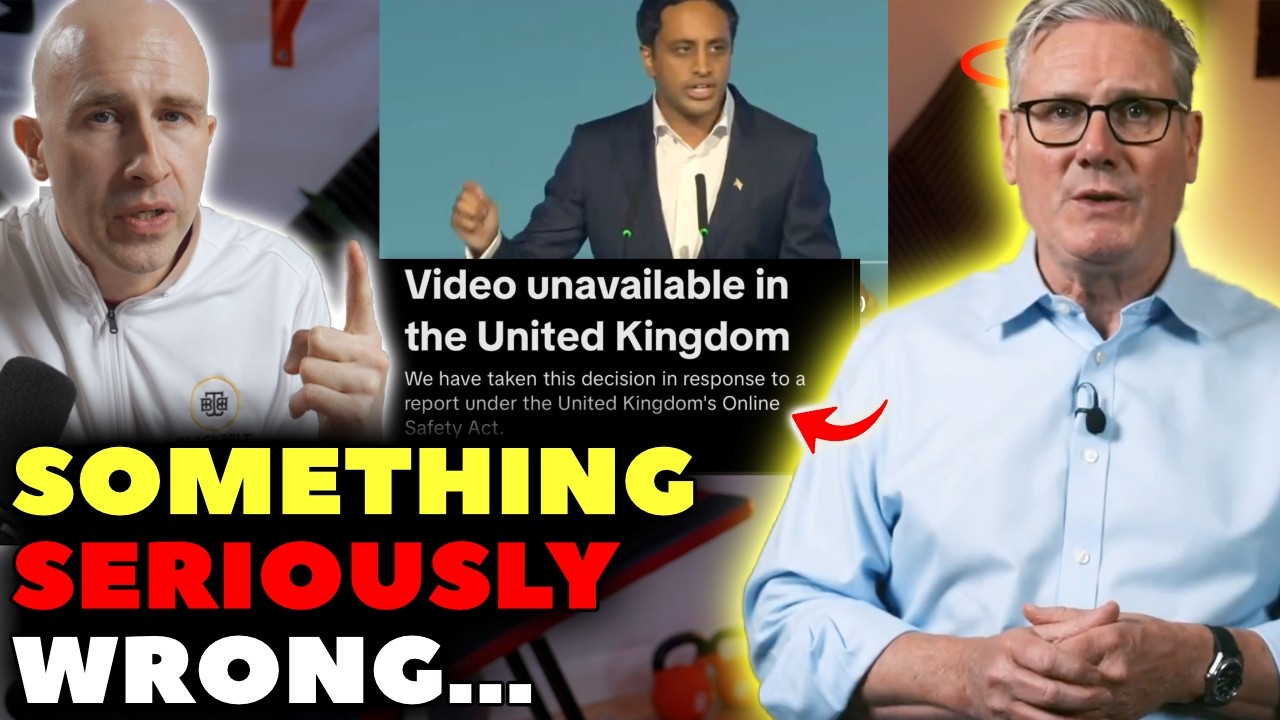
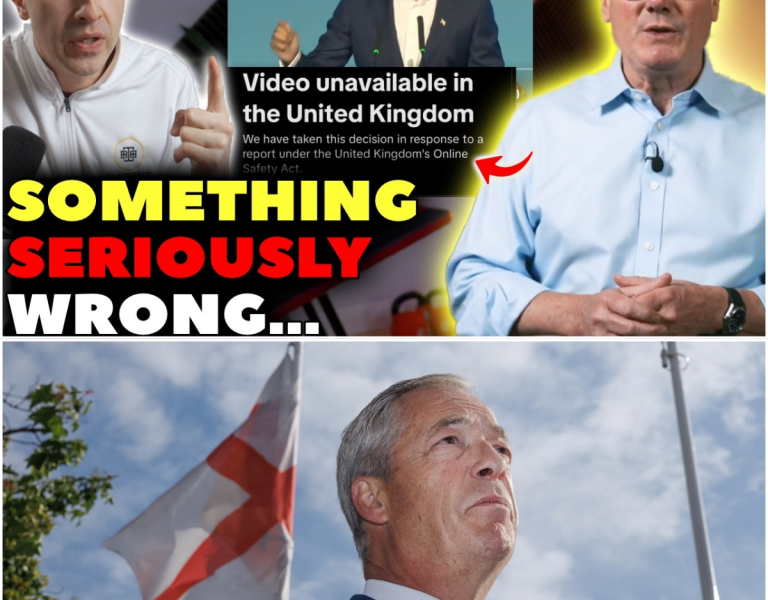
Concerns over free speech and political censorship in the United Kingdom have intensified following claims that TikTok removed videos posted by a senior Reform UK figure, citing the Online Safety Act as justification.
In a detailed commentary shared online, UK barrister Daniel raised alarms about what he described as a potentially dangerous mechanism built into the UK’s new digital regulation framework. He argued that while public anger is likely to focus on TikTok, the deeper issue may lie in the legal and regulatory system created by Parliament and enforced by Ofcom.
The controversy centers on Zia Yusuf, a prominent figure in Reform UK, who stated that TikTok removed two of his videos. According to Yusuf, the platform explicitly referenced the Online Safety Act when taking down the content.
One of the removed videos reportedly announced Reform UK’s policy on illegal migrant detention centers and had accumulated millions of views on other platforms before being deleted from TikTok. A second video outlining policies Yusuf claimed he would implement as Home Secretary was reportedly removed under TikTok’s “hate speech and hateful behavior” rules.
Yusuf also stated that TikTok issued a warning that further violations could lead to a strike against his account and possible deplatforming. He claimed his TikTok profile had received around 18 million views in the last 28 days.
In his remarks, the barrister suggested that the case raises broader questions about whether political speech is being indirectly restricted through regulatory pressure rather than direct government action.
TikTok under scrutiny, but legal system becomes central focus
While TikTok’s content moderation decisions have drawn criticism from Reform supporters, Daniel argued that the most significant issue is not necessarily TikTok’s internal policies but the legal framework under which platforms now operate.
He stated that the Online Safety Act imposes statutory duties on social media companies, giving Ofcom the authority to enforce compliance with severe penalties. Under the act, platforms can face fines of up to 10% of global annual turnover for failing to meet regulatory requirements.
Daniel argued that this creates a powerful incentive for companies to remove content quickly and aggressively, even when it concerns political debate or public policy announcements.
The barrister framed the issue as a structural problem: if platforms fear financial punishment from regulators, they will likely err on the side of removing borderline content rather than risking enforcement action.
In his view, this creates a system where political censorship can occur without any explicit government instruction.
“Not a platform problem, but a state censorship problem”
Daniel suggested that the key legal question is whether TikTok acted independently or under pressure created by the regulatory environment.
“If a government is using legislation that it created and a regulator it controls to pressure platforms into removing the political content of opponents,” he said, “that’s not a platform problem. That’s a state censorship problem.”
He stressed that he could not confirm whether TikTok was directly instructed by Ofcom or government authorities to remove Yusuf’s content. However, he argued that the mechanism for such indirect pressure exists and that the circumstances surrounding the takedown are, at minimum, suspicious.
The barrister pointed to the timing: a senior opposition figure allegedly losing a major policy announcement video during a period of political instability and heightened public debate over immigration.
He said that even if there is no formal government involvement, the regulatory structure itself can still produce censorship outcomes.
Legal but harmful: the most controversial concept
Daniel argued that one of the most concerning features of the Online Safety Act is its scope beyond clearly illegal content.
The act requires platforms to identify and remove “priority illegal content,” including terrorism-related material, child exploitation, and illegal incitement. Daniel noted that few people would dispute the need for action against such content.
However, he emphasized that the act goes further by compelling platforms to address material that may be legal but considered harmful.
This category — often summarized as “legal but harmful” — has been heavily criticized by free speech advocates, who argue it is inherently vague and politically vulnerable to misuse.
Daniel argued that once governments or regulators begin defining harmful content beyond criminal thresholds, the potential for censorship expands dramatically.
He claimed that almost any political opinion could be framed as harmful depending on who holds regulatory power.
Ofcom’s power and the incentive to over-censor
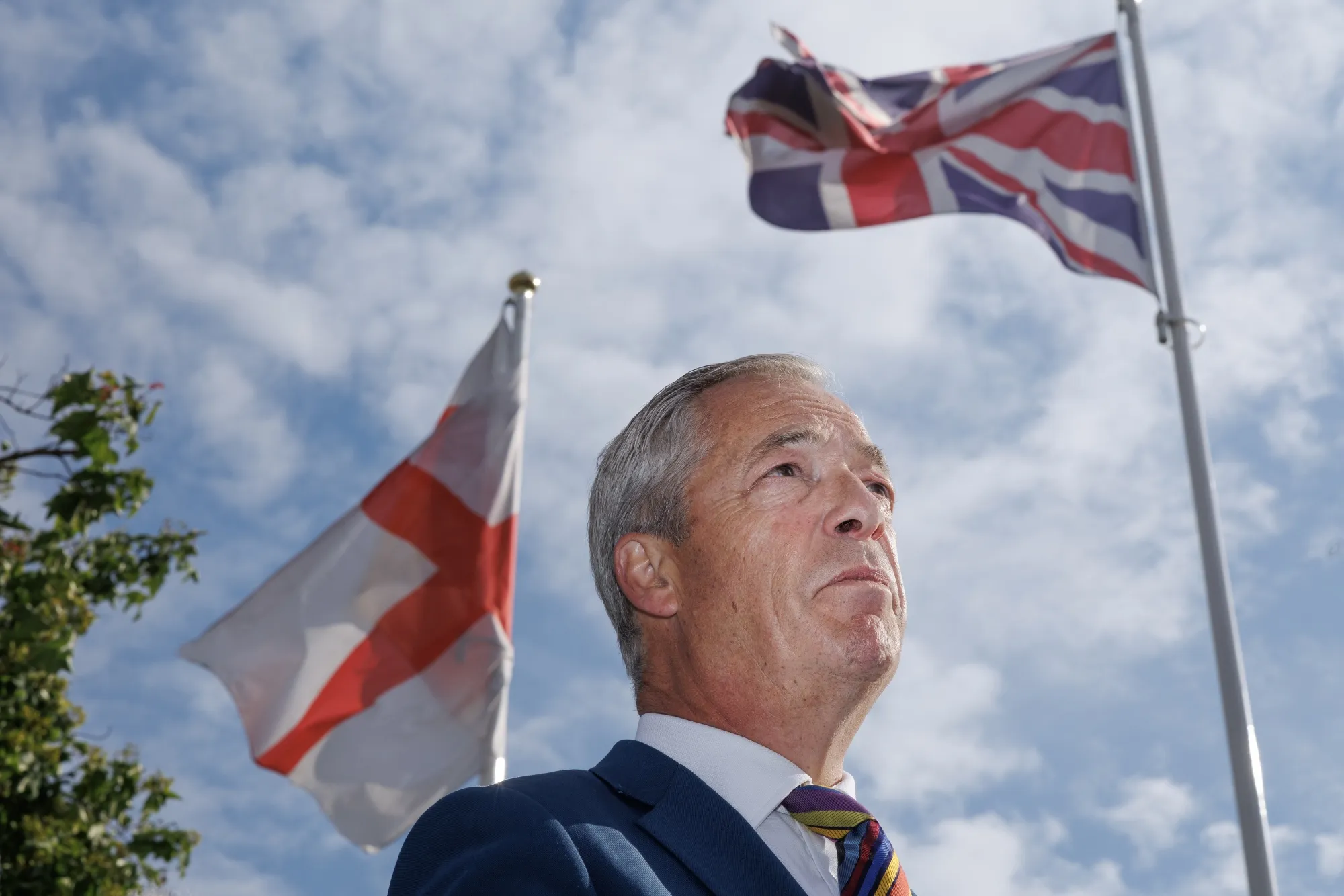
According to Daniel, Ofcom’s role is central to the controversy.
Ofcom, as the UK communications regulator, is empowered to enforce the Online Safety Act and determine whether platforms are doing enough to comply. Daniel argued that because Ofcom is government-appointed and ultimately answerable through political structures, the regulator’s decisions can carry political implications.
He warned that companies like TikTok are unlikely to take risks when facing potential fines worth billions of pounds.
The incentive structure, he said, is straightforward: remove content quickly and avoid regulatory punishment.
This approach may protect shareholders and corporate interests, but it risks suppressing legitimate political speech, particularly speech critical of government policy.
Daniel argued that platforms may begin to pre-emptively censor sensitive political content to reduce exposure, even when the content does not breach criminal law.
Reform UK previously warned of “censorship through the back door”
The barrister also noted that Reform UK had previously criticized the Online Safety Act during its introduction.
He cited concerns raised by Reform representatives that the law could become a mechanism for political censorship. Reform UK MP Sarah Pochin reportedly described the rules as “censorship through the back door,” while Yusuf had warned that the act could encourage over-moderation.
Daniel argued that Yusuf’s current experience appears to align with those warnings.
He claimed that legislation framed as protecting public safety often expands into broader control of speech, especially during times of political instability.
The barrister compared this to historical patterns in which governments introduce laws with popular public justification, only for those laws to later be used in more controversial ways.
Allegations of inconsistent moderation fuel political outrage
In his commentary, Daniel referenced Yusuf’s claim that TikTok hosts large numbers of videos allegedly calling for the assassination of Nigel Farage, Reform UK’s leader, without removing them.
Daniel stated that he could not confirm the scale of such content, but argued that if the claim is accurate, it raises serious questions about selective enforcement and politically inconsistent moderation.
If platforms remove immigration policy announcements while leaving violent threats untouched, he suggested, the result looks less like neutral enforcement and more like ideological bias.
Such claims have fueled growing public distrust toward major tech companies, which are frequently accused by political activists of applying different standards depending on the target or viewpoint.
Barrister warns impact could extend far beyond politicians
Daniel stressed that the controversy should not be viewed as a dispute limited to Reform UK or high-profile politicians.
He argued that if political content can be removed under this regulatory framework, the same mechanisms can be applied to journalists, commentators, independent creators, and ordinary citizens.
He said he had personally faced complaints and reporting campaigns over legal commentary and public interest discussions, including material related to everyday legal topics.
The barrister argued that online reporting systems and regulatory pressure can be weaponized by political opponents seeking to silence viewpoints they dislike.
In his view, the Online Safety Act has amplified the power of these reporting mechanisms by increasing the consequences for platforms that fail to act.
“The only solution is the ballot box,” he says
Daniel concluded by urging viewers to vote, framing the issue as a democratic crisis rather than a partisan dispute.
He argued that if the UK continues down a path where political speech is removed under regulatory pressure, the ability to challenge government policy will weaken.
“If a government manages to stay in power indefinitely because the voices that challenge it are being silenced,” he warned, “then it retains those levers and they get stronger.”
He stressed that his message was not an endorsement of any particular party, but a warning that democratic systems depend on political speech being protected — even speech that is controversial.
The barrister argued that political speech should receive the highest level of protection in a democratic society and that excessive platform censorship undermines the foundations of free political debate.
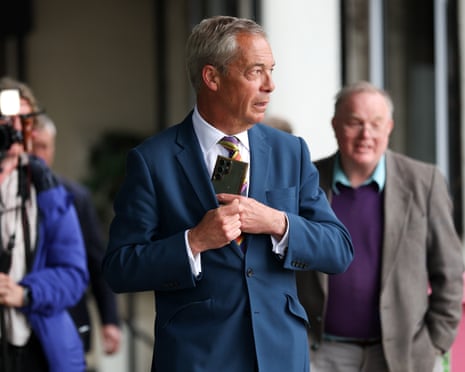
Online Safety Act debate likely to intensify
The controversy is likely to fuel renewed scrutiny of the Online Safety Act, which has already faced criticism from civil liberties groups and digital rights advocates.
Supporters of the act argue it is necessary to protect children, combat extremist content, and reduce online harm. Critics counter that vague definitions of harmful content create opportunities for censorship and government overreach.
Whether TikTok acted under explicit regulatory pressure or simply responded to risk incentives remains unclear. However, the incident has reignited fears that online regulation could become a powerful tool for suppressing political speech, especially during election periods or moments of national unrest.
As Britain faces rising political polarization, immigration tensions, and increasing distrust in institutions, the clash between online safety regulation and free speech is rapidly becoming one of the country’s most sensitive and consequential political battles.