
The Untouchable Guarantee: Inside the High-Stakes Battle Over Britain’s Pension Triple Lock
The Mechanics of an Economic Sacred Cow
In the political architecture of contemporary Britain, few policy mechanisms carry the emotional weight, electoral volatility, and fiscal gravity of the state pension “triple lock.”
First conceived in the aftermath of the 2008 global financial crisis and codified under the Conservative-Liberal Democrat coalition government in 2010, the triple lock was designed as a statutory guarantee to protect the living standards of older Britons. Under this legal formula, the basic and new state pensions increase every April by whichever of three economic indicators is highest:
                          THE TRIPLE LOCK FORMULA
                                     │
         ┌───────────────────────────┼───────────────────────────┐
         ▼                           ▼                           ▼
  Consumer Price Index        Average Weekly               Fixed Baseline
     (CPI Inflation)          Earnings Growth                  Floor
    (September figure)      (May–July average)                 (2.5%)
When introduced, the policy served an undeniable social purpose. Following three decades of indexation linked solely to the Retail or Consumer Price Index—dating back to Margaret Thatcher’s decoupling of pensions from earnings in 1980—the relative value of the UK state pension had steadily deteriorated against national living standards. By 2010, British retirees were receiving one of the lowest replacement rates relative to average earnings among member states in the Organisation for Economic Co-operation and Development (OECD). The triple lock was designed to reverse that multi-decade erosion and establish a predictable, dignified income floor in retirement.
Over the subsequent fifteen years, however, the triple lock mutated from a temporary corrective instrument into the most fiercely guarded political guarantee in Westminster. It became the bedrock promise made to an expanding, highly mobilized demographic of over twelve million retired citizens.
┌─────────────────────────────────────────────────────────────────────────────┐
│                   THE STATE PENSION FISCAL TRAJECTORY                       │
├──────────────┬──────────────────┬───────────────────────────────────────────┤
│ Financial Yr │ Total Spend      │ Economic & Policy Context                 │
├──────────────┼──────────────────┼───────────────────────────────────────────┤
│ 2005–06      │ £86 Billion      │ Linked primarily to inflation indexation. │
├──────────────┼──────────────────┼───────────────────────────────────────────┤
│ 2011–12      │ £108 Billion     │ Triple lock formally introduced.          │
├──────────────┼──────────────────┼───────────────────────────────────────────┤
│ 2025–26      │ £146 Billion     │ Consumes ~5.0% of UK Gross Domestic Prod. │
├──────────────┼──────────────────┼───────────────────────────────────────────┤
│ 2030 (Proj.) │ >£175 Billion    │ Compounding ratchet + demographic shift.  │
└──────────────┴──────────────────┴───────────────────────────────────────────┘
According to fiscal evaluations published by independent economic bodies, including the Intergenerational Foundation Research, annual state pension expenditure has surged by nearly 70 percent in real terms since the mid-2000s, reaching £146 billion in 2025–26. To maintain this rate of increase, the British state currently allocates approximately £4,100 per working-age adult per year toward the state pension—up from £3,200 in 2011.
The Catalyst: An Appointment and an Ideological Collision
The latest escalation in the national pension debate erupted not from the governing benches, but from within the ranks of Reform UK.
In August 2026, the party’s shadow economic team appointed Mitchell Palmer, an Oxford-educated economist from the free-market Adam Smith Institute, as a senior economic adviser to help shape its national fiscal platform.
┌─────────────────────────────────────────────────────────────────────────────┐
│                    THE ADVISER’S CONTROVERSIAL DOSSIER                      │
├───────────────────────┬─────────────────────────────────────────────────────┤
│ Pension Triple Lock   │ Branded "unsustainable," "expensive," and an        │
│                       │ unfair intergenerational transfer to younger peers. │
├───────────────────────┼─────────────────────────────────────────────────────┤
│ National Health Serv. │ Described the NHS as "horrifically performing" with │
│                       │ persistent rationing; stated privatisation was due. │
├───────────────────────┼─────────────────────────────────────────────────────┤
│ Labor & Migration     │ Characterized global economic migration as a highly │
│                       │ effective tool for international poverty alleviation│
├───────────────────────┼─────────────────────────────────────────────────────┤
│ Taxation & Fiscal     │ Advocated ending statutory VAT exemptions and       │
│ Reform                │ introducing broad-based land value taxation.        │
└───────────────────────┴─────────────────────────────────────────────────────┘
Palmer brought with him a trail of published research and public commentary directly challenging Westminster’s sacred cows. In appearances on broadcast media and economics podcasts, Palmer had explicitly criticized the triple lock:
“The triple lock is an expensive way to ensure that pensioners have dignity in their retirement. There are ways that you can do that without the unpredictable ratcheting effect that the triple lock has. Pensioners almost by definition are made better off in real terms than workers, and that obviously is unsustainable as the number of pensioners each worker has to pay for increases—and can be seen by younger generations as deeply unfair.”
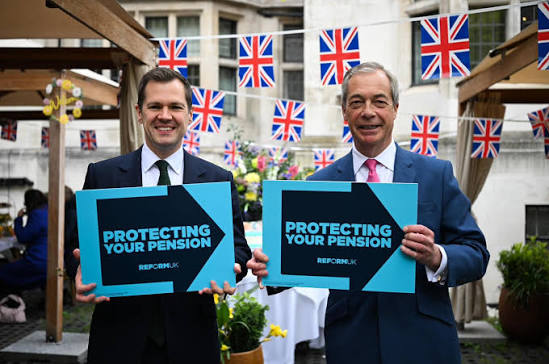
Palmer’s appointment instantly created an acute political controversy because it collided directly with Reform UK’s public manifesto commitments. Just days prior, on August 17, senior party leadership—including deputy leader Richard Tice and economic spokesperson Robert Jenrick—had staged a major welfare policy rollout promising sweeping reductions in public expenditure while guaranteeing absolute protection for the elderly.
                     REFORM UK’S POLICY CROSS-CURRENTS
                                     │
         ┌───────────────────────────┴───────────────────────────┐
         ▼                                                       ▼
  Public Leadership Pledge                               Economic Advisory Unit
 ──────────────────────────                             ─────────────────────────
 • "Protect our pensioners"                             • Abolish the 2.5% ratchet
 • Triple lock is non-negotiable                        • Move to targeted safety nets
 • Slashing £50bn from working-age                     • Free-market fiscal discipline
   welfare and administrative bloat                     • Reduce tax burden on enterprise
At the August 17 announcement, Tice explicitly pledged that Reform would “protect our pensioners and protect the triple lock.” The party unveiled aggressive plans to strip £50 billion a year from working-age benefits, disability support, and administrative overhead by 2030, arguing that the British state was hemorrhaging capital on economic inactivity.
The revelation that the party had brought on an adviser who viewed the state pension guarantee as mathematically untenable exposed the central tension at the heart of right-leaning populist politics: how to reconcile an agenda of radical state shrinkage and tax cutting with a core voter base composed disproportionately of state-pension recipients.
In response to the controversy, Reform UK spokespersons sought to downplay the appointment as evidence of intellectual vigor, remarking that the leadership “believes in hiring smart people with whom we disagree.” Yet political opponents, led by the governing Labour Party, seized on the records, asserting that Reform was quietly preparing the ground for an assault on universal entitlements.
A Cross-Party Fiscal Conundrum
The controversy surrounding Palmer is not an isolated fringe dispute. Across the political spectrum, the arithmetic of the triple lock is forcing an uncomfortable reckoning among policy architects.
Earlier in 2026, policy analyses published by the Tony Blair Institute for Global Change concluded that the cumulative escalation of state pension spending was crowding out capital investment in productivity, infrastructure, and preventive healthcare. Concurrently, Lord Jim O’Neill—the former Goldman Sachs chief economist and Treasury minister who has advised Prime Minister Andy Burnham—publicly urged the Labour administration to re-examine the fiscal sustainability of open-ended welfare guarantees in an era of sluggish productivity growth.
┌─────────────────────────────────────────────────────────────────────────────┐
│                 THE UK DEMOGRAPHIC PYRAMID: 1950 vs. 2026                   │
├──────────────┬─────────────────────────────┬────────────────────────────────┤
│ Metric       │ Post-War Era (1950s)        │ Modern Reality (2026)          │
├──────────────┼─────────────────────────────┼────────────────────────────────┤
│ Worker Ratio │ ~5.5 Workers per Pensioner  │ ~2.8 Workers per Pensioner     │
├──────────────┼─────────────────────────────┼────────────────────────────────┤
│ Life Expect. │ ~68–72 Years                │ ~81–84 Years                   │
├──────────────┼─────────────────────────────┼────────────────────────────────┤
│ Pension Time │ 3 to 7 Years in Retirement  │ 20 to 30+ Years in Retirement  │
├──────────────┼─────────────────────────────┼────────────────────────────────┤
│ Funding Type │ Pay-As-You-Go Tax Revenue   │ Pay-As-You-Go Tax Revenue      │
└──────────────┴─────────────────────────────┴────────────────────────────────┘
The underlying issue is structural demographic transition. When the British welfare state was established in the mid-20th century, the system was designed around a robust pyramid: over five active, tax-paying workers funded every retiree, and life expectancy beyond the state pension age was measured in single digits.
Today, that ratio has fallen below three workers per retiree, with projections pointing toward two to one within decades. Because the UK state pension operates entirely on a “Pay-As-You-Go” (PAYG) framework—where current benefits are paid directly out of current general taxation and National Insurance receipts rather than drawn from an invested sovereign wealth fund—every upward adjustment represents an immediate, non-negotiable claim on working-age income.
The Legislative Landscape: The Pension Schemes Act 2026
The debate over the state pension unfolds alongside systemic restructuring within the UK’s private pension sector. On April 29, 2026, the Pension Schemes Act 2026 received Royal Assent.
                       PENSION SCHEMES ACT 2026 REFORMS
                                       │
         ┌─────────────────────────────┼─────────────────────────────┐
         ▼                             ▼                             ▼
  DC Consolidation              DB Surplus Rules              Productive Finance
 ──────────────────            ──────────────────            ────────────────────
 • Master trusts must scale    • Easier return of            • Reserve powers for
   to ≥£25bn default funds       defined-benefit surpluses     mandated 10% growth assets
 • Automatic consolidation of    to sponsoring employers       and 5% UK allocations
   dormant small pots (<£1k)   • Framework for commercial     • Focus on productive infra
 • Value-for-Money standards     pension "superfunds"          and venture investments
The landmark statute introduced sweeping measures across trust-based and personal pensions:
-
Scale and Consolidation: Mandating that default investment arrangements within Defined Contribution (DC) master trusts achieve at least £25 billion in assets under management by 2030, while establishing automated “default consolidators” to merge millions of dormant micro-pots under £1,000.
-
Defined Benefit Flexibilities: Establishing regulatory frameworks for commercial DB “superfunds” and lowering statutory barriers for corporate sponsors to extract surplus capital from mature funds to reinvest in domestic enterprise.
-
The “Productive Finance” Mandate: Equipping ministers with reserve powers to require institutional pension managers to allocate up to 10 percent of default portfolios to high-growth private equity and infrastructure, with at least 5 percent ring-fenced for UK-based assets.
While the Pension Schemes Act 2026 sought to unlock private investment capital to revive economic stagnation, it left the state pension system untouched, highlighting the institutional reluctance in Westminster to reform statutory entitlements.
2. My Professional Perspective
===============================================================================
                     MY PROFESSIONAL PERSPECTIVE
       Investigative Analysis | By a 30-Year Foreign Correspondent
===============================================================================
The Geometry of the Political Trap
Over three decades covering elections, economic summits, and fiscal crises across three continents, I have witnessed few political mechanisms as structurally volatile as Britain’s triple lock.
In Westminster commentary, the debate is routinely presented as a moral showdown between compassion for the elderly and cold fiscal rectitude. That framing is intellectually bankrupt. What is actually taking place is a structural failure of democratic accountability, where short-term electoral survival has paralyzed long-term statecraft.
┌─────────────────────────────────────────────────────────────────────────────┐
│                    THE ASYMMETRIC RATCHET IN MOTION                         │
├──────────────┬──────────────┬──────────────┬──────────────┬─────────────────┤
│ Economic Era │ Wage Growth  │ CPI Inflation│ Formula Peak │ Ratchet Effect  │
├──────────────┼──────────────┼──────────────┼──────────────┼─────────────────┤
│ High Growth  │ 6.5%         │ 2.0%         │ 6.5% (Wages) │ Pension leaps   │
│ Stagflation  │ 3.0%         │ 10.1%        │ 10.1% (CPI)  │ Pension leaps   │
│ Stagnation   │ 1.0%         │ 1.2%         │ 2.5% (Floor) │ Pension outpaces│
└──────────────┴──────────────┴──────────────┴──────────────┴─────────────────┘
The core flaw of the triple lock is what econometricians term the “asymmetric ratchet.”
-
When the economy booms and real wages rise, pensions surge alongside wages.
-
When supply-chain shocks or energy crises trigger inflation while real wages fall, pensions leap to match inflation.
-
When both earnings and inflation collapse into stagnant equilibrium, pensions still rise by an arbitrary 2.5 percent baseline floor.
Over time, this formula means state pension outlays grow faster than the economy that funds them. It is not an insurance policy against poverty; it is an automatic escalator that perpetually expands the state pension’s claim on the national treasury.
Politicians across every party understand this dynamic. In private briefings at HM Treasury, senior civil servants describe the triple lock as a slow-motion fiscal disaster. Yet on the campaign trail, party strategists treat the policy as an untouchable sacred cow.
Why? Because in Britain’s first-past-the-post electoral system, citizens over sixty-five represent the most dependable, geographically concentrated, and high-turnout voting demographic in the nation. To propose reforming the triple lock is to invite electoral punishment.
What the Headlines Overlook: The “Wealth Mirage” and the Real Victims
The public discourse surrounding the triple lock suffers from a deep analytical distortion: the conflation of Britain’s retired population with a single, uniform socioeconomic class.
                             THE RETIREMENT INEQUALITY GAP
                                          │
         ┌────────────────────────────────┴────────────────────────────────┐
         ▼                                                                 ▼
  The Asset-Rich Cohort                                             The Basic-Rate Dependent
 ───────────────────────                                           ──────────────────────────
 • Own mortgage-free homes bought                                  • Zero private pension pots;
   during historic low-price eras                                    entirely reliant on state support
 • Beneficiaries of final-salary                                   • Hit immediately by energy,
   defined-benefit corporate schemes                                 food, and municipal price spikes
 • Triple lock functions as an unneeded                            • Triple lock is a vital survival
   annual capital bonus                                              line above extreme deprivation
Opponents of the triple lock frequently point to data showing that baby boomers hold an overwhelming share of private housing wealth, arguing that universal increases transfer wealth from struggling young renters to affluent homeowners. Conversely, defenders point to elderly pensioners unable to afford winter heating to justify the universal 2.5 percent floor.
Both arguments obscure the core policy failure: the triple lock is an exceptionally blunt, inefficient tool for poverty alleviation.
Because the triple lock applies universally across the board, an identical percentage increase is handed to a multi-millionaire with extensive defined-benefit corporate payouts as to a widowed pensioner in social housing who relies exclusively on the state safety net.
By tying up billions of pounds in universal percentage hikes, the government leaves itself with fewer resources to provide means-tested, targeted assistance to the most vulnerable pensioners—those who genuinely require supplemental winter fuel allowances, localized care packages, and targeted social services.
The Reform UK Contradiction: Libertarian Ideology Meets Working-Class Realities
The controversy over Mitchell Palmer’s appointment provides an instructive case study in the ideological contradictions roiling modern populist movements.
┌─────────────────────────────────────────────────────────────────────────────┐
│                   THE STRATEGIC REALITY OF REFORM UK                        │
├────────────────────────┬────────────────────────────────────────────────────┤
│ THE ECONOMIC WING      │ Classical Adam Smith Institute supply-siders who   │
│ (Jenrick, Palmer)      │ seek a small state, deregulation, and slashed      │
│                        │ corporate, welfare, and capital taxation.          │
├────────────────────────┼────────────────────────────────────────────────────┤
│ THE ELECTORAL COHORT   │ Older, working-class, post-industrial voters in    │
│ (The Gray Wall)        │ former manufacturing heartlands who depend         │
│                        │ entirely on the NHS and the state pension.         │
└────────────────────────┴────────────────────────────────────────────────────┘
Reform UK’s economic spokespersons attempt to present their program as a seamless blend of patriotism, small-government tax cutting, and national revitalization. But when an adviser like Palmer enters the tent, the underlying math breaks down.
You cannot balance the books while:
-
Slashing income taxes, business levies, and fuel duties;
-
Exempting the single largest and fastest-growing slice of welfare expenditure (state pensions) from fiscal scrutiny;
-
Pledging to radically reduce national borrowing.
To fund its proposed tax cuts and preserve the triple lock, Reform is forced to propose stripping £50 billion exclusively from working-age benefits, universal credit recipients, and disability claimants.
This approach creates an acute intergenerational fracture: it asks younger, working-age Britons—who face high rents, student loan deductions, and heavy tax burdens—to absorb steep cuts in public services and safety nets in order to finance an open-ended, compounding pension escalator for older cohorts.
The Unanswered Investigative Questions
As Britain moves toward its next fiscal framework, several critical questions remain unaddressed by both government ministers and opposition leaders:
┌─────────────────────────────────────────────────────────────────────────────┐
│                 CRITICAL UNANSWERED FISCAL QUESTIONS                        │
├────────────────────────┬────────────────────────────────────────────────────┤
│ 1. THE STAGFLATION     │ What occurs when inflation hits 8% while tax       │
│    SHOCK               │ receipts contract? What statutory services will    │
│                        │ the Treasury cut to fund the mandatory uplift?    │
├────────────────────────┼────────────────────────────────────────────────────┤
│ 2. THE TRANSITIONAL    │ If the triple lock is replaced with a double lock  │
│    SAFETY NET          │ (earnings vs. CPI), how will the state protect     │
│                        │ low-income pensioners with zero asset backing?     │
├────────────────────────┼────────────────────────────────────────────────────┤
│ 3. THE INTERGENERATION │ At what point does the tax burden on young workers │
│    BREAKING POINT      │ trigger an economic contraction, undermining the   │
│                        │ revenue base required to pay pensions altogether?  │
└────────────────────────┴────────────────────────────────────────────────────┘
The battle over Mitchell Palmer, Reform UK’s advisory appointments, and the future of the state pension is not a routine Westminster personnel dispute. It is the visible surface of a deep, structural struggle over the future of the British social contract.
A civilized society is judged by how it cares for its elderly. The men and women who have spent forty or fifty years working in factories, hospitals, schools, and offices have an absolute, non-negotiable right to security, warmth, and dignity in their final years. No civilized state can allow its retirees to be discarded to the vagaries of inflation.
Yet true political leadership requires distinguishing between the substance of retirement dignity and the dogma of an unsustainable mathematical formula.
The triple lock has served its historical purpose in correcting past neglect. But in its current, rigid form, it has become an engine of intergenerational division—a mechanism that threatens to pit children against parents, workers against retirees, and short-term political expediency against the long-term solvency of the state.
As economic pressures mount, demographic realities bite, and public services strain under competing demands, Britain must confront the fundamental question at the core of its democracy:
How can a nation build a pension system that guarantees absolute dignity for today’s retirees, without mortgaging the economic future, prosperity, and trust of the generations working to support them?