Péter Magyar sends first signals to Brussels – continuity instead of career change in Hungary? n1

Péter Magyar sends first signals to Brussels – continuity instead of career change in Hungary?
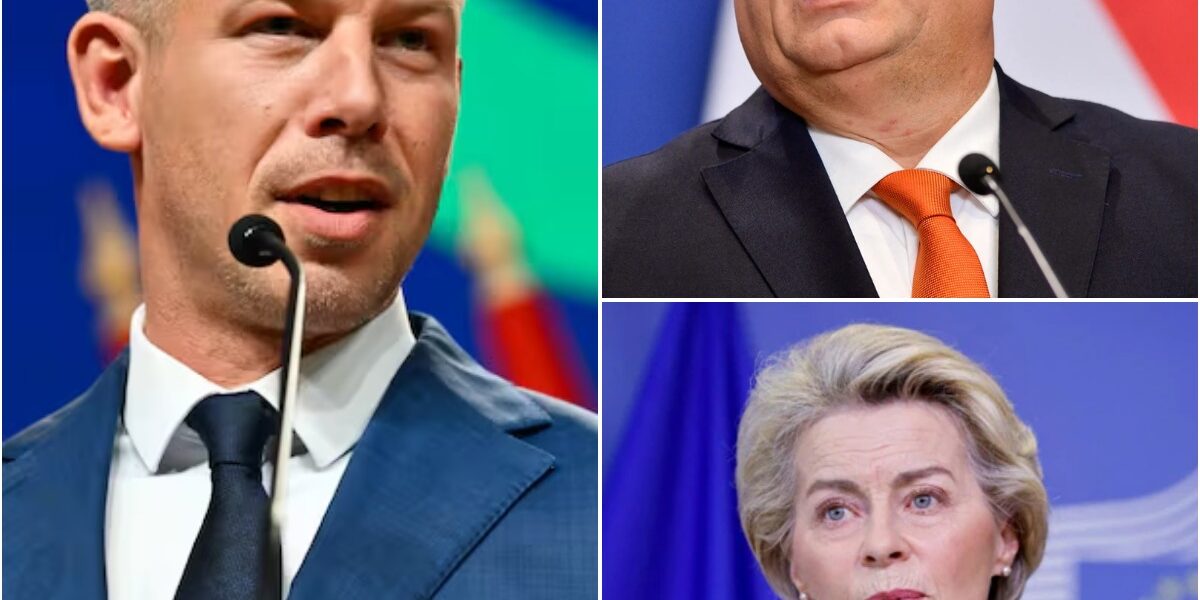
With the new Hungarian Prime Minister, Péter Magyar, taking office, Europe’s attention has once again turned to Budapest. Following the change of government, many expected Hungary to move closer to the political direction of the European Union. However, the first statements paint a more nuanced picture.
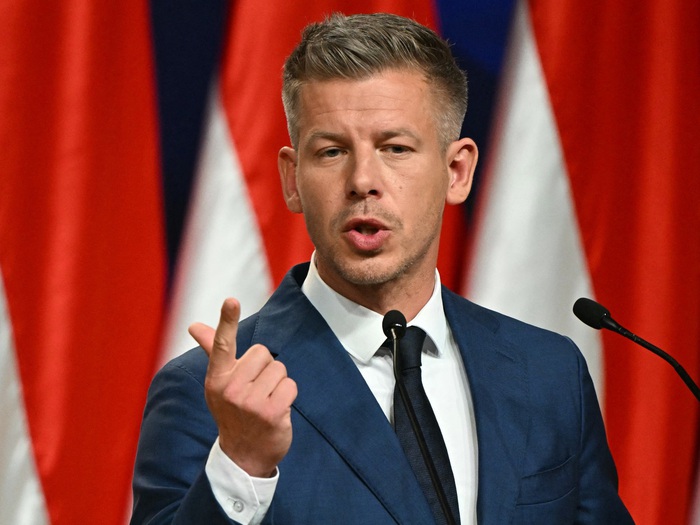
The financing of support for Ukraine is a key issue. Magyar has indicated that Hungary does not wish to participate in an EU loan program that would impose additional financial burdens on the country. He stressed that in the current economic situation, national interests take precedence.
This stance is strongly reminiscent of the policy of former Prime Minister Viktor Orbán, which often led to conflict with Brussels. While the European Commission is calling for burden-sharing, Budapest remains cautious about financial commitments.
Ukraine’s possible accession to the EU is a particularly sensitive issue. According to Magyar, a country at war cannot currently meet the accession conditions. This statement runs counter to the drive for the country’s faster integration.
There is no sign of a radical shift in energy policy either. Magyar supports the continued use of Russian energy sources – especially oil – if economically justified. He justifies this with price stability and security of supply.
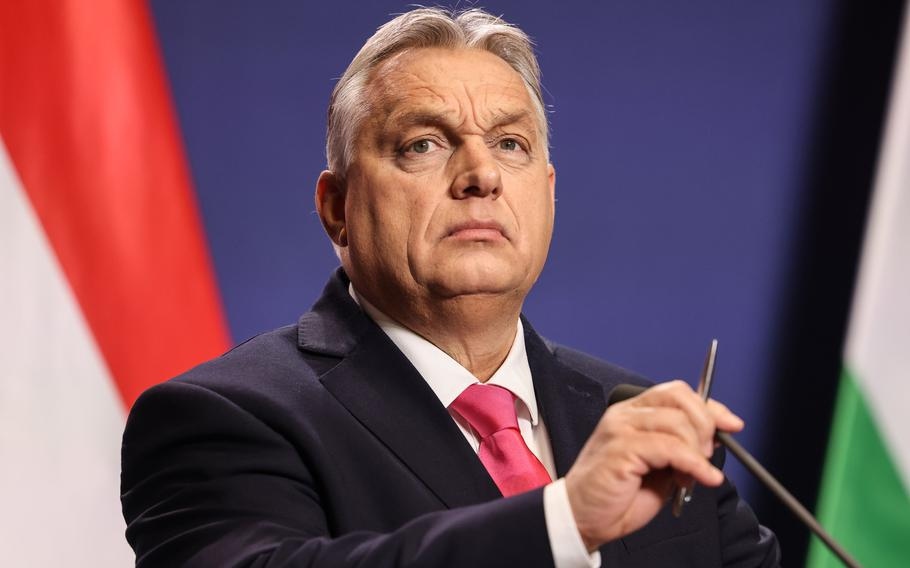
This approach can be considered pragmatic, but it differs from the strategies of several EU member states, which would quickly reduce their dependence on Russian energy sources. Hungary, on the other hand, prefers a gradual transition.
The position is also firm on the issue of migration. Magyar rejects the EU migration pact and would maintain border protection measures, including the southern border fence. This remains one of the main points of contention between Budapest and Brussels.
An important factor is also the issue of so-called frozen EU funds. Hungary is waiting for them to be released, while Brussels is attaching conditions to their payment. This creates a classic situation of political pressure.
This poses a serious strategic dilemma for Magyar. Expanding economic space would require resources, but excessive concessions could provoke domestic political criticism, especially on the issue of sovereignty.
An interesting change can be observed in the style of communication. While Orbán often struck a confrontational tone, Magyar is more restrained and diplomatic. However, the political content has remained similar in many respects.
This poses a new challenge for the European Union. It is more difficult to develop a political strategy with a leader who is less confrontational but represents similar positions than with an openly opposing government.
Overall, the change of government did not bring a clear change of direction. The coming months may be decisive in judging whether Péter Magyar will set Hungary’s relationship with the European Union on a new course, or whether previous tensions will continue in a new form.