
What’s Really Behind the “Islamic Law” Claims Spreading Across Social Media
A long-running debate over religious councils, women’s rights, and integration has resurfaced online, sparking fierce arguments about the true legal status of Sharia in Britain.
Social media feeds have recently filled with dramatic warnings that Britain is locked in a constitutional struggle over “Islamic law.”
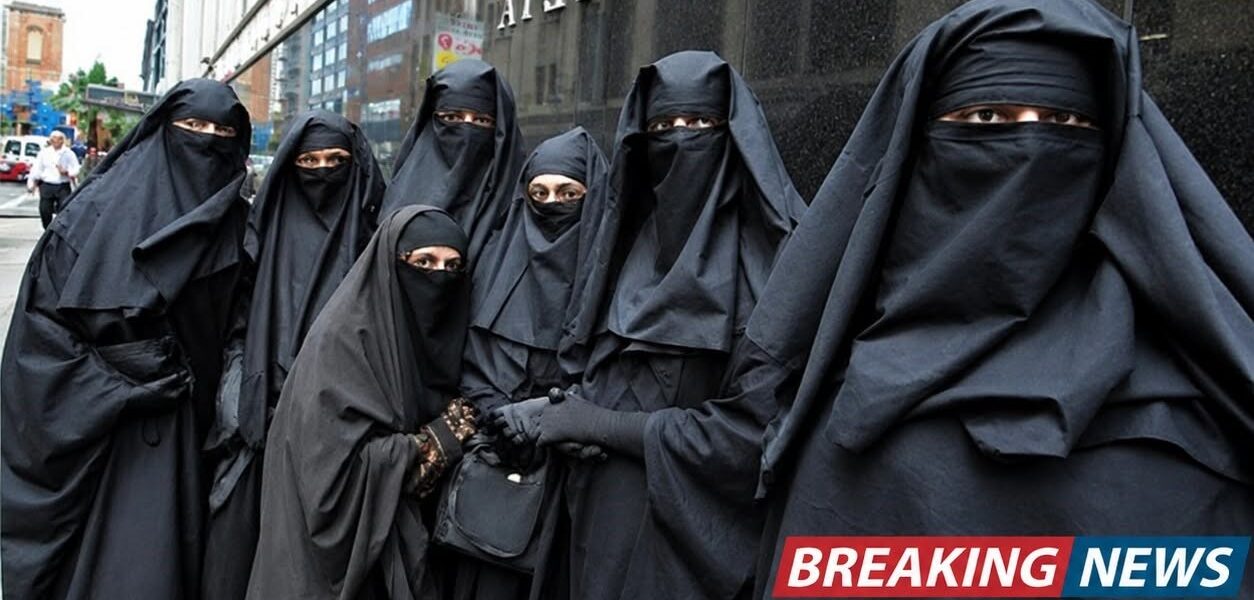
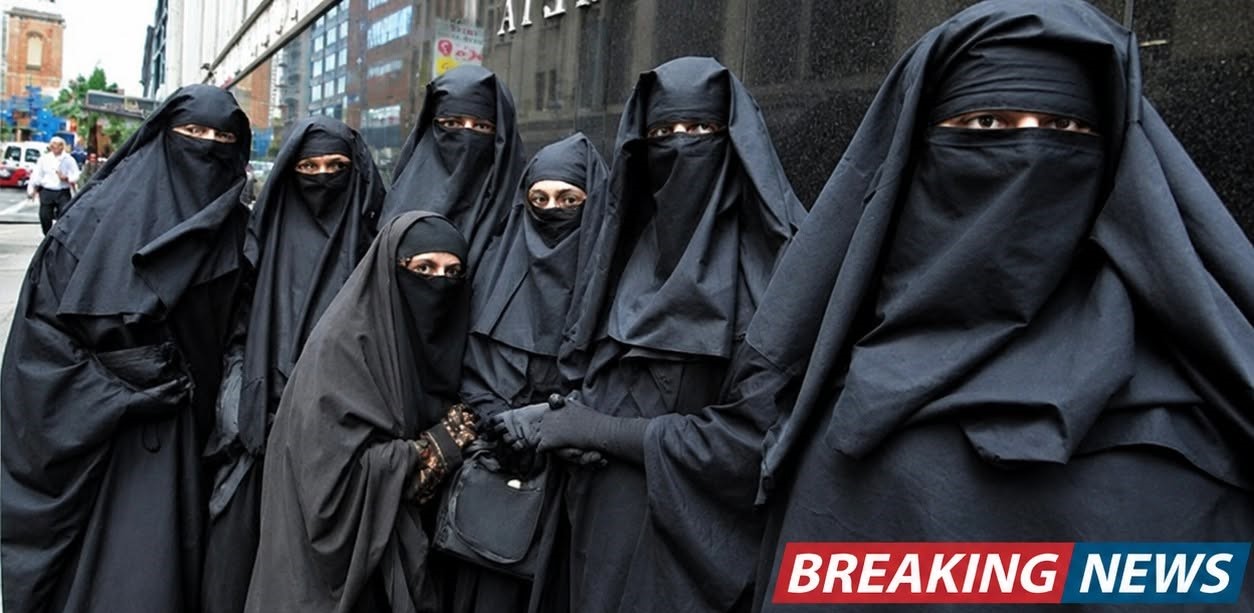
Viral posts often pair images of Muslim women in niqabs with claims that the nation is either on the verge of banning Sharia or fighting off an attempt to replace British law.
The reality on the ground is far more nuanced.
Official government statements, independent legal reviews, and parliamentary records confirm that Sharia law holds no official state jurisdiction in England and Wales.
British law remains supreme, and everyone living in the country is equally subject to national legislation regardless of their faith.
Yet, dismissing the entire debate as online fiction misses the genuine policy concerns raised by government-commissioned reviews regarding religious arbitration, women’s rights, and community integration.
The Legal Reality: Sharia Has No State Jurisdiction
The legal starting point under the British constitutional framework is remarkably clear.
The Home Office reiterated in March 2026 that Sharia law possesses no legal jurisdiction in England and Wales.
Everyone is equal before national law, and religious bodies operating as Sharia councils are entirely separate from the formal court system.
Their decisions carry no legally binding authority under civil law.
A religious council can provide spiritual advice to believers, much like Christian or Jewish religious institutions, but it cannot override an Act of Parliament.
These bodies cannot repeal legislation, overturn a criminal conviction, or strip anyone of their statutory rights.
The idea that Britain operates two parallel, equal legal systems is a misconception.
National law remains the sole sovereign framework governing all residents.
Why Sharia Councils Exist and How They Operate
Legal authority and religious authority serve entirely different purposes.
For many practising Muslims, a civil divorce granted by a state court satisfies legal requirements, but religious obligations may still bind them to the marriage spiritually.
Some individuals voluntarily approach Sharia councils to seek a religious divorce or guidance on inheritance and personal disputes.
Britain has a long history of permitting religious communities to manage their internal spiritual affairs.
The Ministry of Justice noted in parliamentary answers that it does not regulate consensual religious dispute resolution, provided ordinary legal rights remain accessible.
However, a crucial boundary separates voluntary spiritual guidance from formal legal arbitration.
While private arbitration is permitted under specific British statutes like the Arbitration Act 1996, even those processes must strictly adhere to national law and require mutual consent.
The Difference Between Legal Authority and Social Pressure
Government inquiries have shown that formal legal supremacy does not automatically eliminate all social challenges.
In 2016, the Home Secretary commissioned an independent review led by Professor Mona Siddiqui to examine how Sharia councils operated across England and Wales.
Published in 2018, the review did not find evidence of a takeover by an alternative legal system.
Instead, it documented complex social dynamics where individuals—particularly women—could experience informal pressures.
A person visiting a council voluntarily with full knowledge of their civil rights exercises personal religious freedom.
However, if someone fears community ostracism or lacks awareness of their statutory rights under British family law, informal social pressure can carry immense weight.
Critics argue that state policy must address these vulnerabilities, even when religious bodies lack formal statutory powers.
Marriage, Civil Law, and the Risk of Coercion
The most practical friction points often involve marriage and divorce proceedings.
An Islamic marriage ceremony, known as a nikah, holds deep religious meaning but does not automatically satisfy civil legal requirements unless properly registered.
When unregistered relationships dissolve, spouses may discover they lack standard civil protections and financial remedies.
The 2018 independent review recommended legislative adjustments to ensure civil marriages occur alongside or prior to religious ceremonies.
This change aims to guarantee that women retain access to civil divorce protections and property settlements.
Lawmakers continue to weigh these reforms to protect vulnerable participants without infringing upon freedom of worship.
Distinguishing Ordinary Faith From Extremism
Broader discussions surrounding integration and national identity often blur the lines between mainstream religious practice and political extremism.
Government guidelines explicitly state that the lawful exercise of religious belief, thought, and association does not constitute extremism.
Practising Islam, attending a mosque, following dietary rules, or seeking personal spiritual guidance are fully protected under British law.
At the same time, the government updated its counter-extremism framework to address ideologies that actively seek to undermine liberal parliamentary democracy.
Official documents carefully distinguish between ordinary Muslim communities and political Islamism.
Mainstream Muslims hold diverse political, ethnic, and theological views, meaning that extremist fringe movements do not represent the broader population.
Navigating the Delicate Balance of Religious Freedom
Balancing religious freedom with individual legal protections remains one of the most delicate challenges facing modern democracies.
Excessive state intervention in religious practices risks infringing upon legitimate worship, while a lack of oversight can leave vulnerable individuals exposed to informal coercion.
As Britain continues to evaluate its integration strategies, policymakers face the task of reinforcing civic cohesion, supporting English proficiency, and ensuring equal protection under the law.
The ongoing debate is ultimately less about a dramatic legal takeover and more about ensuring that every resident can fully exercise the rights guaranteed by the national legal framework.
Would you think that religious communities should be subject to stricter state oversight regarding internal dispute resolution?