
A single photograph can shatter everything we thought we knew about history. The black-and-white snapshots preserved in dusty archives, family albums, and museum collections often reveal a world far more complex, colorful, and surprising than the tidy narratives we learned in school. These vintage images force us to re-examine assumptions about technology, fashion, social norms, and daily life in bygone eras. They remind us that the past was not a monochrome stage populated by stiff-backed figures, but a vibrant, dynamic, and sometimes jaw-dropping reality.
Consider the classic image of a group of Victorian women cycling through a park in long skirts and high-necked blouses. At first glance, it seems quaint and conservative. But look closer. The women are riding bicycles, a symbol of liberation at the time. Their clothing, while modest by today’s standards, was considered radical for allowing freedom of movement. That single photograph repositions the late 1800s not as a stuffy, corseted era, but as a time of quiet rebellion, when women were already pushing against societal constraints. It is a small but powerful window into a world that was changing faster than many history books suggest.
Then there are the images that challenge our timeline of technology. A sepia-toned photograph from the 1890s shows men in bowler hats standing next to an early electric streetcar. Another from the 1910s captures a young woman operating a typewriter with remarkable speed, her desk cluttered with papers and a telephone receiver pressed to her ear. These pictures remind us that many conveniences we associate with the mid-20th century were already emerging decades earlier. The gap between “old” and “new” is often much narrower than we imagine. A vintage image of a crowded city street in 1925, filled with automobiles, buses, and pedestrians, looks startlingly modern in its energy and chaos—save for the period clothing and the absence of smartphones.
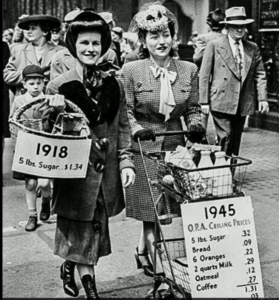
Fashion, too, becomes a source of constant surprise. The cliché of drab, uniform clothing before the 1960s dissolves the moment you look at actual vintage photographs. Edwardian ladies in extravagant hats trimmed with feathers and flowers. Flappers in fringe and sequins smoking cigarettes with abandon. Zoot-suited men in the 1940s with exaggerated shoulders and wide-legged trousers. These images show a deep, playful engagement with style that contradicts the gray, conservative image often assigned to earlier periods. Even in the midst of economic hardship, people found ways to express individuality through their appearance.
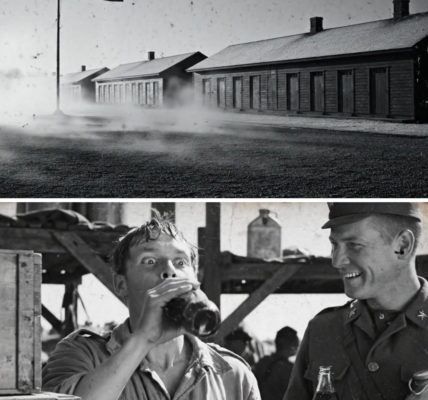
Perhaps the most rethinking occurs when we look at pictures of everyday life. A photograph of a 1930s family picnic might include a phonograph playing music, a basket of homemade sandwiches, and children playing with toys that look surprisingly like modern versions. An image from a rural schoolhouse in 1910 shows children of various ages crammed onto wooden benches, their faces bright and curious. It is easy to romanticize or demonize the past, but these candid glimpses force us to see that human emotions—joy, curiosity, fatigue, ambition—are constant across time. The settings change, but the core experiences of childhood, work, love, and leisure remain remarkably recognizable.
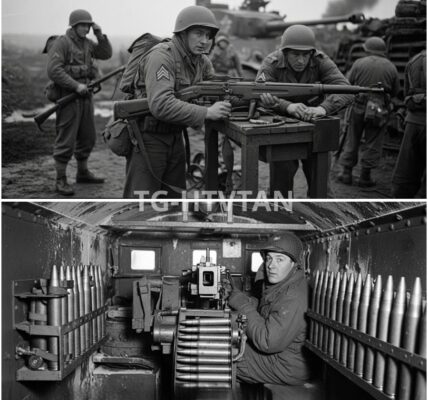
Even war photography, often grim and distant, contains moments that redefine our understanding. A snapshot from World War I shows soldiers joking with a stray dog in a muddy trench. Another from World War II captures Londoners sleeping in the Underground during the Blitz, but with children smiling and families huddled together with blankets and books. These images humanize conflict in a way that statistics and official reports never can. They show resilience, humor, and the small acts of normalcy that persist in the worst of times.
The power of vintage images lies in their ability to stop time and demand a second look. They are not just historical documents; they are mirrors that reflect our own preconceptions. When we see a 1915 photograph of a woman driving a car or a 1940s advertisement for a computer the size of a room, we realize that innovation and social change do not follow a neat, linear path. The past is full of anomalies, surprises, and forgotten achievements.

These unbelievable vintage images—whether of a Victorian child on a tricycle, a 1920s jazz band with a female drummer, or a 1950s family watching television on a tiny screen—invite us to question the story we tell ourselves about history. They remind us that the people who came before us were not so different. They laughed, dreamed, and adapted to rapidly changing circumstances, just as we do today. The next time you scroll past an old photograph, pause and look closer. You might just find that the past is a stranger, and more familiar, place than you ever imagined.