
UK Home Office Accused of Data Manipulation Over Stated Migration and Deportation Figures
The Labour government is facing intense backlash as political opponents and data analysts accuse the Home Office of conflating statistics to exaggerate its success in curbing illegal immigration and managing the asylum system.
The Controversy Behind the Migration Statistics
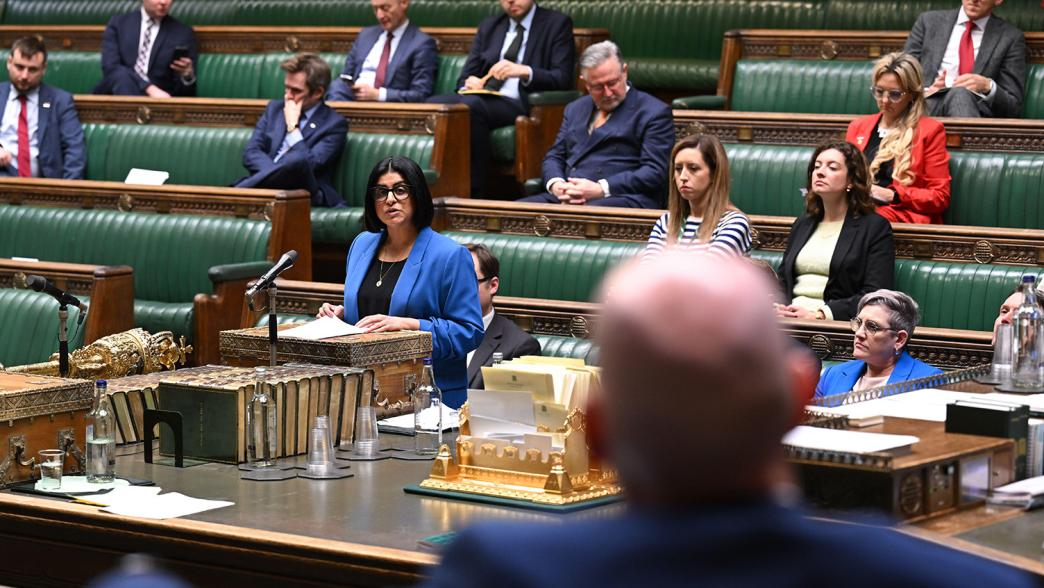
The UK Home Office and Home Secretary Shabana Mahmood are under heavy scrutiny following the release of the latest national migration data.
What began as a government promotional campaign celebrating border control milestones has quickly devolved into a heated political row over transparency and statistical accuracy.
Critics from across the political spectrum argue that official statements have deliberately blurred the line between forced removals and voluntary departures, creating a misleading impression of the administration’s effectiveness at managing Britain’s borders.
The dispute highlights the immense political sensitivity surrounding immigration policy in the UK, where public trust in official data remains precarious.
What the Government Claimed
The firestorm erupted after the Home Office published a summary detailing major achievements in immigration enforcement.
The promotional figures highlighted three core areas:
-
A 50% reduction in asylum seekers housed in commercial hotels over the past year.
-
A 40% increase in immigration crime disruptions.
-
Over 80,000 criminal and immigration offenders returned or deported since July 2024.
Home Secretary Shabana Mahmood defended the data, pointing to tangible progress in restoring order to a strained system.
“A little over two years into office, and the asylum backlog is down, the number of asylum seekers in hotels is falling, illegal working arrests are at record levels, and deportations and returns are up markedly,” Mahmood stated, emphasizing that the government is successfully restoring control at the border and fairness to the system.
Why Critics Say the Numbers Do Not Add Up
Independent commentators and political opponents quickly examined the underlying data tables, uncovering discrepancies that challenged the narrative presented in the headline figures.
The most intense criticism focuses on the headline figure of 80,286 criminal and immigration offenders returned or deported.
A closer analysis of the official statistical breakdown reveals that this total combines both enforced deportations and voluntary departures.
Enforced returns accounted for just 19,622 individuals, while the overwhelming majority of the reported total consisted of individuals who left voluntarily.
Critics argue that bundling voluntary departures into a deportation headline creates a false equivalence, masking the much lower number of actual forced removals.
The Debate Over Hotel Reductions and Hidden Housing
Another major point of contention involves the government’s claim of a 50% reduction in asylum seekers housed in hotels.
While the number of individuals living in hotels has dropped, data analysts point out that many asylum seekers have not exited the state-funded system.

Instead, individuals are being relocated into Homes in Multiple Occupation (HMOs), local authority social housing, and disused military barracks distributed across regional communities.
Critics argue this administrative transfer merely shifts the logistical and financial burden from commercial hotels to local infrastructure, noting that an estimated 93,000 individuals remain supported at taxpayers’ expense.
Furthermore, analysts noted that the reported drop in small boat channel crossings closely mirrors a broader 40% reduction in irregular migration recorded across continental Europe, including France.
Detractors argue the government is claiming credit for broader continental trends rather than direct policy victories.
Political Fallout and the Wider Debate on Border Trust
The data dispute exposes a deeper vulnerability for the Labour administration as it attempts to demonstrate competence on one of the country’s most volatile political issues.
For the government, communicating progress is essential to assuring voters that border policies are working.
For critics, the controversy reinforces the perception that political spin frequently overshadows objective reality.

As parliamentary scrutiny increases, the pressure will remain on the Home Office to provide absolute clarity regarding how migration statistics are compiled, reported, and evaluated.
How should governments balance political communication with transparent statistical reporting when addressing complex public issues like immigration?