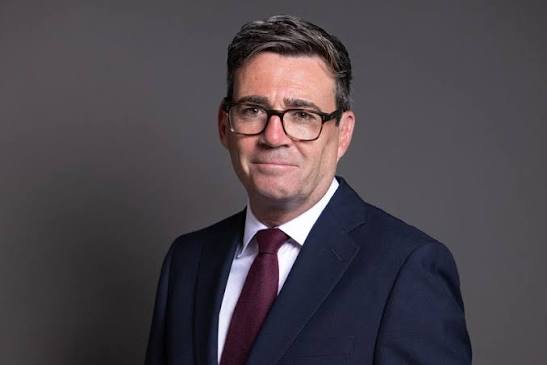

Only 21% of UK Voters Still Call Brexit a Success as Pressure Mounts on Prime Minister Andy Burnham
A sweeping new national poll reveals that nearly six in ten Britons view leaving the EU as a failure, handing Downing Street a pragmatic mandate to dismantle long-standing red lines.
LONDON — Just 21 percent of British voters now consider Brexit more of a success than a failure, according to a landmark national survey that threatens to upend Downing Street’s European strategy.
The findings, published by the non-partisan think tank British Future, show that 57 percent of the public views the departure from the European Union as a failure.
Crucially for Prime Minister Andy Burnham, the research indicates the British electorate has moved substantially beyond the cautious restrictions inherited from Sir Keir Starmer’s administration.
A clear 56 percent majority now actively supports forging a closer relationship with the EU even if it breaches Labour’s long-standing “red lines”—rules that explicitly bar returning to the European single market, joining the customs union, or restoring freedom of movement.
With Burnham preparing to attend his first major summit with European leaders since taking office, the data reveals a fundamental shift: the public appetite for European cooperation is now moving far faster than government policy.
The Mandate for Closer Ties
The comprehensive study, conducted by Number Cruncher Politics among 3,007 UK adults between June 2 and June 16, 2026, sketches a portrait of a country eager for economic and geopolitical pragmatism.
Beyond the 56 percent who favor crossing Labour’s manifesto boundaries, another 10 percent back closer alignment as long as those red lines remain intact.
Only 16 percent of respondents want to maintain the current arm’s-length arrangement or pull the UK even further away from Europe, with the remainder undecided.
Taken together, two-thirds of the electorate now favor deeper institutional engagement with Brussels.
“Voters have given the Prime Minister pragmatic permission to seek closer ties with Europe,” said Sunder Katwala, director of British Future.
Katwala noted that while the electorate is clearly fatigued by the friction of the post-Brexit settlement, politicians still face thorny trade-offs. Any meaningful realignment will eventually force ministers to confront sensitive domestic questions surrounding immigration, regulatory sovereignty, and financial contributions.
Rejoin Holds the Lead, but Caution Lingers
When presented with a straight choice on the overarching constitutional question, the balance of opinion tilted heavily back toward Europe.
According to the survey:
-
46 percent said they would vote to rejoin the European Union.
-
29 percent said they would vote to stay out.
-
25 percent remained undecided.
That gives the rejoin camp a commanding 17-point lead across the full representative sample.
Yet underneath the headline figure lies a electorate wary of reigniting the poisonous domestic culture wars of 2016.
When asked about the timing of another national vote, only 34 percent favored holding a fresh referendum as soon as possible. Another 28 percent supported putting the question to the country at a later date, while 21 percent opposed ever holding another referendum and 16 percent remained unsure.
Rather than demanding an immediate constitutional showdown, millions of voters appear to want functional, day-to-day repairs to Britain’s fractured relationship with its largest trading partner.
British Future segmented respondents into five distinct attitudes, discovering that more than four in ten voters occupy a “movable middle.”
While 22 percent are ideologically committed to rejoining and 19 percent remain resolute Brexiteers, the vast middle tier is driven by practical outcomes rather than European federalist sentiment. They want lower grocery prices, frictionless travel, and stronger security, but they remain cautious about full political integration.
Youth Mobility: The Easiest First Step
The strongest consensus emerged around restoring cross-border life chances for young people.
A striking 57 percent of respondents endorsed a reciprocal youth mobility scheme, which would allow British and EU citizens aged 18 to 30 to live, study, and work across borders for a limited duration. Only 12 percent opposed the concept.
Unlike the open-ended freedom of movement that defined Britain’s four decades inside the EU, modern youth mobility schemes are tightly governed.
They typically incorporate strict age cutoffs, fixed two-to-three-year visas, numeric quotas, and restrictions on tapping public welfare funds.
Because support for the policy extends well beyond those who want to rejoin the EU entirely, cross-party MPs believe it offers Burnham an immediate, low-risk victory at the upcoming European summit.
Labour MP Andrew Lewin urged Downing Street not to drag its feet during upcoming negotiations. Lewin described finalizing a reciprocal youth mobility deal as one of the government’s most urgent foreign policy priorities before the year ends.
Broad support was not limited to young travelers:
-
62 percent backed negotiating closer trade ties to ease supply chains.
-
57 percent supported structured defense and security pacts.
-
Clear majorities favored formal cooperation on public health coordination and agricultural standards.
The Battle Inside Downing Street
The findings arrive at a pivotal moment for Burnham, who entered 10 Downing Street pledging a more confident, forward-looking posture on the international stage.
Burnham has consistently signaled a desire to be bolder than his predecessor. Under Starmer, Labour maintained a rigid stance designed to reassure former “Red Wall” voters that the party had abandoned its past efforts to reverse the 2016 referendum.
That posture resulted in a strict policy platform: no single market, no customs union, no freedom of movement, and no rejoining the bloc.
Downing Street officials have insisted that those manifesto commitments remain binding for the duration of this parliament. The Prime Minister is attempting to negotiate mutual recognition of professional qualifications, streamlined veterinary inspections, and defense cooperation while remaining inside boundaries that rule out the most economically impactful arrangements.
The polling suggests that self-imposed caution may no longer match where the British public actually stands.
Pressure is mounting from across the political spectrum:
-
Former Labour leader Neil Kinnock has publicly urged Burnham not to remain trapped by outdated manifesto pledges that throttle economic growth.
-
London Mayor Sadiq Khan has argued that the question of full EU membership must formally return to the political agenda after the next general election.
-
Former Conservative minister Nick Boles has drafted an alternative blueprint calling for single-market participation, defense integration, and deep mobility pacts, arguing that closer alignment represents the defining dividing line in modern British politics.
The Practical Costs Driving Public Realignment
The shift in public sentiment reflects years of compounding economic friction.
Small exporters have faced mountains of red tape, border inspection fees, and customs delays since the Trade and Cooperation Agreement took effect. Independent fiscal watchdogs have repeatedly estimated that leaving the single market reduced UK long-term productivity growth by several percentage points.
Meanwhile, leaving freedom of movement did not bring about the low-immigration economy promised by Leave campaigners in 2016. Net migration from non-EU countries surged to historic highs in the years that followed, creating acute pressures on local housing and public services without delivering European labor flexibility.
For voters in the “movable middle,” ideological arguments about Westminster sovereignty have gradually given way to balance-sheet calculations.
Fewer than one in four citizens believe the divorce delivered on its promises. As inflation and sluggish wage growth continue to strain household finances, voters are increasingly asking why the government refuses to pull the easiest economic lever available.
What Happens Next
The Prime Minister faces a delicate diplomatic test in the coming weeks.
European leaders have welcomed Burnham’s warmer rhetoric, but Brussels has spent years repeating a foundational rule: third countries cannot “cherry-pick” the benefits of the single market without accepting its responsibilities.
If Burnham seeks significant trade relief without offering reciprocal mobility or accepting common regulatory standards, European negotiators are unlikely to make sweeping concessions.
The British Future poll gives Burnham the political cover he needs to act boldly. The domestic fear that any concession to Brussels would trigger an electoral backlash appears increasingly detached from the views of everyday voters.
The central question is no longer whether the British public is willing to re-engage with Europe.
The question is whether Andy Burnham is willing to abandon inherited dogmas and use the mandate his voters have just handed him.
Should the British government prioritize economic growth by rejoining the single market, or is protecting complete regulatory independence more important?