Jim Chalmers said nothing was wrong. Public backlash forced him to write the widow tax fix. u1

The Anatomy of an Unintended Tax: Inside Canberra’s Scramble Over the ‘Widow Tax’
In the machinery of federal policy, speed often acts as the enemy of foresight. When the Australian Government passed its signature housing tax package earlier this winter, the reforms were framed as an overdue leveling of the playing field for prospective first-home buyers. Yet embedded within the dense statutory text was a structural blind spot that rapidly spiraled into a fierce political controversy: the unintended elimination of grandfathered tax concessions for surviving spouses, divorcing couples, and victims of family violence.
Treasury’s release of exposure draft legislation to abolish the so-called “widow tax” represents an effort to repair that drafting flaw. However, with public consultation spanning into late August and the underlying tax framework set to take full effect in mid-2027, the dispute has ignited an unexpected crossbench coalition in the Senate and exposed the vulnerabilities of rushed fiscal lawmaking.
The Origin of the Drafting Flaw
The controversy stems from legislative changes to negative gearing and capital gains tax (CGT) discount provisions. Under the primary legislation passed in late June, residential investment properties acquired before the federal budget were intended to retain their existing tax treatment under grandfathering rules.
However, under the strict wording of the Income Tax Assessment Act, legal ownership transfers—including when a surviving spouse inherits a deceased partner’s 50% share of a jointly owned asset, or when property is divided under a Family Court consent order—were legally categorized as new acquisitions. Consequently, an estimated 680,000 jointly owned properties risked losing their grandfathered tax status purely due to a change in legal title triggered by death, divorce, or domestic separation.
Key Political Figures and Timeline of the Standoff
-
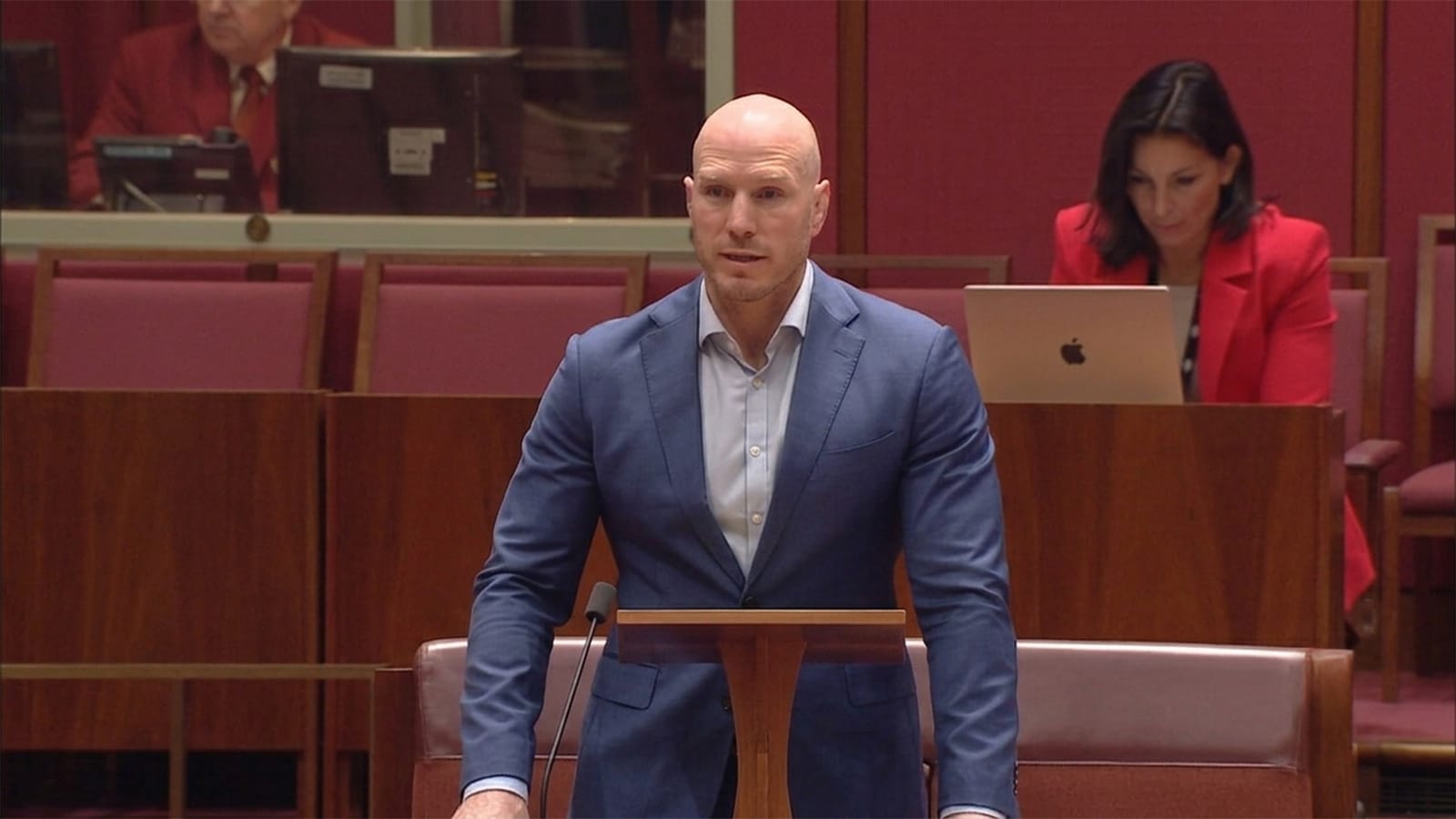
Independent Senator David Pocock: Identified the statutory flaw during early Senate inquiries, warning that the automatic cancellation of grandfathered status would disproportionately harm women navigating relationship breakdowns or bereavement. Pocock initially withdrew floor amendments following government assurances that remedial legislation would follow.
-
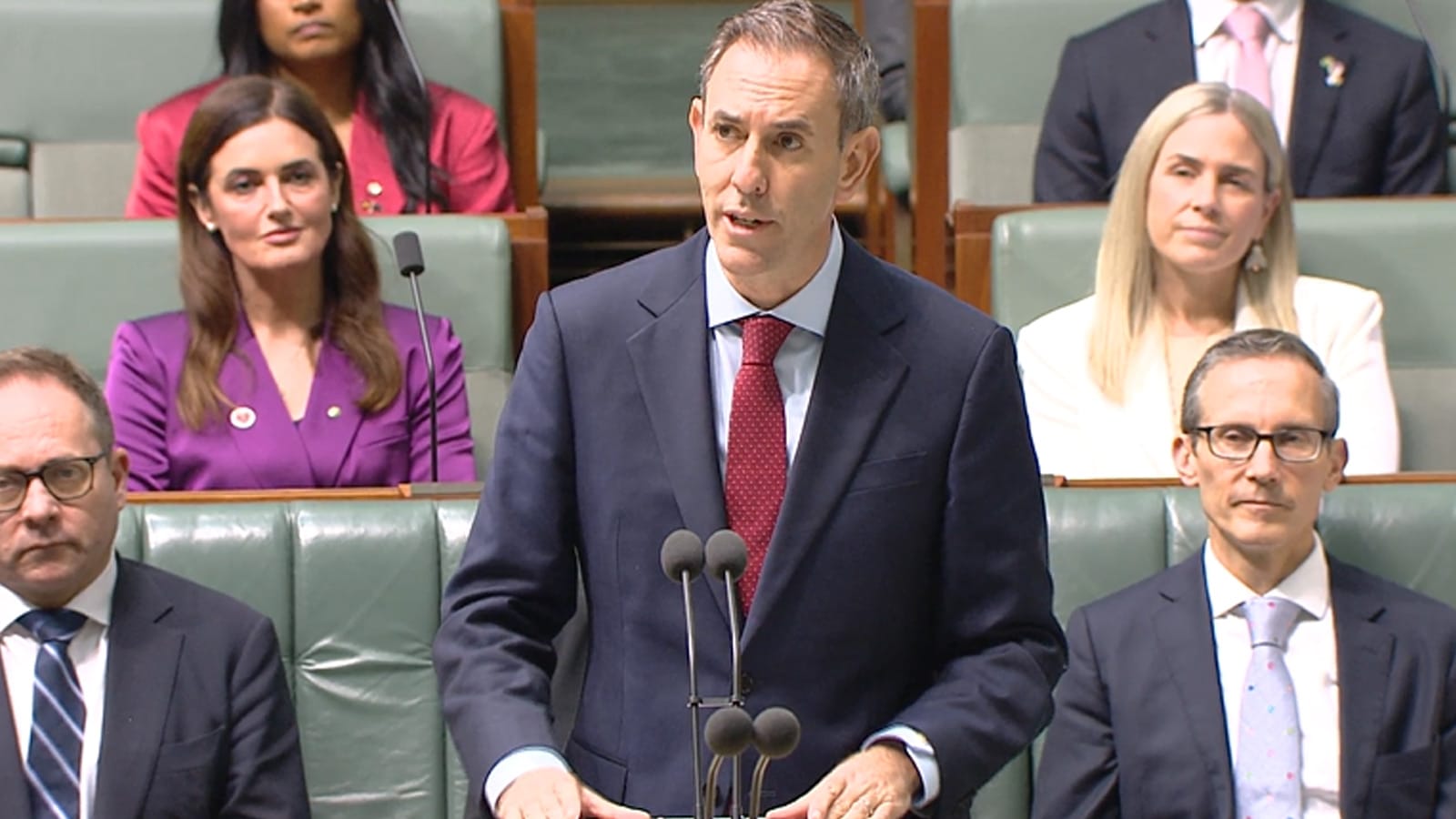
Treasurer Jim Chalmers and the Executive: Initially defended the baseline arrangements through senior ministers as standard administrative practice before undertaking to resolve the issue via secondary legislation.
-
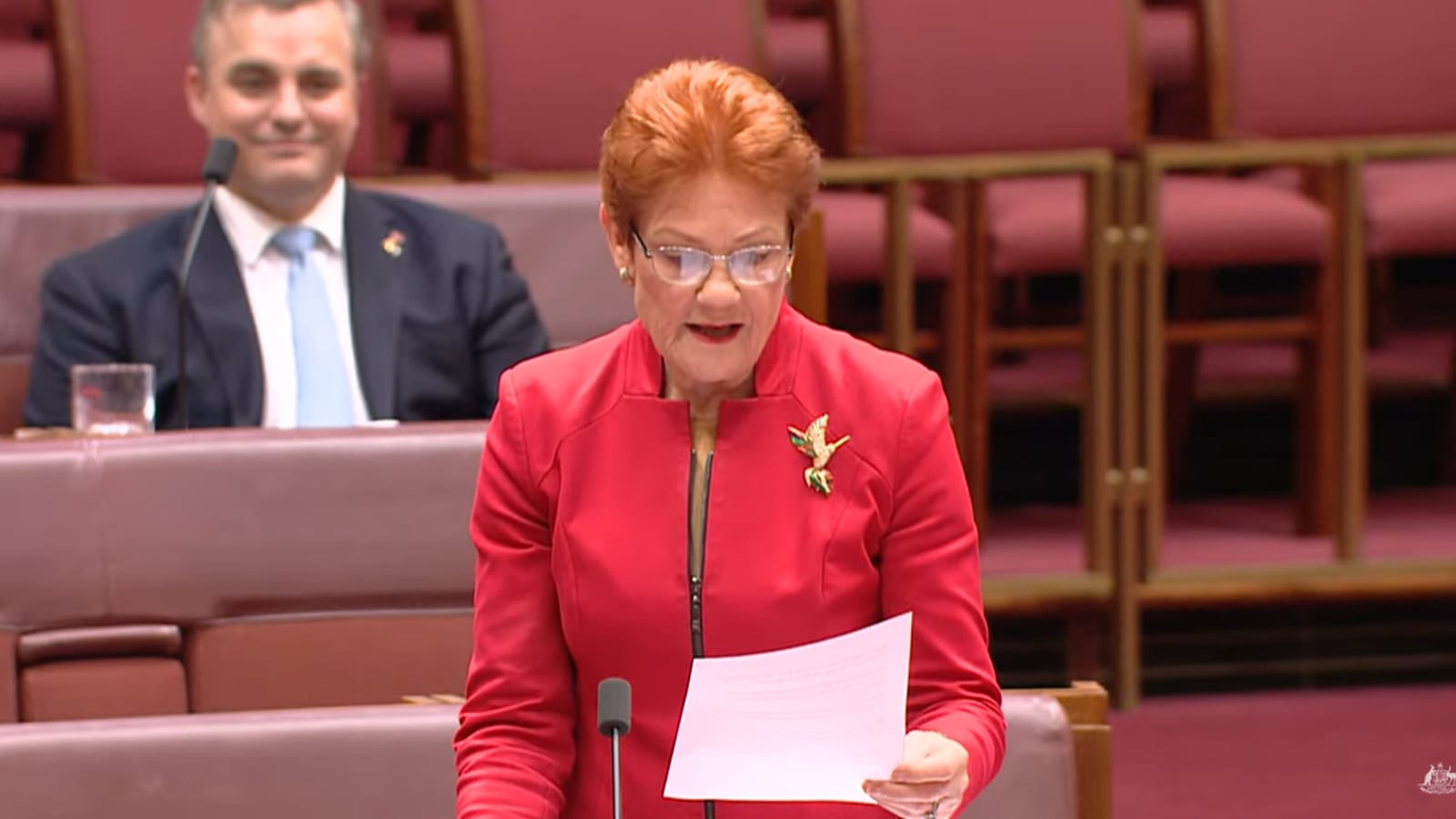
One Nation Leader Pauline Hanson: Broke ideological ranks to publicly back Pocock’s push on the Senate floor, uniting with the Coalition, the Greens, and independent crossbenchers to maintain pressure on the executive for an immediate legislative remedy.
The Legislative Fix: What Treasury’s Draft Proposes
Treasury released draft exposure legislation containing four proposed additions to the Income Tax Assessment Act designed to restore pre-budget grandfathering protections:
-
Proposed Section 26-156 (Surviving Spouses): Treats a surviving husband or wife inheriting a deceased spouse’s share of a property as having acquired it before budget night, preserving negative gearing and capital gains concessions.
-
Proposed Section 26-157 (Surviving Non-Spousal Co-Owners): Extends equivalent acquisition protections to joint owners who are siblings, business partners, or friends, provided both held their original interests prior to the budget cutoff.
-
Proposed Section 26-158 (Divorce and Relationship Separation): Ensures that when property title is transferred pursuant to a Family Court order, financial agreement, or arbitral award, the recipient is treated as having acquired the asset under the pre-budget rules.
-
Proposed Section 26-159 (Capital Gains Harmonization): Extends the grandfathered acquisition rules across the capital gains tax provisions, ensuring that apportionment formulas do not trigger punitive tax events upon future disposal.
Immediate Impact on Lending and Settlements
While the draft legislation is open for public consultation, legal and financial institutions must operate under the law as currently enacted. Independent senators and family law practitioners have highlighted cases where individuals undergoing property settlements have faced sudden pre-approval withdrawals from retail lenders unable to factor unlegislated draft amendments into formal serviceability assessments.
2. My Professional Perspective
In thirty years of investigating policy and parliamentary tactics, the “widow tax” episode represents a textbook case of what occurs when fiscal urgency collides with the intricate reality of family property law.
The Blind Spot of Revenue-Driven Drafting
When governments draft major economic bills with compressed timelines to meet forward-estimate revenue targets—such as the projected billions from negative gearing adjustments—the drafting focus is overwhelmingly aggregate and macroeconomic.
In that environment, statutory definitions of “acquisition” are treated as uniform legal transactions. The structural failure was not malice; it was institutional insulation. The drafting process failed to consult the family law practitioners, estate planners, and probate specialists who manage property title transfers during life-altering personal crises.
┌─────────────────────────────────────────────────────────────────────────┐
│              THE TRANSITIONAL GAP IN PROPERTY SETTLEMENTS               │
├─────────────────────────────────────────────────────────────────────────┤
│                                                                         │
│   PARLIAMENTARY STATUS                 BANKING & LENDING REALITY        │
│   ┌─────────────────────────────┐      ┌─────────────────────────────┐  │
│   │ • Primary Law Passed.       │      │ • Assesses risk ONLY on     │  │
│   │ • Draft Fix in Consultation.│ ───► │   enacted statutory law.    │  │
│   │ • Fix unpassed until sittings│     │ • Pre-approvals revised or  │  │
│   │   resume and bills clear.   │      │   denied during settlement. │  │
│   └─────────────────────────────┘      └─────────────────────────────┘  │
│                                                                         │
└─────────────────────────────────────────────────────────────────────────┘
The Real-World Friction of Legislative Lag
The critical detail frequently overlooked in political reporting is the operational gap between an exposure draft and an enacted statute.
To Canberra, a promise to fix legislation in a subsequent sitting session is viewed as a resolved issue. But to credit risk committees at commercial banks and registrars in the Federal Circuit and Family Court, a ministerial draft possesses zero statutory force. Until royal assent is formally granted, loan serviceability models must assess the taxpayer under the harsher statutory default.
For Australians navigating contested divorces or estate executions right now, that bureaucratic delay has tangible financial and emotional costs.
The Strategic Alignment of the Crossbench
The unusual alignment between progressive independents, One Nation, the Greens, and the Coalition highlights a permanent shift in how the Senate operates. Minor parties and crossbenchers recognize that procedural amendments addressing specific human stories provide immense leverage over an executive operating without an absolute upper house majority. By anchoring the debate to vulnerable constituents, the crossbench transformed an obscure tax drafting error into a high-stakes test of executive accountability.
Key Questions That Remain Unanswered
-
Retrospective Relief: Will the final enactment include explicit statutory mechanisms to indemnify individuals who were forced to liquidate assets or forfeit settlements while the legislation remained in draft form?
-
Broader Systemic Reviews: Are there other areas within recent tax legislation where technical definitions of “change in beneficial ownership” inadvertently trigger unintended tax liabilities for vulnerable cohorts?
The battle over the “widow tax” serves as an enduring reminder of why rigorous legislative scrutiny cannot be treated as an optional luxury. While economic reforms are often presented in broad macroeconomic strokes, their true impact is measured in the quiet, difficult moments of citizens’ lives—at hospital bedsides, during estate divisions, and across family court tables.
Public policy is only as sound as its execution in the most vulnerable scenarios it touches. Correcting this statutory oversight is an essential step, but the episode highlights a broader institutional lesson: when governments rush complex tax law, the burden of finding the flaws inevitably falls upon the very people least equipped to shoulder the cost.
When national policy moves at parliamentary speed, how can our institutions ensure that the legal protections promised on paper survive the unpredictable realities of human life?