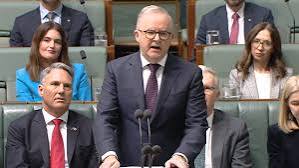
Anthony Albanese was asked to apologise twice in the House and answered neither question. u1

The Architecture of Deflection: Behind Canberra’s Melon Gaffe and the Double Standard of Parliamentary Morality
The floor of the Australian Parliament became an echo chamber of evasions as the Albanese government faced intense scrutiny over diplomatic decorum, taste, and the politics of respect.
Over the course of a single afternoon, across two legislative chambers and five separate formal questions, neither Prime Minister Anthony Albanese nor Foreign Minister Penny Wong answered whether an apology would be extended to Japanese Prime Minister Sanae Takaichi.
┌────────────────────────────────────────────────────────────────────────┐
│                        PARLIAMENTARY QUESTION LOG                      │
├────────────────────────────────────────────────────────────────────────┤
│ HOUSE OF REPRESENTATIVES                                               │
│ • Question 1 (Mary Aldred MP): Asked if PM will apologise to Takaichi  │
│   → Albanese Response: "Reject the assertion", pivoted to trade & cyber │
│ • Question 2 (Mary Aldred MP): Stripped-down one-sentence apology ask  │
│   → Albanese Response: Cited Mogami frigates; sat down before ruled on │
├────────────────────────────────────────────────────────────────────────┤
│ SENATE                                                                 │
│ • Question 1 (Senator Dave Sharma): Advised PM to apologise for gestures│
│   → Wong Response: Accused Coalition of confecting diplomatic dispute  │
│ • Supplementary 1 (Senator Dave Sharma): Quoted Amb. Shingo Yamagami   │
│   → Wong Response: Deflected; highlighted personal attendance at Nara  │
│ • Supplementary 2 (Senator Dave Sharma): Steps taken to protect pact   │
│   → Wong Response: Reasserted comments were mischaracterised           │
└────────────────────────────────────────────────────────────────────────┘
The controversy originates from an episode of the Bush Deep podcast, recorded inside The Lodge and hosted by comedian Nikki Osborne. Discussing diplomatic gifts, Mr. Albanese referenced two prized Shizuoka Crown Melons presented to him during Prime Minister Takaichi’s official visit to Australia.
During the exchange, the Prime Minister made hand gestures in front of his chest while commenting that “she brought two, as you do,” prompting the host to remark that the Japanese leader “came in looking like Pamela Anderson”.
To date, the only formal apology on record from the appearance was a brief written statement issued by the Prime Minister’s Office regarding a separate segment of the podcast, in which Mr. Albanese apologized “unequivocally” for comments made during a game about pop star Kylie Minogue.
The Clashes on the Floor
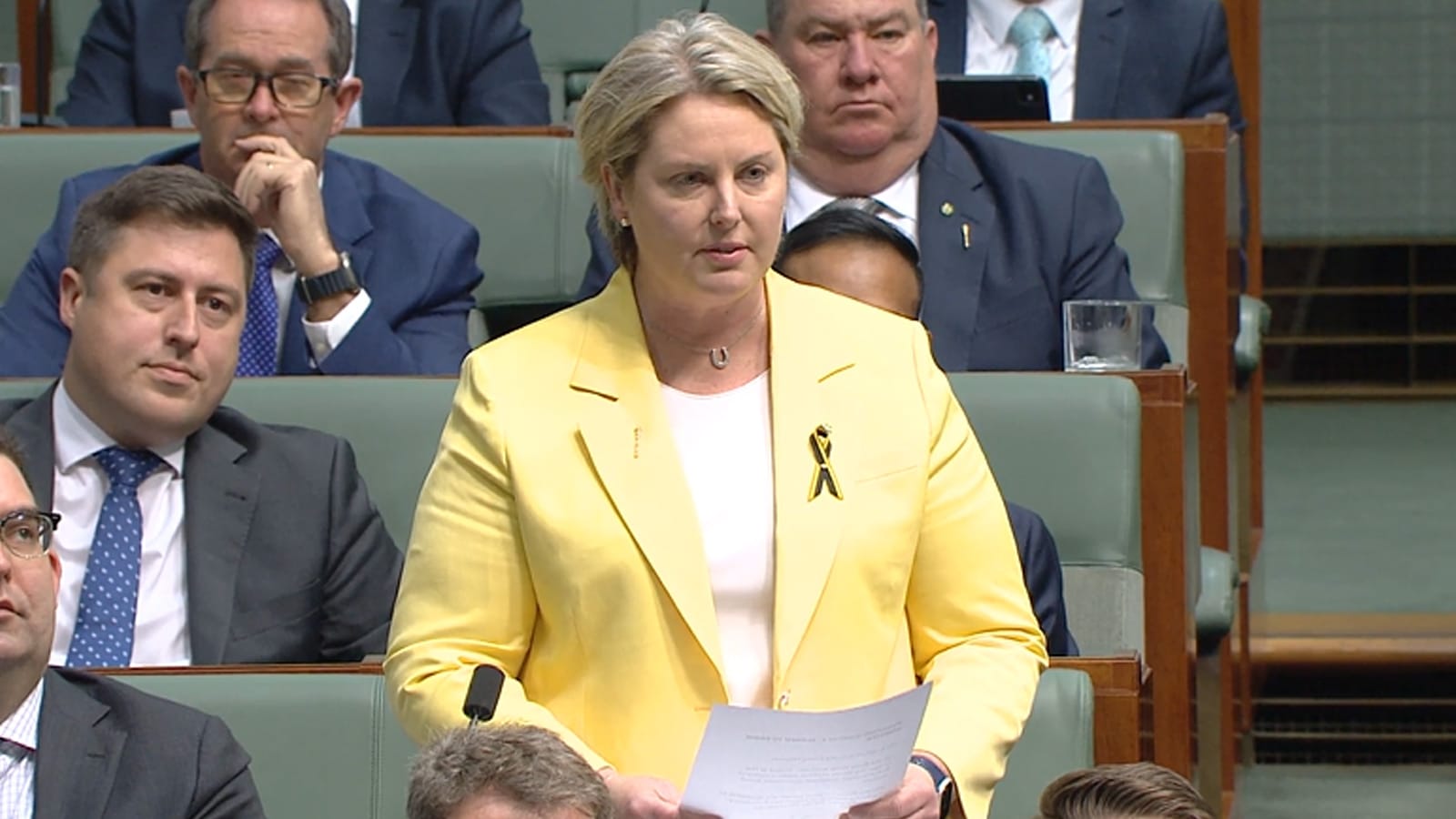
The opposition launched its attack in the House of Representatives when Mary Aldred, the Member for Monash and Opposition Whip, challenged the Prime Minister directly, characterizing the podcast remarks as “a series of foul-mouthed, classless comments about women” and demanding to know if he would personally apologize to Prime Minister Takaichi.
“I reject the assertion in the question.”— Anthony Albanese, Prime Minister of Australia
Mr. Albanese then diverted his response entirely to institutional defense: detailing the bilateral joint declaration on economic security, supply chains, critical minerals, and strategic cyber partnerships. Following an interjection and a formal warning from Speaker Milton Dick to Member for Casey Aaron Violi, the Prime Minister added only that Ms. Takaichi was “a friend of Australia and a friend of mine” without mentioning an apology.
Eleven minutes later, Ms. Aldred rose to repeat the question in its simplest form: “Will the Prime Minister apologise to the Prime Minister of Japan for his disrespectful behaviour?”
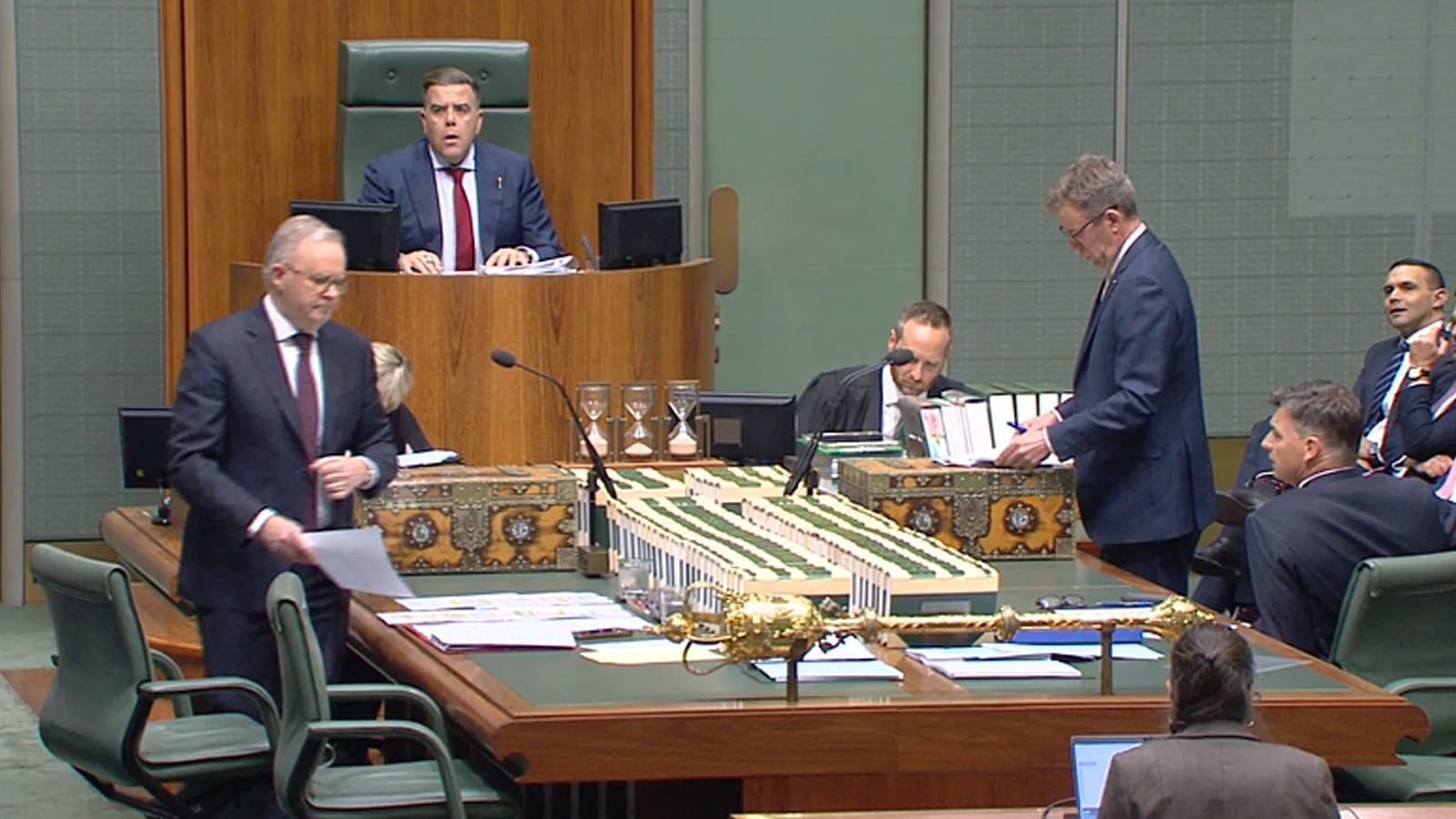
Mr. Albanese began recounting diplomatic summits before pivoting to naval defense procurement: “The relationship has meant that, with purchases such as the Mogami frigates in Defence, that is…”
Before Manager of Opposition Business Dan Tehan’s point of order on relevance could be formally ruled upon, Speaker Milton Dick noted that the Prime Minister had chosen to resume his seat, abruptly terminating his answer.
The Senate Defense
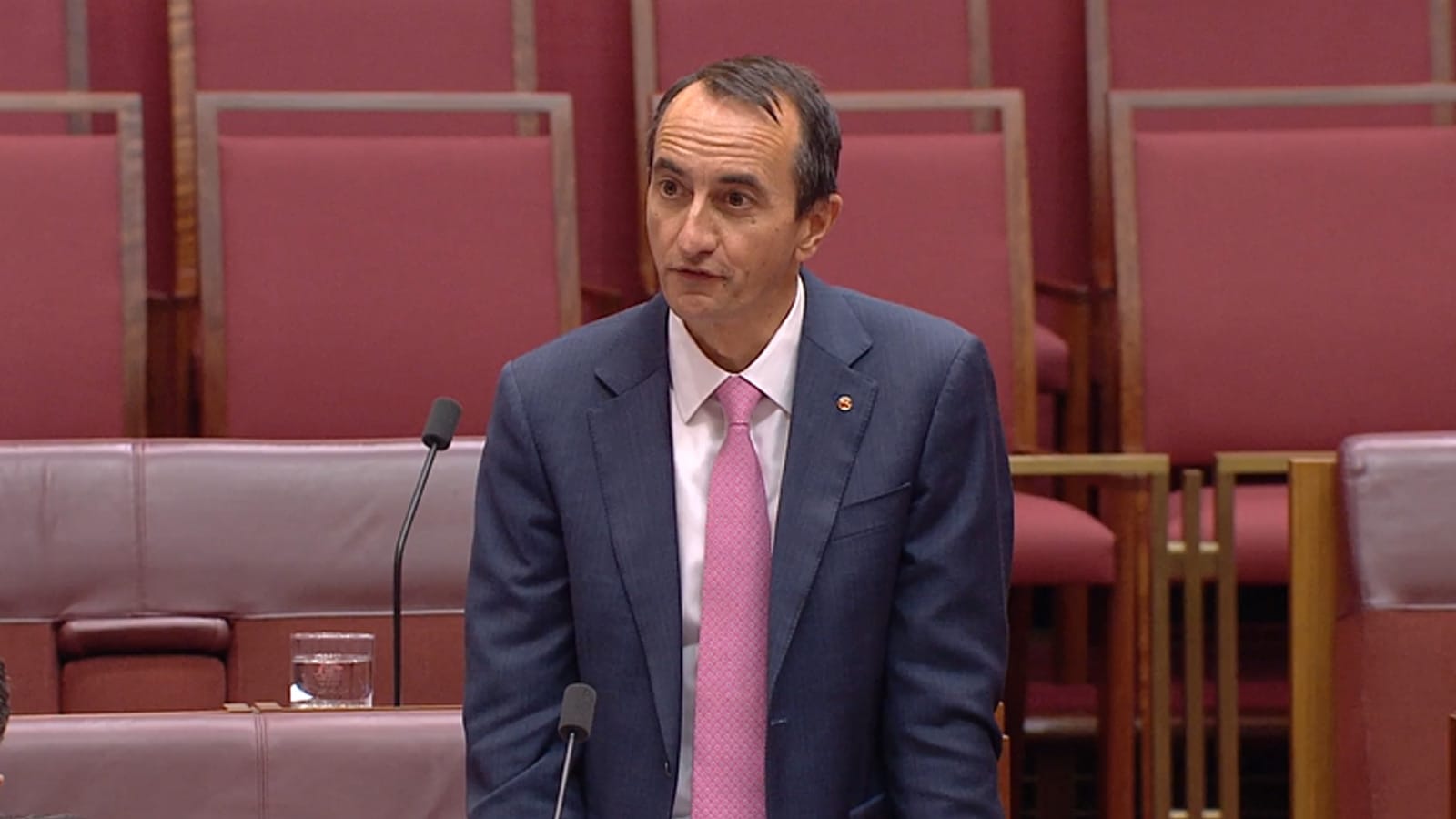
Parallel pressure in the upper house yielded an identical wall of resistance. Liberal Senator Dave Sharma pressed Foreign Minister Penny Wong three times on whether she had formally advised the Prime Minister to apologize.
"I am disappointed that those opposite are so desperate to score
political points that they seek to confect a diplomatic issue to do so."
— Senator Penny Wong, Minister for Foreign Affairs
Senator Wong countered by highlighting her seven official visits to Japan and her working relationship with Japanese Foreign Minister Toshimitsu Motegi.
When Shadow Minister for Employment Michaelia Cash interjected across the chamber—“Have you told the PM as the Foreign minister to apologise?”—Senator Wong dismissed the query, asserting that Senator Cash was demonstrating why she no longer held the shadow foreign affairs portfolio.
Senator Sharma pressed further, citing former Japanese Ambassador to Australia Shingo Yamagami, who had publicly lamented that the Japanese leader was “casually mocked by the trusted leader of Japan’s special strategic partner”.
Senator Wong did not address the substance of the critique, noting instead that she had personally delivered the keynote address at the 50th anniversary of the basic treaty of friendship and cooperation (the Nara Treaty)—an event former Ambassador Yamagami noted the Prime Minister did not attend.
Echoes of 2012: The Standard of Interpretation
The government’s primary defense rests on the assertion that the podcast remarks have been misinterpreted. Finance Minister and Minister for Women Katy Gallagher stated on ABC Radio National Breakfast that she accepted the Prime Minister’s assurance that his remarks were misreported, remarking of the hand gestures: “I’ll let other people make their judgements about it.”
Senator Wong reinforced this in the Senate, asserting that the Prime Minister “has been clear that he did not mean for those comments to be interpreted in the way they have been by those opposite”.
This stance stands in stark contrast to the standard Labor enforced during the 2021 Brittany Higgins debates, where senior ministers argued that the impact of a leader’s behavior toward women could not simply be dismissed as a matter of interpretation.
┌────────────────────────────────────────────────────────────────────────┐
│                   HISTORICAL PARALLEL: THE 2012 VOTE                   │
├────────────────────────────────────────────────────────────────────────┤
│ Date: October 9, 2012                                                  │
│ Motion: Removal of Speaker Peter Slipper over crude text messages     │
│ Result: Motion defeated 70–69 (Labor government held numbers)          │
│ • Voted to retain Slipper: Anthony Albanese, Tanya Plibersek,          │
│   Julie Collins                                                        │
│ • Context: Precursor to Julia Gillard's famed "Misogyny Speech"        │
└────────────────────────────────────────────────────────────────────────┘
The rhetorical playbook mirrors events from October 9, 2012, when the Gillard government voted 70 to 69 to protect Speaker Peter Slipper from removal over sexually explicit text messages. Anthony Albanese, Tanya Plibersek, and Julie Collins all voted to retain him.
That division served as the immediate catalyst for Julia Gillard’s internationally renowned “Misogyny Speech”—a defensive parliamentary masterstroke that successfully repelled a motion against her own Speaker by turning the lens onto Tony Abbott’s record.
================================================================================
                       INVESTIGATIVE MEMORANDUM
         SUBJECT: The Melon Protocol & Parliamentary Defensive Strategy
         ANALYST: Senior Diplomatic & Political Correspondent
================================================================================
When you spend three decades watching Question Time, you learn that the words spoken into the parliamentary microphone are rarely the real story. The story lives in the evasions, the strategic pivots, and the body language of cabinet solidarity.
The “Crown Melon” incident is not merely an isolated political gaffe over an ill-judged comedy podcast. It is an illuminating case study in the mechanics of political self-preservation and the asymmetrical standards of modern political discourse.
                   THE ANATOMY OF A PARLIAMENTARY DEFLECTION

    [ "Will the Prime Minister apologize for his conduct?" ]
                               │
                               ▼
    ┌────────────────────────────────────────────────────────┐
    │ 1. Categorical Rejection: "Reject the assertion"       │
    └──────────────────────────┬─────────────────────────────┘
                               │ Pivot away from behavior
                               ▼
    ┌────────────────────────────────────────────────────────┐
    │ 2. Institutional Shielding: Frigates, Critical Minerals│
    └──────────────────────────┬─────────────────────────────┘
                               │ Reframe the accuser
                               ▼
    ┌────────────────────────────────────────────────────────┐
    │ 3. Counter-Attack: "Confected political outrage"       │
    └────────────────────────────────────────────────────────┘
1. The Weaponization of Strategic Procurement as a Shield
When Anthony Albanese was asked a direct, one-sentence question regarding basic diplomatic courtesy toward the leader of Australia’s most critical Asian partner, his instinct was to talk about Mogami-class guided missile frigates.
Consider the sheer cynicism of that maneuver.
In Westminster politics, when a leader answers an ethical question with a defense procurement statistic, it is an admission that the conduct itself is indefensible on its merits. By invoking heavy defense architecture, joint cyber pacts, and multi-billion-dollar security agreements, the Prime Minister attempted to elevate the conversation beyond personal accountability.
The implicit argument presented to the public is clear: How can you question my manners when I am buying warships and securing critical mineral supply chains?
Yet diplomacy does not function solely on contractual terms. In Japanese political culture, the presentation of Shizuoka Crown Melons—meticulously cultivated luxury fruits that represent hundreds of hours of artisanal care—is a gesture steeped in deep respect and high-tier bilateral friendship.
To treat such a gift as casual comedy banter on a domestic podcast demonstrates a blind spot in statecraft. Pivoting to frigate procurements does not repair that cultural fracture; it merely underscores a transactional worldview.
2. The Collapse of the “Non-Negotiable Standard”
The most significant takeaway from this episode is the total collapse of the moral framework that Labor constructed during its years in opposition.
Between 2018 and 2022, senior Labor figures—most notably Penny Wong and Katy Gallagher—built a formidable political apparatus around the principle of cultural accountability. They argued that:
-
Words spoken by powerful men have real cultural weight.
-
Intent does not negate impact.
-
The standard of respect toward women is absolute, not situational.
Yet, when the perpetrator is the leader of their own faction and government, that absolute standard softens into subjective relativism.
Senator Gallagher’s radio defense—“I’ll let other people make their judgements about it”—is a phrase no opposition minister would have tolerated during the previous parliament. It represents a classic ministerial retreat: transforming a standard that was once insisted upon as a binding ethical baseline into a matter of partisan perspective.
┌──────────────────────────────────────────────────────────────────────────┐
│                      THE DOUBLE STANDARD CONTINUUM                       │
├───────────────────────┬──────────────────────────────────────────────────┤
│ The Opposition Metric │ Intent is irrelevant; impact defines the offense.│
│ (2018–2022)           │ Leadership must be held strictly accountable.   │
├───────────────────────┼──────────────────────────────────────────────────┤
│ The Government Metric │ Comments were "misinterpreted" or "confected."   │
│ (Present)             │ Nuance, context, and intent suddenly matter.     │
└───────────────────────┴──────────────────────────────────────────────────┘
3. The Silence of the Cabinet Benches
Observe the growing coalition of voices demanding accountability:
-
The Coalition: Angus Taylor, Jane Hume, Michaelia Cash, Ted O’Brien.
-
The Crossbench: Teal Independent Dr. Monique Ryan.
-
The Right: Barnaby Joyce.
-
Former Statesmen: Tony Abbott.
-
Diplomatic Veterans: Former Ambassador Shingo Yamagami.
The only individuals defending the Prime Minister are the men and women who sit at his cabinet table.
This is not principled alignment; it is cabinet discipline. It mirrors the exact parliamentary mechanics of October 2012. When survival is on the line, political parties will vote as a bloc, craft rhetorical deflections, and protect their leader at all costs, betting that the public’s attention span will expire before their political capital does.
In the high-stakes arena of international diplomacy and national politics, saying “I was wrong, and I apologize” is often framed as a fatal sign of weakness. Political strategists warn that an apology concedes the ground, hands a scalp to the opposition, and invites further attacks.
So instead, prime ministers pivot to naval frigates, foreign ministers accuse opponents of confected outrage, and the Hansard record fills with non-answers.
Yet respect in public office is not measured by the multi-billion-dollar treaties a nation signs; it is revealed in how its leaders behave when the official cameras are turned off and the podcast microphones are switched on. When casual disrespect is brushed away with bureaucratic arrogance, the damage does not disappear—it simply accumulates under the floorboards of our public institutions.
As the dust settles over this exchange, Australians are left to ponder a question that goes to the heart of our democratic health:
If the standards of dignity, respect, and personal accountability change depending on which party holds the treasury benches, did those standards ever truly exist at all?