
The Far East Entourage: Inside Sadiq Khan’s Asian Trade Mission and the Cost of Mayoral Diplomacy
The Long-Haul Mission to Tokyo and Singapore
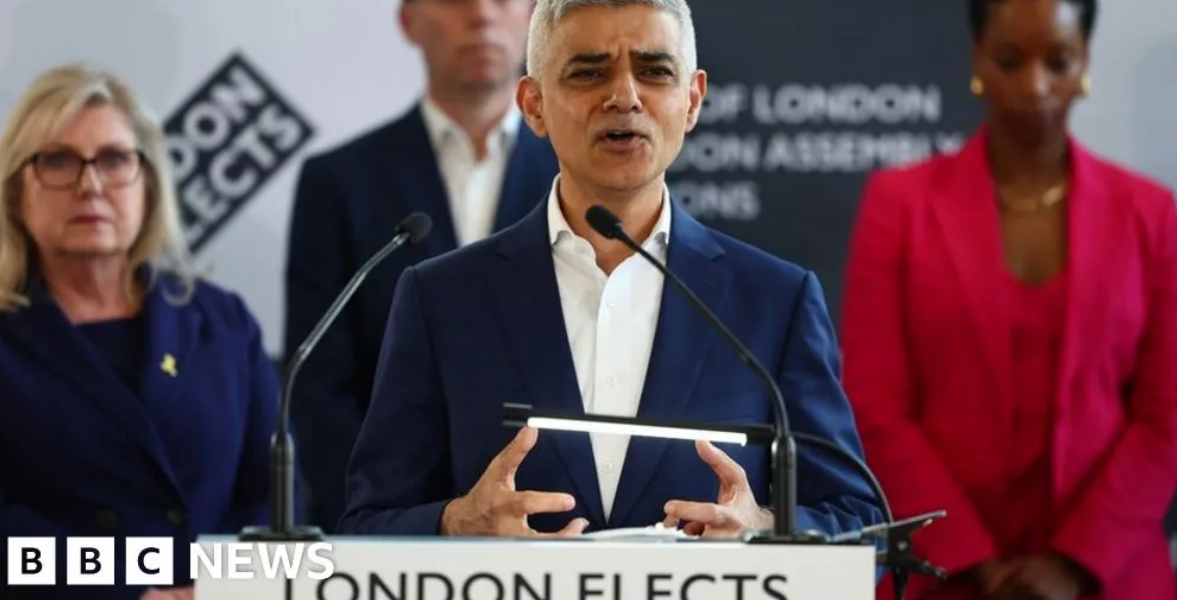
In June 2026, Mayor of London Sir Sadiq Khan boarded an overseas flight heading east toward Singapore and Tokyo. Billed as a high-stakes trade and investment mission, the journey marked the first official Mayoral visit to Singapore since 2014 and to Japan since 2015.
================================================================================
                    SADIQ KHAN'S 2026 ASIAN TRADE MISSION
================================================================================
  METRIC / ITEM              OFFICIAL METRICS & DELEGATION
--------------------------------------------------------------------------------
  Destinations               Singapore & Tokyo, Japan
  City Hall Entourage        9 Greater London Authority (GLA) Staff Members
  Business Delegation        28 London-Based Companies (Fintech, Cyber, Creative)
  Key Milestones             Lee Kuan Yew World City Prize Lecture (Singapore)
                             London–Tokyo Games Accelerator Launch (Japan)
                             £7m "London Open for Business" Marketing Campaign
================================================================================
The primary objective presented by City Hall was straightforward: court foreign investment, forge bilateral technological partnerships, and signal to the Asia-Pacific market that London remains open for business in a post-Brexit landscape.
Joining the Mayor was a curated delegation of 28 London-based scale-ups spanning the financial technology, cybersecurity, and creative technology sectors—split evenly with 14 firms participating in the Singapore leg and 14 in Japan under the Grow London Global banner.

While in Singapore, Khan delivered the Lee Kuan Yew World City Prize lecture at the World Cities Summit, celebrating London’s recognition as the 2026 World City Prize laureate. Moving on to Tokyo, the Mayor met with major real estate developers Mitsui Fudosan and Mitsubishi Estate, attended executive roundtables with the British Chamber of Commerce in Japan (BCCJ), and launched the London–Tokyo Games Accelerator to link British creative talent with Japanese gaming giants.
┌─────────────────────────────────────────────────────────────────────────────┐
│                        DELEGATION & MISSION STRUCTURE                       │
├─────────────────────────────────────────────────────────────────────────────┤
│                                                                             │
│   [MAYORAL ENTOURAGE]           [BUSINESS DELEGATION]                       │
│   Sadiq Khan + 9 GLA Staff      28 High-Growth Tech & Creative Scale-ups    │
│   (Advisors, Press, Logistics)  (14 in Singapore / 14 in Tokyo)              │
│                                                                             │
│   [SINGAPORE LEG]               [TOKYO LEG]                                 │
│   - World Cities Summit         - BCCJ Fireside Chat                        │
│   - World City Prize Lecture    - Games Accelerator Launch                  │
│   - £7m Marketing Campaign      - Real Estate & Transport Summit            │
│                                                                             │
└─────────────────────────────────────────────────────────────────────────────┘
The Controversy: A Nine-Staff Entourage and Public Funds
Despite the economic framing, disclosures regarding the scale and cost of the delegation triggered immediate backlash in London political circles.
Investigation disclosures published by political news site Guido Fawkes revealed that Khan was accompanied on the long-haul tour by nine Greater London Authority (GLA) staff members—including senior advisors, press officers, and security personnel—funded entirely by the public purse.
┌─────────────────────────────────────────────────────────────────────────────┐
│                    CITY HALL FOI DISCLOSURES & COST ISSUES                  │
├─────────────────────────────────────────────────────────────────────────────┤
│  1. STAFFING ENTOURAGE: 9 GLA staff members on long-haul travel & lodging.  │
│  2. ADDITIONAL EXPENDITURE: £7m global promotional & anti-disinformation    │
│     marketing campaign announced during the Singapore leg.                   │
│  3. PUBLIC SERVICE CONTRAST: Ongoing budgetary pressures across the         │
│     Metropolitan Police Service, resulting in officer headcount losses.     │
└─────────────────────────────────────────────────────────────────────────────┘
Critics quickly dubbed the tour a “taxpayer-funded jolly,” arguing that transporting a ten-person City Hall delegation across two continent-spanning destinations generated a five-figure bill for flight, hotel, and logistical expenses at a time when domestic public services face extreme austerity.
Adding fuel to the controversy was the Mayor’s announcement during the Singapore leg of a new £7 million promotional campaign aimed at advertising London to international tourists and investors while counteracting negative online coverage.
Political Backlash: A City in Fiscal Squeeze
The revelation of the trip’s size sparked condemnation from political opponents in the London Assembly and civic watchdogs:
-
Funding Priorities: Opponents pointed to severe funding shortfalls across the Metropolitan Police Service, which has struggled with officer retention and frontline officer cuts, as well as ongoing fare adjustments across Transport for London (TfL) networks.
-
City Hall Insiders: Anonymous sources within City Hall cited by Guido Fawkes alleged that frequent long-haul international travel reflected an administration distracted by global posturing while core municipal problems mounted at home.
-
Environmental Impact: Environmental campaigners raised questions about the carbon footprint incurred by flying a ten-member political team to East Asia for a week of ceremonial handshakes and panel discussions.
┌─────────────────────────────────────────────────────────────────────────────┐
│                      THE DUAL PERSPECTIVES ON THE TRIP                      │
├─────────────────────────────────────────────────────────────────────────────┤
│                                                                             │
│   CRITICS & CIVIC WATCHDOGS                DEFENDERS & CITY HALL           │
│   - Excess staff entourage creates         - First mayoral visit to Japan   │
│     unnecessary taxpayer burden.             and Singapore in over a decade.│
│   - Contrasts sharply with police          - Direct support provided to 28  │
│     budget shortfalls and service cuts.      London tech scale-ups.         │
│   - Questionable concrete return on        - Essential for securing foreign │
│     long-haul diplomatic tours.              direct investment post-Brexit.  │
│                                                                             │
└─────────────────────────────────────────────────────────────────────────────┘
City Hall strongly defended the mission in official Freedom of Information responses, noting that foreign trade visits are a core function of the Mayor’s mandate to generate investment, boost exports, and support high-growth London businesses seeking international expansion. Officials emphasized that the Lord Mayor of London and the Mayor of London perform distinct, complementary roles, with the Mayor focusing on strategic economic development, global business promotion, and high-level diplomatic alignment.
================================================================================
           MY PROFESSIONAL PERSPECTIVE: MAYORAL DIPLOMACY IN AN AGE OF AUSTERITY
================================================================================
  1. The Overlooked Detail   ──► The dual role of the Mayor vs. The Lord Mayor
  2. The Deeper Meaning      ──► Civic branding vs. Frontline municipal duties
  3. Why This Story Matters  ──► The optical breakdown between taxpayers and leaders
  4. Unanswered Questions    ──► Hard ROI: Contracts signed vs. Taxpayer cash spent
  5. The Essential Insight   ──► High-value trade missions demand strict transparency
================================================================================
As a veteran investigative journalist who has spent three decades tracking municipal budgets, political campaigns, and international trade summits from London to Tokyo, I have learned that overseas trade missions are the ultimate litmus test for political leadership.
When a public official boards an international flight with a large entourage, they are stepping onto a political tightrope. On one side lies genuine economic development—opening doors for home-grown tech firms, securing real estate capital, and championing a city on the global stage. On the other side lies political tone-deafness—spending public funds on travel while local taxpayers deal with underfunded police forces, potholed streets, and rising transport costs.
Here is the deeper side of the story that sensationalist headlines and quick press releases both miss.
1. The Overlooked Detail: The Confusing Dual Architecture of London’s Mayors
To understand the political controversy surrounding Sadiq Khan’s Asian mission, one must first dismantle a structural quirk of British governance that leaves the public perpetually confused: London has two entirely different Mayors.
┌─────────────────────────────────────────────────────────────────────────────┐
│                   THE ARCHITECTURE OF LONDON'S MAYORALTIES                  │
├─────────────────────────────────────────────────────────────────────────────┤
│                                                                             │
│   MAYOR OF LONDON (SADIQ KHAN)            LORD MAYOR OF LONDON              │
│   - Directly elected leader of 9M people. - Ceremonial head of City of      │
│   - Oversees TfL, Met Police, & Housing.    London square mile (financial). │
│   - Focuses on strategic growth, cultural  - Dedicated global ambassador     │
│     diplomacy, & major trade policy.        specifically for financial tech.│
│                                                                             │
└─────────────────────────────────────────────────────────────────────────────┘
The Lord Mayor of the City of London is an ambassadorial role dedicated almost exclusively to traveling the globe to champion the UK’s financial and professional services sector. The Mayor of London (Sadiq Khan), by contrast, is a directly elected executive responsible for an £18 billion budget, public transport, policing, and housing across Greater London.
When Sadiq Khan embarks on an international trade mission to Singapore and Tokyo to promote fintech and creative technology, critics naturally ask: Why is the executive Mayor doing the job of the ambassadorial Lord Mayor?
City Hall’s defense is that modern tech scale-ups—ranging from gaming studios to cyber-defense platforms—require political weight that goes beyond traditional banking diplomacy. When a directly elected Mayor of a major global megacity sits down with corporate giants like Mitsubishi Estate or attends sovereign summits in Singapore, it carries an executive authority that opening gala speeches cannot match.
However, when that executive authority brings a nine-person support staff along for the ride, the boundary between essential economic diplomacy and administrative excess blurs rapidly.
2. The Deeper Meaning: The Optics of Austerity vs. The Reality of Global Competition
The core conflict driving this headline is not whether trade missions are useful. It is the jarring contrast in optics.
┌─────────────────────────────────────────────────────────────────────────────┐
│                     THE OPTICAL & FISCAL CONTRADICTION                      │
├─────────────────────────────────────────────────────────────────────────────┤
│  DOMESTIC REALITY IN LONDON:                                               │
│  - Metropolitan Police facing severe budget shortfalls & officer losses.     │
│  - Transport for London (TfL) hiking fares to manage operational deficits.  │
│  - Public anxiety over street crime, phone snatching, & housing costs.      │
│                                                                             │
│  INTERNATIONAL DIPLOMATIC REALITY:                                          │
│  - Global cities (Paris, New York, Singapore) competing fiercely for capital.│
│  - Post-Brexit trade barriers requiring direct mayoral intervention abroad. │
│  - 28 London tech scale-ups seeking entry into Asian venture capital markets.│
└─────────────────────────────────────────────────────────────────────────────┘
For an ordinary London resident standing on a rain-soaked platform waiting for a delayed train, or reading about police station closures and rising street crime, news that City Hall spent tens of thousands of pounds flying ten officials to luxury hotels in Tokyo and Singapore feels like a slap in the face.
Yet, from the perspective of the 28 London-based scale-ups that joined the Grow London Global delegation, the trip looks completely different. For a mid-sized British software firm trying to break into the Japanese or Singaporean market, gaining access to high-level networking sessions with Japanese conglomerates or government ministers without mayoral backing is nearly impossible.
This is the central paradox of modern civic governance: In a hyper-competitive globalized economy, cities that stop promoting themselves lose out—but leaders who spend taxpayer cash on global promotion risk losing the trust of the voters who elected them.
3. Why This Story Matters: The Nine-Staff Entourage Problem
The most damaging aspect of the revelation is not the trip itself; it is the size of the entourage.
┌─────────────────────────────────────────────────────────────────────────────┐
│                   ENTOURAGE EFFICIENCY VS. TAXPAYER WASTE                    │
├─────────────────────────────────────────────────────────────────────────────┤
│                                                                             │
│   LEAN DIPLOMATIC MODEL                   THE EXPANDED DELEGATION           │
│   - Mayor + 2 key advisors (Trade & Press)- Mayor + 9 GLA staff members     │
│   - Focus on essential business meetings - High long-haul flight & hotel    │
│   - Minimal public expenditure footprint    footprint                       │
│   - Shielded from political backlash      - Vulnerable to "jolly" charges   │
│                                                                             │
└─────────────────────────────────────────────────────────────────────────────┘
In modern political advance work, a lean diplomatic footprint is essential. A Mayor traveling with one senior trade advisor and one communications officer sends a message of fiscal discipline and sharp focus.
When that delegation swells to nine GLA staff members, questions naturally arise:
-
Why do nine administrative and press officers need to travel on long-haul flights across multiple time zones?
-
Could local embassy staff, British Chamber of Commerce representatives in Tokyo, or UK Department for Business and Trade officials on the ground in Singapore have provided the necessary logistical support?
-
How much of the trip was structured around high-value business outcomes versus photo opportunities and speeches?
By allowing the entourage to expand to ten people in total, City Hall handed its political opponents an easy open goal. The narrative shifted instantly from “London Mayor secures tech deals in Asia” to “Sadiq Khan takes staff on a taxpayer-funded tour.”
4. What Questions Remain Unanswered?
To truly evaluate whether this trade mission was a legitimate investment or an expensive distraction, the public needs answers to questions that Freedom of Information disclosures have not yet fully resolved:
-
What is the exact itemized cost of the trip? While the GLA confirmed that nine staff accompanied the Mayor, what was the total combined expenditure for business-class flights, five-star accommodations, local transport, and security details?
-
What is the verified Return on Investment (ROI)? How many binding commercial contracts, venture capital investments, or job-creation pledges did the 28 participating London firms secure as a direct result of the Singapore and Tokyo legs?
-
How was the £7 million marketing campaign allocated? How much of the newly announced £7m international promotional campaign is being spent on overseas agency fees versus internal City Hall communications budgets?
┌─────────────────────────────────────────────────────────────────────────────┐
│                     UNANSWERED INVESTIGATIVE QUESTIONS                      │
├─────────────────────────────────────────────────────────────────────────────┤
│  1. TOTAL EXPENSE ITEMIZATION: What was the full bill for flights & hotels? │
│  2. CONTRACT VERIFICATION: How many jobs & deals were signed by the 28 scale-ups?│
│  3. STAFF ROLE AUDIT: What specific operational role did each of the 9 staff play?│
└─────────────────────────────────────────────────────────────────────────────┘
5. Essential Insight: The Need for Strict Mayoral Travel Protocols
Trade missions remain a vital tool for civic growth, but the era of unchecked mayoral entourages must come to an end.
If municipal leaders wish to maintain public trust while courting foreign capital, they must adopt strict transparency protocols:
-
Mandatory ROI Reporting: City Hall should publish an itemized financial audit and commercial deal report within 90 days of returning from any overseas delegation.
-
Entourage Caps: A statutory cap should limit Mayoral travel delegations to a maximum of three supporting staff members, leveraging local diplomatic infrastructure for additional logistics.
-
Proportional Spending: Overseas travel budgets should be explicitly tied to performance metrics, ensuring that every pound of taxpayer cash spent abroad generates measurable economic returns at home.
Summary: The Fine Line Between Leadership and Indulgence
The controversy over Sadiq Khan’s June 2026 trade mission to Tokyo and Singapore captures the central tension of modern city governance.
On one hand, leading a delegation of 28 British tech scale-ups to Asia’s primary economic hubs is a legitimate exercise in municipal economic development. On the other hand, carting a nine-member staff entourage halfway around the world at taxpayer expense while domestic services face relentless budget cuts represents a profound failure of political optics.
================================================================================
                    THE BALANCING ACT OF CIVIC GOVERNANCE
================================================================================
  THE ECONOMIC NECESSITY:   London must actively compete on the global stage
                            to attract foreign capital and support tech exports.
  THE CIVIC RESPONSIBILITY: Taxpayer funds must be treated with absolute rigor,
                            minimizing administrative overhead & excess.
  THE RESOLUTION:           Trade missions must continue—but with lean teams
                            and fully transparent, verifiable ROI metrics.
================================================================================
Emotional Reflection
As you walk through London’s neighborhoods, past boarded-up community centers, understaffed police stations, and commuter queues at bus stops, you see a public that is weary of fiscal strain. Citizens do not object to their city succeeding on the world stage; they take immense pride in London being recognized as a premier global capital.
What breaks public trust is the feeling that there is one standard of living for the governed, and another for those who govern. When elected leaders travel in multi-staff entourages across global capitals while asking local residents to stretch every penny, the social contract wears thin. True leadership requires not just economic ambition abroad, but empathy and restraint at home.
A Thought-Provoking Question for Discussion
As global cities compete for business in an increasingly fragmented world, we must ask ourselves:
In an era of tight public budgets, where should we draw the line between necessary international economic diplomacy and unacceptable political extravagance?