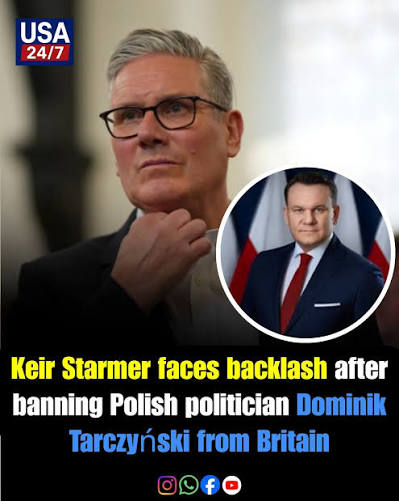
Diplomatic Tensions Rise Between Poland and the UK Polish politician Dominik Tarczyński says he plans to take legal action after being refused entry to the UK despite traveling with a diplomatic passport. n1

Border Control or Political Banning? Inside the Diplomatic Firestorm Between London and Warsaw
The friction between London and Warsaw emerged against the backdrop of the British government’s sweeping crackdown on foreign political commentators intending to address a massive “Unite the Kingdom” rally in central London. The demonstration was organized by Stephen Yaxley-Lennon—publicly known as Tommy Robinson—one of the United Kingdom’s most controversial and divisive right-wing activists.
To streamline border management post-Brexit, the British Home Office instituted the Electronic Travel Authorisation (ETA) system, requiring non-visa foreign visitors to obtain digital pre-clearance before boarding flights or ferries to the UK. However, under Section 3(20) of the British Immigration Rules, the Home Secretary retains sweeping statutory powers to refuse or cancel an ETA if an individual’s presence is deemed “not conducive to the public good”.
                 ┌───────────────────────────────────────────────┐
                 │        UK BORDER PRE-CLEARANCE WORKFLOW       │
                 └───────────────────────┬───────────────────────┘
                                         │
                  ┌──────────────────────┴──────────────────────┐
                  ▼                                             ▼
    ┌───────────────────────────┐                 ┌───────────────────────────┐
    │  ELECTRONIC APPLICATION   │                 │     HOME OFFICE SCRUTINY  │
    ├───────────────────────────┤                 ├───────────────────────────┤
    │ Applicant submits ETA     │                 │ Security database checks  │
    │ digital pre-clearance     │                 │ & "Public Good" assessment│
    └─────────────┬─────────────┘                 └─────────────┬─────────────┘
                  │                                             │
                  └──────────────────────┬──────────────────────┘
                                         │
                                         ▼
                            ┌───────────────────────────┐
                            │   ADMINISTRATIVE DECISION │
                            ├───────────────────────────┤
                            │ Approved OR Cancelled /   │
                            │ Refused without appeal    │
                            └───────────────────────────┘
The Main Events & The Timeline
The dispute exploded into the public domain when Dominik Tarczyński—a prominent Polish MEP representing the national-conservative Law and Justice (PiS) party—published a screenshot of a formal Home Office notification. The official communication stated that his ETA had been revoked because his presence in the United Kingdom was “not considered conducive to the public good,” adding explicitly that the administrative cancellation could not be appealed through normal channels.
The sequence of events unfolded rapidly:
-
Pre-Event Ban: Days before the London demonstration, Prime Minister Keir Starmer publicly announced that his administration would block “far-right agitators” from entering the United Kingdom to prevent hostility and civil unrest.
-
The Notification: Tarczyński received formal notification that his ETA was cancelled, preventing him from boarding his flight to London.
-
The Furious Response: Tarczyński posted a scathing online statement framing the ban as “what communism looks like in the 21st century” and declaring his intention to launch personal legal proceedings directly against Prime Minister Keir Starmer.
-
The Wider Sweep: It quickly emerged that Tarczyński was one of at least seven prominent European and American right-wing figures barred from entering the UK ahead of the rally. Other banned individuals included Belgian politician Filip Dewinter, Dutch activist Eva Vlaardingerbroek, and Spanish commentator Ada Lluch.
┌────────────────────────────────────────────────────────────────────────┐
│                     THE BORDER EXCLUSION CHRONOLOGY                    │
├────────────────────────────────────────────────────────────────────────┤
│ 1. POLICY ANNOUNCEMENT: Starmer vows to block foreign "agitators."    │
│ 2. REVOCATION: Home Office cancels Tarczyński's digital ETA.          │
│ 3. PUBLIC OUTRAGE: Tarczyński posts screenshot & vows lawsuit.         │
│ 4. DOMESTIC BACKLASH: Liz Truss condemns ban; Sikorski attacks MEP.    │
│ 5. LEGAL THREAT: Dispute shifts toward potential High Court review.   │
└────────────────────────────────────────────────────────────────────────┘
Important People Driving the Narrative
-
Dominik Tarczyński: Polish MEP known for his uncompromising stance on border security and anti-illegal migration rhetoric. He maintains close ties with American conservative movements and British right-wing figures.
-
Keir Starmer: Prime Minister of the United Kingdom, whose government has adopted an aggressive preventive approach to public order and border management following civil unrest.
-
Tommy Robinson (Stephen Yaxley-Lennon): Founder of the English Defence League and organizer of the “Unite the Kingdom” rally, whose events consistently draw massive crowds alongside heavy police responses.
-
Radosław Sikorski: Poland’s Foreign Minister and member of the ruling centrist Civic Coalition (KO), who publicly criticized Tarczyński’s aggressive rhetoric toward Starmer.
-
Liz Truss: Former British Conservative Prime Minister who condemned the Home Office decision as “shocking,” highlighting historical ties between British Conservatives and the European Conservatives and Reformists (ECR) group in Europe.
Key Facts and Legal Realities
-
Diplomatic Passports vs. Accredited Status: Tarczyński argued that holding a diplomatic passport as an elected MEP should have protected his travel. However, international law dictates that diplomatic immunity and unconditional entry privileges apply only to accredited diplomats on official state business, not elected officials attending private political rallies.
-
ETA vs. Visa Application: An ETA cancellation is an administrative revocation of pre-clearance, not a formal, permanent deportation order. While Tarczyński technically retains the right to apply for a standard visa, the underlying “public good” assessment makes securing a visa virtually impossible unless legally overturned.
-
The Statutory Threshold: British immigration officers possess wide latitude under national law to deny entry based on “character, conduct, or associations,” even in the absence of a criminal conviction.
Having investigated state intelligence operations, media suppression, and executive overreach across Western democracies for three decades, I have learned to look past the political grandstanding on both sides of a broadcast.
When a government uses administrative security powers to preemptively block an elected foreign politician from speaking at a public gathering, it is executing a classic tactic of preventive statecraft.
The media narrative surrounding Dominik Tarczyński’s border ban has largely been framed as a simple binary: either a necessary act of public safety or a blatant suppression of free speech. But that surface-level argument ignores the deeper, far more alarming structural precedents being set in Westminster and Warsaw.
Here is the deeper side of the story that mainstream headlines have completely failed to capture.
       ┌─────────────────────────────────────────────────────────┐
       │             THE DUAL CHESSBOARD OF EXCLUSION            │
       └────────────────────────────┬────────────────────────────┘
                                    │
    ┌───────────────────────────────┼───────────────────────────────┐
    ▼                               ▼                               ▼
┌────────────────────────┐  ┌────────────────────────┐  ┌────────────────────────┐
│   PREVENTIVE STATE     │  │  DIPLOMATIC EXPEDIENCY │  │ DOMESTIC DIVERSIONARY  │
├────────────────────────┤  ├────────────────────────┤  ├────────────────────────┤
│ Banning speakers before│  │ Exploiting non-        │  │ Exporting Polish party │
│ words are spoken to    │  │ accredited status of   │  │ feuds to a British     │
│ manage police resources│  │ foreign parliamentarians│  │ media stage            │
└────────────────────────┘  └────────────────────────┘  └────────────────────────┘
The “Public Good” Trap: Administrative Power Without Scrutiny
The most dangerous element of this entire affair is the elasticity of the phrase “not conducive to the public good.”
In British constitutional law, “conducive to the public good” is what legal scholars call an “open-textured standard.” It gives the Home Secretary near-total discretion to exclude non-citizens without demonstrating a specific, imminent criminal threat. Historically, this power was reserved for international arms dealers, violent extremists, or individuals facing serious criminal indictments.
In recent years, however, we have witnessed a subtle but profound expansion of executive power. The state has shifted from punishing illegal acts after they occur to preemptively neutralizing political rhetoric before a word is spoken.
Consider the precedent this sets:
-
An elected parliamentarian from an allied NATO and EU nation is barred from entry not for what he did, but for what officials anticipated he might say on a microphone in central London.
-
Because the decision was delivered via an ETA cancellation, standard administrative appeal mechanisms were bypassed entirely.
When a government can quietly revoke travel authorizations for foreign critics using vague public safety justifications, “border control” stops being a mechanism for territorial defense and becomes a tool for political gatekeeping.
┌────────────────────────────────────────────────────────────────────────┐
│                     THE EVOLUTION OF EXCLUSION POWERS                  │
├────────────────────────┬───────────────────────┬───────────────────────┤
│    HISTORICAL USAGE    │   TRANSITIONAL PHASE  │     CURRENT MODEL     │
├────────────────────────┼───────────────────────┼───────────────────────┤
│ Active terrorists,     │ Foreign agitators with│ Preemptive bans on    │
│ organized crime leaders│ prior criminal        │ elected politicians   │
│ & international fugitives│ convictions         │ for expected rhetoric │
└────────────────────────┴───────────────────────┴───────────────────────┘
The Diplomatic Illusion: The Misunderstood Diplomatic Passport
Tarczyński and his supporters repeatedly emphasized his possession of a diplomatic passport as if it were a magical legal shield. This reveals a fundamental misunderstanding of international law that every national security analyst understands intimately.
Under the 1961 Vienna Convention on Diplomatic Relations, diplomatic immunity is not attached to a piece of paper or a leather-bound passport; it is attached to an accredited mission recognized by the receiving state.
When an ambassador moves between embassies, they enjoy absolute inviolability. But when a foreign politician travels abroad in a private capacity to address a political demonstration, their diplomatic passport carries no more legal authority than a standard tourist passport. The British government was well within its technical international rights to treat Tarczyński as a private citizen subject to standard immigration controls.
However, technical legality does not equal political wisdom. Treating an elected Member of the European Parliament from a critical European ally in the same administrative category as an unvetted tourist creates a dangerous precedent. It signals to foreign governments that political credentials offer zero protection if their domestic views conflict with the host nation’s political establishment.
┌────────────────────────────────────────────────────────────────────────┐
│                 DIPLOMATIC STATUS: THEORY VS. REALITY                  │
├────────────────────────┬───────────────────────┬───────────────────────┤
│   LEGAL DIPLOMAT       │   PRIVATE POLITICIAN  │   HOME OFFICE POWER   │
├────────────────────────┼───────────────────────┼───────────────────────┤
│ Accredited to state;   │ Holds diplomatic      │ Full statutory right  │
│ formal mission; full   │ passport; attending   │ to refuse entry under │
│ Vienna Convention immunity│ political rally      │ ETA "Public Good" rule│
└────────────────────────┴───────────────────────┴───────────────────────┘
The Polish Export: Domestic Civil War on a London Stage
To understand why this scandal escalated so rapidly, one must look closely at Warsaw. This incident is as much about the bitter, unresolved civil war inside Polish politics as it is about British immigration policy.
Tarczyński belongs to Law and Justice (PiS), the national-conservative party that ruled Poland from 2015 to 2023 and now forms the core of the opposition. The current Polish government, led by Prime Minister Donald Tusk and Foreign Minister Radosław Sikorski, represents the centrist Civic Coalition (KO).
When Sikorski publicly labeled Tarczyński an “unhinged extremist” who is “more dangerous for Poland than for the UK,” he was not merely offering an objective assessment of British border policy. He was executing a calculated domestic political hit.
       ┌─────────────────────────────────────────────────────────┐
       │           THE POLISH DOMESTIC POLARIZATION              │
       └────────────────────────────┬────────────────────────────┘
                                    │
                        ┌───────────┴───────────┐
                        ▼                       ▼
            ┌───────────────────────┐ ┌───────────────────┐
            │ LAW & JUSTICE (PiS)   │ │ CIVIC COALITION   │
            ├───────────────────────┤ ├───────────────────┤
            │ • National sovereignty│ │ • Pro-EU alignment│
            │ • Confrontational     │ │ • Diplomatic      │
            │   populist rhetoric   │ │   regularization  │
            │ • Tarczyński baseline │ │ • Sikorski response│
            └───────────┬───────────┘ └─────────┬─────────┘
                                                │
                                                ▼
                                    ┌───────────────────┐
                                    │ STATE CONSEQUENCE │
                                    ├───────────────────┤
                                    │ Poland refuses to │
                                    │ lodge formal state│
                                    │ protest with UK   │
                                    └───────────────────┘
By refusing to lodge a formal diplomatic protest with London over the exclusion of a Polish lawmaker, the Tusk government effectively gave Starmer implicit permission to ban its domestic political rival. This dynamic reveals a deeply troubling trend in European politics: governments weaponizing foreign administrative decisions to marginalize their political opponents at home.
The Lawsuit Fallacy: Why Threatening Starmer Is Political Theater
Tarczyński’s fiery declaration that he will “sue Keir Starmer personally” in court is pure political theater designed for digital consumption.
In the British legal system, immigration decisions are taken under statutory powers delegated to the Home Secretary and border officials—not the Prime Minister in his personal capacity.
If Tarczyński’s legal team actually files papers in the High Court of Justice in London, the process will not be a dramatic personal showdown between two politicians. It will be a formal Judicial Review against the Home Office.
┌────────────────────────────────────────────────────────────────────────┐
│                   JUDICIAL REVIEW LEGAL THRESHOLDS                     │
├────────────────────────┬───────────────────────┬───────────────────────┤
│    LEGAL GROUND        │   COURT EXAMINATION   │    PROBABLE OUTCOME   │
├────────────────────────┼───────────────────────┼───────────────────────┤
│ Illegality             │ Did Home Office exceed│ High deference to     │
│                        │ statutory powers?     │ executive border power│
│ Irrationality          │ Was the decision so   │ Difficult to prove    │
│                        │ unreasonable no officer│ given security reports│
│                        │ could make it?        │                       │
│ Procedural Impropriety │ Was due process       │ Closed material       │
│                        │ denied unlawfully?    │ proceedings possible  │
└────────────────────────┴───────────────────────┴───────────────────────┘
Under Judicial Review, judges do not evaluate whether banning Tarczyński was politically wise or morally right. They evaluate only whether the Home Secretary acted within statutory authority, followed correct procedures, and made a decision that was legally rational based on intelligence available at the time.
Given the wide statutory discretion granted to the Home Office on national security and public order, the courts historically grant immense deference to ministers. Tarczyński’s legal challenge faces a steep uphill battle—a reality his lawyers certainly know, even if his social media followers do not.
The Streisand Effect: Manufacturing an International Martyr
By attempting to quietly eliminate a security headache in central London, the British government executed a classic blunder: they triggered the Streisand Effect.
Had Tarczyński landed at Heathrow, driven to central London, and delivered a five-minute speech to a crowd of Tommy Robinson supporters, his remarks would have been lost in the noise of a chaotic afternoon. It would have been a routine news item buried within hours.
Instead, by revoking his ETA and barring him from the country, the Home Office elevated a mid-tier Polish politician into an international symbol of anti-establishment resistance. Within twenty-four hours, screenshot posts of his ban were viewed millions of times across global platforms. Former British Prime Ministers condemned the move, international news channels ran deep dives, and Tarczyński secured a far larger audience than any street microphone in London could have provided.
┌────────────────────────────────────────────────────────────────────────┐
│                      THE STREISAND EFFECT FEEDBACK LOOP                │
├────────────────────────────────────────────────────────────────────────┤
│ 1. ACTION: Home Office cancels ETA to prevent local disruption.        │
│ 2. REACTION: Banned politician publishes screenshot claiming censorship.│
│ 3. AMPLIFICATION: Global conservative networks share the story widely. │
│ 4. OUTCOME: Speaker achieves 100x the audience of the original speech. │
└────────────────────────────────────────────────────────────────────────┘
The battle over Dominik Tarczyński’s cancelled travel clearance is far more than a transient squabble between a Polish politician and the British Home Office. It is a stark warning sign for democratic societies across Europe.
It forces modern democracies to confront an uncomfortable question: Where does legitimate border protection end, and political censorship begin?
When a government uses vague “public good” standards to block foreign lawmakers from entering its territory, it may solve an immediate policing problem on the streets. But it does so at an immense long-term cost to democratic norms. It normalizes the idea that state power can be deployed to determine which political ideas are allowed to cross physical borders.
┌────────────────────────────────────────────────────────────────────────┐
│                        THE TRIPLE TRILEMMA                             │
├────────────────────────┬───────────────────────┬───────────────────────┤
│    BORDER SOVEREIGNTY  │    FREE EXPRESSION    │   DIPLOMATIC NORM     │
├────────────────────────┼───────────────────────┼───────────────────────┤
│ State's absolute right │ Protecting open       │ Respecting elected    │
│ to control entry and   │ political debate from │ parliamentarians from │
│ preserve public order  │ state gatekeeping     │ allied democracies    │
└────────────────────────┴───────────────────────┴───────────────────────┘
The administrative thud of a cancelled travel clearance may have kept Dominik Tarczyński off a London stage. But the political reverberations of that decision will echo through international courtrooms and diplomatic corridors for years to come.
Whether this incident stands as a necessary act of border enforcement or a chilling precedent for political suppression depends entirely on whether free societies still believe that the answer to controversial speech is more speech—not higher walls.
A Thought for Discussion:
If a democratic state can block elected foreign lawmakers from entering its territory based on the expected political impact of their speech, does it protect its public safety—or does it adopt the very methods of speech control it claims to oppose?
Polish MEP banned from UK for Tommy Robinson rally
This video provides direct broadcast context regarding the British Home Office decision to refuse entry to Dominik Tarczyński ahead of the London march, highlighting the growing political tension between international activists and UK border authorities.