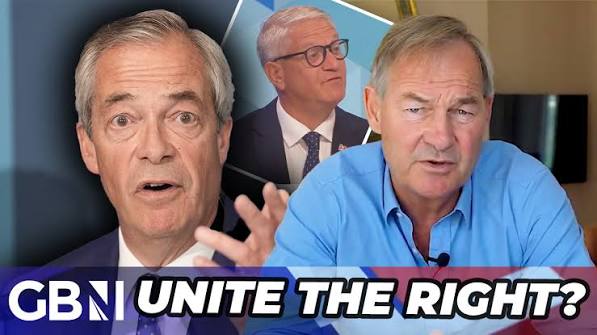
In a recent GB News interview, Reform UK MP Andrew Rosindell addressed the public electoral pact proposed by Restore Britain leader Rupert Lowe to Nigel Farage, indicating common ground while emphasizing the ultimate goal of defeating the current Labour government. n1

The Fractured Right and the Battle for Britain’s Soul
Background: A Right Wing in Metamorphosis
For decades, British conservative politics operated within well-defined, predictable parameters. The Conservative Party held a functional monopoly over the center-right, periodically absorbing populist surges through strategic concessions or rhetorical pivots. However, the contemporary political landscape across the United Kingdom has entered a volatile phase of fragmentation and ideological realignment. The rise of Reform UK—led by veteran agitator Nigel Farage—alongside uncompromising populist factions like Restore Britain (associated with figures such as Rupert Lowe), has shattered the old consensus.
At the center of this gathering storm stands Andrew Rosindell, the veteran Member of Parliament for Romford. A stalwart of traditional British conservatism known for his unyielding unionism and socially conservative positions, Rosindell’s recent public statements reflect a profound realignment. His explicit validation of hardline populist demands marks a pivotal moment in British parliamentary politics, signaling how former mainstream conservative figures are now openly negotiating the terms of a unified right-wing front.
                 BRITISH RIGHT-WING REALIGNMENT

       Traditional Tories (Center-Right)
                      │
                      ▼  [Electoral Strain & Defections]
        ┌─────────────┴─────────────┐
        ▼                           ▼
    Reform UK                 Restore Britain
 (Nigel Farage)                (Rupert Lowe)
        │                           │
        └─────────────┬─────────────┘
                      ▼
        Proposed Right-Wing Coalition
  (Hardline Immigration, Cultural Defense,
   Anti-Labour Alignment under Farage)
Main Events & Key Demands: The Lowe Conditions
The primary catalyst for this political maneuvering is a series of non-negotiable conditions put forward by Rupert Lowe as prerequisites for any electoral cooperation among right-wing forces. Lowe’s platform demands nothing less than a systemic overhaul of state policy:
-
Immediate Reversal of Mass Immigration: Halting primary immigration flows and establishing strict quotas.
-
Mass Deportation Operations: Actively removing individuals residing in the United Kingdom without legal authorization.
-
Addressing Demographic Shifts: Publicly confronting altering community demographics and urban population changes.
-
Countering the “Islamification” of Britain: Enforcing strict integration policies and actively opposing alternative legal or cultural frameworks.
When pressed on these sweeping demands, Andrew Rosindell did not distance himself. Instead, he acknowledged that Lowe’s uncompromising message “will resonate with Reform voters and with British people” who feel abandoned by Westminster. Rosindell asserted that the British public has reached the absolute “end of our tether” regarding the combined, detrimental impact of legal and illegal migration on public services, housing, and social cohesion.

Cultural Identity and the “Islamification” Debate
Beyond the economic and logistical arguments surrounding border control, Rosindell echoed deep-seated cultural anxieties that have moved from the political periphery into mainstream debate.
“I worry that our Christian heritage, the foundations of this country, are being watered down and undermined,” Rosindell stated, framing the current crisis not merely as an administrative failure, but as an existential threat to British historical identity.
When questioned specifically regarding allegations of an ongoing “Islamification” of urban centers, Rosindell argued that visible elements within certain Islamic communities are actively attempting to impose traditional ways of life on the broader public. He specifically highlighted Sharia law as completely “unacceptable” within the United Kingdom’s constitutional framework, insisting that immigrants must unequivocally respect British legal traditions and cultural norms or face removal from the country.
Despite his alignment with Lowe’s diagnosis, Rosindell introduced a crucial tactical distinction regarding the path forward. Recognizing that a divided right guarantees political dominance for the governing Labour Party, Rosindell emphasized that any unified movement must have one overriding objective: replacing the current administration. To achieve this, Rosindell explicitly threw his weight behind Nigel Farage as Prime Minister, identifying Farage as the only figure capable of galvanizing a victorious coalition.
┌─────────────────────────────────────────────────────────────────────────┐
│                    KEY IDEOLOGICAL & POLICY POSITIONS                   │
├──────────────────────┬──────────────────────────────────────────────────┤
│ Area                 │ Position / Proposed Action                       │
├──────────────────────┼──────────────────────────────────────────────────┤
│ Mass Immigration     │ Immediate halt; implementation of strict quotas. │
├──────────────────────┼──────────────────────────────────────────────────┤
│ Illegal Residency    │ Comprehensive mass deportation framework.        │
├──────────────────────┼──────────────────────────────────────────────────┤
│ Cultural Integration │ Defense of Christian heritage; strict ban on     │
│                      │ alternative legal systems (e.g., Sharia).         │
├──────────────────────┼──────────────────────────────────────────────────┤
│ Border Enforcement   │ Rapid physical intervention model (Ceuta style). │
├──────────────────────┼──────────────────────────────────────────────────┤
│ Social Care Funding  │ Opposition to "death taxes"; mandatory youth     │
│                      │ insurance contribution scheme.                   │
└──────────────────────┴──────────────────────────────────────────────────┘
The Ceuta Incident and Border Securitization
The debate over British borders unfolded against the backdrop of an acute security crisis in North Africa. In the Spanish enclave of Ceuta, situated on the North African coast, thousands of migrants attempted a mass surge to breach perimeter fences and enter European Union territory.
Rosindell seized upon the Spanish government’s response to highlight what he views as British state paralysis:
-
The Spanish Response: Commended by Rosindell for taking “very tough action very quickly” through immediate physical deployment and border enforcement.
-
The British Contrast: Characterized as a structural failure where the border apparatus operates as a “soft touch.”
Rosindell rejected accusations from political critics who accuse Reform and hardline conservatives of fear-mongering over migrant surges. He argued that a significant proportion of migrants crossing continental Europe are explicitly targeting the UK precisely because of perceived state generosity. In towns like his own constituency of Romford, local residents watch as migrants are placed into temporary hotel accommodations and Houses in Multiple Occupation (HMOs) funded directly by the taxpayer. This dynamic, Rosindell argued, generates legitimate civic anger that fully justifies immediate deportation policies and militarized border enforcement.
Domestic Economic Policy: Social Care and the “Death Tax”
The interview concluded with a fiery debate on how to fix Britain’s crumbling social care system. As the Labour government evaluates funding mechanisms—including heavily criticized proposals for inheritance-based levies often labeled “death taxes”—Rosindell forcefully rejected state asset-confiscation at the end of life.
Instead of penalizing families who have accumulated modest generational wealth through property, Rosindell advocated for a structural, long-term alternative:
-
Mandatory Youth Insurance: Introducing a compulsory, long-term insurance contribution scheme for young workers as soon as they enter the workforce.
-
Pre-funded Capital Pools: Ring-fencing early-career contributions into dedicated care funds to amortize the costs of elder care over a 45-year working life.
-
Protection of Family Assets: Ensuring that private property and savings remain intact for inheritance rather than being liquidated by local authorities.
Having spent three decades covering political realignments, civil conflicts, and border surges across Western Europe and North America, I have learned that news stories rarely exist in isolation. What appears on the surface to be a standard political interview with a frustrated MP is, in reality, a high-stakes seismic shift in the political architecture of the United Kingdom.
To truly understand what is happening here, we must strip away the partisan talking points and examine the hidden dynamics, structural drivers, and unanswered questions that mainstream political coverage consistently overlooks.
Overlooked Detail 1: The Mainstreaming of Fringe Doctrine
The most significant detail in this interview is not that Rupert Lowe holds radical views on immigration and demographics; it is that a veteran parliamentary figure like Andrew Rosindell feels politically compelled—and safe—to explicitly validate them.
For years, concepts like “demographic reversal” and active “Islamification” were strictly confined to the political fringes. When mainstream politicians encountered these terms, they were routinely dismissed or condemned. Rosindell’s explicit endorsement of Lowe’s underlying premise signals a historic boundary shift:
                  THE EVOLUTION OF HARDLINE RHETORIC

  [ 1990s - 2010s ]                 [ Present Day ]
  Fringe Extremism                 Parliamentary Mainstream
  ────────────────                 ────────────────────────
  • Confined to marginal groups    • Adopted by sitting MPs
  • Universally rejected by MPs    • Validated as voter concerns
  • Taboo in policy debates        • Key condition for party pacts
When Rosindell states that Lowe’s message “will resonate,” he is acknowledging that the traditional Conservative strategy of ignoring or marginalizing right-wing populism no longer works. The Overton window—the range of ideas tolerated in public discourse—has shifted dramatically rightward on cultural and demographic issues.
Overlooked Detail 2: The Microcosm of Romford
To understand why Andrew Rosindell speaks with such urgency, one must look at the geography of his constituency. Romford, located on the outer northeastern edge of Greater London in the Borough of Havering, sits precisely on the fault line between urban transformation and suburban traditionalism.
Over the past two decades, Romford has experienced rapid demographic and economic shifts:
-
Housing Pressures: The rapid expansion of Houses in Multiple Occupation (HMOs) has fundamentally altered quiet residential streets, putting immense pressure on local parking, sanitation, and primary health clinics.
-
Economic Stagnation: Traditional working-class communities have watched real wages stagnate while local council services face chronic funding shortfalls.
-
Cultural Displacement: Residents who lived in homogeneous communities thirty years ago now feel alienated by rapid cultural changes that occurred without civic consultation.
When Rosindell defends the “anger of his constituents,” he is tapping into a profound sense of territorial loss. In outer-borough working-class enclaves, national debates over immigration are not abstract ideological theories—they are lived daily realities tied to the availability of GP appointments, school places, and affordable housing.
Overlooked Detail 3: The Ceuta Parallel & The Illusion of Quick Fixes
Rosindell’s praise for Spain’s handling of the Ceuta migrant crisis reveals a common political reflex: looking to foreign iron-fist responses as an easy solution for complex domestic crises. However, a deeper investigative look at the Ceuta incident reveals significant nuance.
┌──────────────────────────────────────────────────────────────────────────┐
│                   COMPARATIVE BORDER SECURITY ANALYSIS                   │
├──────────────────────┬────────────────────────────┬──────────────────────┤
│ Metric               │ Ceuta Enclave (Spain)      │ English Channel (UK) │
├──────────────────────┼────────────────────────────┼──────────────────────┤
│ Border Geography     │ Land border with perimeter │ Maritime border      │
│                      │ fences & physical walls.   │ (21+ miles of sea).  │
├──────────────────────┼────────────────────────────┼──────────────────────┤
│ Legal Jurisdiction   │ EU land territory; immediate│ Maritime law & International│
│                      │ physical repushes.         │ Search & Rescue duty.│
├──────────────────────┼────────────────────────────┼──────────────────────┤
│ Deterrence Efficacy  │ Temporary blockades; quick │ Highly complex; multi-│
│                      │ realignment of routes.     │ national smuggling networks.│
└──────────────────────┴────────────────────────────┴──────────────────────┘
While Spanish border guards can physically repel surges against land fences, the United Kingdom faces a vast maritime border in the English Channel. Under international maritime law, SOLAS (Safety of Life at Sea), and domestic human rights legislation, intercepting small inflatable boats in treacherous international shipping lanes presents vastly different legal and operational challenges. Praising Spanish tactics in North Africa makes for effective political soundbites, but it masks the practical realities of enforcing maritime borders without causing mass drownings.
Deeper Meaning: The Systemic Collapse of the Post-War Social Contract
Beneath the headlines about immigration lies an even deeper, unaddressed crisis: the complete breakdown of Britain’s generational social contract.
Rosindell’s pivot to social care policy highlights a structural issue that politicians rarely admit publicly: Britain is an aging society that can no longer afford its public services under the current tax model.
                         THE SOCIAL CARE DILEMMA

     Option A: Labour "Death Tax"       Option B: Rosindell Youth Fund
     ────────────────────────────       ──────────────────────────────
     • Liquidates family home           • Mandatory early-career tax
     • Penalizes asset savers           • Reduces youth disposable income
     • Generates immediate revenue      • Takes 40+ years to capitalize
     • Politically toxic to elderly     • Highly burdening on young workers
-
The Elderly Reality: Millions of older citizens who worked their entire lives and bought modest homes now face the terrifying prospect of having those assets seized by the state to pay for basic end-of-life care.
-
The Youth Reality: Younger generations—already locked out of the housing market, burdened by student debt, and facing high tax rates—are now being asked via Rosindell’s proposed mandatory insurance scheme to fund their own future care while paying for current retirees.
Rosindell’s opposition to “death taxes” protects his core voting demographic—older home-owning conservatives—but his proposed solution shifts financial weight onto young workers entering an economy defined by stagnant wages and high living costs. This dynamic reveals a society quietly at war with itself over dwindling resources.
Why This Story Matters
This story is not merely about internal party bickering or election strategies. It represents a fundamental inflection point for modern Western democracies:
-
The Death of Centrist Hegemony: The era when mainstream parties could control national debate by marginalizing populism is officially over. The perimeter between mainstream politics and radical populism has collapsed.
-
The Primacy of Cultural Sovereignty: Political contests are no longer fought primarily over marginal tax rates or economic efficiency. They are fought over national identity, border integrity, cultural heritage, and social cohesion.
-
The Kingmaker Role of Nigel Farage: By explicitly declaring that Nigel Farage should lead a unified right, Rosindell acknowledges that the historic Conservative Party brand is severely damaged. Farage is no longer an outsider throwing stones at the establishment; he is the ideological center of gravity around which the British right is reconstituting itself.
Unanswered Questions
As an investigative journalist, when I read this interview, I am left with critical unanswered questions that voters and analysts must demand answers to:
-
1. The Logistical Reality of Mass Deportation: If a unified right-wing government takes power, how exactly will it execute “mass deportations”? Which countries will accept returnees? What will be the human, legal, and financial cost of building the detention infrastructure required?
-
2. The Economic Paradox: If immigration is halted immediately, how will Britain fill massive labor shortages in the National Health Service (NHS), agricultural sectors, and social care facilities—sectors currently dependent on foreign labor?
-
3. The Farage Governance Test: Nigel Farage has built a successful political career as an outsider and critic. Can a coalition built around his personality transition from protest politics to managing complex government bureaucracies, international treaties, and financial markets?
-
4. The Rule of Law vs. Cultural Defense: How does a British government aggressively suppress alternative cultural frameworks like Sharia law without eroding fundamental liberties such as freedom of religion and assembly?
Summary of a Changing Nation
The interview with Andrew Rosindell serves as a clear warning sign for the future of British politics. It documents the formal merging of mainstream political conservatism with hardline populist demands. From border control in the English Channel to demographic debates in Romford, and from the fences of Ceuta to the long-term funding of social care, the political battle lines for the next decade are being drawn.
Emotional Reflection
Standing back from the tactical political maneuvers, one feels the profound anxiety of a nation in transition. Millions of ordinary citizens look around their neighborhoods and feel that the social contract has been broken. They see crumbling public infrastructure, unreachable housing markets, and border policy confusion, leading them to feel like strangers in their own homeland. Simultaneously, millions of immigrants and minority communities who have made Britain their home hear this political rhetoric with growing alarm, wondering if their place in society is being permanently called into question.
Britain sits at a critical crossroads. The old answers provided by centrist managers no longer satisfy an angry, fatigued electorate. The populist right promises clarity, sovereignty, and cultural restoration—but whether those promises can survive contact with the realities of modern global governance remains an untested, high-stakes question.
A Final Question for the Reader
As Britain navigates this turbulent era of political and cultural transformation, we are forced to confront a question that will define the country for generations to come:
Can a modern nation preserve its historic culture, secure its borders, and protect its social contract without tearing apart the civic fabric and legal principles that made it a free society in the first place?