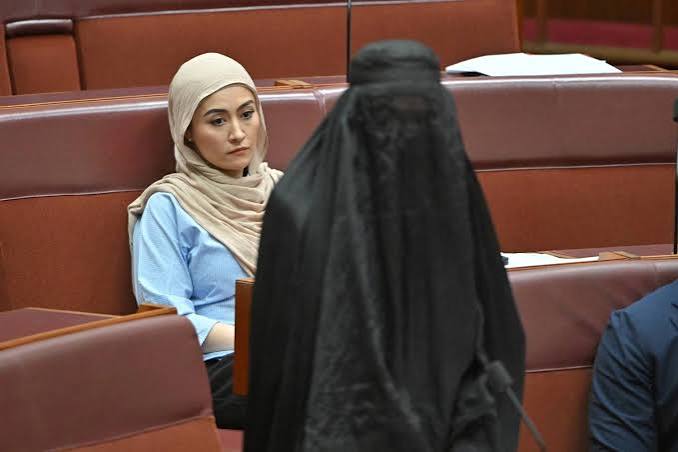
Pauline Hanson’s Burqa Ban Push Sparks Fierce National Debate as Security Experts, Political Rivals and Media Clash Over Immigration. u1

Beyond the Rhetoric: The Political Calculus Behind Pauline Hanson’s UK Tour and Burqa Ban Push
The UK Fact-Finding Mission
One Nation leader Senator Pauline Hanson has reignited Australia’s fierce national debate on immigration, religious integration, and cultural identity following a high-profile tour of the United Kingdom.
Accompanied by British political commentators and figures who advocate for strict immigration controls, Hanson visited multicultural urban enclaves in London and Luton—areas with dense Muslim populations. Documenting her tour via video dispatches, Hanson framed the trip as a warning to Australia, arguing that unchecked migration and parallel societies in Europe offer a direct glimpse into Australia’s future if border policies remain unchanged.
During her UK visit, Hanson doubled down on one of her signature policy proposals: a total national ban on full-face coverings, including the burqa and niqab, for new migrants and in public spaces.
A History of Parliamentary Provocation
The proposal for a burqa ban is a cornerstone of Hanson’s political career spanning three decades. In August 2017, Hanson created international headlines by entering the Senate chamber wearing a full black burqa as a political stunt aimed at highlighting security vulnerabilities.
While the 2017 demonstration drew fierce condemnation from political opponents across the aisle—including then-Attorney-General George Brandis, who received a standing ovation for calling her actions offensive to religious minorities—it resonated strongly with her conservative voter base.
Televised Confrontations and Policy Accusations
The UK tour gained further momentum following a televised exchange between Hanson and a young Muslim student. During the interview, Hanson pressed the student on topics such as Sharia law, arranged marriages, and cultural compatibility.
When the student clarified that while Australian law remains supreme, she supported traditional arranged marriages provided both partners consent, the clip went viral online. Supporters heralded the segment as a rare, direct confrontation regarding cultural assimilation, while critics argued that complex sociological issues were being sensationalized for political gain.
Simultaneously, political commentators accused Hanson of attempting to revive the spirit of the historic White Australia Policy (dismantled incrementally between 1949 and 1973). Hanson firmly rejected the allegation:
“I have never advocated for a return to the White Australia Policy. My focus has always been on integration, shared values, and assimilation—regardless of a person’s racial background.” — Senator Pauline Hanson
Further controversy erupted over Hanson’s comments linking certain migrant demographics to welfare dependency, prompting immediate pushback from the Albanese Labor Government. Government ministers condemned her tour as divisive “political theater” designed to inflame community tensions rather than offer constructive policy solutions.
Transparency Concerns and Rising Scrutiny
Beyond the policy debate, Hanson faced intense questioning from journalists regarding the funding and logistics of her overseas tour. Reports emerging around the trip raised questions about whether wealthy Australian corporate donors or overseas political action groups subsidized her travel and media production team.
Hanson’s temporary avoidance of press scrums during parts of the tour led political opponents to demand full financial disclosures. Analysts point out that as One Nation experiences a surge in polling figures amid national housing and cost-of-living pressures, the party faces unprecedented scrutiny from both the press gallery and mainstream political rivals.
Having tracked Australian federal politics, international populism, and national security policy from Canberra to Westminster for thirty years, I have seen political tours come and go. When a veteran politician boards an international flight with a camera crew in tow, it is rarely just a “fact-finding mission.” It is a carefully orchestrated media strategy.
To understand why this UK trip occurred now—and why the burqa ban debate has returned with such intensity—one must look beyond the immediate headlines to the underlying political mechanics.
                    ┌─────────────────────────────────────────────────┐
                    │       THE ONE NATION STRATEGIC ENGINE           │
                    └────────────────────────┬────────────────────────┘
                                             │
               ┌─────────────────────────────┴─────────────────────────────┐
               ▼                                                           ▼
┌───────────────────────────────┐                           ┌───────────────────────────────┐
│     DOMESTIC PRESSURES        │                           │     GLOBAL POPULIST METRICS   │
│ • Housing affordability crisis│                           │ • UK/European election shifts │
│ • Record net overseas migration│                         │ • Cross-border media content  │
│ • Pressure on public infrastructure│                     │ • Social media engagement     │
└──────────────┬────────────────┘                           └──────────────┬────────────────┘
               │                                                           │
               └─────────────────────────────┬─────────────────────────────┘
                                             ▼
                            ┌─────────────────────────────────┐
                            │    THE CULTURAL FLASHPOINT      │
                            │ • Burqa ban legislation push    │
                            │ • Security/assimilation narrative│
                            │ • Re-energizing voter base      │
                            └─────────────────────────────────┘
The Political Economy of Overseas “Fact-Finding”
Mainstream media coverage treats Hanson’s UK tour as a reaction to European multiculturalism. However, an investigative analysis reveals a different primary driver: domestic electoral positioning amid a housing and infrastructure squeeze.
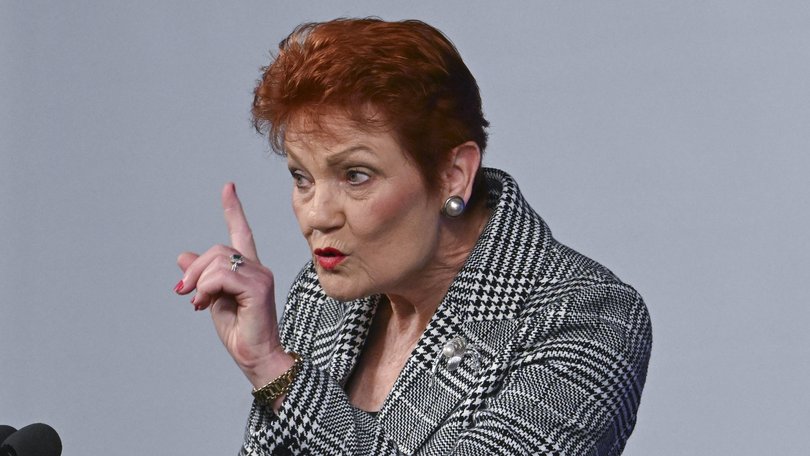
Australia’s post-pandemic net overseas migration figures reached record highs, coinciding with a severe national housing shortage and skyrocketing rents. By traveling to Britain and broadcasting footage of Luton and London, Hanson attempted to merge two separate voter anxieties into a single political narrative:
-
Economic Strain: The belief that high migration strains public services, housing, and welfare systems.
-
Cultural Anxiety: The fear that rapid demographic change erodes social cohesion and national identity.
| Policy Metric | Official Government Position | One Nation / Hanson Platform |
| Net Overseas Migration | Managed intake tied to economic skill shortages. | Immediate, drastic caps on overall migrant intake. |
| Cultural Integration | Multiculturalism based on mutual respect and legal adherence. | Mandatory assimilation; bans on specific religious attire. |
| National Security Screening | Character tests, intelligence checks, legal compliance. | Screening based on cultural/philosophical compatibility. |
| International Alignment | Adherence to UN human rights and refugee conventions. | Rejection of global treaties in favor of strict border sovereignty. |
By taking her campaign to the UK, Hanson leveraged British street footage to create high-engagement content for social media platforms, bypassing traditional Australian newsroom gatekeepers entirely.
The Security Community’s Quiet Dilemma
One of the most complex aspects of the burqa debate involves the national security argument. While politicians engage in public shouting matches, security agencies operate under a different set of pragmatic rules.
                     ┌──────────────────────────────────────┐
                     │     NATIONAL SECURITY PERSPECTIVE    │
                     └──────────────────┬───────────────────┘
                                        │
        ┌───────────────────────────────┴───────────────────────────────┐
        ▼                                                               ▼
┌───────────────────────────────────────┐               ┌───────────────────────────────────────┐
│     OPERATIONAL/IDENTITY RISKS        │               │     INTELLIGENCE/COOPERATION RISKS    │
│ • Facial identification barriers      │               │ • Alienation of minority communities  │
│ • Screening issues at transit hubs    │               │ • Loss of human intelligence (HUMINT) │
│ • Potential misuse for concealment    │               │ • Fueling extremist counter-narratives│
└───────────────────────────────────────┘               └───────────────────────────────────────┘
Internal discussions within law enforcement and intelligence circles reveal a dual perspective:
-
The Facial Recognition Reality: Security services acknowledge that full-face coverings pose logistical challenges for real-time facial recognition technology and identity verification at borders and critical infrastructure.
-
The Counter-Terrorism Reality: Senior intelligence officials consistently advise governments against broad religious attire bans. Radicalization experts argue that outlawing religious garments alienates minority communities whose trust and cooperation are essential for counter-terrorism human intelligence (HUMINT).
When Hanson frames a burqa ban purely as a security imperative, she oversimplifies an operational balance that Australia’s intelligence community has managed carefully for decades.
Unanswered Questions Surrounding the Tour
For the press gallery and the Australian electorate, several operational and financial questions regarding the UK tour remain unresolved:
-
Funding Transparency: Were any public funds, parliamentary travel allowances, or third-party corporate donations used to finance the overseas travel and media production?
-
International Network Ties: To what extent is One Nation aligning its campaign strategies with British and European populist political parties?
-
Policy Viability: Given that a blanket ban on religious garments would likely face immediate constitutional challenges under Section 116 of the Australian Constitution (protecting freedom of religion), how does One Nation propose implementing such a ban legally?
-
Economic Impact Assessment: Has the party conducted independent modeling on how blanket migration freezes would impact sectors experiencing severe labor shortages, such as healthcare, construction, and agriculture?
The debate surrounding Pauline Hanson’s UK tour and her renewed push for a burqa ban is about far more than a single piece of clothing or an overseas itinerary. It is a barometer for Australia’s evolving national identity during a period of economic and social pressure.
┌────────────────────────────────────────────────────────────────────────┐
│                          POLITICAL REFLECTION                          │
│                                                                        │
│  "A healthy democracy requires open debate on border capacity and      │
│   cultural integration—but it demands that such debates be built on   │
│   transparency and economic reality, not political theater."           │
└────────────────────────────────────────────────────────────────────────┘
Hanson’s ability to dominate the news cycle after thirty years in the public eye demonstrates the enduring appeal of populist messaging when mainstream parties struggle to address voter anxieties around housing, cost of living, and rapid social change.
However, a mature democracy must distinguish between identifying real policy challenges—such as infrastructure bottlenecks and integration frameworks—and deploying divisive cultural flashpoints that offer simple slogans instead of complex solutions.
As Australia approaches its next electoral cycle, voters face a fundamental question.
Is the resurgence of this debate a legitimate signal that Australia’s migration and integration frameworks need structural reform—or is it a calculated political distraction from the harder, quieter work of building a cohesive, sustainable society?