Pauline Hanson’s Meteoric Rise: One Nation Surges in New Poll as Leader Doubles Down on Monocultural Vision. u1

Poll Surge and Controversial Vision: What One Nation’s Rise Means for Australia’s Future
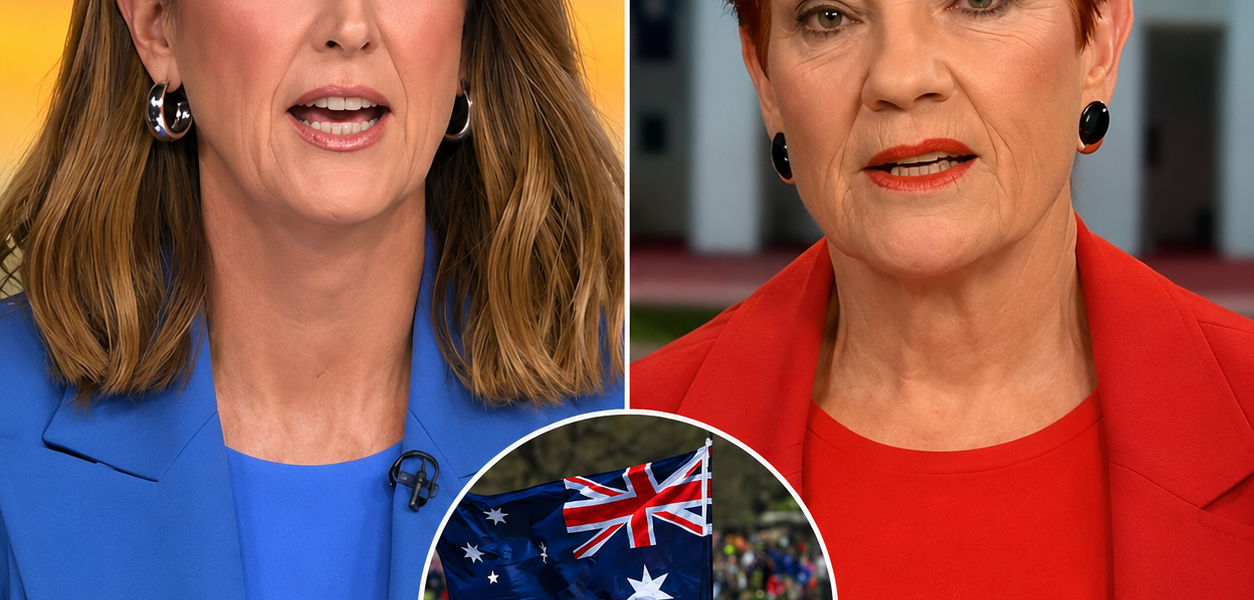
A new Roy Morgan poll has sent shockwaves through Canberra and across the nation, revealing a dramatic shift in voter sentiment that places One Nation at the forefront of Australia’s political conversation. Following Pauline Hanson’s widely discussed speech at the National Press Club, the party’s primary support has jumped two percentage points to 31.5% — surpassing Labor, which has fallen 1%, and leaving the Coalition trailing at just over 17%.
It is a result that underscores the deep level of disillusionment many voters feel toward the major parties, and confirms that Hanson and One Nation have re-emerged as a defining force ahead of any upcoming federal election. In a subsequent interview, Hanson elaborated on what her party stands for, addressing issues from national identity and integration to economic policy and potential alliances.
On the subject of multiculturalism and national cohesion — the topic that has drawn the most controversy — Hanson was clear in her vision. “Nothing would really change. Just that we still have our culture, we still have our laws,” she said. She raised pointed questions about what she sees as risks to Australian norms: “Do we really want to see Sharia law? Do we want to see multiple marriages? Do we want to see these gangs getting around in our streets with machetes? That’s not the Australian way of life.”
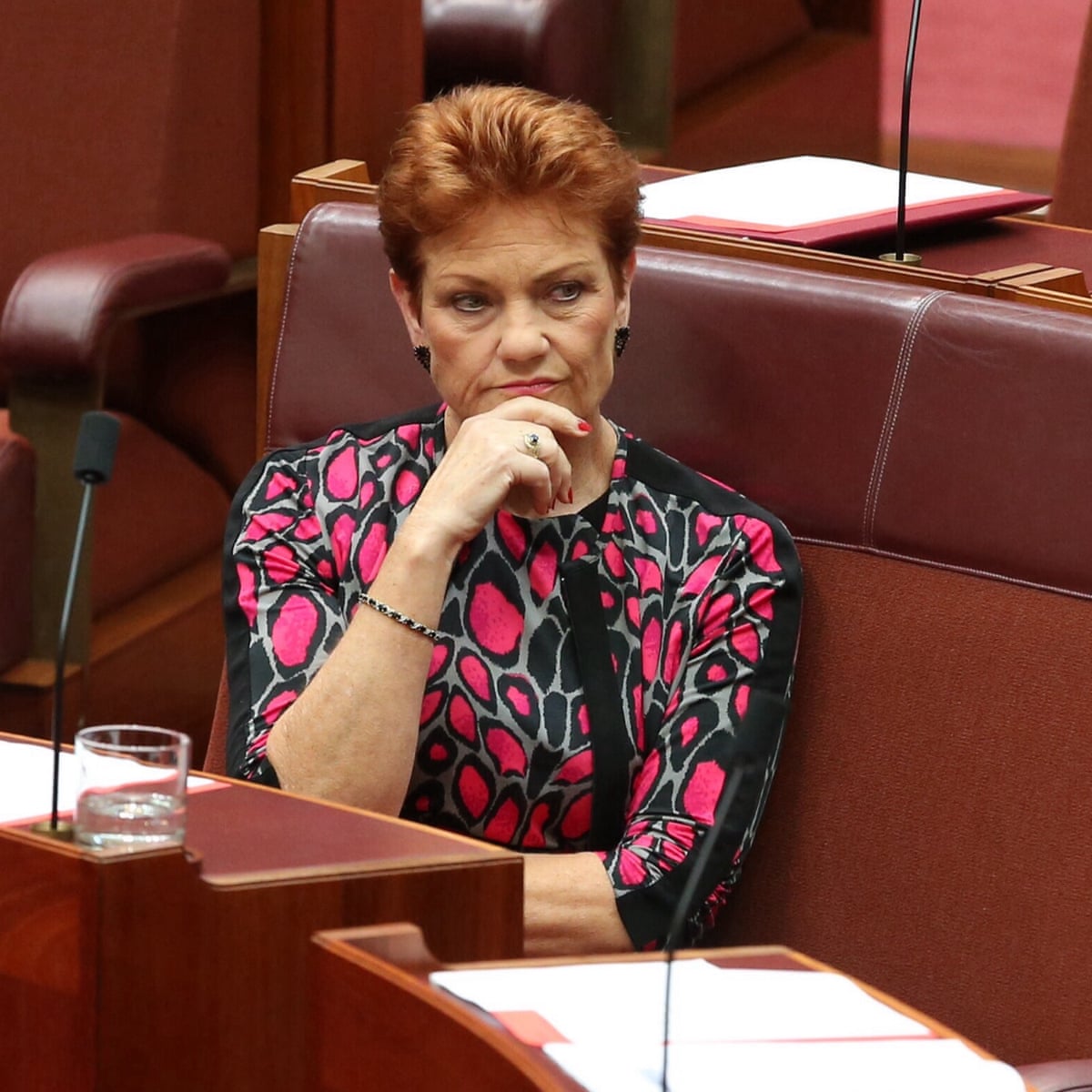
She clarified that she does not want people to abandon their heritage, but rather to unite under a single national framework. “It’s about being united and strong under one culture and everyone should be treated the same under one law. I’m not saying forget where you came from or your cultural background — by no means.” Hanson cited Japan as an example of a successful “monocultural” society, claiming a survey showed 66% of Australians support the same approach, and added: “We’re multiracial but at the end of the day, we must look at being Australians.”
She also highlighted practical concerns, noting official figures showing 872,000 people in Australia speak little or no English. “How can you participate fully in democracy if you can’t understand what is being said or written?” she asked.
When pressed on her earlier comments about maternity leave, Hanson clarified her position: she supports the existing government-funded 26-week scheme, but believes additional employer-provided leave should remain optional, arguing that mandatory requirements could force small businesses to close. “I acknowledge it helps women, but many businesses simply cannot afford the extra cost,” she said.
Regarding political alliances, Hanson confirmed she has had no recent contact with senior Coalition figures such as Angus Taylor, but emphasized that she remains open to cooperation. “It’s a two-way street — they haven’t reached out to me either,” she noted. “But our goal is to defeat the current government, so we encourage voters to preference One Nation first, then the Coalition, and put Labor and the Greens last.”
To address concerns about One Nation’s readiness to govern, Hanson highlighted the expertise within her expanded team, including business leaders, accountants, and economists. On the cost of living, she proposed allowing pensioners and veterans to work unlimited hours without losing their benefits or healthcare entitlements — while warning that any new spending must be balanced against Australia’s growing national debt, now exceeding $1 trillion.
Reaction to both the poll and Hanson’s comments has been sharply divided. Supporters view the results as proof that millions of Australians want a return to clearer rules, stronger national identity, and relief from economic pressure. Critics, however, warn that her framing of issues risks creating division, oversimplifying complex challenges, and conflating isolated incidents with broader trends.
Regardless of where one stands, this surge in support has transformed the political landscape. The question now is not whether One Nation matters, but how its rise will shape Australia’s policies, identity, and direction in the years ahead.
My Professional Perspective
With 30 years of experience reporting on Australian politics, immigration, social change, and public opinion, I have seen many shifts and surges come and go. But this moment feels different. The poll numbers and the conversation around them are not just about one party or one leader — they are a clear signal that the political settlement which has guided Australia for decades is changing, and changing fast.
Here is what this latest development really means, what is being overlooked, and why it will define the debate leading into the next election.
Understanding the Poll: Anger as a Political Force
First, we have to look beyond the headline figures. A primary vote of over 30% is extraordinary for any minor party — and it tells us less about how many voters agree with every detail of One Nation’s policies, and more about how deeply dissatisfied people are with the status quo.
For years, Labor and the Coalition have traded power while many voters feel little changes: housing remains unaffordable, energy prices keep rising, wages struggle to keep pace, and concerns about community change feel like they are rarely discussed openly. Hanson has successfully positioned herself as the only major voice willing to say what many feel, even if others consider it controversial.
That is the political lesson here: When mainstream politics avoids difficult conversations, voters will turn to those who do not. Whether you agree with her or not, Hanson has tapped into a deep well of frustration — and this poll confirms that well is far from empty.
The Debate Over “One Culture, One Law”

The most contentious part of Hanson’s interview was her framing of national identity. She argues for “one culture, one law,” and draws a line between multiracialism — which she accepts — and multiculturalism, which she rejects as leading to separation and conflict.
This is a debate that exists across every Western democracy, not just Australia, and it rests on two very different interpretations of how diverse societies work:
- Hanson’s view holds that a shared, dominant national culture and a single legal system are essential to maintain unity, safety, and equality. She points to language barriers and differing social norms as potential obstacles to inclusion, and warns against any system where separate laws or customs apply to different groups.
- Her critics argue that Australia has always been multicultural in practice, and that diversity has strengthened the economy, enriched culture, and broadened global connections. They point out that the vast majority of migrants integrate successfully, and that problems such as crime or language gaps are issues of support and opportunity, not of diversity itself.
There is also a critical distinction often missed: Hanson uses the word “monoculture” to describe a shared national way of life, but her example — Japan — is a very different country with a long, largely homogenous history. Australia is built on migration, and finding a balance between unity and diversity is more complex than simply choosing one model.
Her claim that 66% of Australians want a monocultural society also requires careful reading. Many people use that term to mean “shared values and rules,” not “only one background or tradition.” In that sense, there is broad agreement — but disagreement over how to achieve it without exclusion.
The Practical Issues Behind the Words
Beyond the rhetoric, Hanson raises two practical points that cannot be ignored:
- Language: The figure of 872,000 people with limited English is correct, and it does create barriers to employment, education, and participation. The question is not whether it is a problem — it is how to solve it. Critics argue the answer is more funding for language classes and integration support, not restricting migration or changing the national identity.
- Maternity leave: Her clarification highlights the tension in many policy areas: how to support families without overburdening small businesses. The existing scheme is a compromise, but her focus on affordability reflects a real economic concern shared by many employers.
These are legitimate debates — and the challenge for all sides is to separate the emotion from the evidence, so solutions are practical and fair.
Can One Nation Govern?
One of the biggest questions raised by the poll is: If they keep rising, are they ready to run the country?
Hanson’s response was to point to her new team of experts and businesspeople. That is a necessary step, but it is not enough. Governing requires more than ideas and advisors — it requires understanding how legislation works, how to manage budgets, how to negotiate with other parties, and how to balance competing interests across different regions and industries.
History shows that minor parties often struggle when they move from opposition to influence. The scrutiny becomes far more intense, and voters expect consistency and delivery. For One Nation, this is the next great test: can they turn protest into policy, and anger into effective leadership?
The Future of Alliances
Hanson’s openness to working with the Coalition but distance from its current leaders highlights another reality: The conservative side of politics is in transition. The Coalition has lost trust with many of its traditional voters, and until it offers a clear alternative, voters will continue to look elsewhere.
Preference deals will be critical. If One Nation maintains its numbers, it will hold enormous power to decide who forms government. That gives Hanson influence whether she holds many seats or not — and it explains why both sides are watching her every move.
Beyond the Headlines
After decades of reporting these shifts, here is what I have learned: A surge in polls is not a final destination — it is a warning sign.
It warns the major parties that they must listen to the concerns of voters, not just dismiss them. It warns critics of One Nation that ignoring the reasons behind its support will only make it stronger. And it warns Hanson and her team that with greater support comes greater responsibility to explain exactly how their plans will work, and what trade-offs they will require.
Conclusion
This poll and the conversation around it mark a turning point in Australian politics. One Nation’s rise is not just about Pauline Hanson — it is about a nation searching for answers: about who we are, how we live together, and how we manage economic and social change.
The vision Hanson has laid out is clear: a more unified nation, with stronger rules, clearer expectations, and relief from economic pressure. Whether it is the right vision, or one that risks dividing the country further, will be the central debate of the election ahead.
For voters, the choice is no longer just between Labor and the Coalition. It is now a choice between different paths for Australia’s future — and it is a choice that will shape the country for a generation.
As the campaign unfolds, ask yourself this: Do these ideas solve the problems we face, or do they just reflect how we feel about them? The answer will determine not just who wins votes, but what kind of Australia we build together.