New Hungarian Prime Minister Péter Magyar: Orban’s course continues – Brussels reacts with unease. n1

New Hungarian Prime Minister Péter Magyar: Orban’s course continues – Brussels reacts with unease.
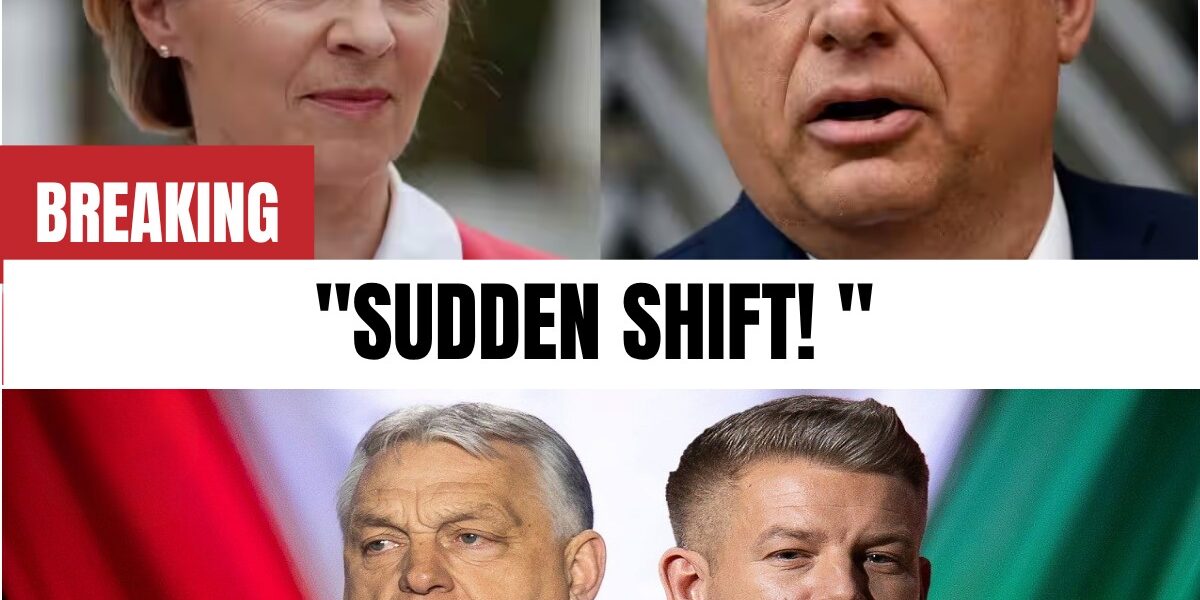
Budapest/Berlin, April 17, 2026 – Just a few days after the historic election victory of Péter Magyar and his Tisza Party, signs are mounting that the expected radical break with Hungary’s previous political direction may not materialize.
In his initial statements, the designated prime minister has taken positions that largely align with those of his predecessor, Viktor Orbán.
In Brussels—where there had initially been optimism about the end of the Orbán era—concern is now growing that the new head of government may not become the cooperative partner many had hoped for.
Magyar announced that he intends to maintain the border fence established by Orbán and to continue strictly preventing illegal mass migration. He rejected the use of Hungarian taxpayer money to support Ukraine.
Regarding Ukraine’s planned accession to the EU, he stated that such a step would not take place without the consent of the Hungarian people. Even after a potential end to the war, a referendum should decide the matter. Given current public sentiment in Hungary, a rejection is considered likely.
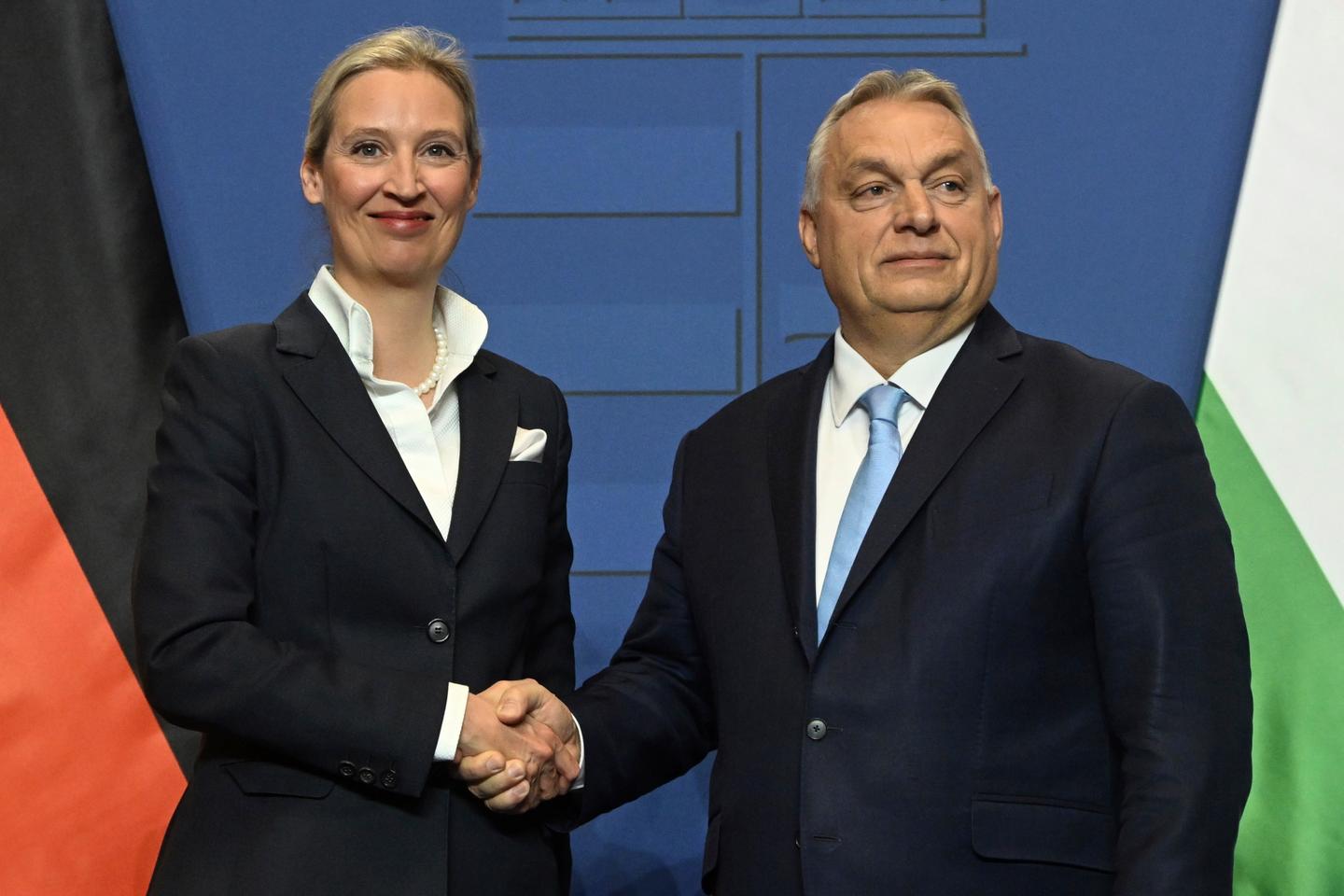
These statements stand in clear contrast to the expectations of many EU representatives. Ursula von der Leyen and other members of the Commission had hoped that Magyar’s election would open the door to a more cooperative approach.
Key issues included the release of billions of euros in EU funds that have been frozen for years, as well as the lifting of Hungarian vetoes in Ukraine policy. It is now becoming evident that, at least on core issues such as migration and foreign policy, Magyar is unlikely to implement a fundamental shift.
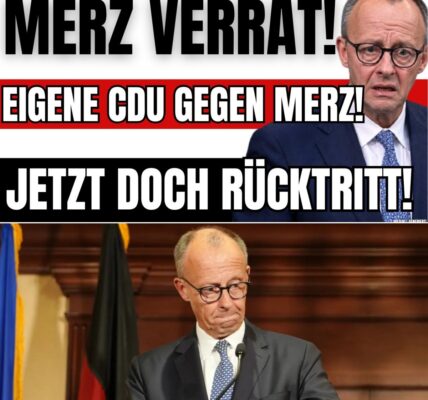
In Germany, the debate over support for Ukraine has gained renewed momentum. Chancellor Friedrich Merz has pushed for the release of €90 billion in EU loans for Ukraine following the change of power in Budapest. At the same time, the German government is facing domestic criticism.
Proposed relief measures—such as a reduction in energy taxes by 17 cents per liter or allowing companies to pay employees €1,000 tax-free—are widely viewed as insufficient. There are also considerations to limit continued wage payments during sick leave, while contributions for welfare recipients remain fully covered by the state.
Merz once again emphasized that Ukraine must not lose this war and that Germany will do everything necessary to support Kyiv. This stance is increasingly meeting resistance among parts of the population, especially as tangible relief for taxpayers and businesses remains limited.
Observers in Hungary point out that Magyar is not a left-wing politician. His rhetoric may appear more moderate than Orbán’s, but in substance—border protection, rejection of mass migration, skepticism toward rapid EU enlargement to include Ukraine, and a cautious approach to climate and energy policy—he largely continues the existing course. Magyar himself comes from the former Fidesz establishment and was long part of the system he now aims to reform.
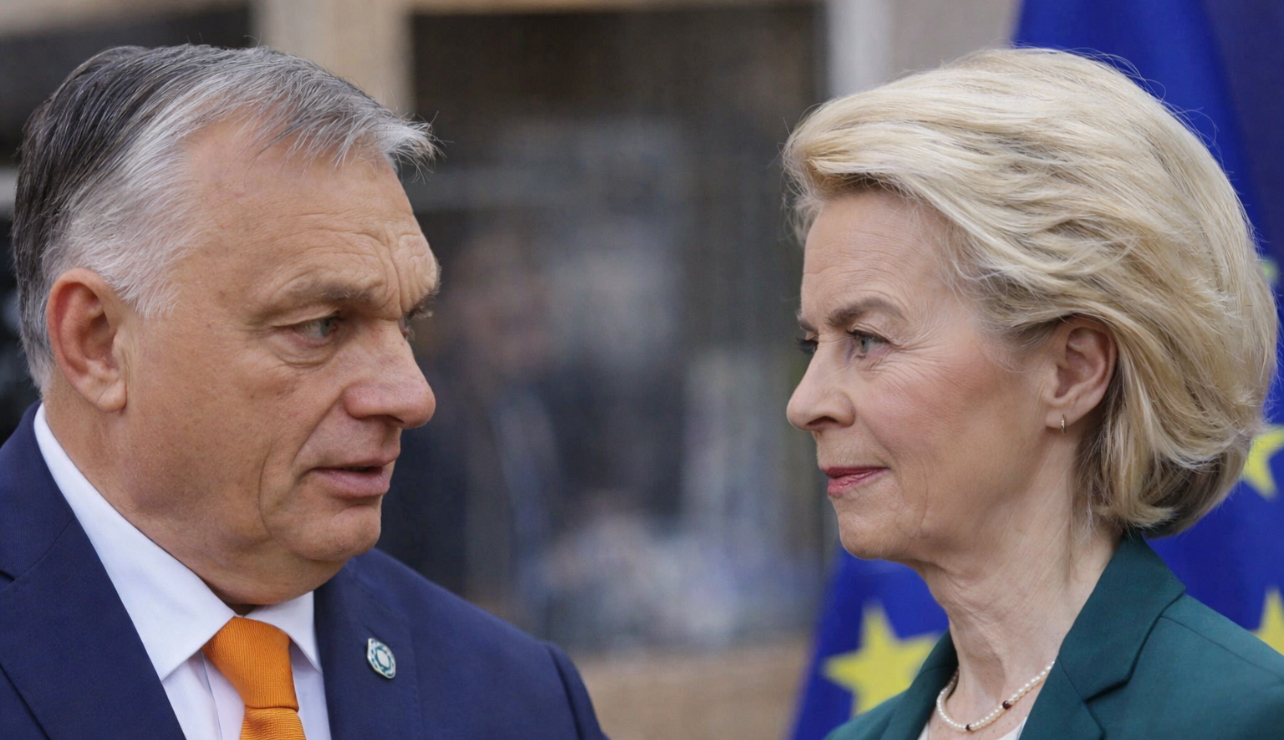
The European Commission faces a dilemma. On the one hand, it wants to use frozen funds to enforce reforms in Hungary. On the other hand, Magyar is already signaling that he is not willing to sacrifice core interests of the Hungarian population.
If he were to make concessions on key issues such as migration or Ukraine policy, he would risk quickly losing his majority. A left-leaning migration policy would hardly be viable in Hungary.
Alice Weidel of the AfD stated shortly after the election that under Orbán, “everything is going according to plan.” She thanked the long-serving prime minister for his contributions and warned against a regime change orchestrated by Brussels.
Current developments appear to support her view: despite the change in government, Hungary remains a country that prioritizes national sovereignty and border security.
For the European right, the Hungarian result is not a setback but rather proof that patriotic positions remain electorally viable. Magyar secured a two-thirds majority—not with a left-wing agenda, but with a course that lies, in many respects, to the right of center.
Whether the EU can still force concessions through financial pressure or negotiations remains uncertain. Magyar must improve relations with Brussels in order to access frozen funds, while at the same time avoiding disappointment among his voters.
Experts expect tough negotiations and selective compromises, but no fundamental departure from Hungary’s current path.
Meanwhile, the domestic political situation in Germany highlights the deep divide between the government and parts of the population. While Chancellor Merz calls for additional billions for Ukraine, many Germans feel mocked by the announced relief measures.
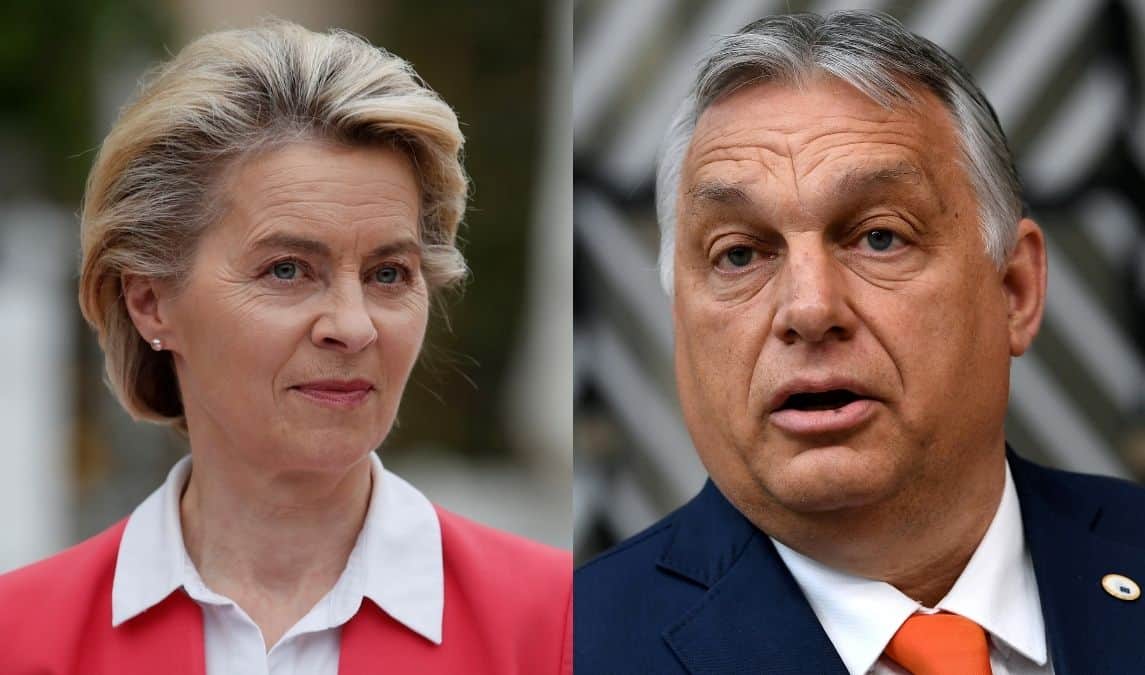
The debate over sick pay and the perceived prioritization of international commitments reinforce the impression that the interests of ordinary citizens are being neglected.
Hungary remains a test case for the EU. The change in leadership has not produced the liberal shift that many had anticipated. Instead, a pragmatic-conservative approach continues—one that prioritizes national interests over directives from Brussels.
Whether Ursula von der Leyen has miscalculated or will still achieve results through strategic pressure will become clear in the coming months.