The Vineyard of Trust
June 18th, 1944. Soma County, California.
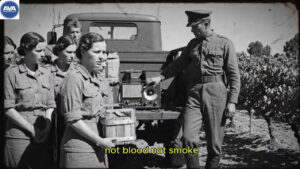
The first thing I noticed was the smell. It wasn’t blood, or smoke, or any of the familiar scents of war. Instead, it was the sweet sharpness of crushed grapes, warm from the sun, mixed with the bitter sting of coffee and gasoline from a truck idling nearby. It was the smell of harvest—of morning, of life moving forward. A smell that didn’t belong in a place where prisoners should have felt fear. It belonged in a place where people made plans for tomorrow.
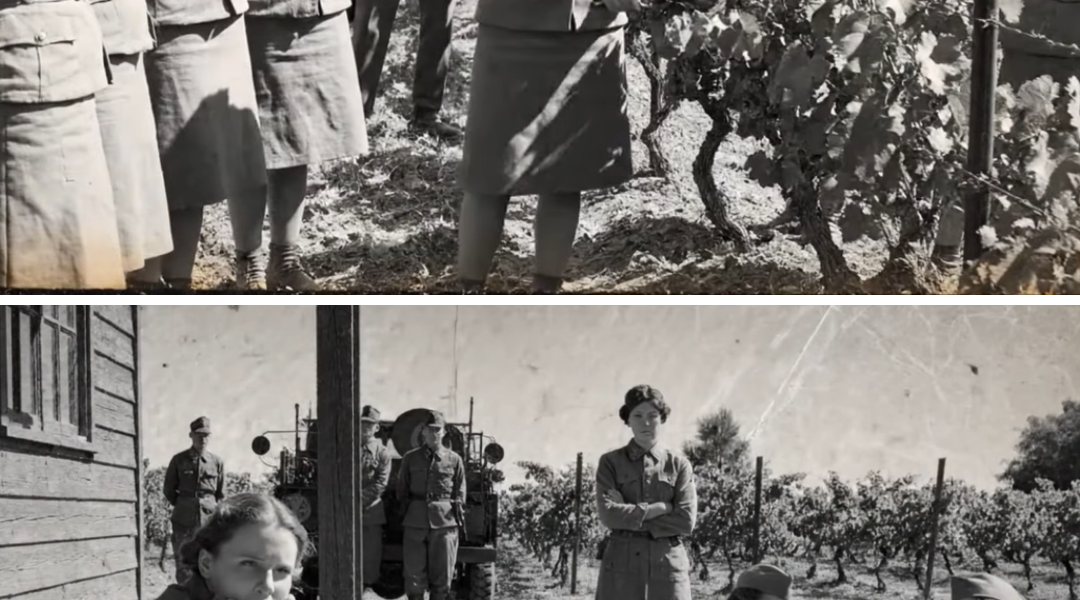
I was a German prisoner of war, captured and shipped across the ocean to this strange land, and nothing about this place made sense. I stood at the edge of the vineyard, hands hanging freely at my sides. There were no ropes binding me, no cuffs, no rifle pressed into my back. Just the dry earth beneath my boots, and the sun high above, brighter than any I had ever seen in Europe. Rows of grapevines stretched out, their leaves catching the light like polished glass. There was a small white house at the end of the field, its porch sagging as if it had learned to relax. This wasn’t what I had expected from my captors.
In Europe, silence meant something was about to happen—something horrible. But here, there was only work. A radio crackled to life behind me, playing big band music, brass and rhythm, a tune I didn’t know but recognized in my bones. It sounded confident, unafraid. As if it was a country that believed it would still be standing tomorrow. I stood still, trying to make sense of this new world.
A guard approached, chewing something. His rifle was resting loosely at his side. He didn’t look at me with hate, just with a quiet, bored detachment. When he saw me staring, he raised his chin slightly and said, “You’ll be working over there today.”
I turned to where he pointed—two fingers, not a gun barrel, directing me like a guest. It was then that the shock truly landed. I wasn’t being punished. I was being asked to work.
They handed me a pair of metal shears, warm from the sun, smooth from years of use. “Be careful,” a woman said to me in heavily accented English. She smiled, briefly, and it wasn’t unkind, just… normal. I had been prepared for fear, for suffering, for violence, but this? This wasn’t fear. It was the beginning of something I couldn’t yet understand.
I bent down, cut the first cluster of grapes, and placed it gently into a wooden bin. The grapes were heavier than they looked, full of life, the juice running down my wrist, sticky and purple. I wiped it on my sleeve out of habit, then froze. I hadn’t worn sleeves like this in months, not since I’d been stripped of my dignity. Here, the cotton was thick, clean, soft. It was a small detail, but one that unsettled me deeply.
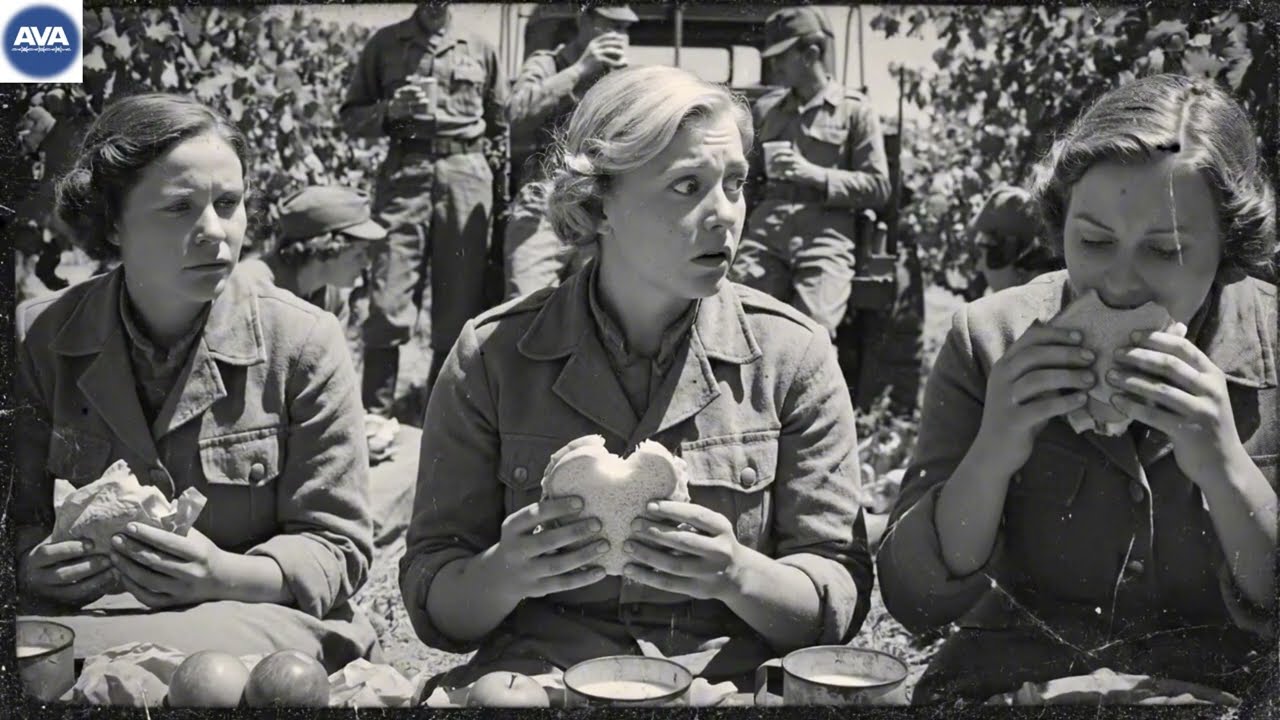
By midday, a voice called for a break. It wasn’t a command, but a suggestion. We sat in the shade, and someone handed me a sandwich—white bread, thick slices of ham and cheese. I stared at it for a long moment, half-expecting some catch, but there was none. When I took a bite, the taste flooded my mouth—soft, bland, comforting. It wasn’t extraordinary. And that made it extraordinary. I drank from a metal cup, the water so cold it hurt my teeth. I hadn’t felt that sensation in years.
Everything here was wrong. In Germany, we had starved, we had been beaten, humiliated. We were animals to be used and discarded. But here, they handed me work, bread, water, and even kindness. How could they? What did they want from me?
As the sun lowered, we were gathered into the truck to return. No headcount screamed. No insults. The names were spoken aloud, one by one. I answered automatically. Yes.
That night, I lay in bed beneath a cotton blanket that smelled faintly of soap. My fingers still stained purple from the grapes, aching not from blows, but from labor. I couldn’t sleep. I kept waiting for the moment when everything would collapse, when the truth would finally reveal itself. But it didn’t.
The next morning, I woke before the others, my heart already racing, expecting the shout that never came. Instead, I heard birds. Real birds, not the mechanical hum of aircraft or the rumble of artillery. I swung my legs over the side of the bed, touched the cold wooden floor, and waited for the moment that would remind me of who I was, but nothing came. There was no fear, no punishment. Just a quiet stillness.
The Americans treated us like workers, not like prisoners. They didn’t scold. They didn’t treat us with disdain. They simply gave us work. They didn’t demand obedience. They showed us how to do things properly, how to take pride in labor. They didn’t call us by titles like “prisoner” or “enemy.” They called us by our names. And that changed everything.
John, the vineyard owner, didn’t shout orders. He asked questions. He explained why things needed to be done a certain way, showed us how to respect the vines. He didn’t demand we obey. He asked us to pay attention.
“Do you want to learn?” he asked one day, showing me how to repair a broken trellis. I nodded. It wasn’t a task I had expected to be given. But in that moment, I understood. This wasn’t about punishment. It wasn’t about breaking us. It was about teaching us to be human again. And it terrified me.
Days turned into weeks. I learned the rhythms of the vineyard—the steady work, the quiet moments of reflection. I watched the Americans around me, how they lived their lives with an ease I hadn’t known in years. Their trust in each other, their faith in routine, in hard work—it was all so foreign, so unsettling. But it was also strangely comforting.
There were moments of quiet kindness. A woman, noticing I was cold, handed me a sweater. It was simple, wool, worn at the elbows. She didn’t expect anything in return. I took it without speaking. The warmth settled over my shoulders, but it was too much. I folded it neatly at the foot of my bed that night, unable to understand how someone could be kind without a reason, without a transaction.
John didn’t treat me like a prisoner. He didn’t act as if I owed him anything. He simply trusted me to work, to contribute, to become part of the rhythm of the vineyard. He didn’t ask about my past, my uniform, my guilt. He just asked if I could handle more work, if I wanted to learn new things. No one asked me to repent. They simply asked me to show up.
And that was the most unsettling thing of all. Because when you are treated like a human, you start to remember what it means to be one.
By the end of my time in the vineyard, I had learned something that would change me forever. The Americans didn’t see me as a prisoner. They didn’t see me as the enemy. They saw me as a worker, a person capable of contributing, of earning my place in their world. And in doing so, they taught me that dignity wasn’t something to be granted—it was something to be earned. Through work, through trust, through simple, everyday effort.
When I returned to that vineyard years later, the world had changed. The factory where I had once worked stood silent, its windows broken, its doors chained shut. The town was different, too—struggling, uncertain, its people speaking in tense, hurried voices. But the vineyard? It was still there. The vines still grew. The land still worked.
And I remembered. I remembered the kindness I had been shown, the trust I had been given, and the simple truth I had learned: dignity isn’t granted by victory. It’s built through labor, through effort, through the quiet acts of trust that go unnoticed, until one day, you realize you’ve become something more than just a survivor.
Some gifts don’t rust. They live on in the work we do, in the trust we give, and in the dignity we restore, one quiet action at a time.