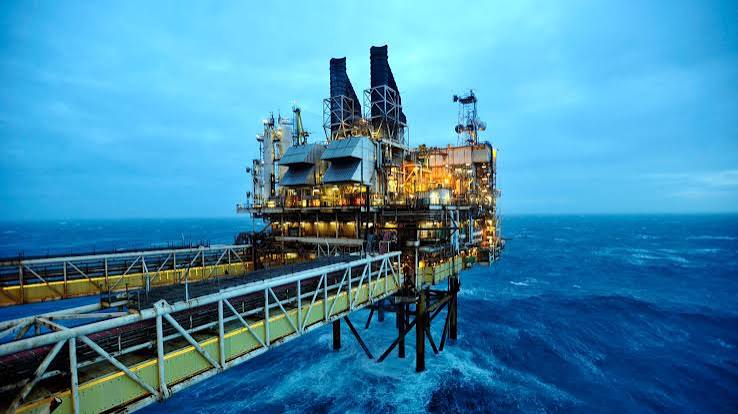
Labour accused of killing off investment in North Sea after oil and gas projects fell 81 per cent, report finds. n1

The Great North Sea Paradox: Inside Britain’s Capital Collapse, the 81% Plunge, and Whitehall’s Energy Dilemma
A critical fault line has opened in Britain’s industrial policy, revealing a severe disconnect between political rhetoric and the realities of global energy markets. Fresh data from the authoritative EY UK Attractiveness Survey reveals that foreign capital investment in UK oil and gas extraction has experienced a near-total collapse, plummeting by 81 percent year-on-year.
+-------------------------------------------------------------------------------+
|                    THE NORTH SEA CAPITAL & WORKFORCE DRAIN                    |
+-------------------------------------------------------------------------------+
|  UK Oil & Gas Inward Investment Projects  |  Fell from 16 to 3 (-81% YoY)     |
|  Total Energy Foreign Direct Investment  |  Fell from 55 to 27 (-51% YoY)    |
|  Lowest Annual Total Since                |  2013 (Over a decade low)         |
|  European Energy FDI Ranking              |  UK remains 2nd (Behind France)   |
|  Workforce Loss: Baseline (2024–2050)     |  ~80% contraction (~100k+ jobs)   |
|  Projected Jobs Lost by 2030              |  54,268 positions gone            |
|  Projected Jobs Lost by 2035              |  77,783 positions (Over 50% drop) |
|  Potential Economic Upside of Key Fields  |  £20 Billion+ & 3,500 direct jobs |
+-------------------------------------------------------------------------------+
The survey confirms that the number of dedicated UK oil and gas Foreign Direct Investment (FDI) projects withered to just three last year, down from 16 the prior year. The wider energy category proved equally fragile, suffering a 51 percent drop from 55 projects in 2024 to 27 in 2025—marking Britain’s lowest annual energy investment performance since 2013. The downturn keeps the UK trailing France in securing capital for energy infrastructure.
The Fiscal and Regulatory Squeeze
Industry analysts attribute the sudden pullback to a combination of stringent policy shifts:
-
The Exploration Ban: A manifesto commitment halting the issuance of new offshore exploration licenses.
-
Windfall Tax Pressures: The retention and expansion of the Energy Profits Levy (EPL), pushing the headline tax burden on North Sea operators up to 78 percent while stripping away vital capital expenditure relief mechanisms.
-
Accelerated Timelines: Aggressive shifts in Net Zero decarbonization milestones without matching domestic grid-readiness.
The human and economic cost is outlined in the government’s own internal projections. More than 100,000 skilled jobs are projected to disappear from the North Sea energy basin between the 2024 election and 2050—an 80 percent reduction in total regional industry employment. By 2030, an estimated 54,268 roles will vanish; by 2035, the sector will shed more than half its baseline workforce, losing 77,783 jobs.
"Labour have gone down the rabbit hole of so-called green dogma. The net result is the whole country suffers on energy security and prosperity."
— Greg Smith, Shadow Energy Minister
The Pragmatic Pivot: The Battle for Rosebank and Jackdaw
Faced with mounting economic headwinds, the administration under Prime Minister Andy Burnham has signaled an urgent recalibration. Energy Secretary Miatta Fahnbulleh is reportedly preparing to grant operational approval for gas drilling at Jackdaw, located approximately 150 miles east of Aberdeen.
However, a definitive determination on Rosebank—the largest untapped hydrocarbon reservoir in the UK Continental Shelf, lying 80 miles northwest of Shetland—is expected to be deferred amid ongoing environmental litigation and political friction.
       THE NORTH SEA'S UNTAPPED GIANTS: WHAT IS AT STAKE

   ┌────────────────────────────────────────────────────────────┐
   │ JACKDAW FIELD (Gas)       │ ROSEBANK FIELD (Oil & Gas)     │
   ├───────────────────────────┼────────────────────────────────┤
   │ Location: 150 mi East of  │ Location: 80 mi NW of Shetland │
   │           Aberdeen        │                                │
   │ Status: Poised for        │ Status: Determination Deferred │
   │         Approval          │         Pending Review         │
   │ Output Focus: Domestic    │ Output Focus: Major Long-Term  │
   │               Gas Supply  │               Production Basin │
   └───────────────────────────┴────────────────────────────────┘
Prime Minister Burnham defended the potential policy shift by framing domestic hydrocarbons as a pragmatic necessity:
“We won’t be able to stop using oil and gas for some time, that’s just a fact. The question is whether we can accelerate use of it so that we pay for the transition, and one thing helps the other… whether that extraction can be the bridge to the clean energy future we need, and bring it forward.”
The proposed sites represent more than £20 billion in domestic investment and upwards of 3,500 immediate high-skill jobs.
Annie Graham of EY stressed that long-term recovery depends on systemic reform:
“The UK has an opportunity to support future investment in the sector and build on its perceived advantages around renewable energy by accelerating grid connection times and wider planning reform to persuade developers to contribute capital to energy infrastructure. With high energy costs for business continuing to be a key concern for international investors, initiatives to encourage greater domestic energy production are also welcome and should help to improve price competitiveness in the UK energy market, as will the Government’s recent commitments to delinking electricity and gas prices.”
2. My Professional Perspective
The Illusion of “Leaving It in the Ground”
Covering energy geopolitics over three decades teaches you an essential lesson: energy demand is an absolute physical reality, whereas energy policy is often a political performance.
The public debate in Westminster has been presented as a moral duel between ecological responsibility and corporate greed. The conventional headline narrative says that by banning new exploration licenses and hiking windfall taxes, the government takes a stand against fossil fuels.
That framing ignores basic supply-chain economics.
                        THE OFFSHORE DISPLACEMENT CYCLE

    UK DOMESTIC PRODUCTION CURTAILED          UNALTERED DOMESTIC CONSUMPTION
  ┌──────────────────────────────────┐      ┌──────────────────────────────────┐
  │ • Capital expenditure freezes    │      │ • UK industry requires fuel/heat │
  │ • 81% collapse in FDI projects   │      │ • Baseload power demands natural │
  │ • Tax revenue lost to Treasury   │      │   gas input                      │
  │ • 100,000 skilled jobs vanish    │      │ • Domestic transport transitions │
  └─────────────────┬────────────────┘      └─────────────────┬────────────────┘
                    │                                         │
                    └───────────────────┬─────────────────────┘
                                        │
                                        ▼
                    ┌────────────────────────────────────────┐
                    │       THE IMPORT DEPENDENCY TRAP       │
                    ├────────────────────────────────────────┤
                    │ • Import LNG via high-emission tankers │
                    │ • Export domestic capital to Qatar/US  │
                    │ • Higher net global carbon footprint   │
                    │ • Complete loss of supply leverage     │
                    └────────────────────────────────────────┘
Halting exploration in the North Sea does not eliminate Britain’s requirement for natural gas; it simply outsources the production footprint.
When domestic fields are shuttered, the shortfall is replaced with Liquefied Natural Gas (LNG) shipped on tankers from the Gulf of Mexico, Qatar, or North Africa. The carbon footprint of liquefying, chilling, shipping, and regasifying imported LNG is substantially higher than piping dry gas directly ashore from the North Sea basin.
The UK is effectively exporting jobs, capital, and tax receipts while importing fuel with higher carbon intensity.
The Fiscal Double-Trap: The 78% Squeeze
Why did energy FDI collapse from 55 projects to 27 in a single year? Global energy capital is location-agnostic.
When the Energy Profits Levy pushed the marginal headline tax rate to 78 percent while removing investment offsets, boardrooms in Houston, Oslo, and Paris recalculated their portfolio risk profiles. The North Sea is a mature, high-cost basin. Operating in deep, rough waters off the Shetland shelf requires immense capital outlay and years of lead time.
                       THE NORTH SEA CAPITAL FLIGHT

     STABLE, COMPETITIVE JURISDICTIONS            THE UK UNCERTAINTY PREMIUM
  ┌─────────────────────────────────────┐      ┌─────────────────────────────────────┐
  │ • Predictable 10-20 yr fiscal terms │      │ • 4 major tax changes in 3 years    │
  │ • High investment allowance offsets │  VS  │ • 78% headline tax rate             │
  │ • Clear licensing pipelines         │      │ • Political threats of cancellation │
  │ • Integrated grid infrastructure    │      │ • Multi-year legal/planning delays  │
  └─────────────────────────────────────┘      └─────────────────────────────────────┘
                    ▲                                            │
                    │                                            │
                    └─────────── [ CAPITAL MIGRATES ] ───────────┘
If an operator faces an unpredictable tax regime where rules change every budget cycle, they move capital to Norway, the Gulf of Mexico, or West Africa. This creates an immediate fiscal problem: a 78 percent tax rate on an industry that stops spending generates less revenue than a 40 percent rate on an industry expanding its assets.
The Skills Cannibalization Risk
The most overlooked consequence of this policy is the destruction of the green transition’s actual workforce.
Politicians speak of the green economy as if wind turbines, carbon-capture networks, and hydrogen pipelines will be designed and built by an entirely new workforce that appears overnight.
They will not. The engineers, subsea technicians, geoscientists, and offshore mechanics needed to install floating offshore wind farms and carbon-sequestration hubs are the very people currently working in the North Sea oil and gas supply chain.
                     THE CRITICAL SKILLS CORRIDOR

   NORTH SEA OIL & GAS SECTOR                  THE CLEAN ENERGY FUTURE
┌────────────────────────────────┐         ┌────────────────────────────────┐
│ • Subsea Pipeline Engineers    │         │ • Carbon Capture & Storage     │
│ • Heavy Marine Riggers         │ ──────► │ • Floating Offshore Wind Farms │
│ • Geologists & Marine Experts  │         │ • Deepwater Hydrogen Hubs      │
│ • Complex Project Managers     │         │ • Offshore Grid Architecture   │
└────────────────────────────────┘         └────────────────────────────────┘
                 │
                 ▼ (IF INDUSTRY COLLAPSES PREMATURELY)
┌───────────────────────────────────────────────────────────────────────────┐
│ Skills disperse abroad or leave the sector; transition engine breaks down.│
└───────────────────────────────────────────────────────────────────────────┘
If policy prematurely dismantles the offshore oil and gas industry before renewable grid connections, ports, and contracts are commercially ready, that technical workforce will not wait in Aberdeen for a green job in 2035. They will move to the Middle East, Southeast Asia, or the United States.
Once those specialized supply chains and human skills leave the country, the UK’s domestic clean energy transition loses its foundation.
The Unanswered Questions Behind the Curtain
-
What is the True Cost of the Grid Bottleneck? EY explicitly cites planning delays and grid queue wait-times as major deterrents. How many gigawatts of renewable projects are currently stalled in planning queues, waiting years for a substation connection?
-
How Will the Decommissioning Liabilities Be Funded? As commercial operators exit early due to high taxes, the state’s exposure to decommissioning costs grows. What is the taxpayer’s real financial exposure to abandoned offshore wells over the next decade?
-
What Does Delinking Gas from Electricity Actually Cost? Ministers frequently tout delinking power and wholesale gas pricing. What is the explicit compensatory mechanism for electricity suppliers, and who funds the market gap?
The 81 percent collapse in oil and gas projects is not a routine market dip. It is a clear warning sign that Britain’s energy strategy has run into structural economic realities.
No modern economy can manage an industrial transition by dismantling its existing energy foundation before its successor system is built, connected, and operating at scale. Transitioning to clean energy requires hundreds of billions in private investment—capital that depends entirely on regulatory stability, clear planning frameworks, and predictable tax policy.
                                THE CHOICE AHEAD

         ┌─────────────────────────────────────────────────────────────┐
         │             THE UK ENERGY PATHWAY (2026–2035)               │
         └──────────────────────────────┬──────────────────────────────┘
                                        │
                 ┌──────────────────────┴──────────────────────┐
                 ▼                                             ▼
   ┌───────────────────────────┐                 ┌───────────────────────────┐
   │    MANAGED TRANSITION     │                 │   PREMATURE DISMANTLING   │
   ├───────────────────────────┤                 ├───────────────────────────┤
   │ • Approve Jackdaw/Rosebank│                 │ • Block domestic drilling │
   │ • Tax revenues fund green │                 │ • Import high-carbon LNG  │
   │   infrastructure build    │                 │ • 100k+ offshore jobs lost│
   │ • Retain offshore skills  │                 │ • Severe reliance on      │
   │ • Stabilize energy bills  │                 │   foreign energy markets  │
   └───────────────────────────┘                 └───────────────────────────┘
Prime Minister Andy Burnham’s apparent willingness to approve fields like Jackdaw suggests an overdue realization: the energy transition cannot be treated as a zero-sum conflict between extraction and sustainability. Domestic production must serve as the financial and logistical bridge to the renewable future.
As the government prepares its final rulings on the North Sea basin, the country faces a fundamental question:
Will Britain choose a pragmatic energy transition that leverages its domestic natural resources and workforce, or will it pursue a symbolic retreat that leaves the country poorer, de-industrialized, and dependent on imported foreign energy?