
Labor and Greens block Rushy Lagoon inquiry as Coalition and One Nation vow to stop farm buyouts. u1

The $142 Million Rushy Lagoon Flashpoint: Inside the Battle Over Australia’s Farmland and Carbon Credits
The line where public policy meets the soil of regional Australia has become a political battleground.
Near Cape Portland in Tasmania’s far north-east, Rushy Lagoon—a sweeping 21,745-hectare agricultural holding of beef, dairy, and sheep operations—has shifted from a quiet grazing estate into a national controversy.
The Federal Coalition has moved to introduce legislation stripping the Commonwealth’s green bank, the Clean Energy Finance Corporation (CEFC), of its mandate to fund farm-to-forest conversions. The move targets the controversial $142 million acquisition of Rushy Lagoon by the Tasmania Natural Asset Trust (TNAT), a vehicle managed by British forestry giant Gresham House alongside Aviva Investors and backed by $69 million in CEFC equity.
================================================================================
                    RUSHY LAGOON TRANSACTION AT A GLANCE
================================================================================
Total Property Footprint:     21,745 Hectares (Cape Portland, North-East Tasmania)
Historical Operations:        Beef, Dairy, Sheep, Cropping (12,500 ML Water Entitlements)
Acquisition Consideration:    $142 Million AUD
Buyer Entity:                 Tasmania Natural Asset Trust (TNAT)
Fund / Asset Managers:        Gresham House (UK), Aviva Investors (UK)
Public Co-Investment:         $69 Million AUD (CEFC - 49% Equity Stake)
Additional Federal Grants:    $8.8 Million AUD (Support Plantation Establishment Program)
Proposed Land Conversion:     ~9,000 Hectares to Radiata Pine Plantation / Carbon Offsets
================================================================================
The News Investigation — Assets, Bids, and Parliament
1. The Asset and the Deal Structure
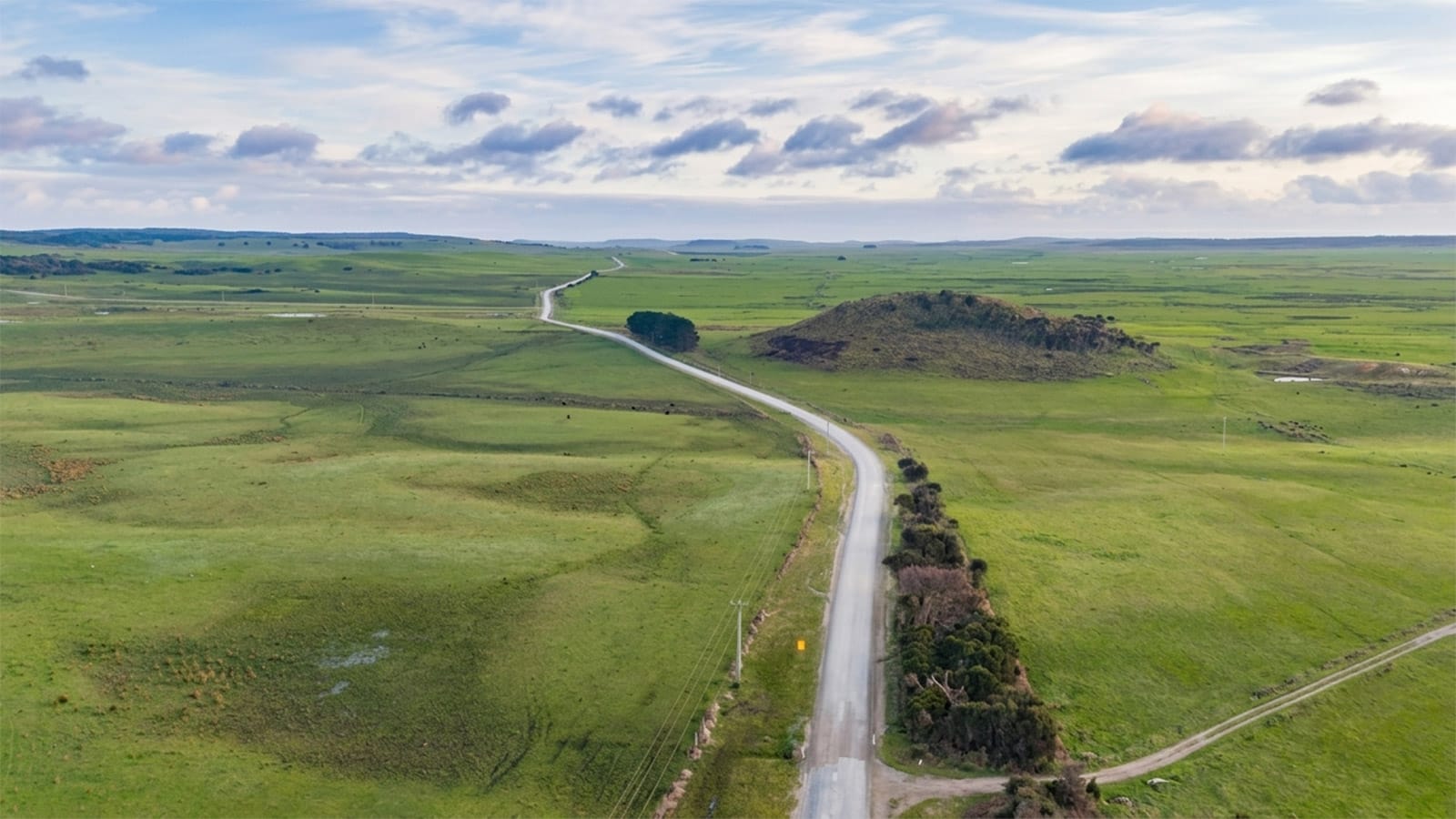
Rushy Lagoon, alongside neighboring East Wyambi, was assembled and held for nearly three decades by the estate of New Zealand’s Pye family. Supported by 1,170 hectares of developed pivot irrigation and 12,500 megalitres of water entitlements, the holding represents the single largest agricultural aggregation in Tasmania.
┌────────────────────────────────────────────────────────────────────────┐
│                   RUSHY LAGOON CAPITAL STACK BREAKDOWN                 │
├────────────────────────────────────────────────────────────────────────┤
│ Total Purchase Price: $142 Million                                     │
│                                                                        │
│ ┌───────────────────────────────────┬────────────────────────────────┐ │
│ │  CEFC Public Co-Investment        │  Private Institutional Equity  │ │
│ │  $69,000,000 (49% Equity)         │  $73,000,000 (51% Equity)      │ │
│ │  Clean Energy Finance Corp.       │  Gresham House / Aviva Inv.    │ │
│ └───────────────────────────────────┴────────────────────────────────┘ │
│                                                                        │
│ + Additional Grant: $8.8M via Department of Agriculture (Plantation)   │
└────────────────────────────────────────────────────────────────────────┘
Under TNAT’s land management plan, approximately 9,000 hectares of grazing land will be converted into commercial radiata pine plantations. The trust plans to register these plantations under the federal carbon framework to generate Australian Carbon Credit Units (ACCUs), while maintaining a scaled-back beef grazing herd and retaining coastal dunes and native vegetation for environmental conservation and potential ecotourism.
The project’s proponents, led by CEFC Head of Natural Capital Heechung Sung and TNAT Asset Manager Jonno Craven, state that the investment will rehabilitate degraded sections of soil, revitalize a regional timber processing industry, and generate up to 190 direct and indirect jobs over the project’s 30-year lifecycle.
2. The Bidding Dispute and Valuation Gap
A core grievance raised by regional agricultural bodies is the competitive environment during the tender process. While the government and the CEFC maintained that the property had been on and off the market since 2018 without securing a traditional agricultural operator, reporting indicates that the final tender attracted serious domestic offers.
                     FINAL ROUND BID COMPARISON (EST.)
┌────────────────────────────────────────────────────────────────────────┐
│ Winning Syndicate (TNAT / CEFC)                     $142 Million       │
│  ├── Private Equity: $73M                                              │
│  └── Taxpayer Equity: $69M                                             │
├────────────────────────────────────────────────────────────────────────┤
│ Highest Domestic Farming Bid (Reported)             ~$138 Million      │
│  └── Margin of Difference: ~3% ($4 Million)                            │
└────────────────────────────────────────────────────────────────────────┘
Farming groups, including TasFarmers led by President Nathan Cox and CEO Nathan Calman, argued that the injection of $69 million in taxpayer equity allowed institutional buyers to outbid family farming enterprises whose balance sheets are grounded strictly in traditional commodity yields (beef, lamb, milk, and grain).
“If the carbon credit business model is so commercially successful, why would it need that amount of government funding to get it off the ground?”— Nathan Cox, President of TasFarmers
3. The Parliamentary Timeline and the Settlement Debate
The sequence of approvals, disclosures, and parliamentary debates has fueled intense scrutiny across Canberra and Hobart:
CHRONOLOGY OF RUSHY LAGOON APPROVALS & DISCLOSURES
────────────────────────────────────────────────────────────────────────────────
01 July 2026   │ Senate deadline passes for production of CEFC documents.
08 July 2026   │ Treasurer Jim Chalmers approves sale following FIRB review;
               │ CEFC publicly announces its $69 million equity commitment.
07 August 2026 │ Property legally settles between vendors and TNAT.
12 August 2026 │ Federal Senate inquiry push led by Sen. Colbeck stalls.
13 August 2026 │ Sen. Pauline Hanson debates transaction in Senate chamber,
               │ calling on Treasurer to halt transfer;
               │ Tasmanian State Parliament confirms property settled 7 August.
               │ Tasmanian state parliamentary inquiry passes 17–15.
18 August 2026 │ Senate document deadline; buyers confirm 2027 planting schedule.
26 August 2026 │ Coalition flags legislation to ban CEFC farm buyouts.
────────────────────────────────────────────────────────────────────────────────
On August 13, 2026, during question time and subsequent debates in the Senate, Senator Pauline Hanson directly questioned Assistant Minister Tim Ayres regarding the transaction, urging a pause on the sale. Ayres defended the project by citing Tasmania’s land capability classifications, pointing out that significant portions of Rushy Lagoon sit on Class 5 and Class 6 ground, which do not meet the statutory threshold for prime agricultural land under state policy.
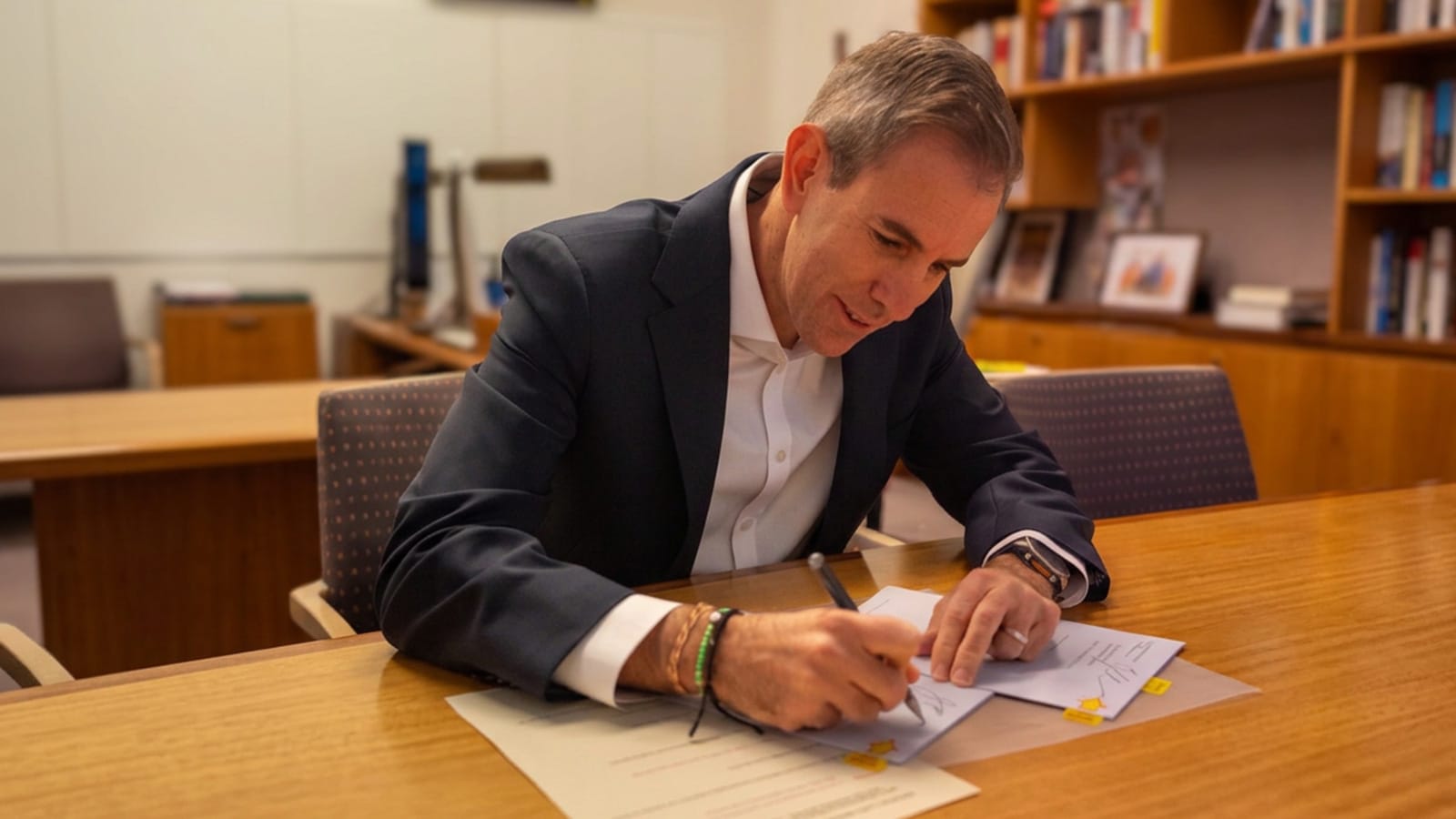
Simultaneously in Hobart, Tasmanian Labor MP Shane Broad informed the state parliament that legal settlement had already taken place the previous Friday, August 7. Despite pushback from federal and state Labor ranks, the Tasmanian House of Assembly voted 17 to 15—carried by crossbench independents—to establish a state parliamentary inquiry into the purchase and its regional economic fallout.
4. Cross-Party and Regional Opposition
Resistance to the sale has crossed traditional political lines:
+------------------------------------+------------------------------------+
| Political / Regional Figure        | Public Stance & Core Critique      |
+------------------------------------+------------------------------------+
| Angus Taylor (Federal Opposition)  | Flagged federal bill banning CEFC  |
|                                    | from farm-to-forest financing.     |
+------------------------------------+------------------------------------+
| Pauline Hanson (One Nation)        | Attacked net-zero subsidies;       |
|                                    | challenged Senate transparency.    |
+------------------------------------+------------------------------------+
| Jeremy Rockliff (Tasmanian Premier)| Called public funding of farm-to-  |
|                                    | tree conversion flawed policy.     |
+------------------------------------+------------------------------------+
| Lindsay White (Tasmanian Farmer)   | Argued land could have supported   |
|                                    | over 20 independent farm families. |
+------------------------------------+------------------------------------+
| Janie Finlay (Tas. Labor Deputy)   | Broke party ranks, labeling the    |
|                                    | federal CEFC backing a bad call.   |
+------------------------------------+------------------------------------+
Federal Opposition Leader Angus Taylor stated that while the Coalition supports emissions reduction, it should not distort rural land markets or displace food-producing soil. The National Farmers’ Federation (NFF), through President Hamish McIntyre, echoed calls for guardrails similar to those adopted in New Zealand, which implemented limits on whole-farm conversions to exotic forestry to protect domestic food security.
Professional Perspective
================================================================================
                      INVESTIGATIVE ANALYSIS & COMMENTARY
                       By Senior National Affairs Analyst
================================================================================
The Rushy Lagoon transaction represents a fundamental policy intersection in Australia: the collision between statutory decarbonization mechanisms and the underlying economics of agricultural property.
                THE EMISSIONS COMPLIANCE ENGINE
┌─────────────────────────────────────────────────────────────┐
│ High-Emitting Industrial Entities / Safeguard Mechanism     │
└──────────────────────────────┬──────────────────────────────┘
                               │ Demands compliance offsets
                               ▼
┌─────────────────────────────────────────────────────────────┐
│ Institutional Capital / Natural Capital Funds (e.g. TNAT)   │
└──────────────────────────────┬──────────────────────────────┘
                               │ Backed by CEFC public equity
                               ▼
┌─────────────────────────────────────────────────────────────┐
│ Rural Real Estate Market (21,745 Hectares at Cape Portland) │
└──────────────────────────────┬──────────────────────────────┘
                               │ Displaces traditional operators
                               ▼
┌─────────────────────────────────────────────────────────────┐
│ Traditional Ag Operators (Valued purely on food commodities)│
└─────────────────────────────────────────────────────────────┘
1. The Carbon Arbitrage Distorting Rural Land
The central economic driver behind the Rushy Lagoon purchase is land yield arbitrage.
A traditional agricultural enterprise evaluates a hectare based on what it can yield in milk solids, kilograms of beef, or bushels of wheat. These returns are subject to rainfall variations, global commodity cycles, fertilizer costs, and domestic shipping logistics.
An institutional natural capital platform models the exact same hectare through a dual-income stream:
-
Future timber harvest values (sawlogs and pulpwood), and
-
Upfront, predictable generation of Australian Carbon Credit Units (ACCUs).
Under the Commonwealth’s Safeguard Mechanism, Australia’s largest industrial emitters face mandatory baselines that decrease year-on-year. To meet compliance obligations without curtailing physical industrial throughput, demand for verified carbon offsets has surged. When a federal statutory financier provides co-investment equity ($69 million at low cost of capital) and federal grants provide seedling capital ($8.8 million), the net present value (NPV) of that land to a carbon fund increases significantly.
A family farming syndicate assessing land strictly on cattle margins cannot compete against institutional capital backed by government balance sheets and compliance-driven corporate offset buyers.
2. The Land Classification Defense: Policy vs. Reality
The primary defense presented by government representatives centers on land capability classification. By defining Rushy Lagoon as Class 5 and Class 6 country—land characterized by sandy soils and environmental limitations—the transaction complies with the literal text of state protection policies that shield Class 1–3 “prime” agricultural land.
┌────────────────────────────────────────────────────────────────────────┐
│             LAND CAPABILITY VS. AGGREGATED PRODUCTION                  │
├────────────────────────────────────────────────────────────────────────┤
│ Statutory View (Class 5/6):                                            │
│ • Defined as non-prime, sandy coastal country.                         │
│ • Legally eligible for afforestation and natural capital projects.     │
├────────────────────────────────────────────────────────────────────────┤
│ Agricultural Reality:                                                  │
│ • 1,170 ha under developed center-pivot irrigation.                    │
│ • 12,500 ML water entitlements creating high-capacity fodder engines.  │
│ • Supported thousands of dairy and beef breeders for decades.          │
└────────────────────────────────────────────────────────────────────────┘
This statutory definition overlooks modern agricultural engineering. While the underlying soil profile may be lower tier, the combination of 12,500 megalitres of secure water rights, center-pivot irrigation, and intensive pasture management turned Rushy Lagoon into a major milk and protein production engine for decades. When planning laws assess soil solely on historical geological profiles rather than developed operational output, policy gaps emerge.
3. The Unaddressed Questions
As parliament prepares to debate the CEFC mandate and the Tasmanian state inquiry begins hearings, several key questions require examination:
-
The Transparency Gap: Why were parliamentary chambers permitted to debate transactional halts and document productions days after settlement had concluded privately?
-
Market Neutrality: What formal guidelines govern how the CEFC chooses which commercial land tenders to back, ensuring public capital does not crowd out private domestic farmers?
-
Long-Term Socio-Economic Displacement: While forestry advocates project 190 lifetime jobs in planting, pruning, and downstream processing, what is the net regional economic impact when continuous, year-round dairy and cattle operational expenditures are removed from local township supply chains?
-
The New Zealand Precedent: Will Australia follow other agricultural exporters in drafting clear legislative boundaries to prevent broadacre food bowls from being converted entirely into corporate carbon offsets?
The controversy over Rushy Lagoon is not an isolated land sale; it is the opening chapter of a profound debate over the structure of regional Australia in the net-zero era.
As Australia moves forward with ambitious climate commitments, the fundamental purpose of agricultural land is being actively redefined. If public green financing is deployed without clear safeguards for domestic food production, regional communities risk finding themselves priced out of their own landscapes by financial structures created in Canberra and London.
The question facing the Australian public and parliament is straightforward: Can the nation build a credible emissions-reduction model that drives industrial decarbonization without using taxpayer funds to displace the very family farms that supply its food?