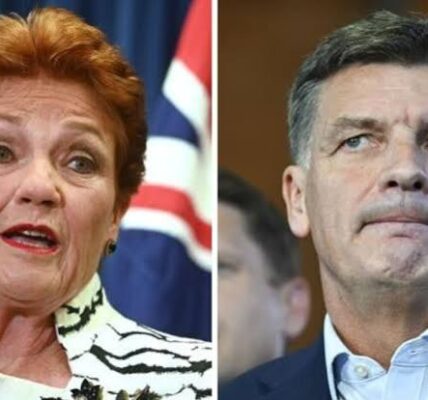
SHIFTS IN THE ELECTORAL LANDSCAPE: PUBLIC OPINION POLLS HIGHLIGHT EVOLVING VOTER SENTIMENT. u1

The Shift in the Australian Political Landscape
Recent national opinion polling highlights an increasingly volatile electoral environment in Australia, driven by persistent cost-of-living pressures and growing voter disillusionment with the major parties. The documented rise in primary support for minor parties, including Pauline Hanson’s One Nation, reflects a broader fragmentation of the electorate that is testing both the governing Labor Party and the Coalition opposition.

Voters seeking authoritative information on the electoral process, enrolment status, or jurisdiction-specific voting systems can consult official independent bodies:
-
Federal Enrolment and Electoral Guidance: Verify voter registration status and learn about federal voting systems through the Australian Electoral Commission Portal.
-
South Australia State and Local Elections: Access regional voter roll services and election updates via the Electoral Commission of South Australia.
-
Western Australia State and Local Elections: Check state-level election notices and enrolment guidelines at the Western Australian Electoral Commission.
1. The News Story: Anatomy of a Fractured Electorate
To understand why recent polling shifts are capturing widespread attention across Canberra and regional electorates, one must examine the key drivers behind voter volatility, the mechanics of Australia’s voting architecture, and the broader social and economic context.
       ┌─────────────────────────────────────────────────────────────┐
       │             THE DYNAMICS OF MINOR PARTY ASCENDANCY          │
       └──────────────────────────────┬──────────────────────────────┘
                                      │
          ┌───────────────────────────┼───────────────────────────┐
          ▼                           ▼                           ▼
 ┌─────────────────┐         ┌─────────────────┐         ┌─────────────────┐
 │ Economic Strain │         │ Institutional   │         │ Preferential    │
 │ & Inflation     │         │ Skepticism      │         │ Mechanics       │
 ├─────────────────┤         ├─────────────────┤         ├─────────────────┤
 │• Real wage lags │         │• Major party    │         │• Primary vote   │
 │• Housing costs  │         │  exhaustion     │         │  erosion        │
 │• Energy bills   │         │• Cultural &     │         │• Crossbench and │
 │  & utility caps │         │  border debates │         │  preference flow│
 └─────────────────┘         └─────────────────┘         └─────────────────┘
Core Factors Behind the Shifts
-
Cost-of-Living Pressures: Sustained inflation, escalating utility bills, and elevated mortgage and rental costs continue to strain household budgets, reducing voter patience with governing incumbents.
-
Scrutiny on the Major Parties: Prime Minister Anthony Albanese’s Labor administration faces intensifying scrutiny regarding the speed and impact of its economic relief measures. Simultaneously, the Coalition opposition must navigate pressure on its conservative flank, contending with minor parties competing for right-of-center voters.
-
The Rise of Minor Parties and Independents: The rise in support for Pauline Hanson’s One Nation and other minor factions demonstrates a growing appetite for alternative political voices outside the traditional two-party framework.
-
The Role of Preferential Voting: In Australia’s preferential voting system, minor shifts in first-preference votes significantly influence how preferences flow, increasing the electoral impact of crossbench and independent candidates in marginal seats.
2. My Professional Perspective
===============================================================================
                    INVESTIGATIVE DISPATCH: BEYOND THE HEADLINE
                     Observations from 30 Years on the Beat
===============================================================================
Over thirty years of covering federal campaigns, parliamentary battles, and shifting voting patterns across Australia, I have observed a consistent pattern: headline polling numbers rarely tell the complete story of an election, but they clearly reveal where public patience is beginning to wear thin.
When national surveys report an uptick in support for populist or minor parties, conventional political commentary often frames the movement as a sudden, erratic protest vote. The experienced investigative analyst looks beneath the surface at the systemic fractures that have been building for years.
       ┌─────────────────────────────────────────────────────────────┐
       │             THE TWO-PARTY PRIMARY EROSION CYCLE             │
       └──────────────────────────────┬──────────────────────────────┘
                                      ▼
                   Economic Squeeze on Outer-Suburban Seats
                                      ▼
             ┌────────────────────────┴────────────────────────┐
             ▼                                                 ▼
   Governing Party View:                            Opposition Challenge:
   "Our policy reforms take time                    "Voters are frustrated with
    to deliver structural relief."                   the government, but looking
                                                     beyond both major parties."
             │                                                 │
             └────────────────────────┬────────────────────────┘
                                      ▼
                      Rise of the Decentralized Crossbench
                                      ▼
                   Parliamentary Power Increasingly Shared
The Deeper Context Behind Minor Party Momentum
-
The Erosion of the Two-Party Monopoly: For decades, the combined primary vote for Labor and the Coalition routinely exceeded 80 percent. In modern contests, that combined share has steadily shrunk, opening significant space for crossbenchers, Greens, Teals, and minor conservative parties to establish enduring parliamentary footprints.
-
Protest Sentiment vs. Structural Alignment: Minor parties often capture initial support by voicing public frustration on high-salience issues such as immigration, national sovereignty, energy costs, and regional development. The central challenge for these movements is converting short-term public dissatisfaction into sustainable, long-term policy platforms.
-
Preferential Mechanics in Practice: Under the Australian electoral system, primary vote erosion forces major parties to fight across multiple fronts simultaneously—defending suburban mortgage belts against populist minor parties while protecting metropolitan seats from progressive independents and third parties.
Snapshots of public sentiment provide valuable insights into evolving national conversations, but they are not definitive forecasts of future election outcomes. Long-term electoral trends, economic trajectories, and the specific dynamics of local electorates will ultimately decide the balance of power.

As economic pressures and key policy debates continue to shape public discussion, both major parties face the dual challenge of addressing immediate household concerns while presenting clear, credible visions for the nation’s future.
As voter preferences continue to diversify across minor parties and independent movements, can the traditional two-party system re-engage a disillusioned electorate, or has Australian politics permanently entered a multi-party era?