Labor’s $65.5 million Islamophobia package takes the multicultural security bill to $268 million. u1

The Cost of Cohesion: Islamophobia Funding, Counter-Terror Deficits, and the Limits of Social Engineering
Following the October 7 Hamas attacks in southern Israel and the devastating war in Gaza, the Australian political landscape experienced severe social strain. Rallies, campus encampments, street clashes, and rising incidents of both antisemitism and Islamophobia placed immense pressure on the federal government to demonstrate institutional neutrality and social cohesion.
In response, the Albanese Labor government appointed two dedicated envoys: Jillian Segal as the Special Envoy to Combat Antisemitism, and Aftab Malik as the Special Envoy to Combat Islamophobia.
Their mandate was to consult directly with impacted faith communities, assess systemic vulnerabilities, and provide recommendations to Cabinet on how the Commonwealth should protect citizens from religious discrimination, vilification, and physical violence.
+-------------------------------------------------------------------------+
|                  THE SOCIAL COHESION FINANCIAL COMPLEX                  |
+-------------------------------------------------------------------------+
|  • Special Envoy to Combat Islamophobia: Aftab Malik (Appointed 2024)   |
|  • Response Release Date: Saturday, July 18                             |
|  • Recommendations: 35 Adopted out of 54 Total Presented                |
|  • Reported New Commitment: $65.5 Million                               |
|  • Existing Parallel Programs: $25M Security Uplift / $178M Budget Pool |
|  • Method of Publication: Uncosted Joint Press Release over Weekend     |
+-------------------------------------------------------------------------+
The Main Event: The Saturday Drop and the $65.5 Million Allocation
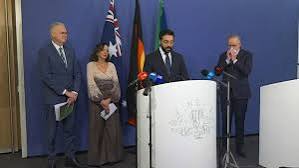
On Saturday, July 18, the Commonwealth released its formal response to the Special Envoy to Combat Islamophobia via a joint ministerial statement from Prime Minister Anthony Albanese, Home Affairs Minister Tony Burke, and Multicultural Affairs Minister Anne Aly.
The government confirmed it had adopted 35 of the 54 recommendations presented by Envoy Aftab Malik. However, while the official statement published on the Prime Minister’s website detailed broad programmatic commitments, it contained no total cost figure, no line-item breakdown, and no budget ledger.
The actual price tag—a reported $65.5 million—reached the public strictly through political correspondents in the Canberra press gallery during a winter sporting weekend.
┌─────────────────────────────────────────────────────────────────────────┐
│                     THE FUNDING BREAKDOWN AT A GLANCE                   │
│                                                                         │
│   REPORTED EXPENDITURE ALLOCATION                     VALUE             │
│   ────────────────────────────────────────────────    ─────────────     │
│   • Infrastructure Security (Mosques/Islamic Schools) $41.9 Million     │
│   • Dedicated Muslim Athlete Sports Facility Complex  $15.0 Million     │
│   • Mental Health & Student Support Services          $6.0 Million      │
│   • Office for Multicultural Affairs Operations       $2.6 Million      │
│   ────────────────────────────────────────────────    ─────────────     │
│   TOTAL NEW COMMITMENT REPORTED:                      $65.5 Million     │
└─────────────────────────────────────────────────────────────────────────┘
The major components of the package, corroborated across news services (including SBS and AAP), include:
-
$41.9 million directed toward enhancing physical security infrastructure at Muslim faith-based institutions, including mosques, community centers, and Islamic colleges.
-
$15.0 million allocated toward the construction of a dedicated sports facility for Muslim athletes.
-
$6.0 million earmarked for targeted mental health, wellbeing, and youth counseling initiatives within Islamic schools.
-
$2.6 million provided to resource operational capacity within the Office for Multicultural Affairs.
A suite of structural reforms was also outlined without specific budget allocations: establishing an Islamophobia Education Taskforce, mandatory anti-bias training for public servants, parliamentarians, police, and judiciary members, an expansion of Australian Federal Police (AFP) Community Liaison Teams, a newly created AFP Social Cohesion Team, and formal legislative mandates requiring Australian universities to implement reporting and prevention systems for Islamophobia on campus.
What Was Rejected: The 19 Omitted Recommendations
The government formally declined or shelved 19 recommendations submitted by Malik, which had sat with Cabinet for ten months prior to the determination.
Among the rejected proposals:
-
A formal Commission of Inquiry into Islamophobia.
-
A parallel Commission of Inquiry into anti-Palestinian and anti-Arab racism.
-
Amending federal racial discrimination law to explicitly encompass religious protections for Muslims.
-
An independent review of Commonwealth counter-terrorism statutes, which Malik argued operate with systemic bias against Islamic communities—a proposal the Prime Minister confirmed was rejected based on advice from national security agencies.
The response drew mixed reactions from community leadership. While the funding was welcomed, Bilal Rauf, Senior Advisor to the Australian National Imams Council (ANIC), highlighted a core enforcement void:
“There wasn’t much, if any, discussion about legal consequences and enforcement. Unless there is enforcement and legal consequence on the ground, there is a question for how far any change might travel.”
+------------------------------------------------------------------------------------------------+
|                             ENVOY RECOMMENDATIONS: ACCEPTED VS REJECTED                        |
+--------------------------------+---------------------------+-----------------------------------+
| POLICY PROPOSAL                | GOVERNMENT ACTION         | REASON / IMPLICATION              |
+--------------------------------+---------------------------+-----------------------------------+
| Physical Security Grants       | Adopted ($41.9M)          | Direct infrastructure hardening   |
+--------------------------------+---------------------------+-----------------------------------+
| Dedicated Sports & Youth Hub   | Adopted ($15.0M)          | Community engagement initiative   |
+--------------------------------+---------------------------+-----------------------------------+
| Inquiries into Anti-Arab Bias  | Rejected                  | Deemed redundant / unviable       |
+--------------------------------+---------------------------+-----------------------------------+
| Counter-Terror Act Review      | Rejected                  | Blocked on national security advice|
+--------------------------------+---------------------------+-----------------------------------+
2. Professional Analysis & Personal Perspective
My Professional Perspective
Over thirty years of investigating international conflict, domestic intelligence architectures, and federal policy across three continents, I have covered state responses to civil unrest in Belfast, Paris, Washington, and Sydney.
One immutable law governs public spending: you cannot solve structural geopolitical and religious animosities with discretionary grant programs, and when a government hides costings in a weekend release, it is managing political optics rather than national security.
┌─────────────────────────────────────────────────────────────────────────┐
│                    THE STRUCTURAL COHESION PARADOX                      │
│                                                                         │
│   CIVIC ASSUMPTION                       REALITY ON THE GROUND          │
│   ┌───────────────────────────┐          ┌────────────────────────────┐ │
│   │ Discretionary grants and  │          │ Centurial geopolitical     │ │
│   │ educational taskforces    │   ───►   │ animosities are imported;  │ │
│   │ manufacture harmony and   │          │ physical hardening replaces│ │
│   │ dissolve sectarianism.    │          │ actual social cohesion.    │ │
│   └───────────────────────────┘          └────────────────────────────┘ │
└─────────────────────────────────────────────────────────────────────────┘
When you look past the diplomatic language of the joint press release, the Albanese government’s $65.5 million package reveals deep contradictions in Australia’s national security management.
What Important Details Have People Overlooked?
While parliamentary debate fixates on whether the spending is sufficient or excessive, three systemic realities have been almost entirely ignored:
-
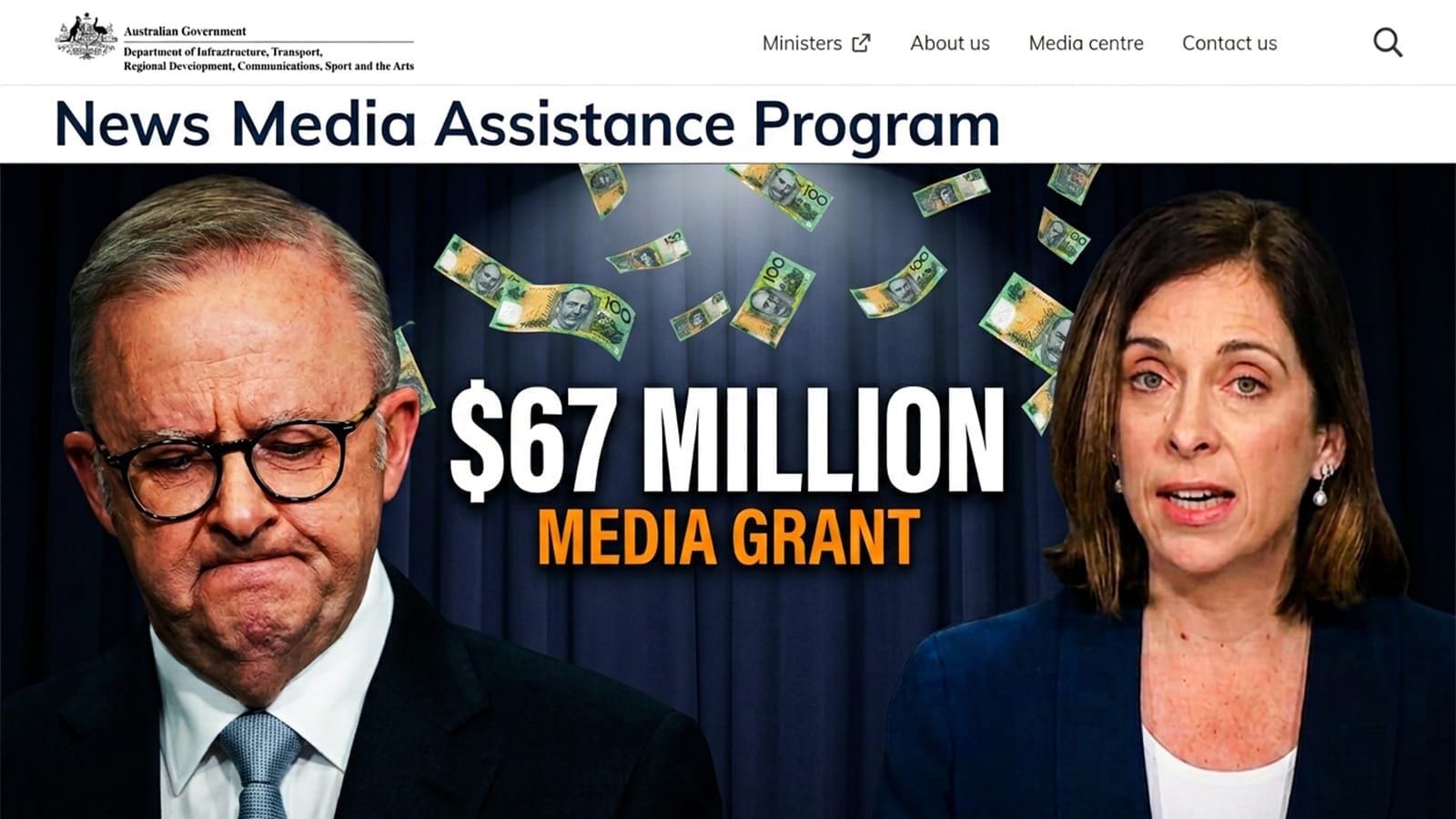
The “Saturday News Dump” as Transparency Avoidance: The practice of dropping major fiscal commitments on a Saturday morning during peak sports broadcasting—without publishing the dollar figures on official government domains—is an established public relations tactic designed to minimize scrutiny. When paired with the previous week’s $67.6 million Journalism Assistance Fund disclosure, the Commonwealth committed over $133 million in taxpayer funds across eight days without a single comprehensive costing table appearing on ministerial homepages.
-
The Overlap with the Existing $25 Million Security Program: The Department of Home Affairs already administers a $25 million “Security Uplift for Muslim Communities” program through the Australian National Imams Council (ANIC), carved out of the previous budget’s $178 million social cohesion package. The government has never explained whether Saturday’s $41.9 million security tranche is new money added to the existing $25 million, or if it subsumes the earlier allocation.
-
The Physical Hardening of Public Life: The true measure of social cohesion is not the size of a grant pool, but whether citizens can move through society without physical guards. When a nation is forced to spend tens of millions of dollars to place perimeter security, blast-proof glass, and surveillance cameras around synagogues, Jewish day schools, mosques, and Islamic colleges, it is not managing multicultural harmony; it is managing physical containment.
                      THE PARALLEL FISCAL ALLOCATION

          ┌───────────────────────────────────────────────────┐
          │ 2025 Budget: $178M Social Cohesion Package        │
          └─────────────────────────┬─────────────────────────┘
                                    │
                  ┌─────────────────┴─────────────────┐
                  ▼                                   ▼
      ┌───────────────────────┐           ┌───────────────────────┐
      │ Existing $25M Uplift  │           │ New $41.9M Security   │
      │ (ANIC Administration) │           │ Allocation (Sat Drop) │
      └───────────────────────┘           └───────────────────────┘
                  │                                   │
                  └────────► UNCLARIFIED STATUS ◄─────┘
What Deeper Meaning is Behind This Event?
This announcement reflects a profound crisis at the heart of the Western multicultural model: the assumption that geographic relocation erases generational, ideological, and theological conflicts.
For five decades, Australian policymakers operated under the premise that economic opportunity and civic tolerance would lead individuals fleeing active conflict zones to leave historic grievances at the border.
The events following October 7, 2023—from the celebrations of violence outside the Sydney Opera House to the firebombing of synagogues and death threats directed at community leaders—demonstrate the limits of this assumption.
When a Western democracy imports the opposing sides of the world’s most intractable conflicts without demanding complete assimilation into a single, non-negotiable civic framework, the tensions inevitably spill onto domestic streets. The state is then forced into an endless cycle of financial payouts: creating new taskforces, funding liaison units, and building security perimeters to keep warring factions from clashing in suburban neighborhoods.
+-------------------------------------------------------------------------+
|                  THE SOCIAL POLICY REALITY MATRIX                       |
+-------------------------------------------------------------------------+
|  THE THEORETICAL PROMISE                THE OPERATIONAL REALITY         |
|  • Organic, seamless harmony            • Physical hardening of places  |
|  • Equal integration into civic values  • Escalating sectarian tensions |
|  • Self-sustaining community peace      • Endless multi-million grants  |
|  • Border acts as ideological reset     • Foreign conflicts reenacted   |
+-------------------------------------------------------------------------+
The Resource Disconnect: Bondi vs. Bureaucratic Taskforces
The most jarring aspect of the government’s spending priorities emerges when contrasted with frontline counter-terrorism resources.
Consider the operational timeline:
-
In September 2025, an elite Australian Federal Police (AFP) national surveillance team established under the High Risk Terrorist Offender regime was quietly disbanded. The internal justification provided by AFP leadership was direct: “Current budget pressures and the lack of certainty in relation to ongoing funding has limited our ability to fill vacancies.”
-
In November 2025, the AFP Association formally warned ministers that the federal force faced acute personnel shortages across its counter-terrorism commands in a rapidly escalating threat environment.
-
On December 14, 2025, the Bondi terror attack left 15 dead and 40 wounded.
Yet, while frontline counter-terror surveillance capability struggled with funding certainty for eight positions, the Commonwealth found $65.5 million in discretionary funding for educational taskforces, administrative liaisons, and sports facilities.
As AFP Association President Alex Caruana noted following the Royal Commission on Antisemitism and Social Cohesion’s interim report:
“Government can’t continually ask frontline officers and specialist teams to take on greater responsibilities, operate in high-risk environments, and deliver results with stretched budgets, outdated equipment, and insufficient staffing.”
┌─────────────────────────────────────────────────────────────────────────┐
│                    THE NATIONAL SECURITY FUNDING GAP                    │
│                                                                         │
│   FRONTLINE POLICING / SURVEILLANCE        DISCRETIONARY SOCIAL GRANTS  │
│   ┌────────────────────────────────┐       ┌──────────────────────────┐ │
│   │ • AFP High-Risk Terror Team    │       │ • $65.5M Envoy Response  │ │
│   │   disbanded over funding       │  vs.  │ • $15M Sports Complex    │ │
│   │ • 8 positions left unstaffed   │       │ • $67.6M Media Subsidies │ │
│   │ • Warning on operational strain│       │ • Uncosted Taskforces    │ │
│   └────────────────────────────────┘       └──────────────────────────┘ │
└─────────────────────────────────────────────────────────────────────────┘
The Unanswered Questions That Demand Investigation
Any serious investigative examination into this funding announcement must demand clear answers from the Home Affairs portfolio:
-
The Provenance and Accounting of the Funds: Why were the line items and total expenditure excluded from the official prime ministerial media release, and from which specific departmental budget lines were these funds reallocated?
-
The Operational Baseline of Frontline Counter-Terrorism: If the Prime Minister maintains that every security agency request has been fully funded, why did internal AFP correspondence confirm the dissolution of a high-risk surveillance unit due to budget shortfalls immediately prior to the Bondi tragedy?
-
Measurable Metrics for Cohesion Programs: What empirical audits exist to evaluate whether multimillion-dollar cohesion taskforces and liaison units actually reduce radicalization, versus simply funding bureaucratic overhead?
Summary and Reflection
The uncosted release of the $65.5 million response to the Special Envoy to Combat Islamophobia is an important milestone in Australia’s evolving domestic policy. It illustrates a government navigating intense social fractures by deploying public money to manage communal anxiety.
===========================================================================
                     THE ESSENTIAL POLICY CONTRADICTION
===========================================================================
        THE STATE'S MECHANISM                  THE CORE REALITY
     "Deploying grants and taskforces        "Civic peace is built on shared
      to contain community tensions           allegiance to the rule of law,
      and project social harmony."            not expanding security budgets."
===========================================================================
True community safety is not achieved by erecting higher fences around places of worship or creating new administrative committees. It is forged through an uncompromising defense of the rule of law, rigorous support for frontline law enforcement and counter-terrorism personnel, and an absolute expectation that all who live under the Australian flag give their primary allegiance to the peace and security of the nation.
When a society must continually expand its security budget simply to keep its faith communities from harm, it is time to look beyond the grant announcements and honestly confront the fractured state of modern social cohesion.
A Question for the Reader
When a government struggles to maintain dedicated counter-terrorism surveillance teams while committing tens of millions to uncosted social and community taskforces, is it building long-term peace—or is it merely managing the symptoms of a fracturing society?