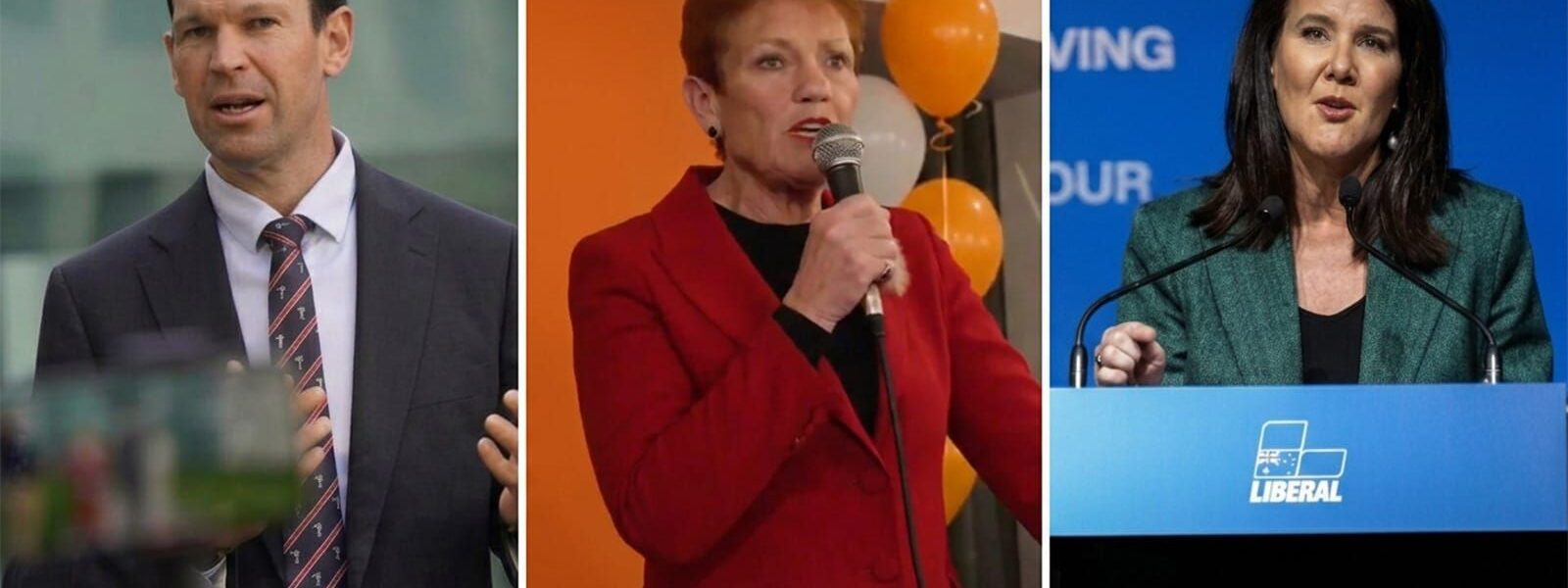
Matt Canavan says put Labor last, while Jane Hume compares One Nation to a rival footy club. u1

The Preference Equation: Inside the Coalition’s Divide Over One Nation
In Australian preferential voting, who you urge voters to put second can matter almost as much as who they rank first.
When Nationals leader Matt Canavan openly suggested that the Coalition should actively discuss a two-way preference deal with Pauline Hanson’s One Nation, it shattered the disciplined public stance maintained by his urban Liberal counterparts. Just hours later, acting Opposition Leader Jane Hume brushed aside questions regarding the minor party’s surging polls by comparing party allegiance to barracking for the St Kilda Football Club.
The contrast between Canavan’s raw electoral pragmatism and Hume’s brand loyalty captures a fundamental dilemma gripping the center-right: as minor parties reshape the conservative base, does the Coalition negotiate with the forces peeling away its voters, or hold an uncompromising line at the risk of permanent division?
The Confrontation on the Airwaves
Appearing on Seven’s Sunrise, Nationals leader Matt Canavan broke ranks on the Coalition’s long-standing preference stance.
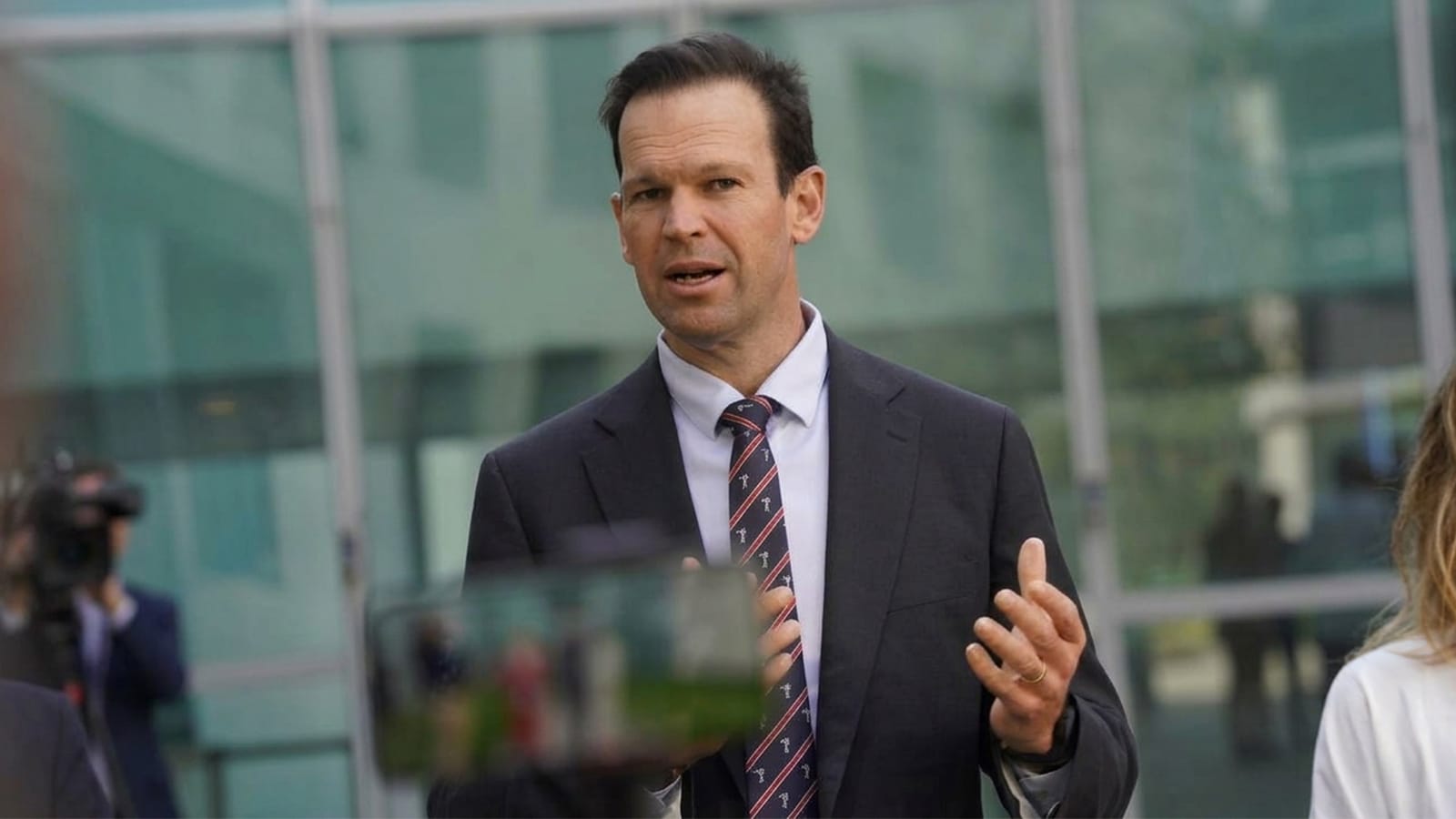
“I’m willing to cooperate with anyone to get rid of this terrible government,” Canavan stated during the broadcast. Pointing to Australia’s preferential voting system, he urged voters to mark the Australian Labor Party at the very bottom of the ballot paper and confirmed that preference swaps with One Nation were a matter for active discussion: “It’s got to be a two-way street. I will do everything I can to change and kick out this government.”
The Coalition’s Internal Divide
Canavan’s openness stands in stark contrast to the hardline boundary drawn by federal Liberal leadership:
-
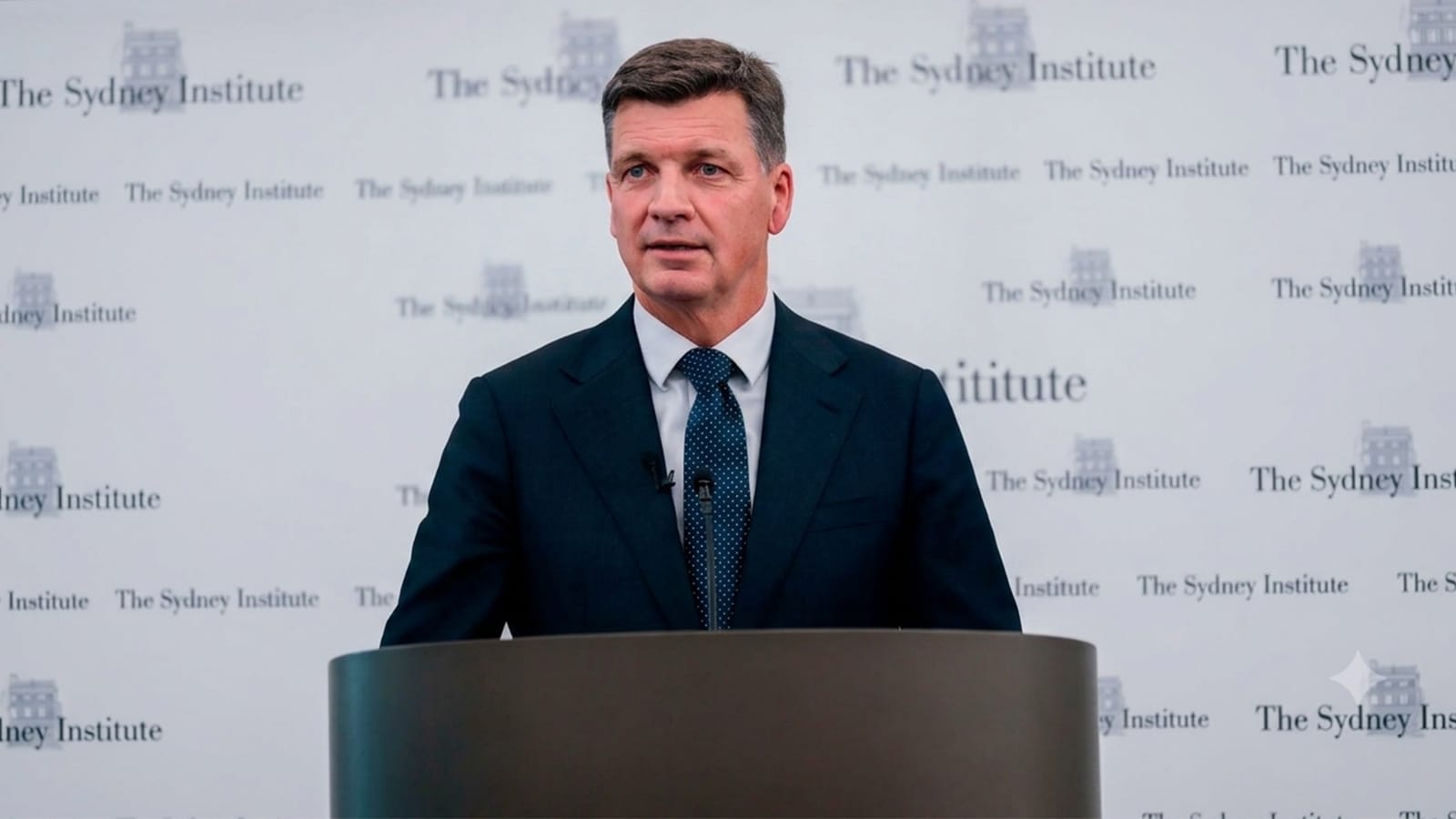
Opposition Leader Angus Taylor: Has publicly ruled out entering any formal alliance or governing coalition with One Nation.
-
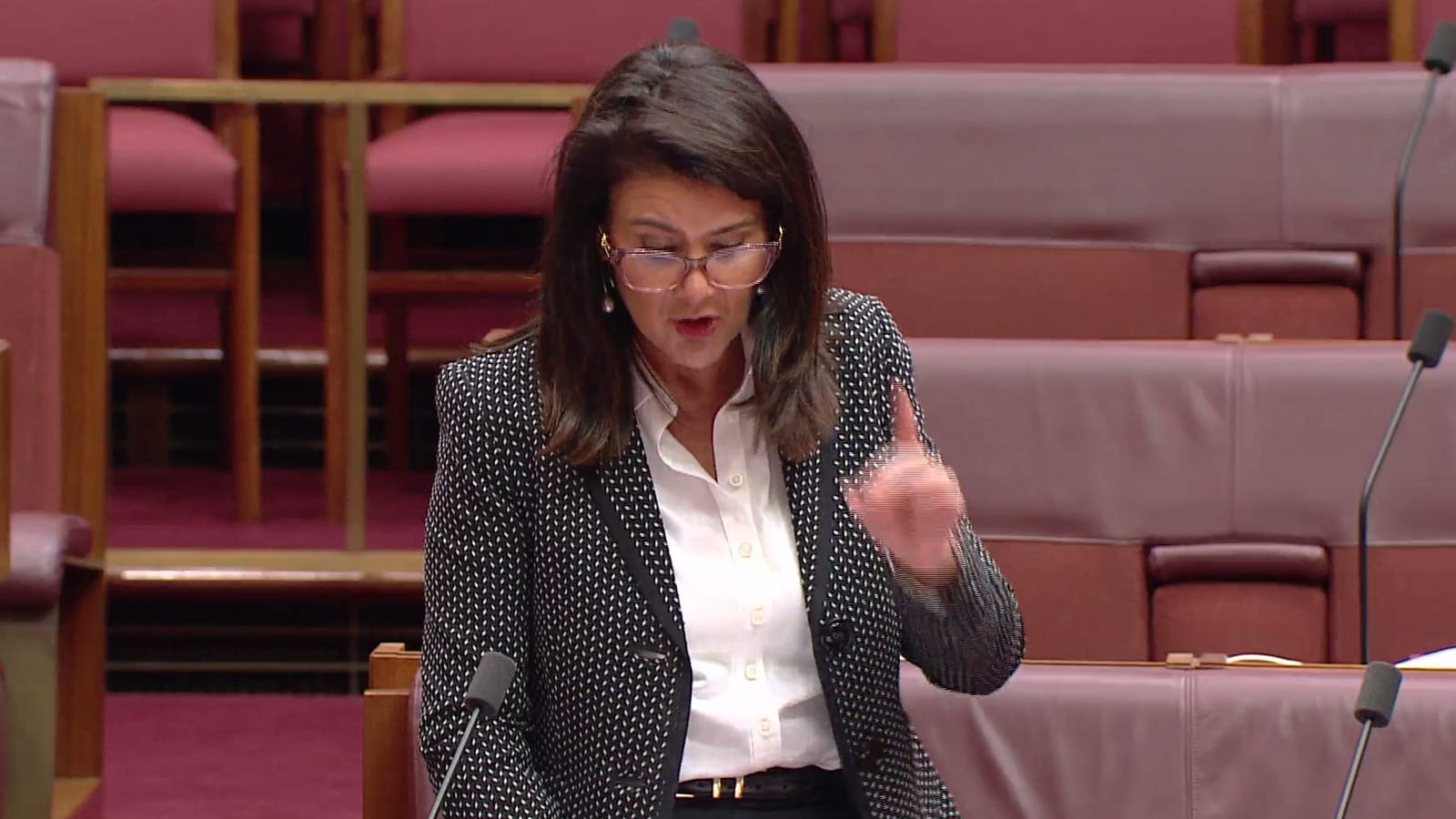
Acting Opposition Leader Jane Hume: Reaffirmed on the ABC’s Insiders that the Coalition would not govern in a formal coalition with One Nation, while keeping the door open to parliamentary supply in a hung parliament scenario.
-
The “Football Jersey” Analogy: When asked about former Scott Morrison general counsel Chris Taylor leaving the banking sector to become Pauline Hanson’s chief of staff, Hume dismissed shifting loyalties: “For me, you can’t change football teams. I barrack for St Kilda.”
-
State Precedents: The pragmatic approach advocated by Canavan has already played out regionally; Western Australian Liberals placed One Nation above Labor in the Secret Harbour by-election, illustrating how local branches diverge from federal messaging.
The Polling Backdrop and the Splintered Vote
The debate over preference exchanges follows a series of public opinion surveys detailing shifts across the Australian electorate:
-
Roy Morgan Survey: Recorded primary support showing One Nation at 24%, the Coalition at 23.5%, Labor at 27.5%, and the Greens at 15%. Combined, the right-of-center vote (Coalition + One Nation) stands at 47.5%—twenty points clear of Labor’s primary base—yet Labor remains competitive on two-party preferred modeling because the conservative vote remains fractured.
-
RedBridge Polling: Placed One Nation leading primary preferences at 31%, with Labor on 29% and the Coalition trailing at 22%.
-
Leadership Ratings: Prime Minister Anthony Albanese retains preferred prime minister status on 32% (with a -19 net approval rating), followed by Pauline Hanson on 24% and Angus Taylor on 15%.
┌─────────────────────────────────────────────────────────────────────────┐
│                    THE FEDERAL VOTING INTENTION SPLIT                   │
├─────────────────────────────────────────────────────────────────────────┤
│                                                                         │
│   Labor Primary Base:            27.5% - 29.0%                          │
│                                                                         │
│   Combined Center-Right Base:    45.5% - 47.5%                          │
│   ├── One Nation:                24.0% - 31.0%                          │
│   └── Coalition:                 22.0% - 23.5%                          │
│                                                                         │
│   THE ELECTORAL BOTTLENECK:                                             │
│   Without disciplined two-way preference discipline, a 47.5% bloc       │
│   risks exhaustion, allowing a 27.5% primary vote to retain seats.       │
│                                                                         │
└─────────────────────────────────────────────────────────────────────────┘
Policy Battlegrounds: Scrutiny Over Major Delivery Programs
The policy debate driving the Coalition and crossbench campaigns centers heavily on cost-of-living pressures, energy policy, and capital delivery overruns detailed in recent audit reviews:
-
Inland Rail: Originally budgeted at $8.4 billion in 2017 to connect Melbourne to Brisbane, an independent review projected ultimate completion costs exceeding $45 billion. Delivery north of Parkes was halted in mid-2026, with $1.75 billion reallocated.
-
Snowy 2.0: Commissioned with an initial $6.1 billion price tag, the project’s budget was reset to $12 billion in 2023. Actual expenditure surpassed $11.1 billion by early 2026, with final delivery dates subject to ongoing review by the Australian National Audit Office.
-
Housing Australia Future Fund (HAFF): Designed as a $10 billion investment vehicle to deliver 40,000 social and affordable dwellings by mid-2029, the fund had recorded 1,432 completed homes by May 2026.
-
Energy and Climate Programs: Annual expenditure on net-zero and clean energy transition frameworks has expanded above $9 billion annually, operating alongside the $67 billion underwriting capacity of the Capacity Investment Scheme.
-
National Disability Insurance Scheme (NDIS): Projected at $53.8 billion annually, facing ongoing compliance scrutiny from the Australian Criminal Intelligence Commission and the multi-agency Fraud Fusion Taskforce.
One Nation’s Machine Consolidation
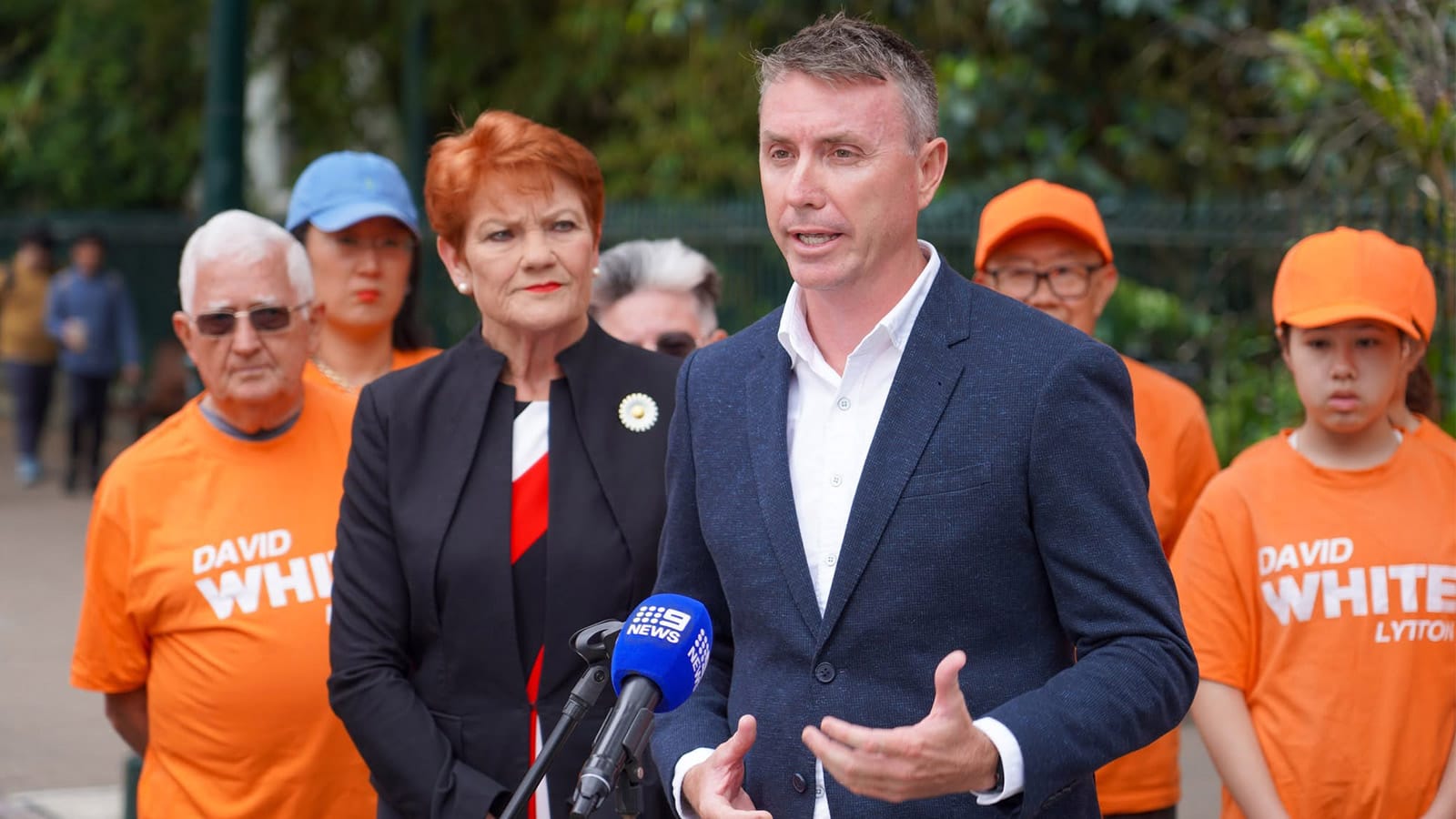
While the major parties debate preference ethics, One Nation has moved to professionalize its operational infrastructure. In addition to securing Chris Taylor as chief of staff to coordinate the party’s federal platform, James Ashby has stepped into the role of national party director to oversee field operations across upcoming state and federal campaigns.
2. My Professional Perspective
Covering thirty years of federal election cycles from the halls of Old Parliament House to the modern press gallery teaches you that ideological purism is often the first casualty of electoral math.
The divide between Matt Canavan and Jane Hume is not about personal temperament or sporting metaphors; it is a structural fault line between rural regionalism and suburban liberalism.
┌─────────────────────────────────────────────────────────────────────────┐
│              THE TWO STRATEGIES CONFRONTING THE COALITION               │
├─────────────────────────────────────────────────────────────────────────┤
│                                                                         │
│   REGIONAL PRAGMATISM (Canavan / Nationals)                             │
│   • Views One Nation as working-class conservative kin.                 │
│   • Prioritizes preference flows to secure seats in Queensland & NSW.    │
│   • Strategy: "Defeat Labor first; settle internal differences later."  │
│                                                                         │
│   METROPOLITAN CONTAINMENT (Hume / Moderate Liberals)                   │
│   • Views One Nation brand as toxic in inner-suburban / "Teal" seats.   │
│   • Fears preference deals will permanently alienate moderate voters.   │
│   • Strategy: "Maintain brand boundary; resist formal alignment."       │
│                                                                         │
└─────────────────────────────────────────────────────────────────────────┘
The Regional vs. Metropolitan Split
To Matt Canavan and regional National MPs, One Nation is not an existential enemy; it is a competitor drawing from the exact same regional, working-class demographic frustrated by energy costs, environmental regulations, and infrastructure project delays. In resource corridors across Queensland and regional New South Wales, formal preference exchanges are seen as simple common sense: keeping conservative seats out of Labor or Green hands.
To Jane Hume and moderate Liberals in Melbourne and Sydney, however, a formal embrace of Pauline Hanson is seen as electoral poison. In inner-suburban electorates contested by independent “Teal” candidates and progressive professionals, the mere appearance of a backroom deal with One Nation risks driving moderate voters away entirely.
Reducing the question to a football team is a rhetorical evasion designed to hold two irreconcilable strategies together.
The Math of Ballot Paper Exhaustion
What commentators frequently misunderstand about the Australian preferential system is that minor parties do not need to win lower house seats outright to dictate the final government.
If One Nation commands 20% to 30% of the primary vote across regional and outer-suburban divisions, the direction of its How-to-Vote cards determines who wins the seat. If the Coalition refuses to negotiate preference flows, minor-party preferences splinter and exhaust, allowing sitting members on low primary votes to win on residual flows.
Canavan recognizes that in a three-way race, the party that refuses to negotiate preferences is the party that gets eliminated first.
The Professionalization of the Insurgency
The appointment of seasoned operatives to One Nation’s inner circle signals that the party is attempting to transition from a personality-driven vehicle into an institutional political apparatus. By drafting experienced policy coordinators and establishing disciplined state tickets, the minor party is building the machinery necessary to challenge the Coalition in traditional blue-ribbon and regional heartlands.
Unanswered Questions Facing Center-Right Strategy
-
The Teal Margin: How does the federal Liberal leadership intend to win back moderate urban seats if regional Nationals forge explicit, public preference pacts with One Nation?
-
The Price of Supply: If a hung parliament delivers One Nation the balance of power, what specific legislative concessions—from net-zero repeal to migration caps—will crossbenchers demand in exchange for confidence and supply?
-
Voter Autonomy: In an era of digital How-to-Vote cards and declining party loyalty, will rank-and-file voters actually follow formal party preference recommendations on election day?
Australian politics is undergoing a generational fragmentation. The comfortable two-party dominance that defined postwar Canberra has given way to a volatile multi-party landscape where primary votes are distributed across major parties, minor insurgents, and independent crossbenchers.
In this transformed landscape, treating political loyalty like an inherited football jersey is an outdated strategy. Voters in outer-suburban growth corridors and regional towns are not cheering for team colors; they are navigating real financial pressures and demanding delivery on essential infrastructure.
Whether the Coalition resolves its internal preference dilemma will dictate not just the composition of the next parliament, but whether Australia’s traditional center-right parties can remain a unified governing force.
When the electorate splinters and traditional party loyalties dissolve, can a political movement survive by protecting its brand, or must it adapt to the pragmatic arithmetic of the ballot box?