
Treasury called it partial privatisation of Melbourne Water. Labor said nothing for five years. u1

The Shadow Pipeline: Behind the Five-Year Push to Commercialize Melbourne’s Water
In the opaque world of public infrastructure, privatization rarely arrives under its own name anymore. The era of outright asset sales—accompanied by televised press conferences and contentious parliamentary debates—has been superseded by something far more discreet.
Today, public assets are monetized through complex corporate mechanisms: “partial commercializations,” “joint ventures,” and 40-year concession deeds. Behind closed cabinet doors in Victoria, that exact blueprint was developed under the codename Project Nerva—a multi-year initiative aimed at bringing private institutional capital into Melbourne Water’s wholesale network.
While political leaders maintain that full privatization remains off the table, government records reveal an ongoing strategy: exploring ways to trade long-term public revenue streams for upfront capital injections to offset escalating state debt.
The Origins and Trajectory of Project Nerva
Beginning in October 2021, the Victorian Department of Treasury and Finance approached the state environment department to explore models for private sector equity participation in Melbourne Water. The initiative was formally designated Project Nerva.
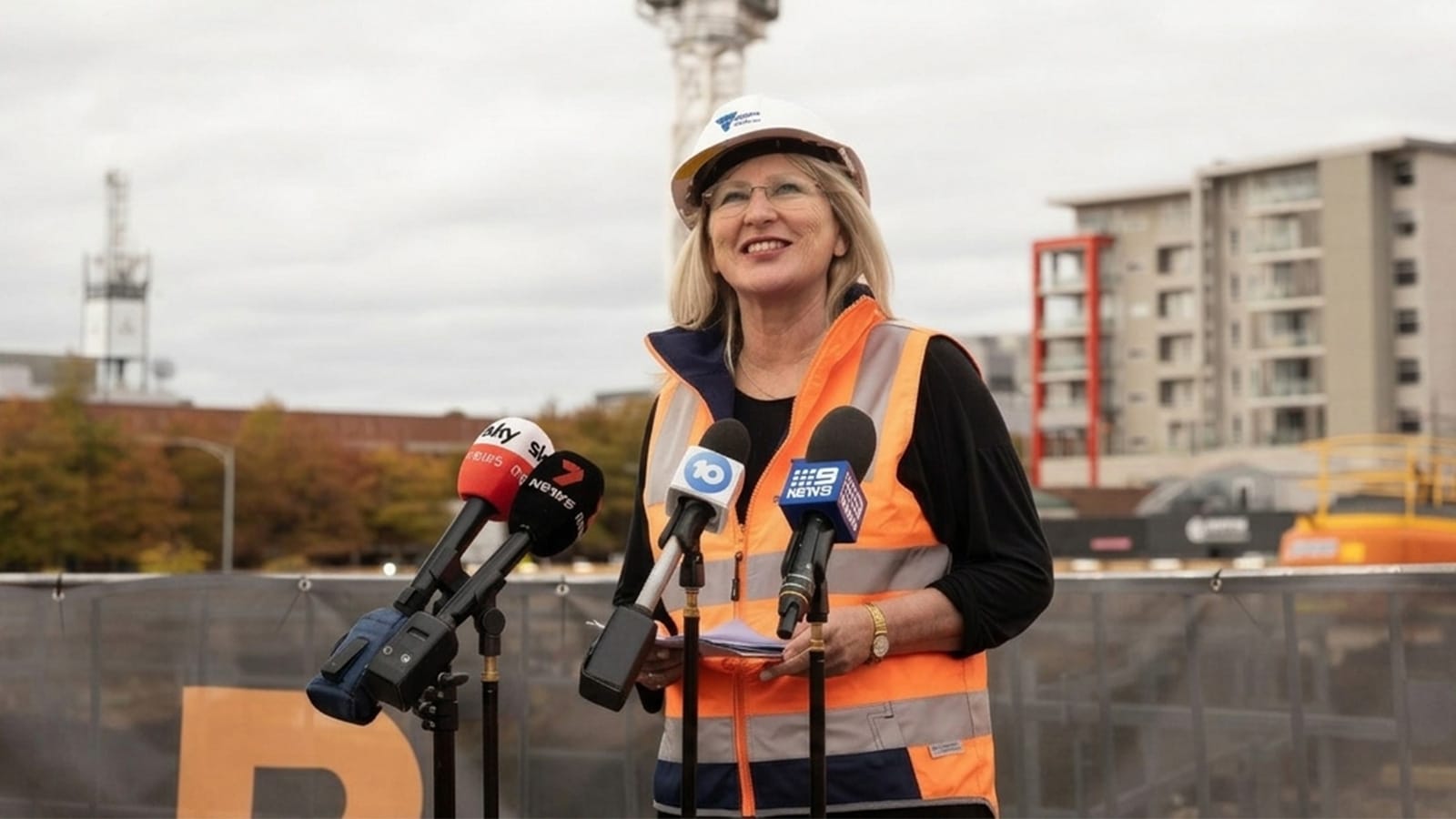
To evaluate execution pathways, the government engaged external advisory support, retaining KPMG as commercial adviser and Clayton Utz as legal counsel. By 2024, state cabinet approved $6.15 million to finance a comprehensive business case.
The transaction models under review were projected to yield between $3 billion and $4 billion in upfront capital proceeds.
Cabinet Divisions and Political Handover
The project reached an internal turning point in February 2025:
-
The Ministerial Pushback: Then-Water Minister Gayle Tierney formally opposed the proposal upon reviewing the completed business case, raising concerns regarding consumer impact and public ownership. Then-Premier Jacinta Allan supported Tierney, temporarily shelving the initiative.
-
Support for Continuation: Senior cabinet figures—including then-Deputy Premier Ben Carroll and then-Treasurer Jaclyn Symes—supported keeping the investigation active rather than canceling the project entirely.
-
Resurfacing and Leadership Changes: Following subsequent portfolio reshuffles, Harriet Shing returned to the water portfolio, and consultancy firm EY was engaged to evaluate specific options regarding the commercialization of metropolitan wastewater services.
-
Current Administration: Following Jacinta Allan’s resignation, Ben Carroll assumed the premiership. In response to disclosures of the cabinet papers, a government spokesperson stated that Premier Carroll “did not support privatising Melbourne Water.” However, executive statements have stopped short of formally ruling out long-term concession leases, joint-venture corporate structures, or securitization arrangements.
PROJECT NERVA: FIVE-YEAR DEVELOPMENT TIMELINE
┌───────────────────────────┬─────────────────────────────────────────────────────────────┐
│ October 2021              │ Treasury initiates scoping for private sector equity.      │
├───────────────────────────┼─────────────────────────────────────────────────────────────┤
│ 2024                      │ Cabinet authorizes $6.15M business case; KPMG/Clayton Utz.  │
├───────────────────────────┼─────────────────────────────────────────────────────────────┤
│ February 2025             │ Tierney opposes; Carroll and Symes back continuing studies. │
├───────────────────────────┼─────────────────────────────────────────────────────────────┤
│ Mid-2026                  │ EY engaged on wastewater scoping; leadership transition.    │
└───────────────────────────┴─────────────────────────────────────────────────────────────┘
The Wholesale Supply Structure and Price Regulations
Melbourne Water operates as the statutory wholesale authority for Greater Melbourne. It manages major catchment reservoirs, operates bulk treatment facilities—including the Western Treatment Plant at Werribee and the Eastern Treatment Plant at Bangholme—and transfers drinking water and sewerage services to three state-owned metropolitan retailers: Greater Western Water, South East Water, and Yarra Valley Water.
Household retail water tariffs are strictly capped and reviewed by the Essential Services Commission (ESC), which recently approved $7.3 billion in capital spending through 2031.
While direct retail prices remain subject to regulatory determination, cabinet documents noted that Melbourne Water historically relies on commercial, non-regulated revenue streams to cross-subsidize network maintenance. Diverting those commercial yields to private investors presents structural risks to retail pricing over long concession horizons.
The Precedent: The 2022 VicRoads Model
The structural template recommended for Melbourne Water mirrors the 2022 partial commercialization of the state’s motor registry. Under that agreement, the Victorian Government transferred the licensing and registration operations of VicRoads to a 40-year joint-venture consortium comprising Aware Super, Australian Retirement Trust, and Macquarie Asset Management in exchange for an upfront payment of $7.9 billion.
Under the VicRoads transaction, statutory ownership of the asset remained with the Crown on paper, while operational cash flows were transferred to the private consortium through 2062.
2. My Professional Perspective
Covering public finance and administrative law over thirty years reveals a recurring pattern: whenever governments accumulate significant debt, the boundary between public service monopolies and commercial balance sheets begins to dissolve.
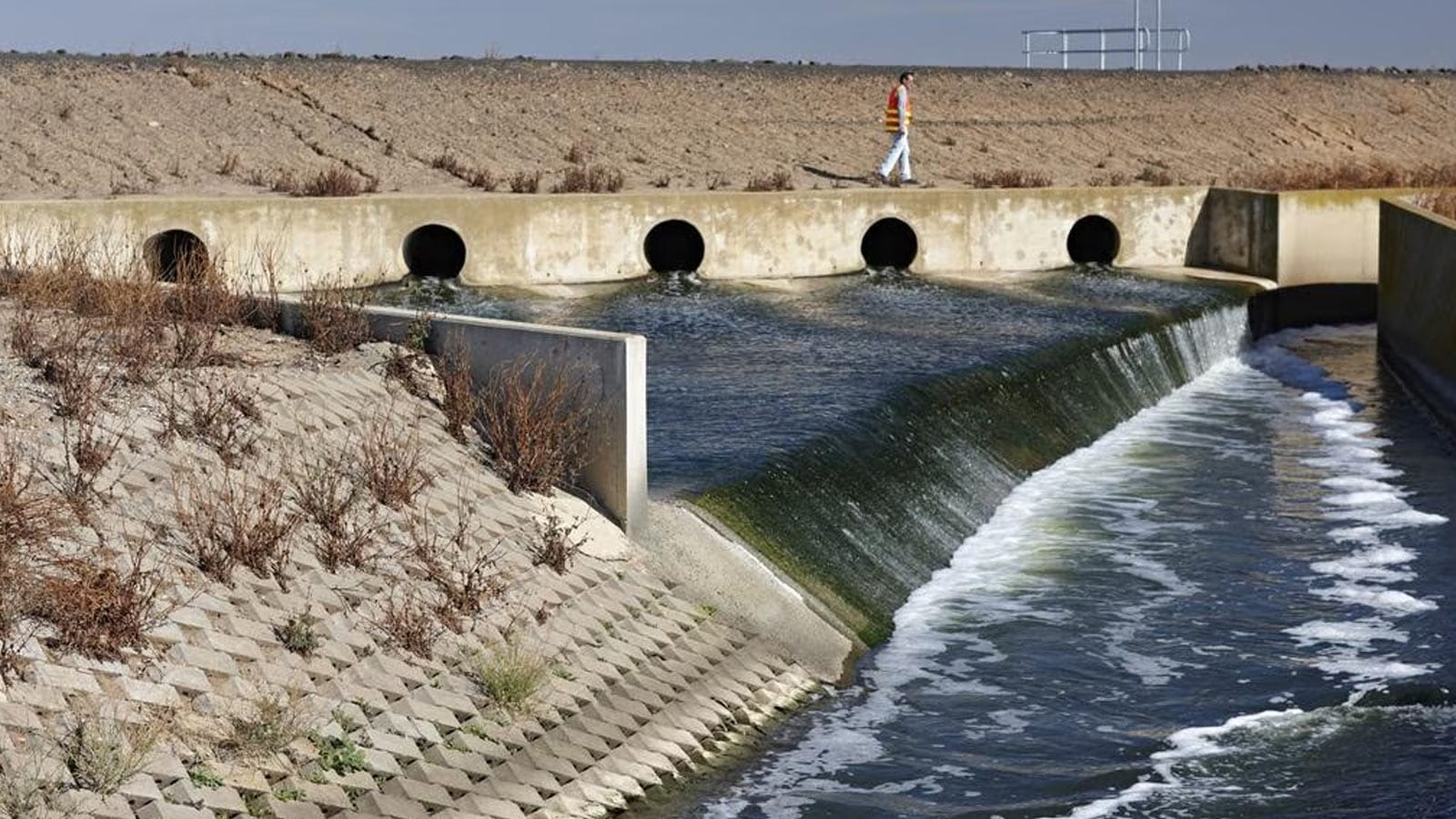
Project Nerva is not an isolated policy exercise. It is the direct consequence of state infrastructure budgets colliding with structural debt constraints.
┌────────────────────────────────────────────────────────────────────────┐
│                   THE INFRASTRUCTURE DEBT SPIRAL                       │
└────────────────────────────────────────────────────────────────────────┘

  CAPITAL COST OVERRUNS
  • Major transport projects record cumulative cost growth.
  • Net debt projections approach long-term peaks.
                         │
                         ▼
  THE BALANCE SHEET BOTTLENECK
  • Traditional borrowing becomes constrained by debt-servicing limits.
  • General revenue absorbed by interest obligations.
                         │
                         ▼
  THE "CONCESSION" SOLUTION (Project Nerva / VicRoads)
  • Monetize statutory revenue streams (Water/Registries) via 40-year leases.
  • Receive upfront cash payments ($3B-$8B) classified off traditional debt lines.
  • Future consumer payments service private investor rate-of-return targets.
The Accounting Architecture: Cash Now, Liabilities Later
From a macroeconomic perspective, structuring an asset transaction as a 40-year joint-venture lease functions similarly to structured borrowing:
-
Revenue Capitalization: The state exchanges four decades of reliable, recurring monopoly income for a single lump-sum payment delivered upfront.
-
Off-Balance-Sheet Accounting: Because the state retains technical ownership of the underlying assets on paper, the transaction does not register on sovereign balance sheets as direct gross debt.
-
Consumer Cost Transfer: Private institutional capital requires competitive, inflation-adjusted returns. To deliver those returns, the private operator must either reduce operating overheads, maximize commercial yield opportunities, or seek maximum allowable determinations from regulatory bodies over the concession lifecycle.
The Constitutional Workaround
Much of the public debate has focused on whether privatizing water infrastructure requires amending the Victorian Constitution. Under Part VII of the Constitution Act 1975 (Vic), public authorities must retain ultimate responsibility for water delivery.
However, legal analyses prepared during the scoping phase identified Section 97(3) and Section 18(6) as operative mechanisms: so long as a public body remains the overarching responsible authority on paper, the day-to-day operational rights and revenue concessions can be legally outsourced to private corporate entities without requiring a special three-fifths parliamentary majority.
The Lessons of International Water Concessions
When reviewing long-term concessions for natural monopolies, comparative international case studies warrant examination. The structural trajectory of privatized water utilities—most notably the systemic financial and environmental challenges experienced by Thames Water in the United Kingdom—highlights the risks inherent in utility privatization.
When capital investment models prioritize private debt leverage and dividend distributions, long-term capital maintenance can come under significant operational pressure.
Substantive Questions for Scrutiny
As the state approaches future fiscal determinations, several core questions remain unanswered:
-
The Concession Scope: If outright asset sales are ruled out, what specific contractual limitations will be placed on joint ventures, long-term operating concessions, or securitization of water revenue?
-
Commercial Cross-Subsidies: If non-regulated commercial revenues from Melbourne Water are diverted to private equity partners, what mechanism will prevent retail consumer tariffs from absorbing the shortfall?
-
Full Cabinet Transparency: Will the completed business cases and scoping studies produced by external consultancies be tabled publicly for legislative scrutiny?
Water is the ultimate natural monopoly. Citizens cannot alter their consumption habits or switch providers based on market competition; they must rely on the network connected to their homes.
When governments explore the commercialization of essential utilities, the central question is not merely legal terminology or balance-sheet classifications. It is whether the immediate fiscal relief of an upfront cash payment justifies trading decades of public control and commercial dividend streams.
As state balance sheets face ongoing structural pressures, the debate over Melbourne Water tests the fundamental obligations of government administration.
When the financial pressure on state balance sheets mounts, should the core utilities that sustain public life be used as fiscal shock absorbers, or do some assets belong permanently beyond the reach of the market?