America has turned HMAS Stirling into a US Navy base, and it’s the best defence news in years. u1

The Anchor in the West: Inside the US Navy’s Quiet Transformation of HMAS Stirling
GARDEN ISLAND, WESTERN AUSTRALIA — Just off the coast of Rockingham, south of Perth, a narrow 4.2-kilometer vehicular causeway cuts across the shallow waters of Cockburn Sound, connecting the Australian mainland to Garden Island. For half a century, this low-lying limestone enclave has served as HMAS Stirling, the Royal Australian Navy’s primary Indian Ocean operating installation—Fleet Base West.
Today, Garden Island is undergoing the most consequential strategic overhaul of any military facility in the Southern Hemisphere since the height of World War II.
While federal ministers in Canberra carefully navigate a thicket of diplomatic phrasing—insisting that Australia is merely hosting “rotational visits” from allied partners—the United States Navy has moved with quiet, institutional precision. Washington has stood up a permanent shore command on Australian soil, reactivated one of its historic wartime submarine formations, and begun preparations to house an American community of 2,300 sailors, engineers, contractors, and their dependents on the outskirts of Perth by 2030.
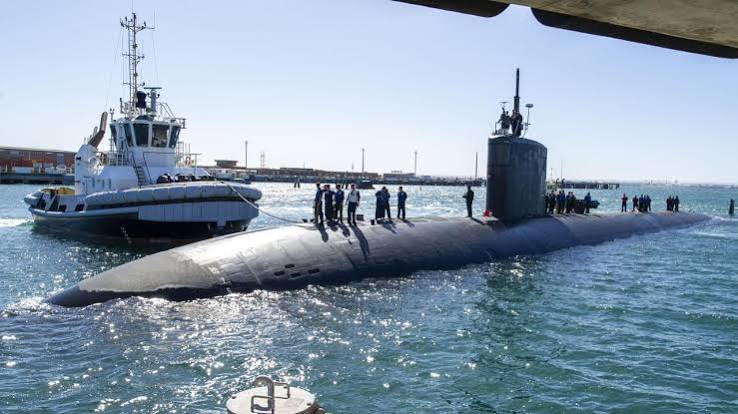
Under the framework of Submarine Rotational Force West (SRF-West)—the spearhead of the $368 billion AUKUS security pact—up to four American Virginia-class fast-attack submarines and one British Astute-class vessel will maintain continuous operational rotations through Garden Island starting next year.
Yet beneath the ribbons, announcements, and defense communiqués lies a profound geopolitical reality: Washington has established an enduring naval foothold on the eastern rim of the Indian Ocean, effectively embedding Australia into the frontline architecture of American undersea deterrence.
       ┌──────────────────────────────────────────────────────────┐
       │   AUKUS SUBMARINE ROTATIONAL FORCE WEST (SRF-WEST)       │
       │   HMAS Stirling / Fleet Base West (Garden Island, WA)    │
       └─────────────────────────────┬────────────────────────────┘
                                     │
          ┌──────────────────────────┴──────────────────────────┐
          ▼                                                     ▼
┌─────────────────────────────────┐   ┌─────────────────────────────────┐
│   Naval Support Activity (NSA)  │   │   Submarine Squadron 3 (CSS-3)  │
│   Stirling Command              │   │   Reactivated Strike Formation  │
│   • Stood up: 30 May            │   │   • Stood up: 5 June            │
│   • Admin, Housing, Health,     │   │   • 4 US Virginia-Class SSNs    │
│     Logistical Infrastructure   │   │   • 1 UK Astute-Class SSN       │
└────────────────┬────────────────┘   └────────────────┬────────────────┘
                 │                                     │
                 └──────────────────┬──────────────────┘
                                    ▼
       ┌──────────────────────────────────────────────────────────┐
       │   PROJECTED FOOTPRINT BY 2030                            │
       │   • 2,300 American Personnel & Family Members            │
       │   • ~500 Local Residential Housing Units                 │
       │   • Dedicated Nuclear Maintenance & Support Facilities   │
       └──────────────────────────────────────────────────────────┘
The New Command: NSA Stirling and Squadron 3
The transformation began formally on May 30, following a two-year bilateral planning process conducted behind closed doors. With the formal approval and invitation of the Australian government, the US Navy stood up Naval Support Activity Stirling (NSA Stirling).
Six days later, the Pentagon reactivated Commander, Submarine Squadron 3 (COMSUBRON 3 or CSS-3). The formation boasts a legendary operational lineage: it served on the frontline of the Pacific War, operated out of Pearl Harbor during the Cold War, and was disestablished during fleet consolidations. Now, it has been given a new permanent headquarters in Western Australia.
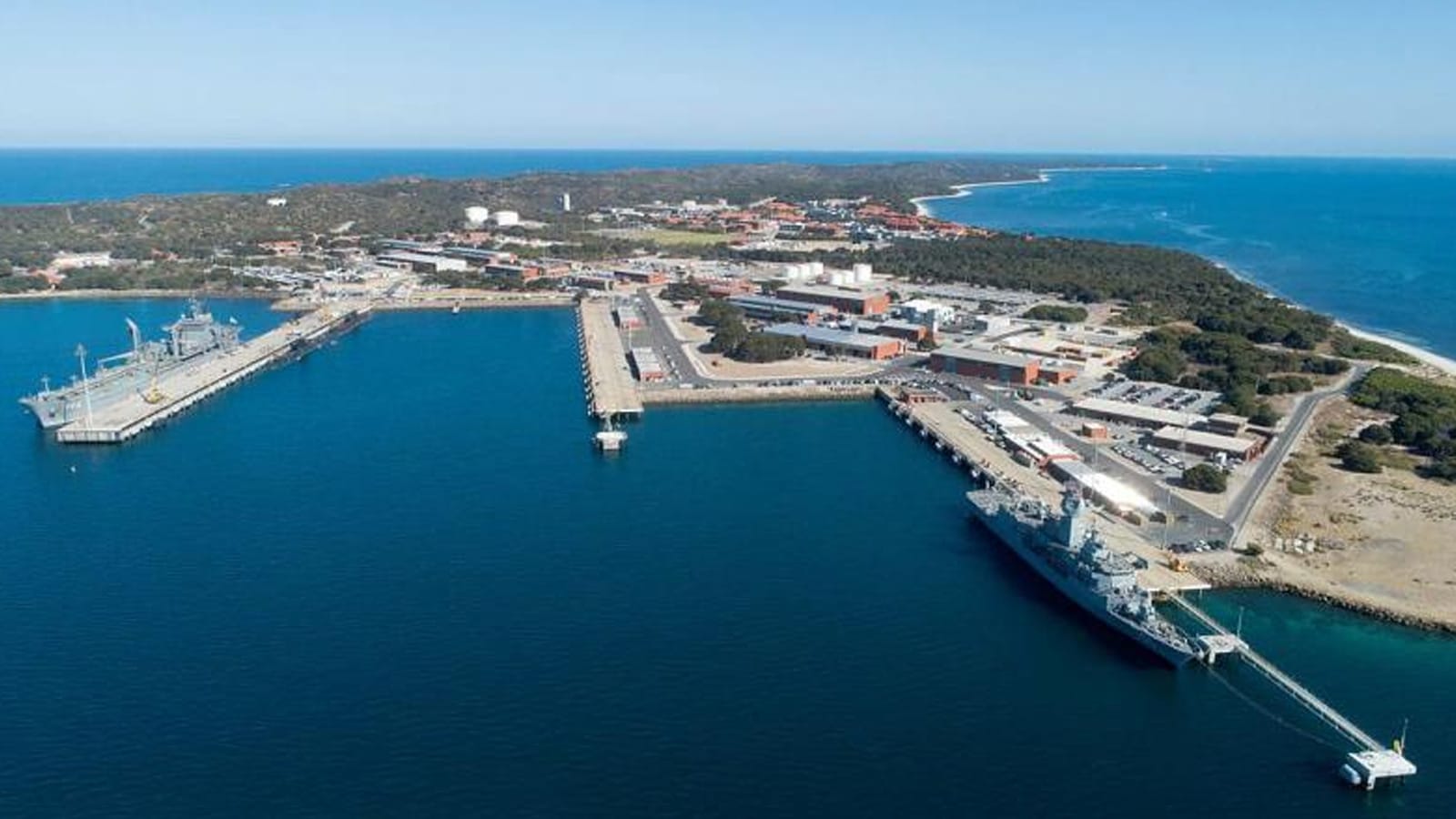
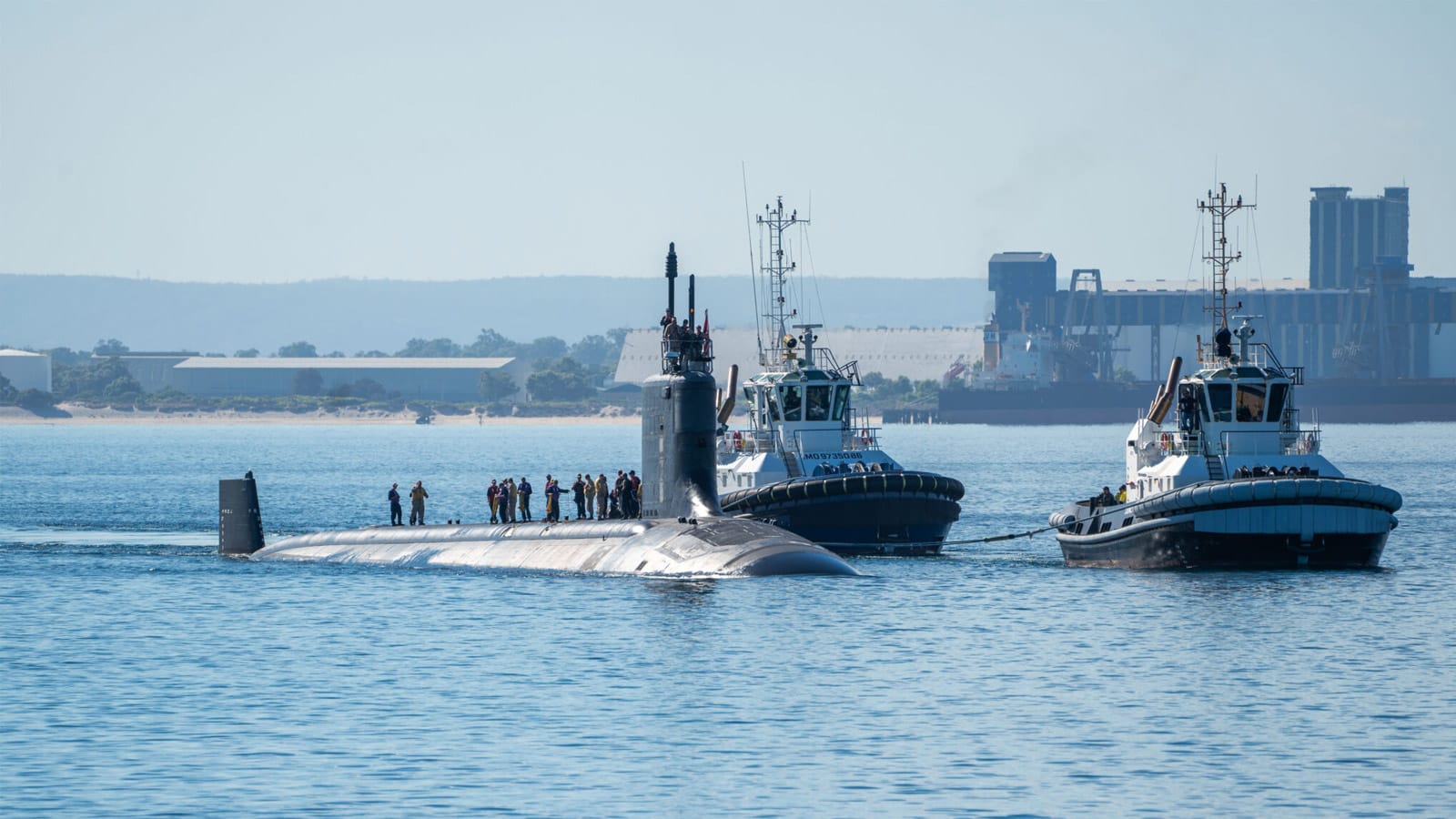
From next year, Squadron 3 will command the American fast-attack submarines cycling through Cockburn Sound. The initial rotation will place the nuclear-powered Virginia-class boats at the center of maritime surveillance, intelligence collection, and anti-submarine warfare patrols across the Indian Ocean, the Indonesian archipelagic sea lanes, and the South China Sea.
The Real Footprint: 2,300 Americans in the West
The true scale of the American presence in Western Australia significantly outpaces early public estimates released by Canberra.
When the Australian Submarine Agency, led by Vice Admiral Jonathan Mead, initially briefed the public on SRF-West, official commentary suggested a contingent of roughly 1,200 combined American and British personnel.
However, official figures confirmed by US Navy spokesperson Commander Joseph Keiley paint a far broader picture:
“By 2030, we expect 2,300 Americans, to include sailors, civilian employees, contractors and their family members, to be in Western Australia supporting the mission.”
This is not a temporary detachment living in shipboard berths or spartan transit barracks. It represents a full-scale military community requiring civilian integration, family housing, specialized medical infrastructure, administrative hubs, and dedicated base services.
       PERSONNEL PROJECTIONS: PLANNED VS. CONFIRMED FOOTPRINT
       ══════════════════════════════════════════════════════════
       Early Australian Official Estimate:   ~1,200 Combined Personnel
       Confirmed US Navy Footprint (2030):   2,300 Americans
       Composition:                          • Active-Duty Sailors
                                             • Civilian US Navy Personnel
                                             • Technical Contractors
                                             • Family Dependents
       ══════════════════════════════════════════════════════════
The Nomenclature: Why “Naval Support Activity” Matters
Within the lexicon of the Australian Parliament, the term “foreign military base” remains anathema. Australian law and strategic doctrine dictate that all defense facilities on the continent remain sovereign Australian soil, owned and operated exclusively by the Commonwealth under Australian command.
To the Pentagon, however, words carry precise operational and legal weight.
“Naval Support Activity” (NSA) is not a casual administrative label. It is the formal classification the US Navy reserves for its critical overseas shore installations—facilities that anchor its global fleets and command structures:
-
NSA Bahrain: Headquarters of the US Fifth Fleet, housing 9,000 personnel in the Persian Gulf.
-
NSA Naples: Headquarters of the US Sixth Fleet and US Naval Forces Europe-Africa, housing 8,500 personnel in Italy.
-
NSA Souda Bay: The vital deep-water logistics, weapons, and maintenance hub in Crete anchoring the Eastern Mediterranean.
Dr. Elizabeth Buchanan, Senior Fellow for the US-Australia Alliance at the Center for the National Interest in Washington, D.C., highlighted the gap between domestic rhetoric and operational reality:
“While the Australian government of the day might not term NSA Stirling a base, the operator, Washington, certainly does. A naval support activity is a shore facility with the full characteristics of a military base.”
Vice Admiral Scott Gray, Commander of Navy Installations Command, was equally direct when detailing the command’s explicit role: to provide direct administration, medical care, housing coordination, and family welfare support for deployed US military personnel.
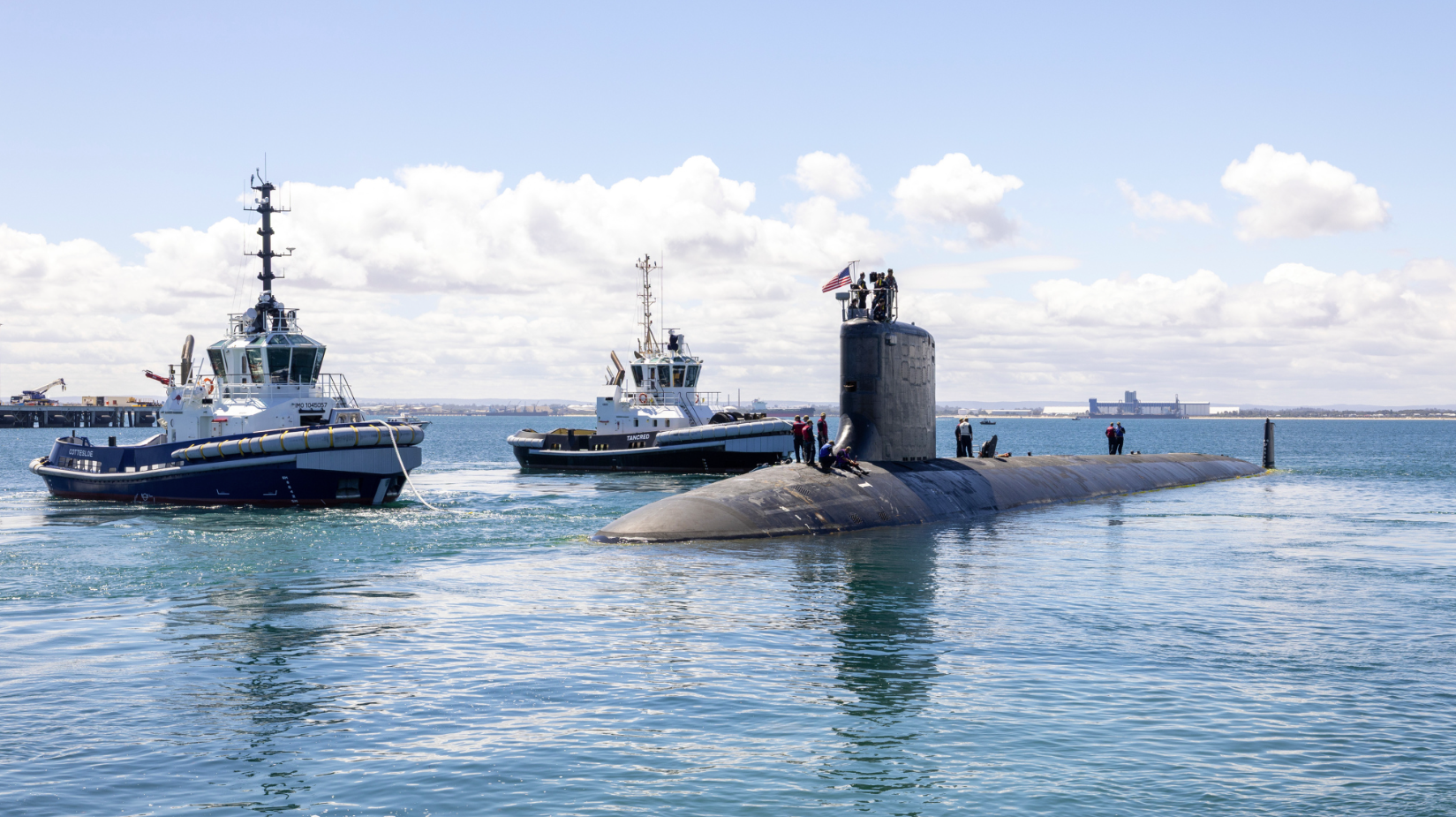
“By providing essential services to US personnel and their families,” Admiral Gray noted, “NSA Stirling will enhance rotational submarine force readiness.”
                     THE NSA CLASSIFICATION NETWORK
                     ──────────────────────────────
       FACILITY                  FLEET REGION          PRIMARY ROLE
 ┌───────────────────┐       ┌──────────────────┐   ┌─────────────────┐
 │ NSA Bahrain       │ ────> │ US Fifth Fleet   │ = │ 9,000 Personnel │
 ├───────────────────┤       ├──────────────────┤   ├─────────────────┤
 │ NSA Naples        │ ────> │ US Sixth Fleet   │ = │ 8,500 Personnel │
 ├───────────────────┤       ├──────────────────┤   ├─────────────────┤
 │ NSA Souda Bay     │ ────> │ Mediterranean    │ = │ Logistics Hub   │
 ├───────────────────┤       ├──────────────────┤   ├─────────────────┤
 │ NSA Stirling (WA) │ ────> │ Indian Ocean /   │ = │ Submarine Squad │
 │                   │       │ Indo-Pacific     │   │ 3 (2,300 Staff) │
 └───────────────────┘       └──────────────────┘   └─────────────────┘
The Five-Year Slip: “Temporary” versus “Enduring”
The linguistic gymnastics surrounding the deployment were on full display during recent parliamentary exchanges.
Minister for Defence Industry Pat Conroy initially characterized SRF-West as a strict “five-year commitment” that would formally “come to an end” in 2032. Within days, that framing unraveled. Following public clarifications from the Pentagon and Deputy Prime Minister and Defence Minister Richard Marles, the Australian government walked back the expiration date, replacing it with the term “enduring.”
The 2032 date was not arbitrary. Beginning in 2032, the US Navy is scheduled to begin arming its Virginia-class submarines with the nuclear-armed sea-launched cruise missile (SLCM-N / Tomahawk variant). Australian Labor Party platform policy strictly forbids the stationing or storage of nuclear weapons on Australian territory during times of peace. Conroy’s initial attempt to place a 2032 bookend on the deployment was an effort to manage that domestic policy friction.
When pressed at Senate estimates regarding whether the US military had effectively established an autonomous installation within Garden Island, then-Chief of the Defence Force Admiral David Johnston dismissed the terminology as an “organisational construct,” arguing that critics were “conflating a group or an organisation with the naming and location of a base.”
Former Home Affairs Secretary Mike Pezzullo, who co-authored the 2009 Defence White Paper, rejected that defense:
“Once families are involved, one cannot argue that the ships or submarines are ‘visiting.’ It is a US operating base within the Royal Australian Navy fleet base, and the home-porting argument is an optical illusion.”
Greens Senator David Shoebridge, an outspoken critic of AUKUS, echoed the sentiment from the opposite end of the political spectrum: “The US does not make these commitments lightly; they are doing it because they plan to stay here permanently.”
Political Strains and Domestic Opposition
The presence of forward-deployed US assets has reignited factional and public debate within Australia.
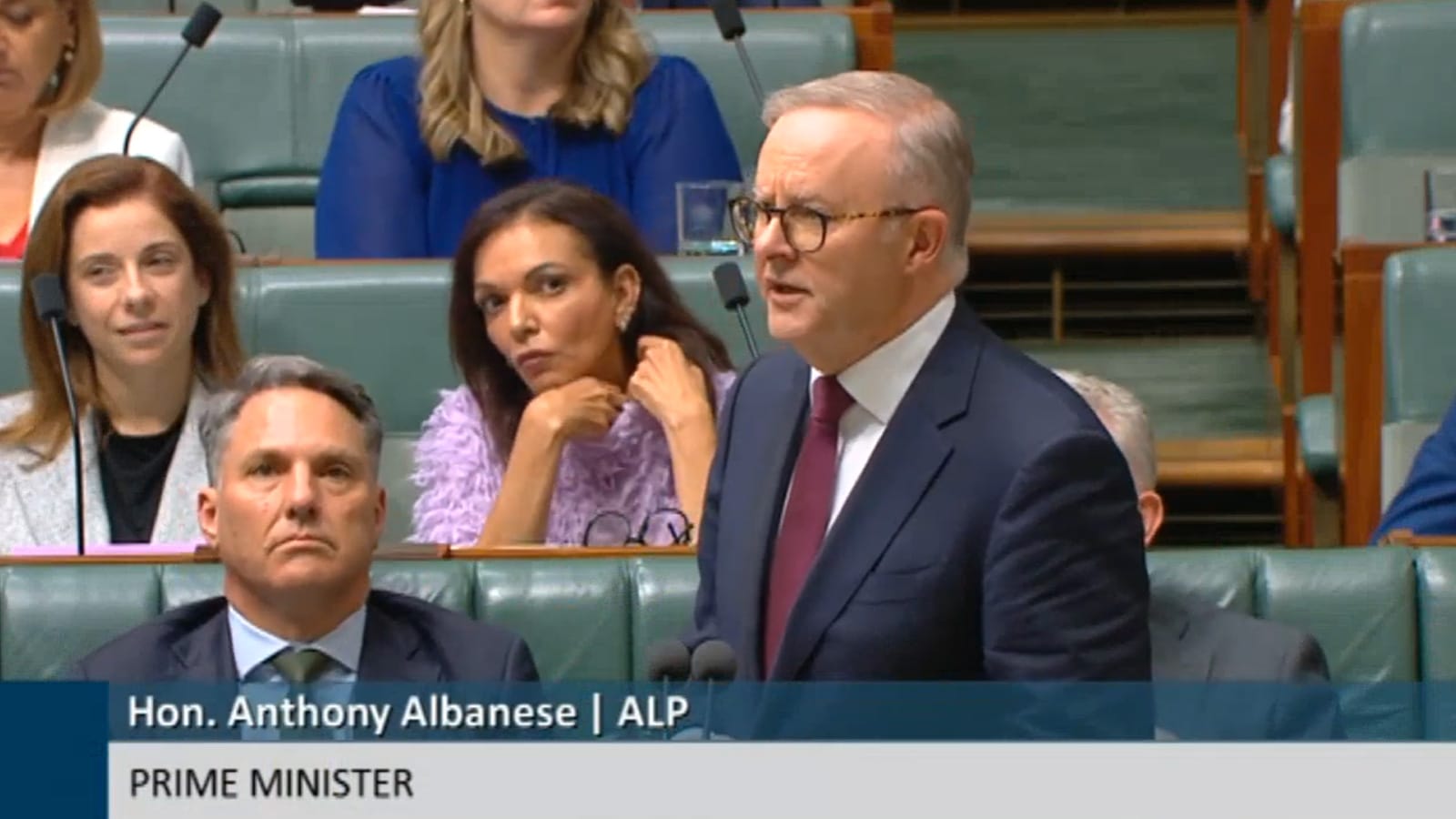
At the Australian Labor Party’s national conference, Prime Minister Anthony Albanese and cabinet lieutenants worked to defeat a floor challenge from the party’s left flank, which attempted to pass binding platform amendments permanently barring foreign nuclear-armed vessels from entering Australian ports under any operational circumstance.
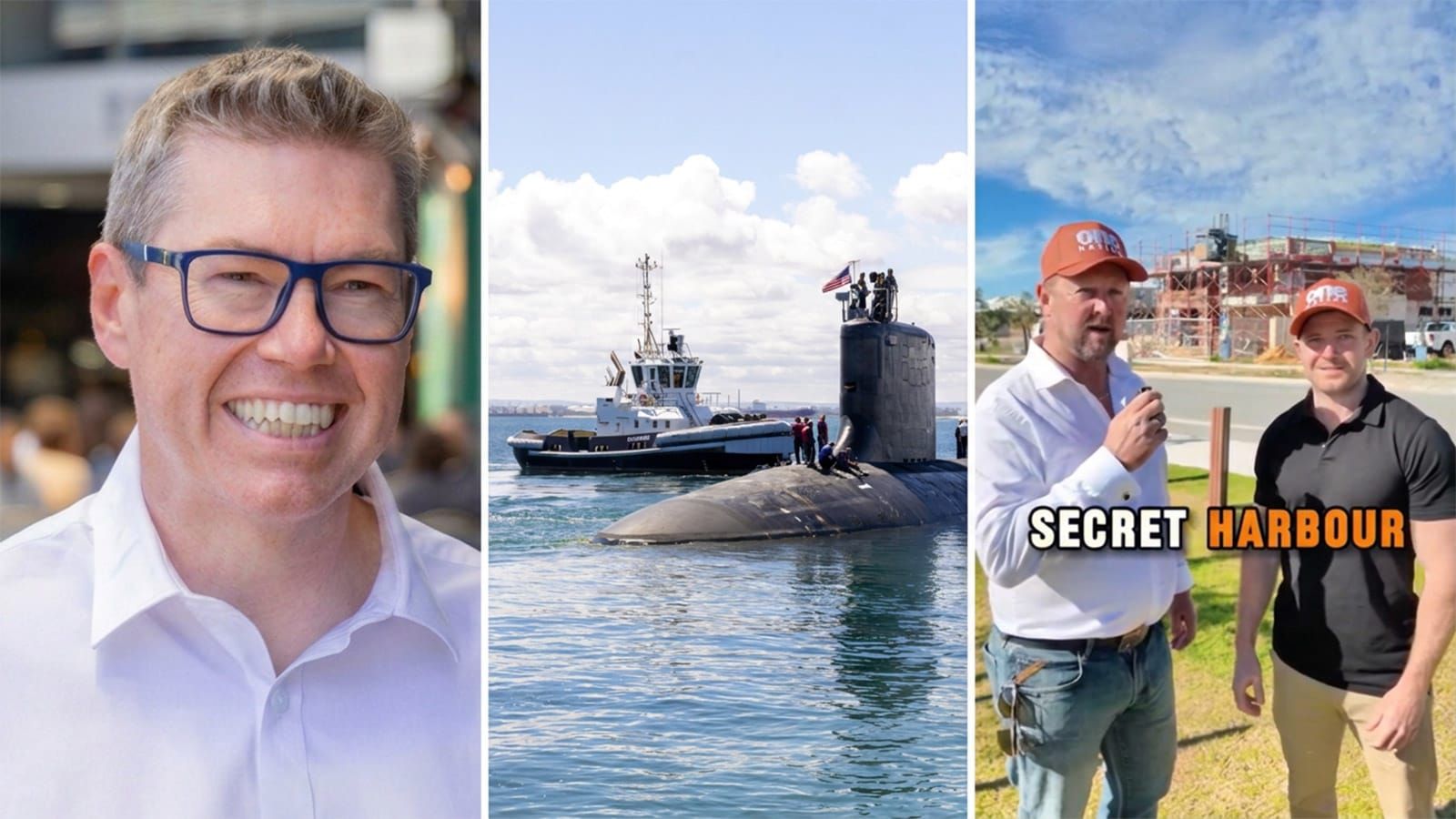
Outside Parliament, grassroots opposition has mobilized. Former federal minister and Midnight Oil frontman Peter Garrett is leading a crowdfunded public inquiry into the AUKUS pact, backed by major trade unions and community peace organizations. Rolling through port communities in Sydney, Newcastle, Port Kembla, and Wollongong, Garrett has warned that hosting forward-deployed nuclear strike assets transforms Australian coastal hubs into pre-emptive military targets in any great-power conflict.
Proponents of the agreement reject that assessment, arguing that deterrence is the only viable safeguard. In their view, strategic deterrence does not invite strikes; it prevents conflict by imposing unacceptable risk on foreign adversaries. An adversary’s naval planners cannot act with impunity in regional waters when multiple nuclear-powered attack submarines are operating silently from the Western Australian coast.
       PARLIAMENTARY AND STRATEGIC POSITIONS
       ──────────────────────────────────────────────────────────
       GOVERNMENT (Labor)    : "Rotational presence," sovereign
                               Australian command, non-nuclear
                               weapon host.
       OPPOSITION (Coalition): Critical national deterrence, allied
                               interoperability, vital Western asset.
       THE GREENS / CRITICS  : Sovereignty erosion, permanent US
                               operating base, escalation risk.
       US NAVY / PENTAGON    : NSA Stirling is a designated Shore
                               Installation securing fleet readiness.
The Delivery Reality: Shipyard Pressures and the Industrial Gap
While the physical footprint at Stirling is expanding rapidly, serious questions remain regarding the long-term delivery of Australia’s own sovereign submarines under AUKUS Pillar 1.
The United States currently builds Virginia-class submarines at an annualized cadence of roughly 1.2 boats per year across the General Dynamics Electric Boat and Huntington Ingalls Newport News shipyards. To sustain its own fleet requirements while transferring three to five second-hand and newly constructed Virginia hulls to the Royal Australian Navy beginning in 2032, the US Navy requires a sustained construction rate of 2.33 boats per year.

While US Navy Fleet Forces Commander Admiral Daryl Caudle has projected that American shipyards will reach a rate of 2.0 boats per year in the early 2030s—bolstered by direct Australian capital investments totaling billions of dollars flowing into the US industrial base—the supply chain faces competing demands:
-
Reactor Strain: The US Navy’s pursuit of the proposed Trump-class nuclear-powered surface combatant, designed around the same high-output S9G/A1B reactor technology powering modern carriers and submarines, threatens to place additional pressure on an already strained nuclear supply chain.
-
Maintenance Backlogs: Over a third of the US Navy’s fast-attack submarine fleet is currently sidelined or awaiting depot-level shipyard maintenance, increasing the operational value of forward-deploying active boats to facilities like HMAS Stirling.
The Regional Dividend: Homes, Missiles, and Heavy Industry
Even as the strategic timeline faces scrutiny, the economic and defense investments in Western Australia are moving forward:
-
Housing Infrastructure: Approximately 500 residential properties are being secured and constructed across Rockingham, Secret Harbour, and surrounding municipalities to accommodate arriving US families. The housing program has become a central topic in local politics, with parties debating local procurement and construction capacity.
-
Industrial Upskilling: Australian tradespeople and defense contractors are embedding alongside US Navy personnel at Fleet Base West, mastering specialized nuclear-propulsion sustainment, dry-dock maintenance, and radiological safety protocols—technical capabilities required before Australia begins building its own SSN-AUKUS submarines in Osborne, South Australia.
-
National Strike Upgrades: Defence Minister Richard Marles announced a $736 million acquisition of up to 450 advanced AIM-120D long-range air-to-air missiles from Lockheed Martin for the Royal Australian Air Force, alongside establishing an inquiry into the nation’s total industrial and societal preparedness for major conflict—a comprehensive defense audit without precedent in peacetime Australian governance.
This military posture unfolds against an escalating regional backdrop: China’s People’s Liberation Army Navy (PLAN) continues its rapid naval expansion, conducting long-range intercontinental and submarine-launched missile tests across the Pacific and Indian Oceans, while the Pentagon projects Beijing’s nuclear stockpile will cross 1,000 operational warheads by 2030.
                       THE GEOGRAPHIC SANCTUARY PIVOT
                       ──────────────────────────────
       THE PACIFIC DILEMMA                 THE INDIAN OCEAN REDOUBT
 ┌─────────────────────────────┐        ┌─────────────────────────────┐
 │ Yokosuka / Guam / Okinawa   │        │ HMAS Stirling (Perth, WA)   │
 │ • Inside DF-21D/26 Range    │ ─────> │ • 5,000+ km from Chinese    │
 │ • Vulnerable to Hypersonics │        │   Mainland Missile Batteries│
 │ • Saturated Airspace        │        │ • Unfettered Deep-Water     │
 │ • Bottlenecked Chokepoints  │        │   Access into Indian Ocean  │
 └─────────────────────────────┘        └─────────────────────────────┘
When you examine military architecture for thirty years, you learn that nations reveal their true strategic intentions not through ministerial press conferences or white papers, but through concrete, plumbing, dry docks, and family housing.
Canberra can maintain its linguistic stance that HMAS Stirling is not a foreign base, but the infrastructure underway on Garden Island tells an entirely different story.
1. The Death of the “Rotational” Myth
The diplomatic insistence that US forces at HMAS Stirling are merely “rotational guests” is a polite fiction designed for domestic political management.
In military doctrine, a “rotational deployment” consists of unaccompanied personnel living in temporary quarters, utilizing expeditionary field equipment, and returning home after a six-month deployment. This is the model used by the Marine Rotational Force–Darwin (MRF-D) in the Northern Territory.
Naval Support Activity Stirling represents a completely different model. When an armed service establishes a dedicated shore headquarters, assigns a permanent flag-level command structure (Squadron 3), builds specialized nuclear-propulsion maintenance facilities, signs long-term civilian technical contracts, and moves 2,300 personnel including spouses and school-age children into local suburbs, it has built an enduring overseas military installation.
The reason Canberra resists the word “base” is rooted in domestic political history. Ever since the 1960s debates over the establishment of the Pine Gap satellite surveillance facility near Alice Springs and the Harold E. Holt naval communications station at North West Cape, the term “foreign base” has triggered political scrutiny regarding national sovereignty, parliamentary oversight, and nuclear targeting.
By labeling the deployment a “Rotational Activity” while the Pentagon designates it a “Naval Support Activity,” both governments achieve their goals: Canberra preserves the rhetoric of absolute national sovereignty, while Washington secures the operational infrastructure required to run high-tempo combat submarine operations.
       ──────────────────────────────────────────────────────────
       THE THREE PILLARS OF A PERMANENT NAVAL INSTALLATION
       ──────────────────────────────────────────────────────────
       1. Sovereign Command Architecture  : Submarine Squadron 3
       2. Dedicated Shore Logistics       : NSA Stirling Command
       3. Social & Civilian Integration   : 2,300 Families, Housing,
                                            Healthcare & Long-term Hubs
       ──────────────────────────────────────────────────────────
2. The Indian Ocean Sanctuary: Why Washington Chose Perth
To understand why the US Navy sought this arrangement in Western Australia, one must look at a map through the eyes of a fleet planner in the Pentagon.
For seventy years, the forward posture of the US Seventh Fleet was anchored along the First and Second Island Chains: Yokosuka and Sasebo in Japan, Kadena in Okinawa, and Apra Harbor in Guam.
Today, every one of those legacy installations sits directly within the concentrated strike envelope of China’s Rocket Force. In the opening hours of a high-end conflict in the Western Pacific, Guam, Okinawa, and Yokosuka would be subject to massive salvos of DF-21D and DF-26 anti-ship ballistic missiles, ground-launched hypersonic cruise weapons, and precision air strikes.
Garden Island is the answer to that vulnerability.
Located more than 5,000 kilometers from the Chinese mainland, HMAS Stirling lies outside the operational range of most regional land-based ballistic strike systems. It provides the US Navy with a secure sanctuary on the Indian Ocean. Submarines departing Cockburn Sound slip immediately into the deep waters of the Perth Canyon, diving undetected within minutes of clearing the channel.
From this redoubt, American fast-attack boats can quietly move north to patrol the critical maritime chokepoints of Southeast Asia—the Malacca, Sunda, and Lombok Straits—or project power westward across the Indian Ocean to the Persian Gulf without facing the contested airspace of the Western Pacific. The US Navy did not establish NSA Stirling as a favor to Australia; it built it because it desperately needed an Indian Ocean bastion that cannot be easily targeted in a conflict’s opening hours.
                       STRATEGIC MARITIME ACCESS
                       ─────────────────────────
                        ┌─────────────────────┐
                        │   NSA STIRLING/WA   │
                        │    Deep Water Hub   │
                        └──────────┬──────────┘
                                   │
         ┌─────────────────────────┴─────────────────────────┐
         ▼                                                   ▼
┌─────────────────────────────────┐         ┌─────────────────────────────────┐
│   NORTHWARD PROJECTION          │         │   WESTWARD PROJECTION           │
│   • Lombok & Sunda Straits      │         │   • Indian Ocean Sea Lanes      │
│   • South China Sea Approaches  │         │   • Arabian Sea & Persian Gulf  │
│   • Undetected Canyon Transit   │         │   • Diego Garcia Integration    │
└─────────────────────────────────┘         └─────────────────────────────────┘
3. The Unresolved 2032 Nuclear Question
The most critical issue facing the alliance is the looming policy contradiction scheduled for 2032.
The Australian Government’s position is clear: Australia is a non-nuclear-weapon state party to the Treaty of Non-Proliferation of Nuclear Weapons (NPT) and the Treaty of Rarotonga (South Pacific Nuclear Free Zone Treaty). Official Labor policy maintains that foreign nuclear weapons will not be stationed on Australian soil in peacetime.
However, the United States Navy maintains an unbroken, worldwide policy regarding its fleet: it will neither confirm nor deny the presence of nuclear weapons aboard any specific US vessel, submarine, or aircraft.
When the US Navy re-introduces the nuclear-armed Sea-Launched Cruise Missile (SLCM-N) to the Virginia-class fast-attack fleet in the early 2030s, that operational doctrine will collide directly with Australian political assurances.
When a Virginia-class boat under Squadron 3 docks at Garden Island in 2033:
-
The Australian public will be told that no nuclear weapons are stationed on Australian soil.
-
The US Navy will refuse to confirm whether the boat’s vertical launch tubes contain nuclear-armed Tomahawk missiles.
-
Australian authorities will not carry out board-and-search inspections of allied vessels to verify compliance.
This is the exact operational ambiguity that former Prime Minister Gough Whitlam and later Bob Hawke navigated regarding Pine Gap and US B-52 bomber transits through Darwin. The government’s recent semantic shift from a “five-year temporary presence” to an “enduring arrangement” was the quiet concession that this operational reality has already been accepted.
4. The Grand Bargain: What If the Submarines Never Come?
The central strategic concern within the Australian defense community is the possibility of an industrial shortfall: What happens if American shipyards cannot produce enough submarines to sell any to Australia in the 2030s?
If US shipyards remain constrained at 1.2 to 1.5 boats per year, the US Congress will face intense domestic pressure against transferring sovereign attack submarines to an allied navy while the US fleet remains below its own statutory 66-boat requirement.
                  THE INDUSTRIAL DISCONNECT (2026–2035)
                  ─────────────────────────────────────
    US INDUSTRIAL CAPACITY                     AUSTRALIAN ACQUISITION
 ┌───────────────────────────┐               ┌───────────────────────────┐
 │ Current: ~1.2 Boats/Year  │               │ Target: 3–5 Virginia SSNs │
 │ Required: 2.33 Boats/Year │ ────────────> │ Transfer Window: 2032–2038│
 │ Deficit: Industrial &     │   Bottleneck  │ Status: Contingent on US  │
 │          Reactor Gaps     │   Threshold   │         Domestic Surplus  │
 └───────────────────────────┘               └───────────────────────────┘
Yet even if Australia never receives a single Virginia-class hull, the United States has already secured its primary objective.
Through SRF-West, Washington has established the forward operating base it needed. It has secured sovereign access, built out maintenance infrastructure, stationed its personnel, and integrated its command footprint into Western Australia.
For Australia, the arrangement remains a pragmatic trade-off. Even in the event of industrial delays in the transfer of vessels, the physical presence of American attack submarines operating permanently from Fleet Base West provides an immediate, formidable deterrent in the Indian Ocean. An adversary planning hostile action against Australia must now calculate that any strike on Garden Island would target a major US installation and draw the immediate response of the US Seventh Fleet.
The quiet commissioning of Naval Support Activity Stirling and the reactivation of Submarine Squadron 3 represent a historic pivot in Australia’s modern strategic posture.
For decades, the Australian defense establishment operated under the doctrine of the “Defence of Australia”—the concept that the nation’s military should be configured primarily to defend the northern maritime approaches with limited direct reliance on foreign garrison forces.
That era has drawn to a close.
By opening Garden Island to a permanent forward-deployed American naval command, the Commonwealth has bound its security architecture directly to the undersea strike power of the United States. The 2,300 Americans who will call Rockingham, Secret Harbour, and Garden Island home by 2030 are not tourists or temporary guests; they are the human and strategic link connecting the defense of Western Australia to the broader deterrence posture of the Indo-Pacific.
The shift brings undeniable strategic dividends: advanced technological training, billions of dollars in infrastructure investment, and the protective umbrella of the world’s most capable undersea fleet.
Yet it also ends the luxury of strategic insulation. As nuclear-powered strike submarines take up continuous rotations in the waters off Perth, Western Australia moves from a distant periphery to the center of global deterrence.
As the causeway to Garden Island is fortified for the nuclear era, Australians must look beyond the official rhetoric and confront the deeper question shaping the nation’s future:
By turning our western coast into an anchor for allied naval power, has Australia secured an unshakeable shield against regional threats—or have we irrevocably tied our national destiny to great-power conflicts we cannot independently control?