
Ground Zero in the Shires: Inside the Norfolk Standoff and the Dispersal Crisis
THETFORD / NORWICH — For thirty years covering domestic unrest, civil conflicts, and the volatile politics of border enforcement, I have watched how policy decisions made in distant government offices inevitably play out in neighborhood streets. When national strategies lack adequate planning and community consensus, they ignite volatile local conflicts.
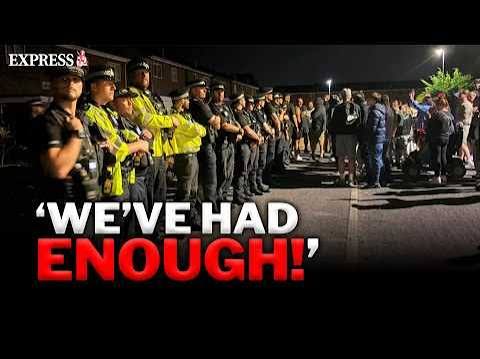
In Norfolk, a tense standoff outside an asylum accommodation site on St. John’s Way brought this dynamic into sharp focus. The scene featured familiar flashpoints of modern public discontent: frustrated residents, overwhelmed police forming cordons outside residential blocks, and vulnerable asylum seekers caught in the center of an escalating political struggle.
Beyond the immediate clashes and viral video footage lies an operational crisis: the collision between a strained asylum dispersal system, acute local economic anxieties, and a widening breakdown in trust between communities and political leadership.
┌─────────────────────────────────────────────────────────────┐
│                    FLASHPOINT TIMELINE                      │
├─────────────────┬───────────────────────────────────────────┤
│ The Trigger     │ Local properties utilized to house        │
│                 │ asylum seekers awaiting claim processing  │
├─────────────────┼───────────────────────────────────────────┤
│ The Gathering   │ Demonstrators assemble on St. John's Way; │
│                 │ crowd demands removal of occupants        │
├─────────────────┼───────────────────────────────────────────┤
│ The Escalation  │ Chants over resource distribution mix     │
│                 │ with racial grievances and demographic talk│
├─────────────────┼───────────────────────────────────────────┤
│ Police Response │ Tactical cordons deployed; officers plan  │
│                 │ protective extractions amid disorder      │
├─────────────────┼───────────────────────────────────────────┤
│ Political Rift  │ MP condemns "mob rule"; protesters reject  │
│                 │ label, blaming a detached establishment   │
└─────────────────┴───────────────────────────────────────────┘
The Demonstration on St. John’s Way
A crowd gathered outside a residential housing complex on St. John’s Way, protesting the accommodation of asylum seekers within the neighborhood.

The demonstration quickly grew tense, requiring a significant deployment from Norfolk Police to establish containment lines, protect the building’s occupants, and prevent unauthorized entry.
-
Economic and Logistical Grievances: Protesters expressed frustration over public spending, contrasting their own living costs and public service pressures with the housing, utilities, and provisions allocated to asylum applicants. Several described the dispersal placement as a policy implemented without local consultation.
-
Demographic Rhetoric: Elements within the crowd voiced racially charged grievances regarding shifting national demographics, referencing broader culture-war narratives concerning future population changes.
-
Public Order Incidents: While some attendees stated the gathering aimed to remain non-violent, the environment grew confrontational. Officers coordinated contingency plans to relocate asylum seekers for their physical safety, and ground reports documented hostile acts against police lines, including an assault on a female officer.
                     THE STANDOFF ANATOMY
┌─────────────────────────────────────────────────────────────┐
│ DEMONSTRATORS                POLICE & SITE OCCUPANTS        │
├────────────────────────────┬────────────────────────────────┤
│ • Perceived lack of local  │ • Duty to protect vulnerable   │
│   consultation             │   occupants inside             │
│ • Frustration over public  │ • Prevention of property       │
│   resource allocation      │   damage and physical breaches │
│ • Rhetoric on demographic  │ • Maintenance of public order  │
│   and cultural changes     │   under hostile conditions     │
└────────────────────────────┴────────────────────────────────┘
The Political Backlash
The confrontation underscored a widening rift between constituents and political figures. The local Member of Parliament characterized the hostile gatherings as “vigilantes” engaging in “mob rule” designed to stoke ethnic tensions.
Demonstrators forcefully rejected this framing, contending that their anger stemmed from being overlooked by Westminster policymakers managing the asylum backlog through regional dispersal.
Authorities reiterated that individuals residing in the complex were awaiting formal asylum claim determinations, with planned moves through the system subject to ongoing case processing.
===================================================================
             FIELD ANALYSIS: THE COLLAPSE OF DISPERSAL
===================================================================
When you examine civil disturbances across different decades, a recurring pattern emerges: street unrest is rarely an isolated outburst. It is the visible symptom of an institutional system operating under severe strain.
The standoff in Norfolk reflects broader, systemic pressures that have been compounding for years.

1. The Breakdown of Institutional Consultation
The central flaw in modern asylum housing policy is its top-down implementation:
THE DISPERSAL DISCONNECT
[Home Office / Contractors] ──► Procures private/residential housing blocks
               │
               ▼ (Bypasses formal local planning channels)
[Local Council & Services]  ──► Incur sudden healthcare, schooling & policing burdens
               │
               ▼ (Information vacuum fills with rumor & suspicion)
[Neighborhood Community]    ──► Protests erupt over lack of transparency
When central authorities or third-party contractors acquire residential housing or convert local properties into temporary accommodation centers without engaging local councils, police chiefs, and residents, they create an information vacuum.
In that vacuum, local frustrations and speculative claims spread rapidly. Legitimate questions about GP appointments, school places, and social housing availability fuse with aggressive anti-immigrant rhetoric, turning standard residential streets into political flashpoints.
2. The Asymmetric Burden on Frontline Policing
Events like the Norfolk demonstration place frontline police officers in an untenable operational position:
┌─────────────────────────────────────────────────────────────────┐
│              THE FRONTLINE OPERATIONAL DILEMMA                 │
├──────────────────────────────┬──────────────────────────────────┤
│ HUMANITARIAN SAFETY          │ COMMUNITY POLICING               │
├──────────────────────────────┼──────────────────────────────────┤
│ • Must shield vulnerable     │ • Drawn into hostile standoffs   │
│   occupants from mob violence│   with local residents           │
│ • Forced to divert scarce    │ • Suffers long-term trust        │
│   rural/county resources     │   erosion on both sides          │
└──────────────────────────────┴──────────────────────────────────┘
When protests escalate, police forces are required to divert substantial personnel to maintain protective cordons around accommodation facilities. The resulting operational strain stretches local policing resources, leaving law enforcement caught between preventing physical violence and managing community outrage.

3. The Dangerous Allure of Demographic Panic
The shift in demonstration rhetoric from resource-based grievances to broader demographic conspiracy theories marks a significant change in tone:
-
Legitimate Policy Scrutiny: Communities have every right to debate how tax revenues are allocated, how border systems operate, and whether public infrastructure can support rapid population changes.
-
The Extremist Slipstream: When political dialogue shifts toward claiming the state is intentionally marginalizing specific demographics, it transforms a debate over public administration into an ideological conflict that complicates constructive community relations.
The confrontation in Norfolk illustrates the friction generated when national migration strategies collide with local communities unprepared for their impact.
Asylum seekers awaiting legal processing need safe, secure shelter away from hostile crowds. At the same time, local communities require transparency, responsive public services, and genuine consultation from central authorities.
When those systems break down, the result is street-level confrontation, leaving police officers to hold the line in the middle.
Can national governments resolve the asylum backlog through regional dispersal models without alienating local communities, or does the lack of transparency inevitably guarantee further confrontations across the country?
A deeper look into how local unrest develops around regional accommodation sites is analyzed in the report on Asylum Seekers Forced to Flee Unrest in Thetford.
This reporting provides field footage and background details regarding how community tensions and property targeting unfolded during recent security disturbances in the county.